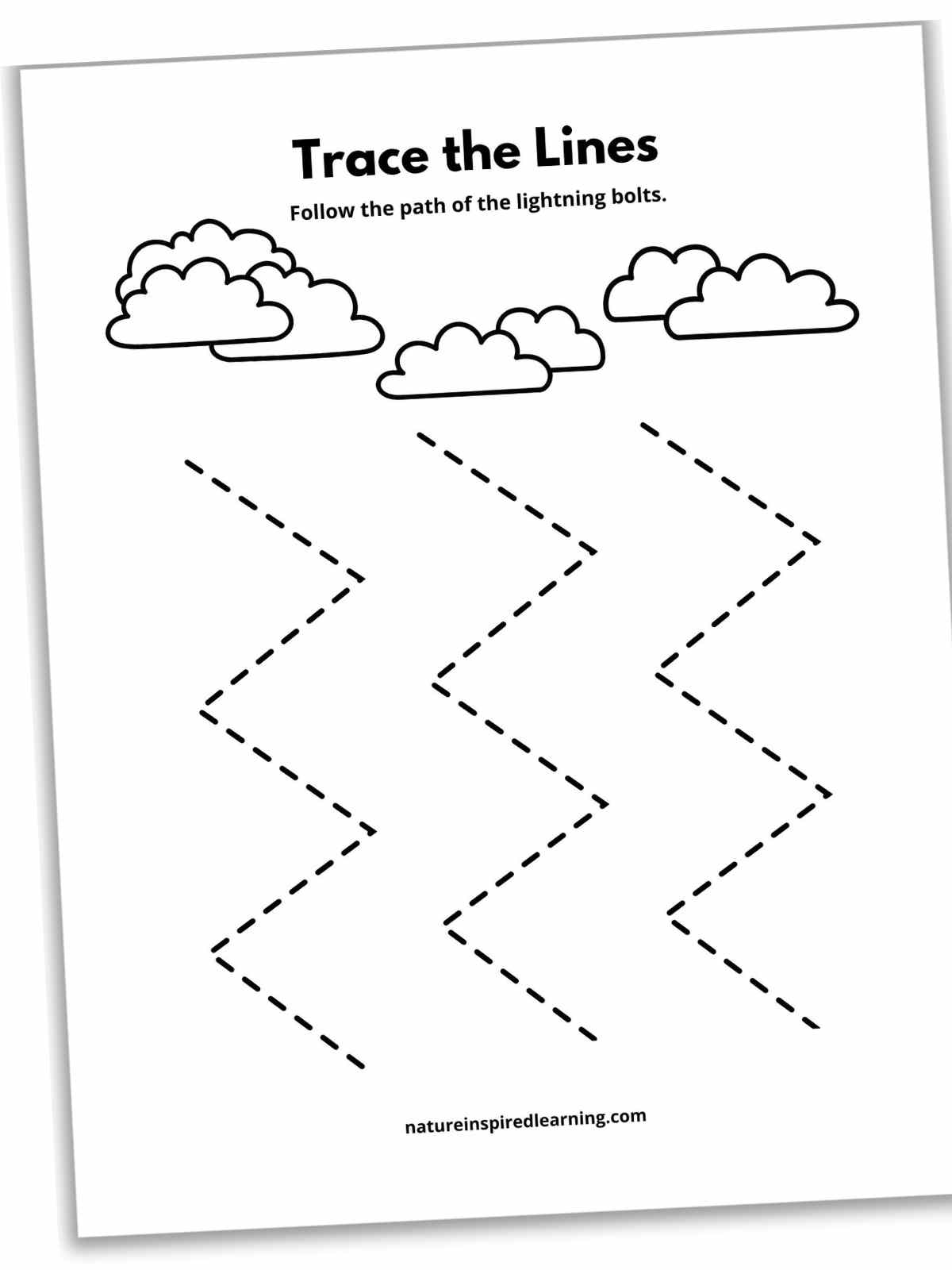
Tracing diagonal lines worksheets for preschool are essential tools for developing fine motor skills and early literacy. These engaging worksheets help young learners practice their hand-eye coordination while introducing them to basic geometric concepts. By incorporating fun activities that involve tracing, cutting, and pasting, children can enhance their learning experience in a playful manner. This article explores the benefits of tracing diagonal lines worksheets, practical applications, and creative activities to support preschool education.
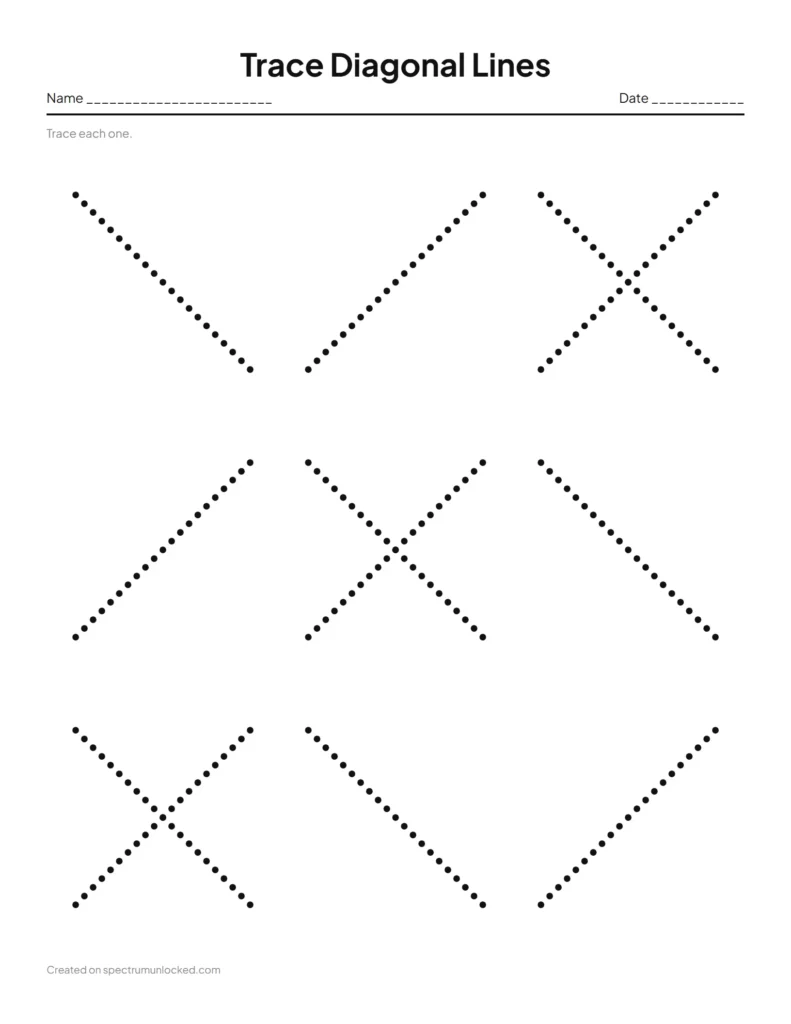
Tracing Diagonal Lines Worksheets For Preschool
Understanding Diagonal Lines in Early Education
Diagonal lines are an important aspect of geometry that preschoolers can begin to understand through hands-on activities. Recognizing and tracing diagonal lines helps children develop spatial awareness and visual perception. These skills are foundational for later learning in mathematics and art. By using tracing worksheets, children can practice making diagonal strokes, which prepares them for writing letters and numbers in the future.
Benefits of Tracing Diagonal Lines Worksheets
- Fine Motor Skill Development: Tracing helps strengthen the small muscles in children’s hands and fingers, which is crucial for writing.
- Hand-Eye Coordination: Following the lines improves coordination between what children see and how they move their hands.
- Confidence Building: Completing tracing activities gives children a sense of accomplishment, boosting their confidence in their abilities.
- Preparation for Writing: Mastering diagonal lines lays the groundwork for writing letters like “A,” “K,” and “M.”
Creative Activities Using Tracing Diagonal Lines Worksheets
To make learning more engaging, consider integrating various activities with tracing worksheets. Here are some creative ideas:
1. Cut and Paste Fun
After tracing diagonal lines, children can cut out shapes that follow those lines. Provide them with colorful paper and safe scissors to create fun art projects. For example, they can cut out triangles or zigzag patterns to make a collage. This activity reinforces their understanding of shapes while enhancing fine motor skills.
2. Diagonal Line Art
Encourage children to create their own artwork using diagonal lines. Provide them with crayons or markers and ask them to draw pictures that incorporate diagonal lines, such as mountains or arrows. This not only reinforces their tracing skills but also allows for creative expression.
3. Interactive Games
Create a game where children must find objects around the classroom or home that have diagonal lines. They can take pictures or draw these objects on paper. This activity combines learning with exploration and observation skills.
Adjusting Difficulty Levels
It’s important to tailor activities to meet the varying skill levels of preschoolers. Here are some suggestions for adjusting the difficulty:
- For Beginners: Use thicker lines for tracing and larger shapes to help them gain confidence.
- For Intermediate Learners: Introduce dotted lines or patterns that require more precision.
- For Advanced Learners: Challenge them with more complex shapes or ask them to create their own designs using diagonal lines.
Practical Tips for Using Tracing Worksheets
When preparing to use tracing diagonal lines worksheets, consider the following tips:
- Papers: Use US Letter-sized paper for easy printing and handling.
- Printing Options: Choose between black-and-white or color printing based on your resources and preferences.
- Cutting Preparation: Ensure that scissors are child-safe and supervise cutting activities closely.
- Organizing Materials: Keep small cutout pieces organized in containers to prevent loss and confusion during activities.
The Role of Parents and Educators
The involvement of parents and educators is crucial in maximizing the benefits of tracing worksheets. Here are some ways they can support children’s learning:
- Create a Routine: Set aside regular time for tracing activities to establish consistency in practice.
- Provide Encouragement: Celebrate achievements, no matter how small, to motivate children to continue improving their skills.
- Diverse Learning Environments: Incorporate tracing activities into various settings—home, classroom, or outdoor spaces—to keep learning dynamic and engaging.
Conclusion: Embracing Hands-On Learning
The use of tracing diagonal lines worksheets for preschool is an effective way to foster essential skills in young learners. By integrating fun activities that promote fine motor development and creativity, educators and parents can create a rich learning environment that encourages exploration and growth. For more engaging printable worksheets tailored to preschool education, visit CutPasteWorksheets.net.
If you’re looking for additional resources on early childhood education practices, consider exploring reputable sites like NAEYC, which offers valuable insights into child development and effective teaching strategies.
Download Tracing Diagonal Lines Worksheets For Preschool
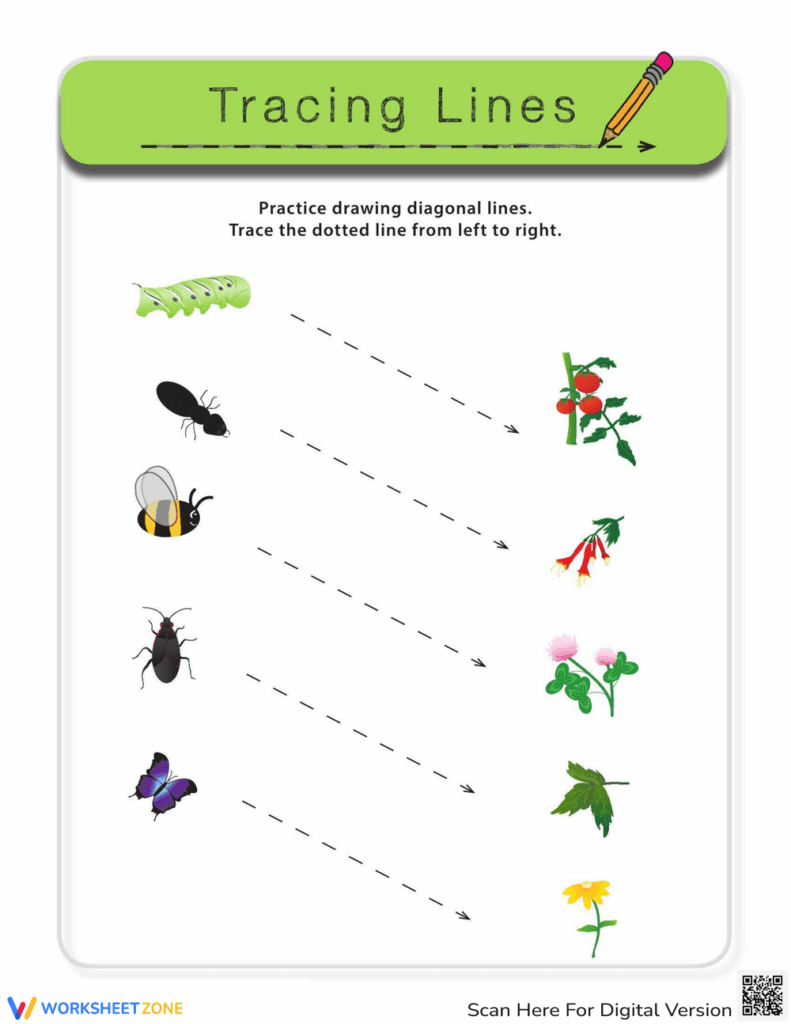
Diagonal Lines Bugs Printable Interactive 64c9888ce9195e1438dca4bf
Line Tracing Worksheets