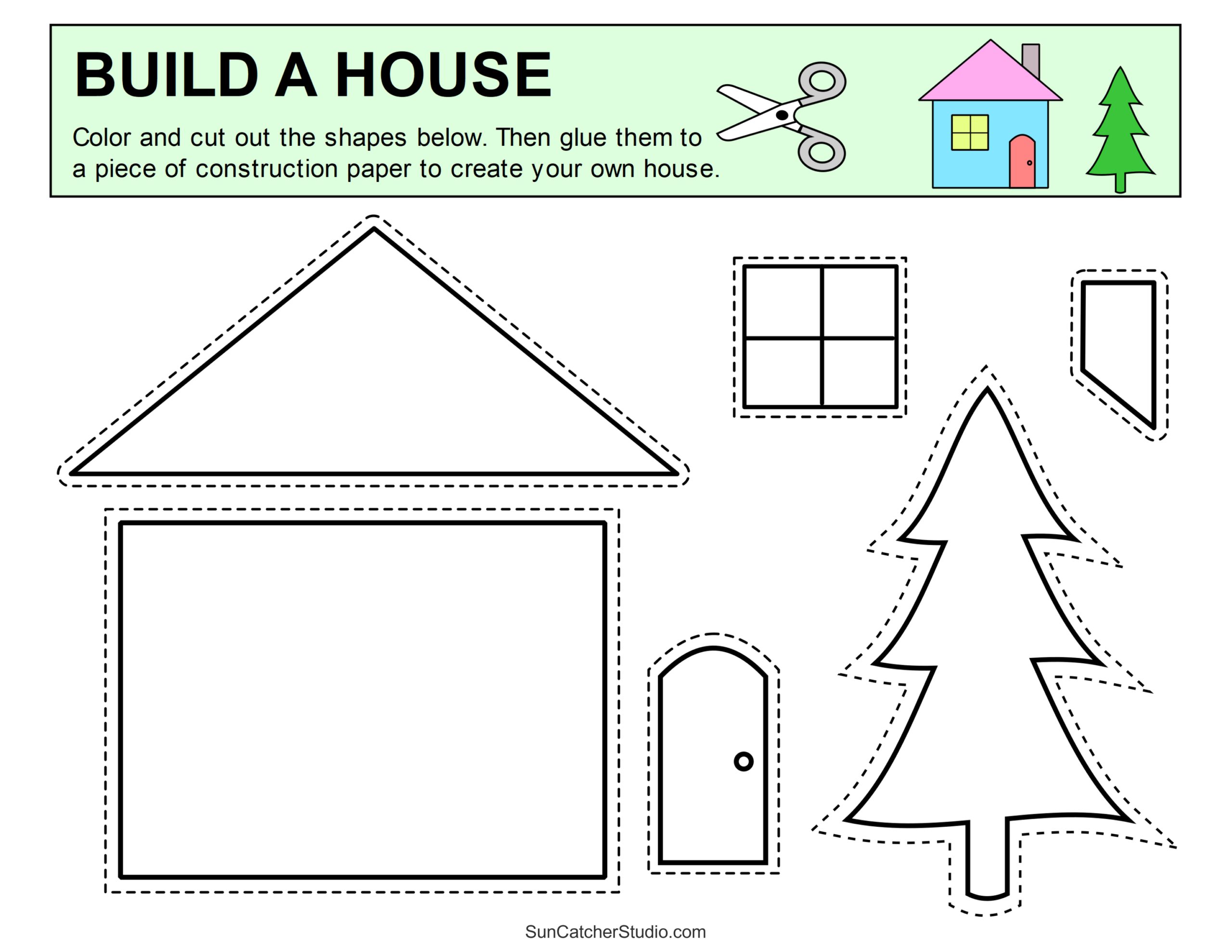
Engaging young learners through hands-on activities is essential for their development. One effective method is using cut and paste activities, which are particularly beneficial for kindergarten students. These activities not only enhance fine motor skills but also promote creativity and cognitive development. In this article, we will explore various cut and paste ideas tailored for kindergarten, focusing on their educational benefits and practical applications.
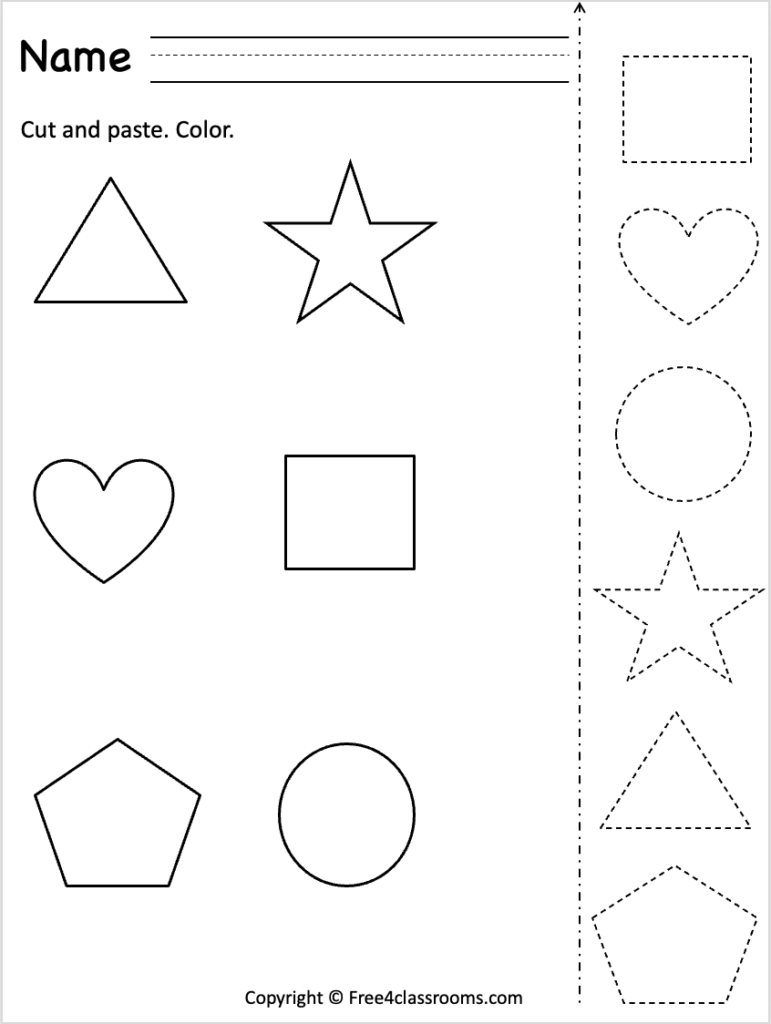
Cut And Paste For Kindergarten
Understanding the Importance of Cut and Paste Activities
Cut and paste activities are more than just fun; they play a crucial role in early childhood education. These tasks help children develop fine motor skills as they learn to use scissors and glue effectively. Additionally, they encourage critical thinking as children decide where to place each piece. Engaging in these activities also fosters creativity, allowing children to express themselves artistically.
Fine Motor Skill Development Through Cutting
Fine motor skills are essential for everyday tasks, and cut and paste activities provide an excellent opportunity for practice. When children use scissors, they strengthen their hand muscles and improve hand-eye coordination. To make these activities accessible, consider providing child-safe scissors and offering adult supervision during cutting tasks.
- Pre-cut Shapes: For younger children or those who may struggle with cutting, provide pre-cut shapes that they can glue onto a worksheet.
- Guided Cutting: Use worksheets with dotted lines to guide children in cutting out specific shapes.
Creative Cut and Paste Worksheet Ideas
Printable cut and paste worksheets can be tailored to various themes and subjects. Here are some engaging ideas:
- Animal Collages: Provide pictures of different animals that children can cut out and paste onto a larger sheet to create their own zoo.
- Seasonal Crafts: Create worksheets that focus on seasonal themes, such as autumn leaves or winter snowflakes, allowing children to explore nature through art.
- Story Sequencing: Develop worksheets that depict a simple story where children cut out images and arrange them in the correct order.
Incorporating Early Literacy Skills
Cut and paste activities can also support early literacy development. By integrating letters or words into the worksheets, children can practice letter recognition while engaging in hands-on learning.
- Letter Matching: Create worksheets where children cut out letters from one page and paste them next to corresponding images that start with those letters.
- Sight Word Practice: Provide sight words for children to cut out and paste onto a sentence strip to form simple sentences.
Math Skills Through Cutting and Pasting
Math concepts can be reinforced through creative cut and paste activities as well. Here are some ideas to incorporate math learning:
- Counting Activities: Design worksheets where children cut out a specific number of items (e.g., apples) and glue them onto a counting chart.
- Shape Sorting: Provide various shapes for children to cut out and sort by color or type on a worksheet.
Organizing Your Cut and Paste Activities
To ensure a smooth experience when conducting cut and paste activities, organization is key. Here are some tips for preparing your materials:
- Papers: Use US Letter paper for printing worksheets. Consider using thicker paper for durability during cutting.
- Cutting Lines: Ensure clear cutting lines on worksheets to guide young learners effectively.
- Glue Preparation: Use washable glue sticks to minimize mess while allowing easy application by little hands.
The Benefits of Hands-On Learning at Home
Cuts and paste activities are not limited to the classroom; they can also be easily adapted for home learning environments. Parents can create simple worksheets or use printable resources available online. This approach not only reinforces skills learned at school but also encourages family bonding through shared activities.
Differentiating Activities for Various Skill Levels
Recognizing that children develop at different rates is crucial when planning cut and paste activities. Here are some strategies for differentiation:
- Simplified Tasks: For beginners, offer fewer pieces to cut out or larger shapes that are easier to handle.
- Advanced Challenges: For more advanced learners, introduce more complex designs or require them to create their own scenes using multiple elements.
Conclusion: Embracing Creativity Through Cut And Paste For Kindergarten
The incorporation of cut and paste activities into kindergarten curricula provides numerous educational benefits while fostering creativity. By engaging in these hands-on tasks, children develop essential skills that will serve them well in their academic journey. Explore our collection of printable worksheets at CutPasteWorksheets.net, where you can find more resources tailored for young learners.
If you want more information about early childhood education practices, consider visiting the National Association for the Education of Young Children at naeyc.org.
Download Cut And Paste For Kindergarten
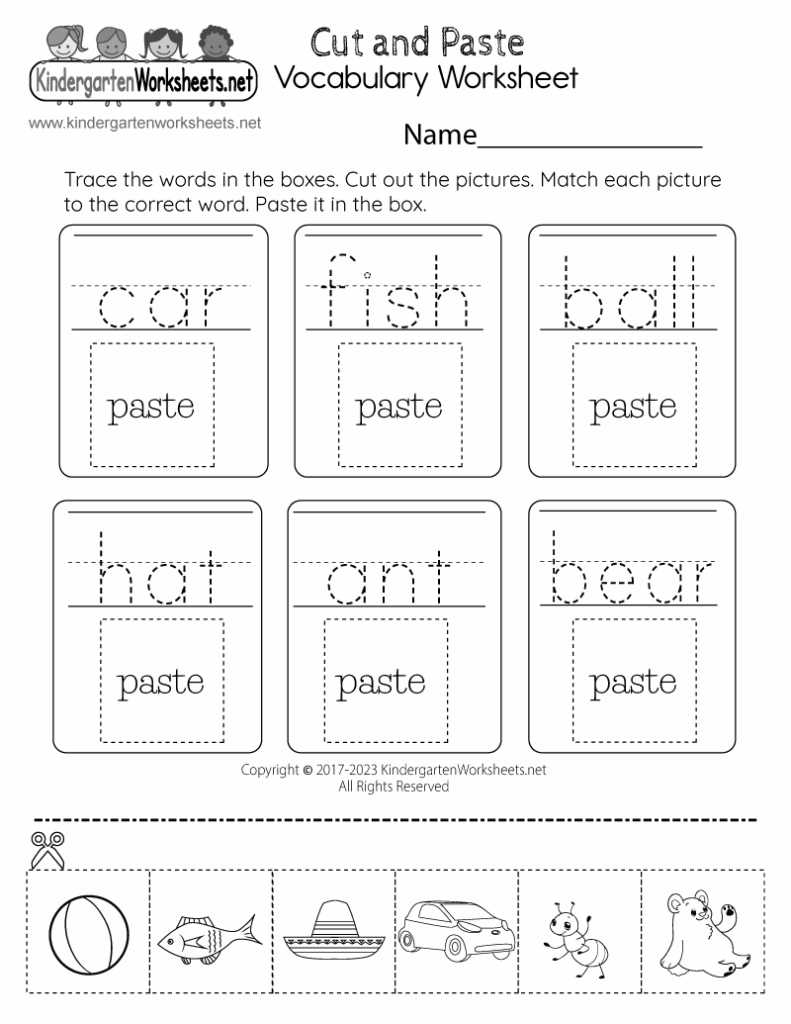
Vocabulary Worksheets For Students
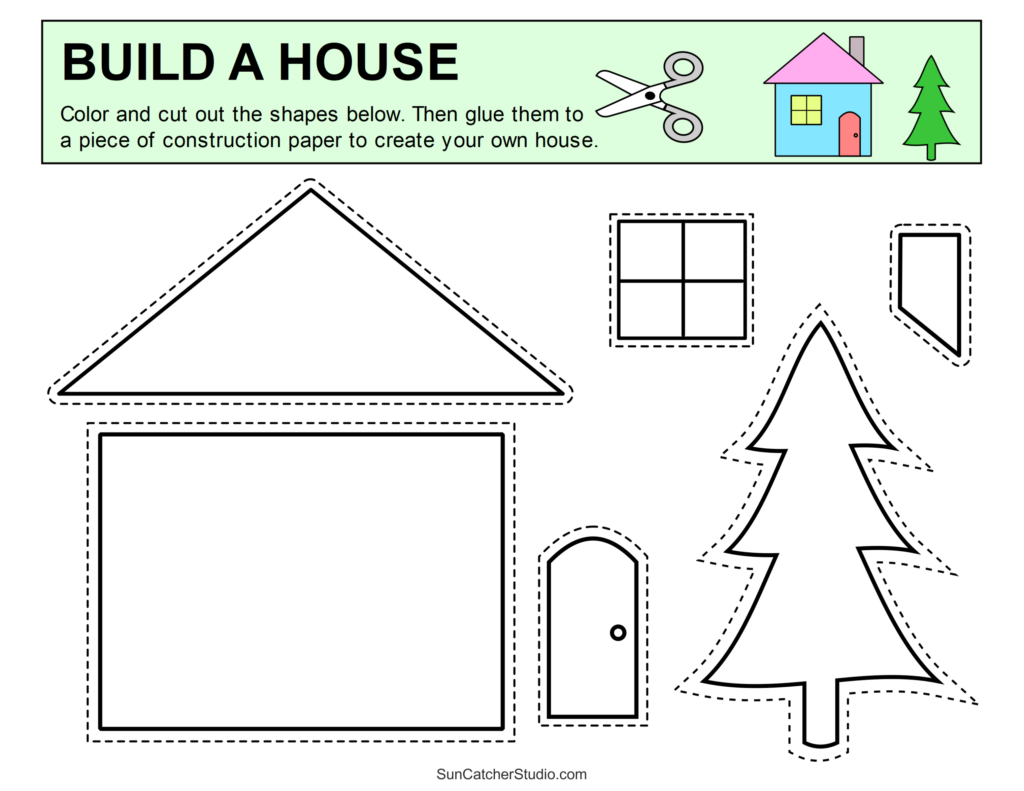
Cut And Paste Worksheets