Tracing activities for Pre K are essential for developing fine motor skills and early literacy. These engaging exercises not only help children learn to write but also enhance their hand-eye coordination and concentration. By incorporating fun themes and hands-on learning, tracing worksheets can transform a simple task into an exciting educational experience. In this article, we will explore various tracing activities tailored for preschoolers, offering practical examples and tips for parents and educators.
Tracing Activities For Pre K
Benefits of Tracing Activities
Tracing activities provide numerous benefits for young learners. They help children:
- Develop fine motor skills necessary for writing.
- Enhance hand-eye coordination through repetitive movements.
- Foster early literacy by familiarizing them with letters and shapes.
- Encourage focus and concentration during tasks.
Types of Tracing Activities
There are various types of tracing activities that can be tailored to meet the needs of Pre K students. Here are some popular options:
Letter Tracing
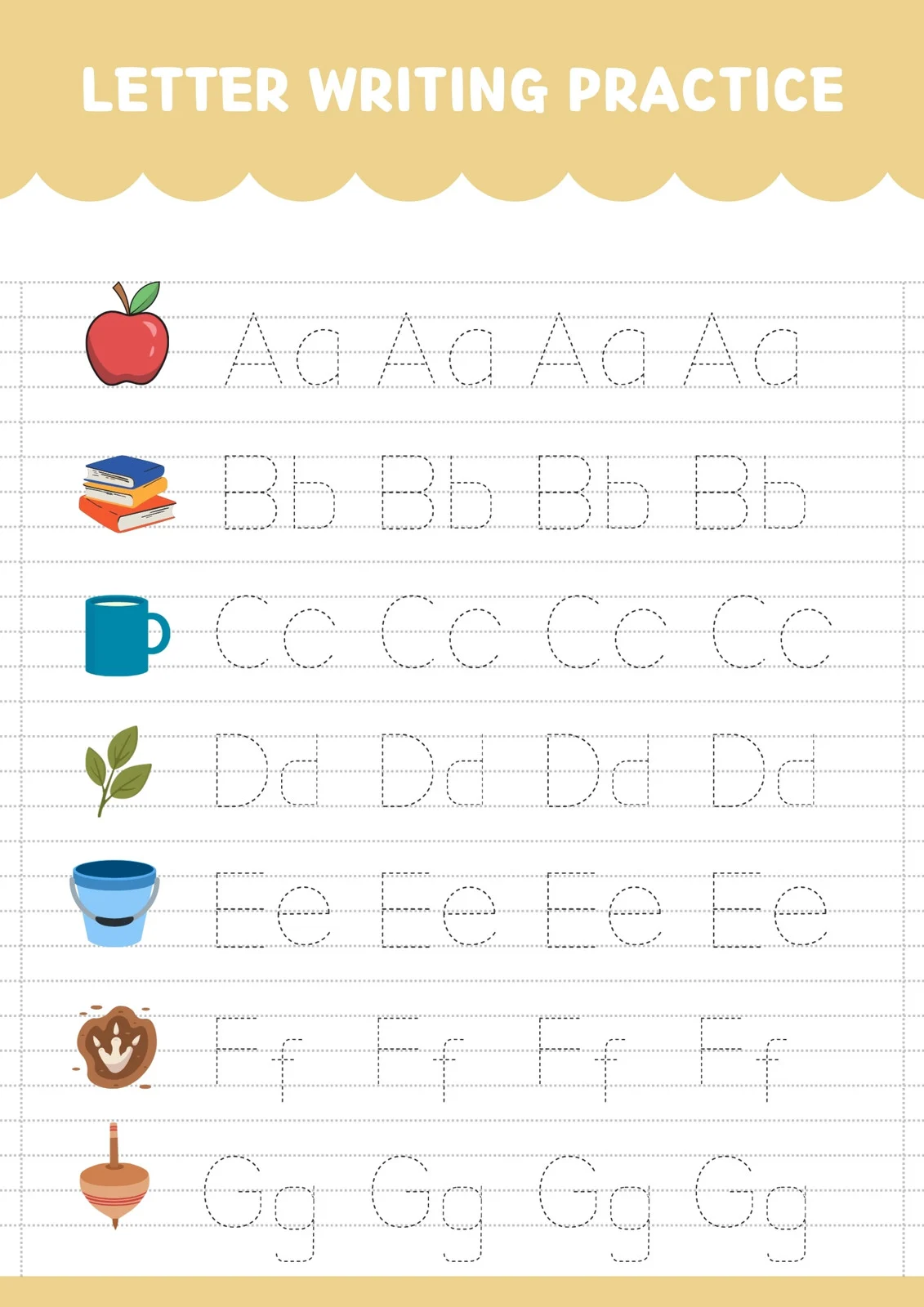
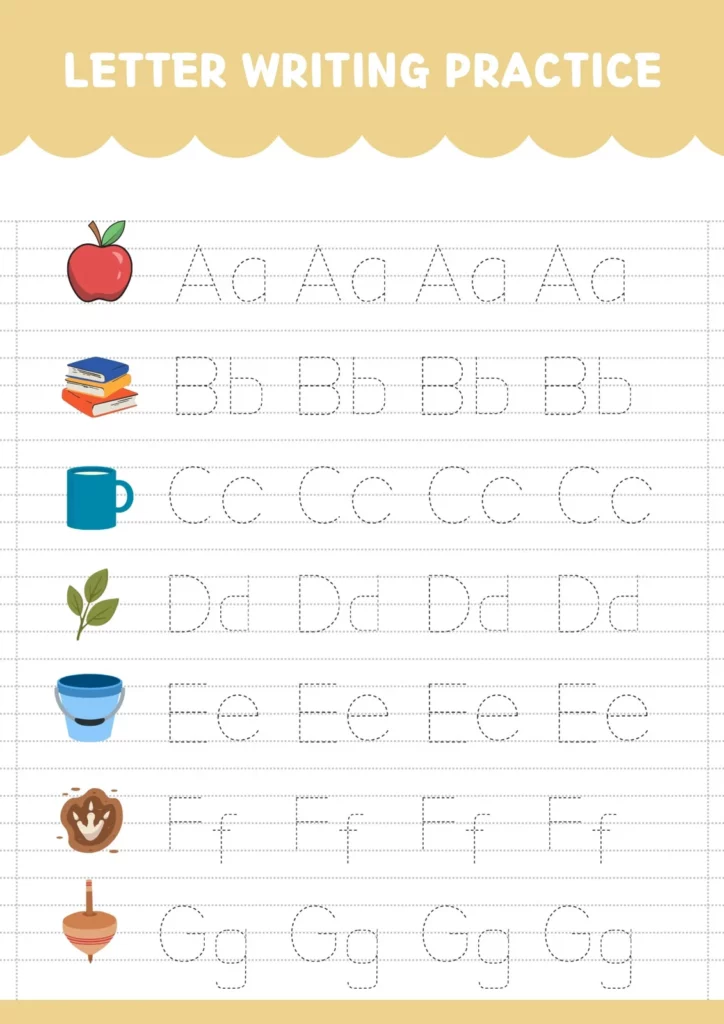
Letter tracing worksheets allow children to practice writing both uppercase and lowercase letters. These worksheets often feature dotted lines that guide children in forming letters correctly. For added fun, consider using themed worksheets, such as animals or seasonal motifs, to keep children engaged.
Shape Tracing
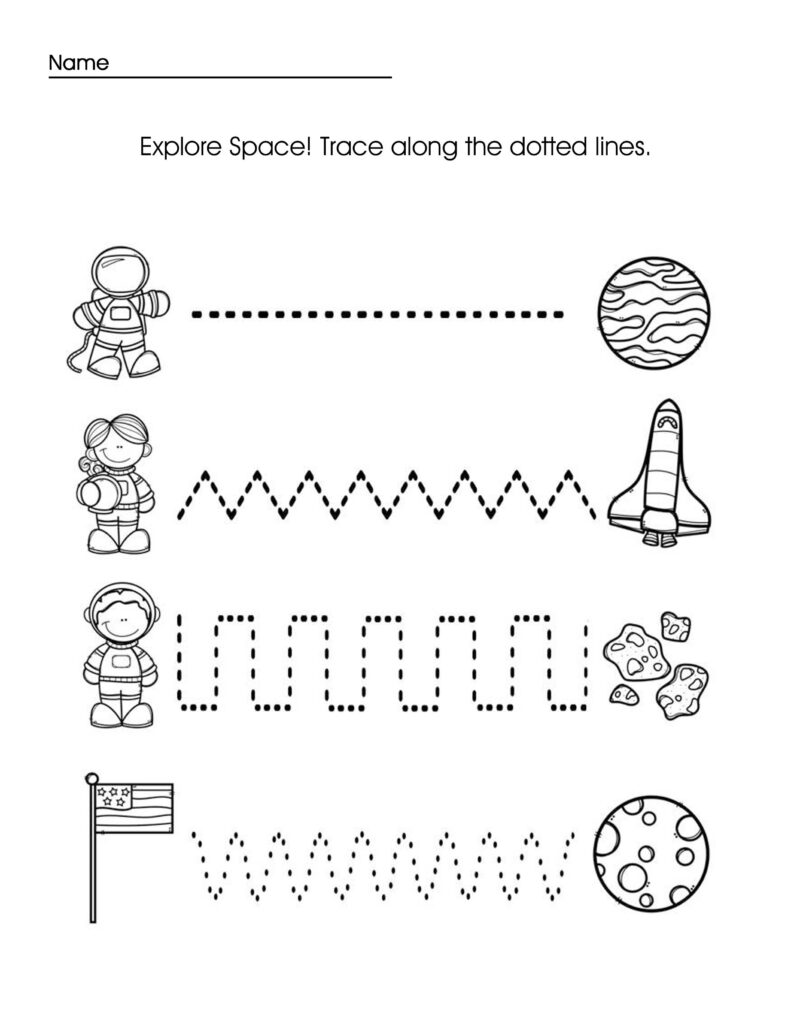
Shape tracing is another effective way to develop fine motor skills. Worksheets that include basic shapes like circles, squares, and triangles help children learn to recognize and draw these forms. Incorporating colors or stickers can make this activity even more appealing.
Number Tracing
Number tracing worksheets introduce young learners to numerals while reinforcing counting skills. Children can trace numbers while counting objects on the page, making connections between the written numeral and its quantity.
Hands-On Tracing Activities
In addition to traditional worksheets, hands-on tracing activities can enhance learning experiences. Here are some creative ideas:
Sand or Salt Tracing
Pour a thin layer of sand or salt onto a tray. Children can use their fingers to trace letters or shapes in the sand, providing a tactile experience that reinforces learning. This method is especially beneficial for kinesthetic learners who thrive on physical interaction.
Tracing with String or Yarn
Provide children with string or yarn to trace around letters or shapes cut from cardboard. This activity not only reinforces shape recognition but also adds a three-dimensional aspect that makes learning more engaging.
Adjusting Difficulty Levels
It’s important to adjust the difficulty of tracing activities based on individual skill levels. Here are some strategies:
- For beginners: Use larger letters and shapes with clear outlines.
- For intermediate learners: Introduce smaller letters and more complex shapes.
- For advanced students: Encourage freehand tracing without guides to build confidence.
Integrating Tracing Activities at Home
Parents can easily incorporate tracing activities into daily routines at home. Here are some suggestions:
Create Custom Worksheets
Create personalized tracing worksheets featuring your child’s name or favorite characters. This customization increases motivation and makes learning more relevant to their interests.
Use Everyday Materials
Utilize materials found around the house, such as newspapers or magazines, for tracing practice. Children can trace over letters or images they find interesting, making the activity feel less like work and more like play.
The Role of Adult Supervision
While tracing activities are generally safe, adult supervision is recommended, especially when using scissors or glue for cut-and-paste projects. Ensure that children use child-safe scissors and washable glue sticks to promote safety during these hands-on activities.
Printable Resources for Tracing Activities
If you’re looking for printable resources, consider exploring our collection of tracing worksheets. These resources offer a variety of themes and difficulty levels suitable for Pre K learners, ensuring that you have everything you need to support your child’s educational journey.
Conclusion
Tracing activities for Pre K provide a fun and effective way to develop essential skills in young learners. By incorporating a variety of worksheets and hands-on experiences, parents and educators can create an engaging learning environment that fosters growth in fine motor skills and early literacy. With the right resources and strategies, tracing can become an enjoyable part of every child’s educational experience.
Download Tracing Activities For Pre K
Tracing Lines Worksheets For Preschool And 3 Year Olds
Preschool Tracing