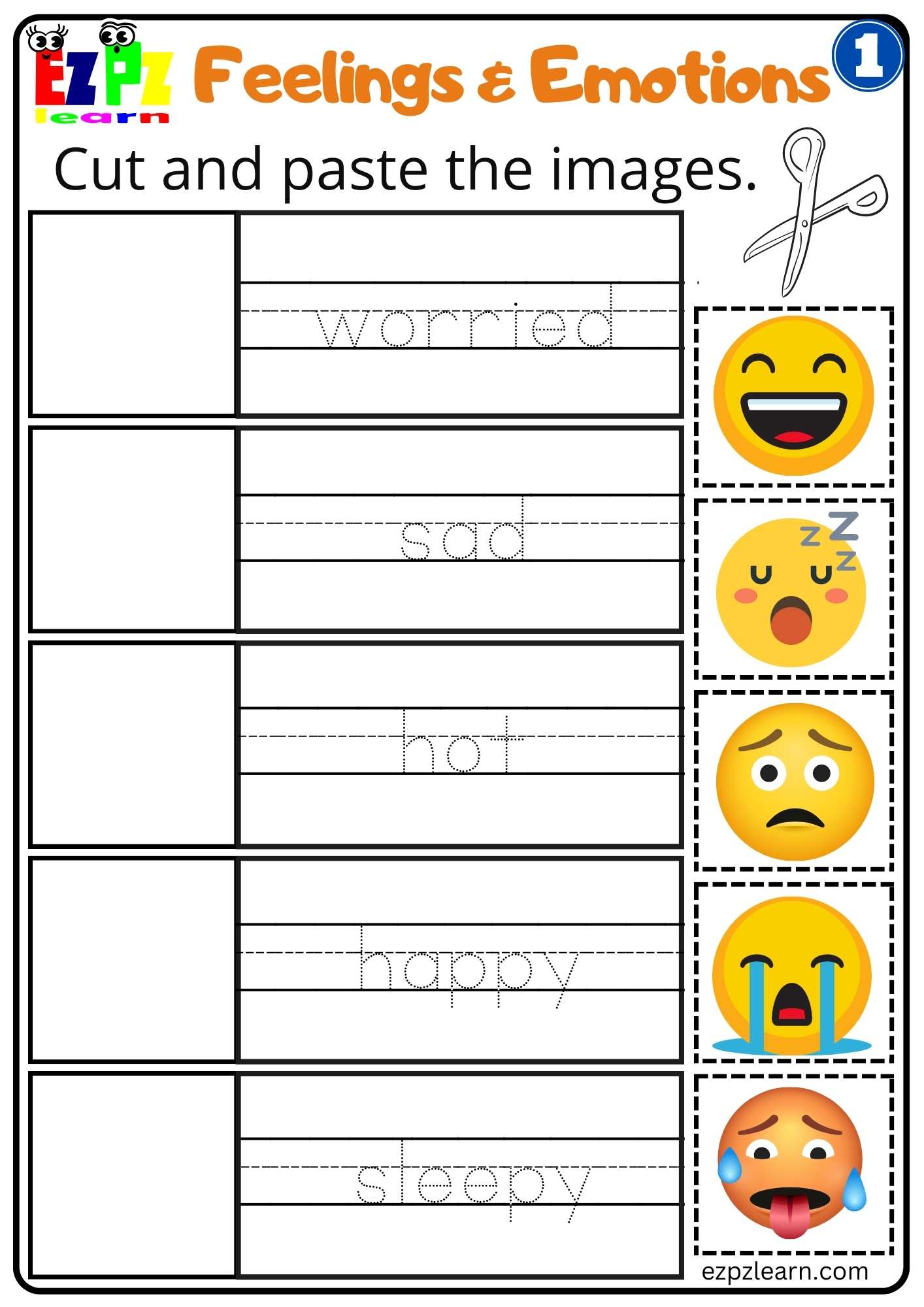
Engaging young learners in understanding their emotions is crucial for their social and emotional development. Cut And Paste Feelings Activities provide a hands-on approach to help preschool and kindergarten children identify and express their feelings. These activities not only enhance emotional literacy but also promote fine motor skills through cutting and pasting. In this article, we will explore various cut and paste worksheets designed to teach children about feelings, along with practical tips for implementation at home or in the classroom.
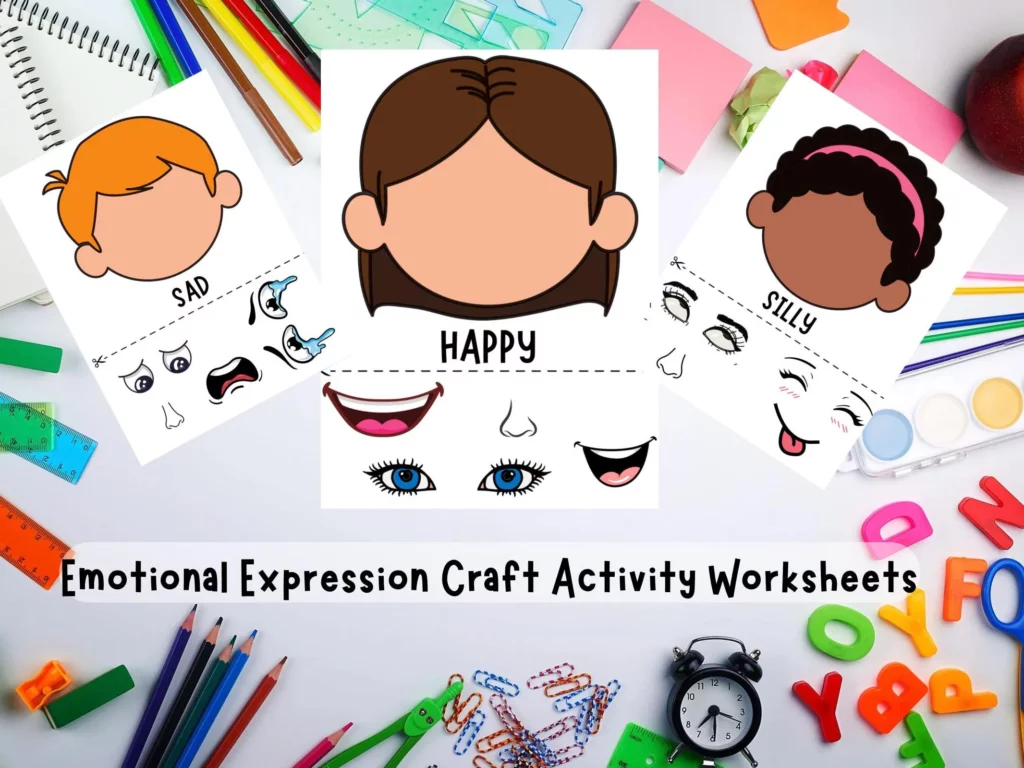
Cut And Paste Feelings Activities
Understanding Emotions Through Cut And Paste Activities
Cut and paste activities allow children to physically interact with materials, making learning about feelings more tangible. By using images that represent different emotions, children can learn to recognize and articulate their feelings. For instance, worksheets featuring faces displaying happiness, sadness, anger, and surprise can be used for sorting or matching activities.
Printable Worksheets for Feelings Recognition
Printable worksheets are an excellent resource for educators and parents. They can be easily downloaded and printed on US Letter paper. Here are some ideas for feelings worksheets:
- Emotion Faces Worksheet: Children cut out various emotion faces and paste them onto a chart that categorizes feelings.
- Feelings Collage: Provide magazines or printed images of people expressing different emotions. Children can cut out these images and create a collage representing various feelings.
- Emotion Matching Game: Create pairs of cards with different emotions. Children can cut out the cards and play a matching game to reinforce their understanding of each feeling.
Hands-On Activities to Enhance Learning
Incorporating hands-on activities into lessons about feelings can deepen children’s understanding. Here are some engaging ideas:
- Feelings Puppet Show: Create puppets representing different emotions using cut-out faces on sticks. Children can act out scenarios that evoke various feelings.
- Emotion Storytime: Read books that explore emotions, such as “The Feelings Book” by Todd Parr. After reading, have children cut out pictures from the book that depict different feelings and paste them onto a feelings chart.
- Emotion Charades: Have children act out different emotions while others guess what they are portraying. This activity encourages expression and recognition of feelings.
Fine Motor Skill Development Through Cutting and Pasting
The act of cutting and pasting is not only fun but also essential for developing fine motor skills in young children. As they manipulate scissors and glue, they enhance their hand-eye coordination and dexterity. Here are some tips to ensure safe practice:
- Use child-safe scissors for cutting activities.
- Provide washable glue sticks to minimize mess.
- Supervise children during cutting tasks to ensure safety.
Differentiated Learning Approaches
Recognizing that children develop at different rates is important when implementing cut and paste feelings activities. Here are some strategies to differentiate instruction:
- Simplified Worksheets: For younger or less experienced learners, provide worksheets with fewer options or larger images to cut out.
- Adult Assistance: Offer support by pre-cutting complex shapes or providing guidance during the activity.
- Extension Activities: For advanced learners, encourage them to write sentences about each emotion they cut out or create their own emotion stories.
The Importance of Emotional Literacy in Early Childhood Education
Teaching children about emotions is vital for their overall development. Emotional literacy helps children navigate social interactions, build empathy, and manage their own feelings effectively. By incorporating cut and paste feelings activities into your curriculum or home learning environment, you provide children with valuable tools for emotional expression.
Practical Tips for Implementing Cut And Paste Feelings Activities
To maximize the effectiveness of these activities, consider the following practical tips:
- Create a Calm Environment: Set up a quiet space where children can focus on their tasks without distractions.
- Organize Materials: Prepare all necessary materials beforehand, including scissors, glue sticks, printed worksheets, and any additional craft supplies.
- Encourage Discussion: After completing activities, facilitate discussions about the emotions represented in the worksheets to reinforce learning.
Cultivating emotional awareness through engaging activities like cut and paste worksheets not only supports children’s emotional growth but also enhances their cognitive skills through hands-on learning experiences. For more resources on early childhood education, visit CutPasteWorksheets.net.
If you’re looking for additional resources on preschool education or printable worksheets related to other subjects, check out our collection of preschool worksheets.
The journey of teaching children about their feelings can be both rewarding and fun with the right tools and activities. Embrace the power of hands-on learning with cut and paste feelings activities!
Download Cut And Paste Feelings Activities
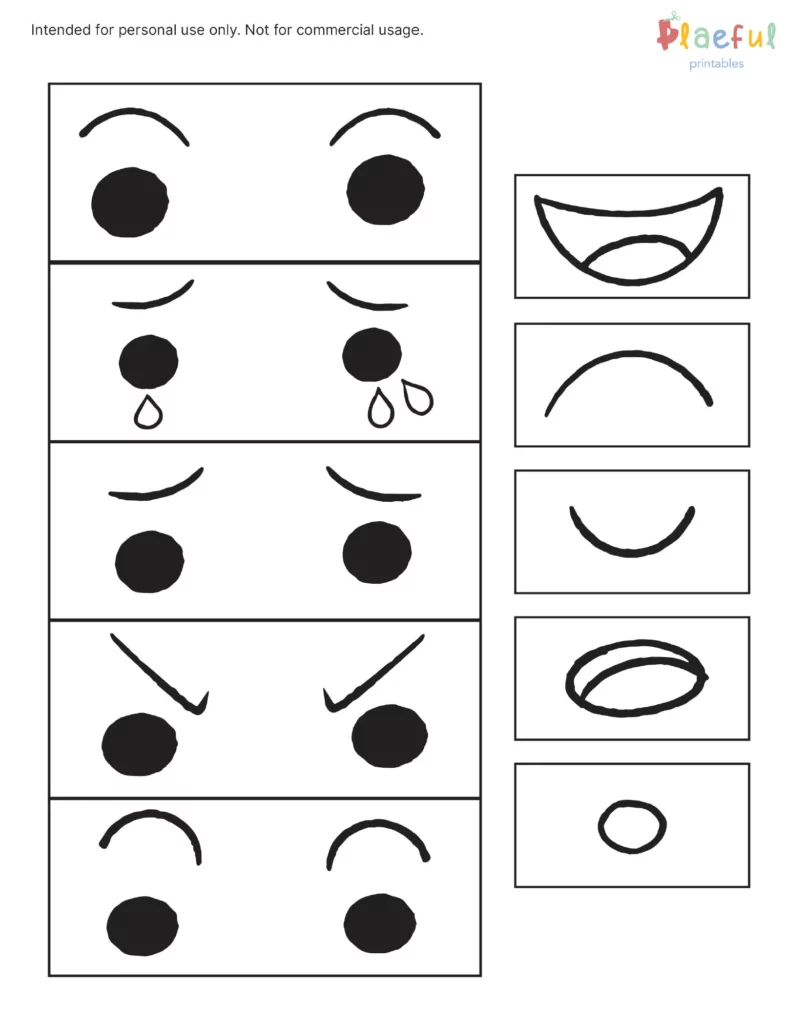
Emotions Learning Printable Montessori
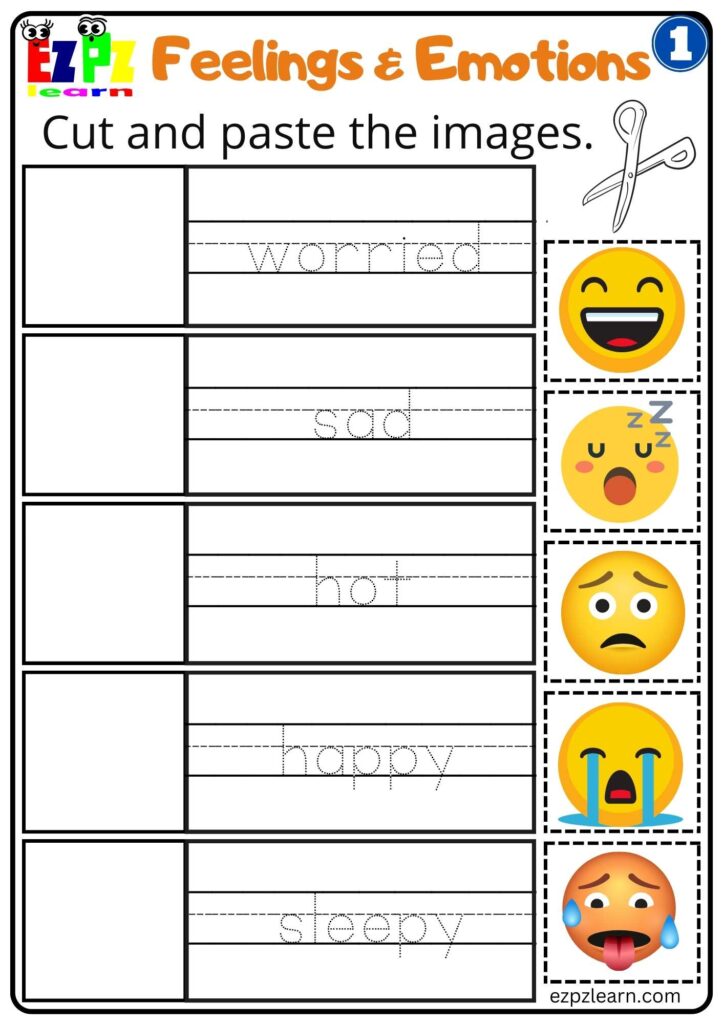
Feelings And Emotions Cut And Paste Worksheet For Children And Esl Students Free Pdf Download Worksheets