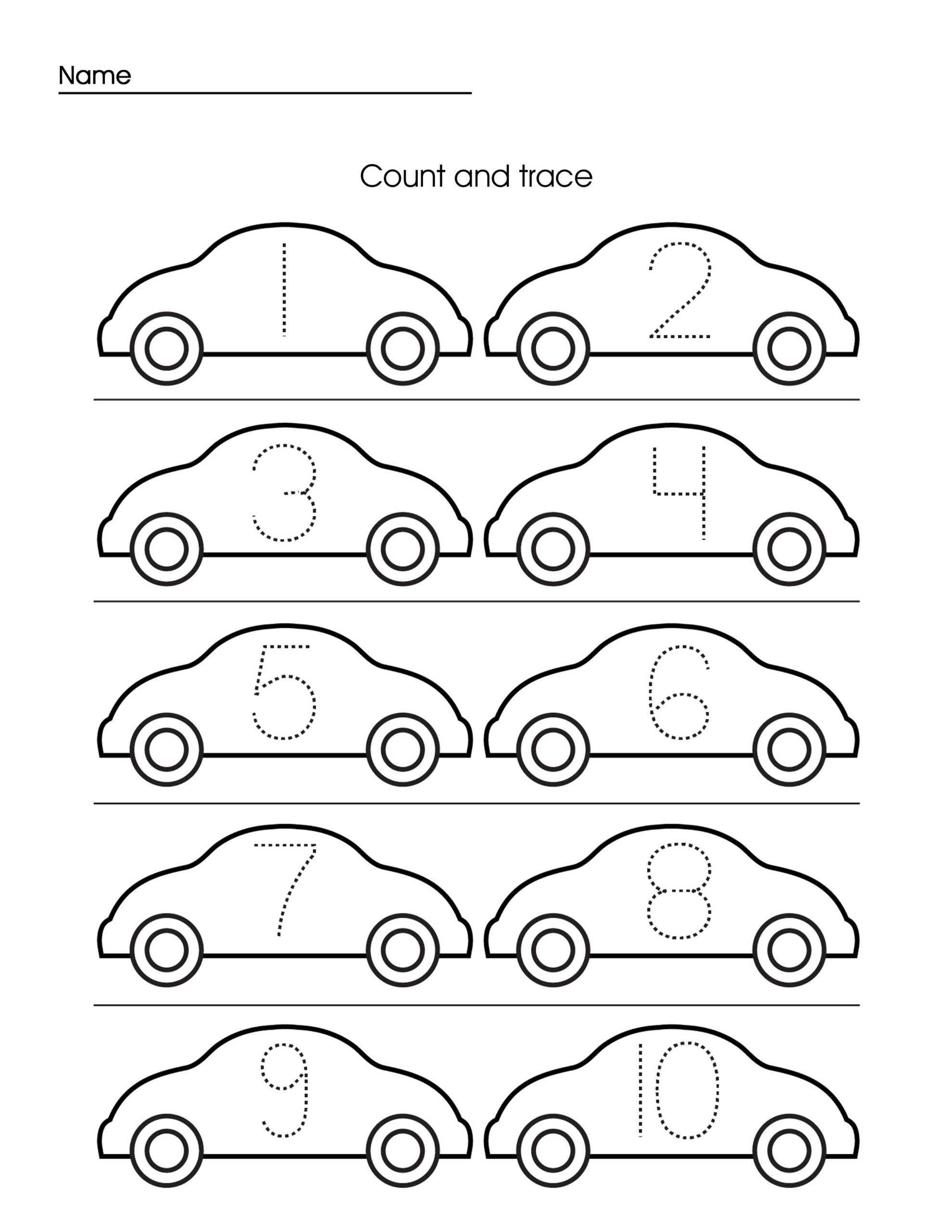
Preschool tracing and coloring worksheets are essential tools for early childhood education, providing young learners with engaging activities that promote fine motor skills and creativity. These worksheets not only help children develop their hand-eye coordination but also introduce them to basic concepts of shapes, letters, and numbers. In this article, we will explore various types of tracing and coloring worksheets, their educational benefits, and practical tips for incorporating them into your preschool curriculum.
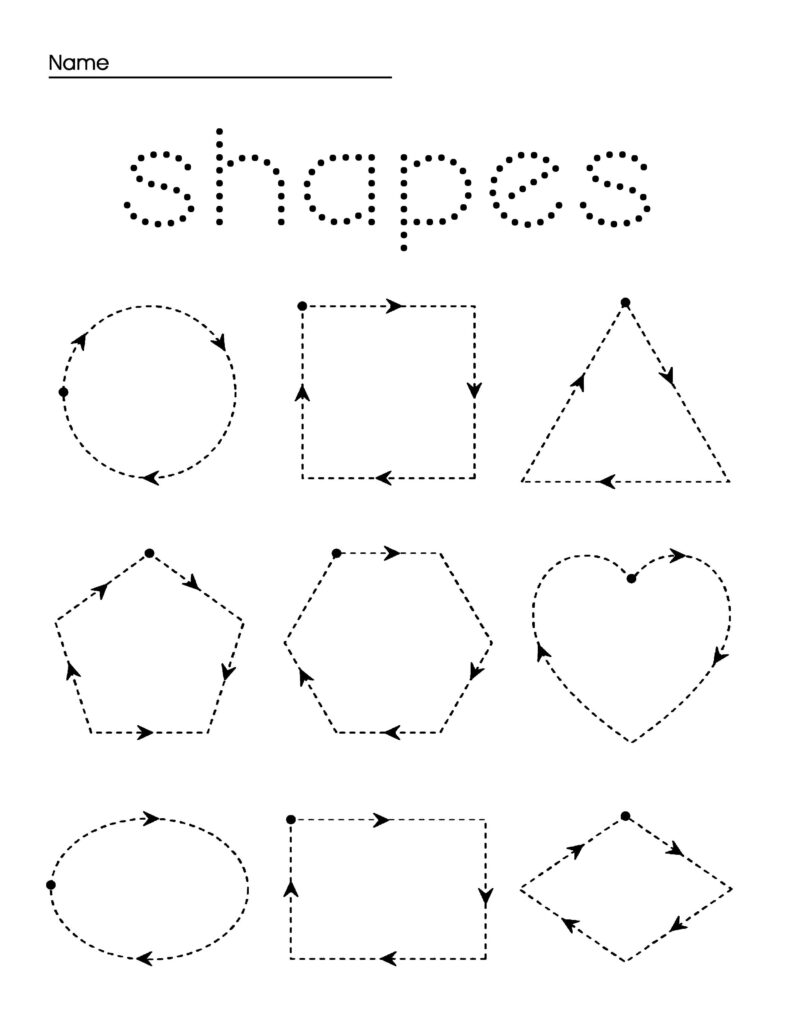
Preschool Tracing And Coloring Worksheets
Understanding the Importance of Tracing and Coloring
Tracing and coloring worksheets serve multiple educational purposes. They are designed to enhance fine motor skills, which are crucial for tasks such as writing and self-care. As children trace lines and shapes, they strengthen the small muscles in their hands and fingers. Additionally, these activities foster creativity and self-expression, allowing children to explore colors and designs freely.
Types of Preschool Tracing Worksheets
- Letter Tracing Worksheets: These worksheets focus on helping children learn the alphabet by tracing both uppercase and lowercase letters. They often include images that start with each letter to reinforce letter recognition.
- Number Tracing Worksheets: Designed to teach counting and number recognition, these worksheets allow children to trace numbers while associating them with corresponding quantities.
- Shape Tracing Worksheets: These worksheets introduce basic geometric shapes such as circles, squares, and triangles. Children can trace the shapes to improve their understanding of spatial relationships.
- Word Tracing Worksheets: These are ideal for introducing simple vocabulary words. Children can trace words while learning their meanings through accompanying images.
Benefits of Coloring Activities
Coloring activities complement tracing worksheets by enhancing children’s artistic skills. When children color, they practice color recognition and develop their ability to stay within lines, which is vital for future writing skills. Moreover, coloring can be a calming activity that helps reduce anxiety and promotes focus.
Integrating Coloring with Learning
To make coloring more educational, consider using themed worksheets that relate to seasons or holidays. For instance, during autumn, provide worksheets featuring pumpkins or leaves for children to color. This not only makes learning fun but also connects it with real-world experiences.
Practical Tips for Using Tracing and Coloring Worksheets
When incorporating tracing and coloring worksheets into your teaching strategy, consider the following tips:
- Use Age-Appropriate Materials: Ensure that the worksheets match the developmental level of your students. For younger preschoolers, opt for larger shapes and letters.
- Provide Proper Tools: Use child-safe scissors for cutting out shapes if needed, along with washable glue sticks for any cut-and-paste activities.
- Create a Comfortable Workspace: Set up a designated area with ample lighting and space for children to work on their worksheets comfortably.
- Encourage Exploration: Allow children to experiment with colors beyond what is suggested in the worksheets. This promotes creativity and individual expression.
Differentiating Activities for Various Skill Levels
Recognizing that children develop at different rates is crucial when planning activities. Here are some strategies to differentiate tracing and coloring tasks:
- Simplified Worksheets: For beginners, provide worksheets with fewer lines or larger spaces to trace.
- Add Complexity Gradually: As children gain confidence, introduce more intricate designs or additional elements to trace.
- Group Activities: Pair advanced learners with those who may need more support. This encourages peer learning while fostering social skills.
Home Learning Applications
Preschool tracing and coloring worksheets are not limited to the classroom; they can also be effectively used at home. Parents can print these worksheets from resources like CutPasteWorksheets.net, providing an excellent way for families to engage in educational activities together.
Creating a Home Learning Environment
Create a dedicated space at home where children can work on their tracing and coloring activities without distractions. Encourage parents to participate by discussing colors or letters as they work alongside their children. This interaction enhances learning through shared experiences.
The Role of Technology in Tracing and Coloring Activities
In today’s digital age, technology can also play a role in tracing and coloring education. There are numerous apps available that allow children to trace letters or shapes on tablets or computers. While traditional paper worksheets are invaluable, integrating technology can provide variety in learning methods.
Selecting Educational Apps
If you choose to incorporate technology into your lessons, select apps that focus on fine motor skill development through interactive tracing games or coloring activities. Look for those that offer feedback on progress to keep children motivated.
Conclusion: Fostering a Love for Learning
The use of preschool tracing and coloring worksheets is an effective way to foster early literacy skills while promoting fine motor development. By providing engaging activities tailored to children’s developmental levels, educators can create a rich learning environment that encourages exploration and creativity. Whether in the classroom or at home, these worksheets serve as valuable tools in nurturing a love for learning in young children.
If you’re looking for more resources on preschool education activities, check out our collection of printable cut-and-paste worksheets at CutPasteWorksheets.net.
Download Preschool Tracing And Coloring Worksheets
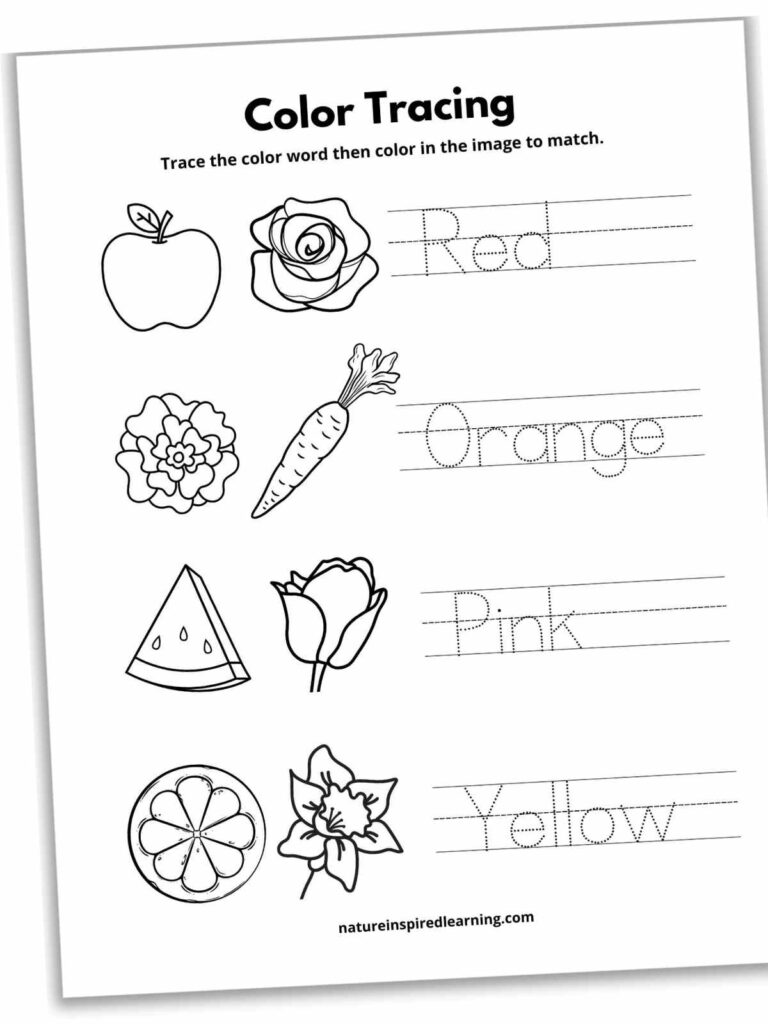
Color Tracing Worksheets
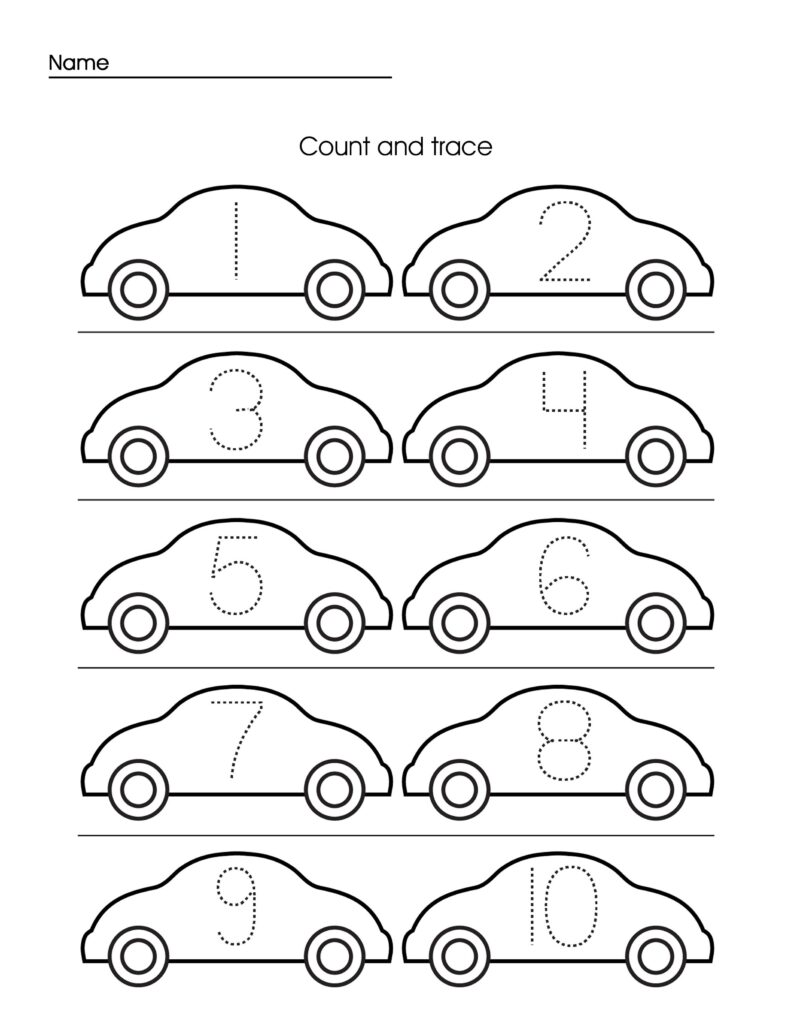
Preschool Tracing Worksheets Coloring Pages