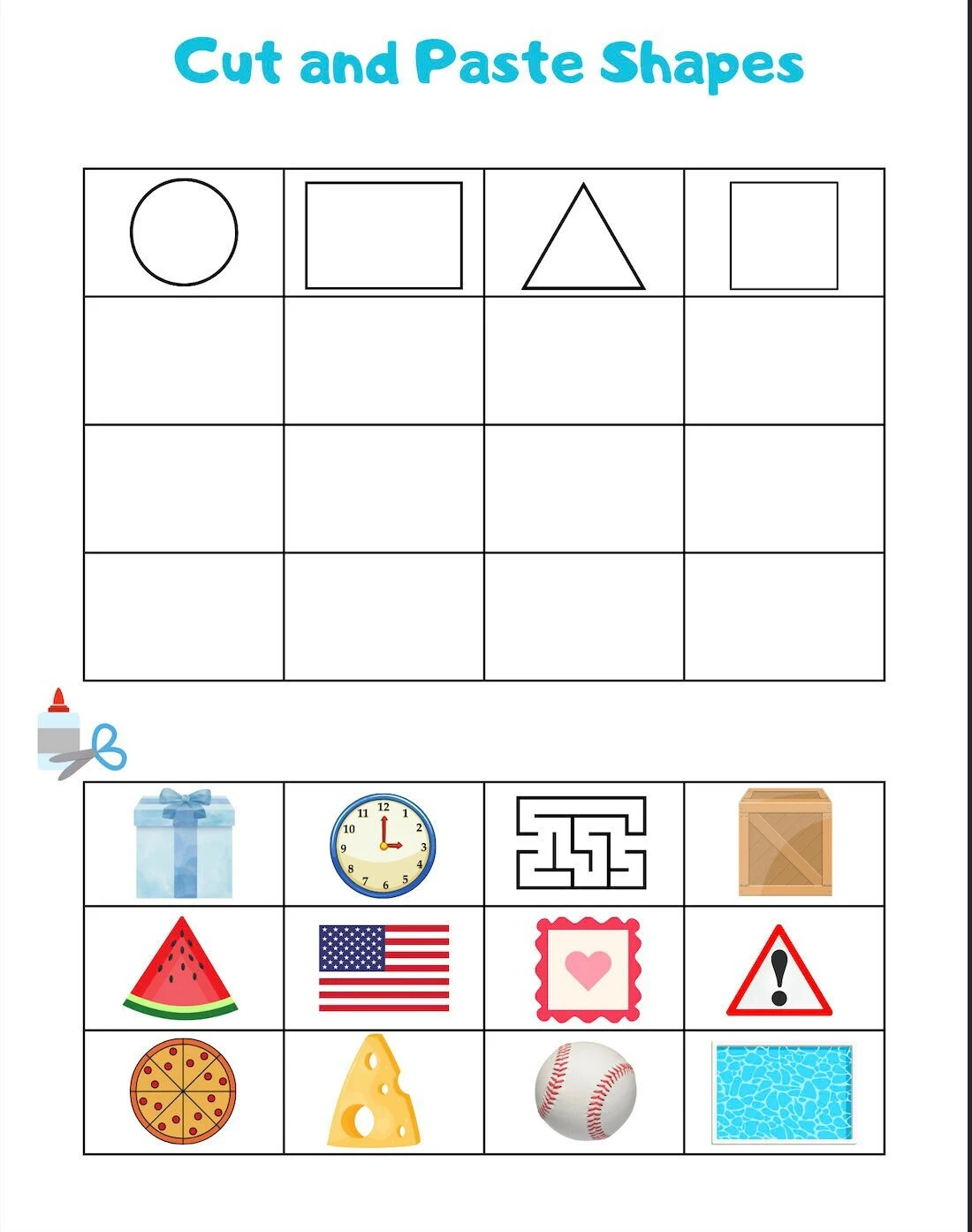
Cut and Paste Shapes Drawing Worksheets are an engaging way for preschool and kindergarten children to explore shapes while developing essential fine motor skills. These worksheets not only encourage creativity but also help young learners understand basic geometric concepts through hands-on activities. In this article, we will delve into the benefits of using cut and paste worksheets, provide practical activity ideas, and discuss how these resources can enhance early childhood education.
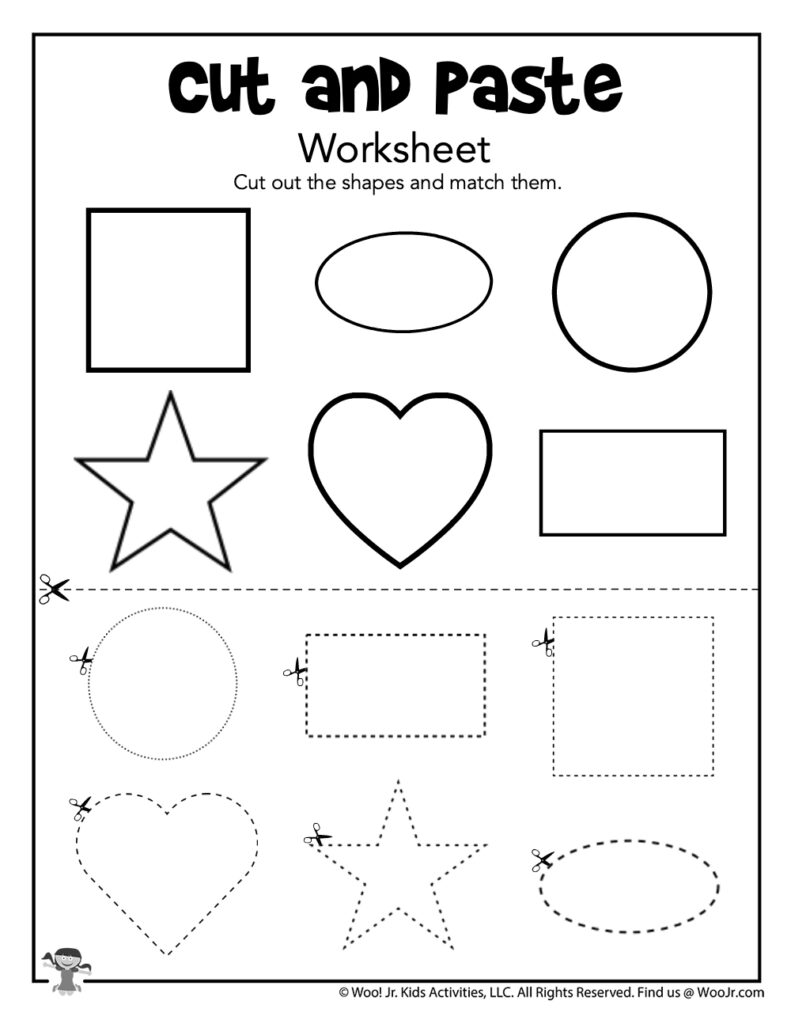
Cut And Paste Shapes Drawing Worksheets
Understanding Cut and Paste Shapes Drawing Worksheets
Cut and Paste Shapes Drawing Worksheets are designed to help children recognize, sort, and create shapes using various materials. These worksheets typically feature outlines of shapes that children can cut out and paste onto different backgrounds or use in creative projects. By engaging in these activities, children can improve their hand-eye coordination and fine motor skills while having fun.
Benefits of Cut and Paste Activities
- Fine Motor Skill Development: Cutting and pasting require precise hand movements, which help strengthen the small muscles in children’s hands.
- Cognitive Skill Enhancement: Identifying and sorting shapes fosters critical thinking and problem-solving abilities.
- Creativity Boost: Children can express themselves artistically by creating unique designs with the shapes they cut out.
- Language Development: Discussing shapes and colors during activities enhances vocabulary and communication skills.
Practical Applications in the Classroom
Incorporating Cut and Paste Shapes Drawing Worksheets into classroom activities can be both educational and enjoyable. Here are some practical applications:
1. Shape Collage Creation
Provide children with a variety of colored paper shapes. After cutting them out, they can arrange the shapes to create a collage. This activity encourages creativity while reinforcing shape recognition.
2. Shape Sorting Games
Create a sorting station where children can cut out different shapes from the worksheets and sort them into groups based on color or type. This activity promotes cognitive skills as they categorize the shapes.
3. Storytelling with Shapes
Encourage children to use their cut-out shapes to create a story or scene. For example, they can use circles for suns, triangles for trees, and squares for houses. This activity combines art with narrative skills.
Adjusting Difficulty Levels
To accommodate varying skill levels among children, consider adjusting the complexity of the worksheets:
- For Beginners: Use larger shapes with clear cutting lines to make it easier for young learners to cut out.
- For Intermediate Learners: Introduce more complex shapes or patterns that require additional cutting skills.
- For Advanced Learners: Challenge them to create their own shapes or designs using smaller pieces.
Home Learning Activities
Cut and Paste Shapes Drawing Worksheets are also excellent resources for home learning. Parents can engage their children in fun educational activities that reinforce what they learn in school:
1. Shape Hunt
Create a scavenger hunt at home where children find objects that match the shapes on their worksheets. After finding them, they can cut out the corresponding shape from the worksheet and paste it next to their found object.
2. Seasonal Crafts
Incorporate seasonal themes by using cut-out shapes to create decorations for holidays or seasons. For example, use hearts for Valentine’s Day or leaves for autumn crafts.
Materials Needed for Cut and Paste Activities
To ensure a successful cut-and-paste experience, gather the following materials:
- Child-safe scissors: Ensure safety while cutting.
- Washable glue sticks: Easy cleanup is essential for young learners.
- Papers of various colors: Bright colors make activities more engaging.
- A clean workspace: Set up a designated area for cutting and pasting to minimize mess.
Tips for Effective Use of Worksheets
To maximize the educational value of Cut and Paste Shapes Drawing Worksheets, consider these tips:
- Model the Activity: Demonstrate how to cut along the lines before allowing children to try it themselves.
- Create a Routine: Incorporate these activities into your daily schedule to build consistency in learning.
- Encourage Discussion: Ask open-ended questions about the shapes they are working with to promote language development.
The Role of Adult Supervision
While engaging in cut-and-paste activities, adult supervision is crucial, especially when using scissors. Adults can assist by pre-cutting complex shapes or guiding younger children through the process. This support not only ensures safety but also enhances learning through guided interaction.
The Importance of Hands-On Learning
The hands-on approach of Cut And Paste Shapes Drawing Worksheets allows children to learn through play. This method fosters a love for learning by making education enjoyable and interactive. By integrating these worksheets into both classroom settings and home learning environments, educators and parents can provide valuable experiences that support children’s development across multiple domains.
If you’re looking for more engaging educational resources, explore our collection of printable worksheets at CutPasteWorksheets.net.
This article highlights how Cut And Paste Shapes Drawing Worksheets serve as an effective tool in early childhood education by promoting fine motor skills, cognitive development, creativity, and language skills through interactive learning experiences.
You can find additional resources on early childhood education at reputable sites like NAEYC (National Association for the Education of Young Children).
Download Cut And Paste Shapes Drawing Worksheets
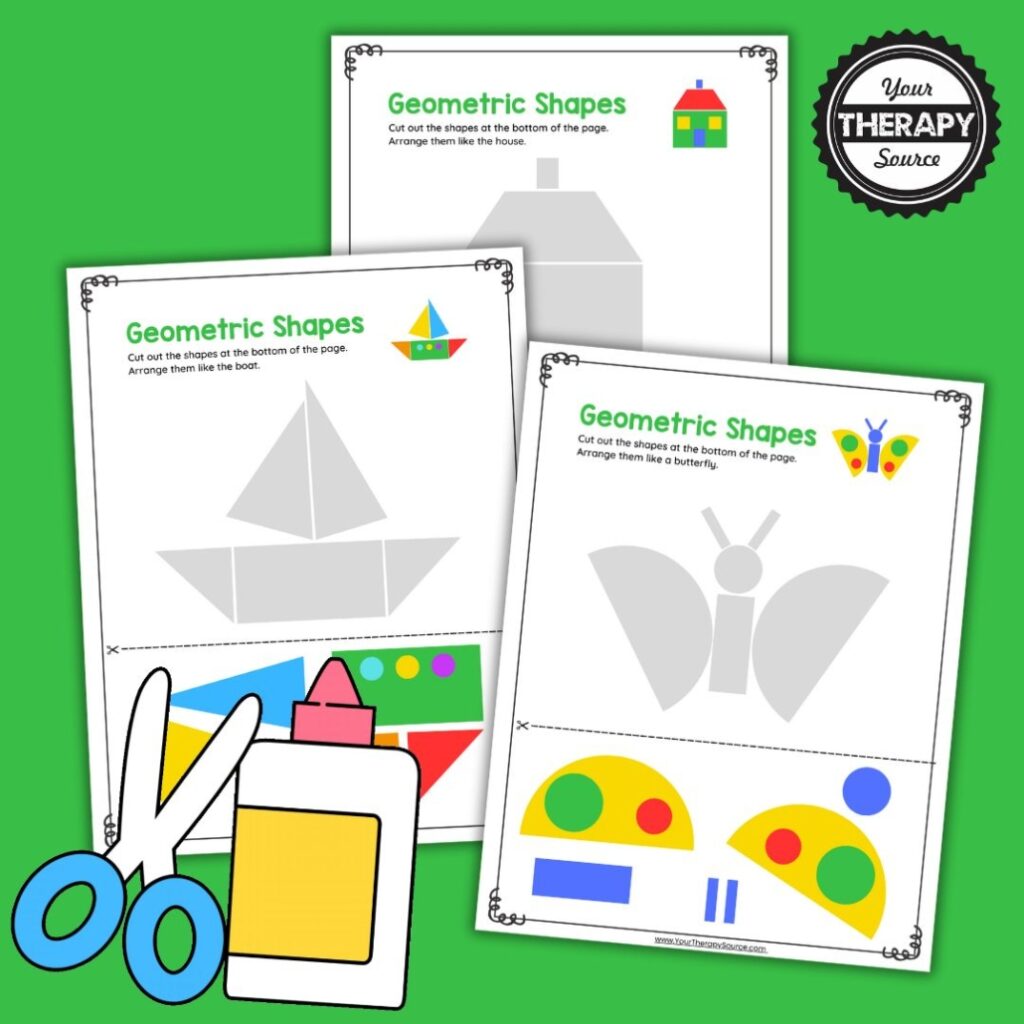
Cut And Paste Shape Worksheets
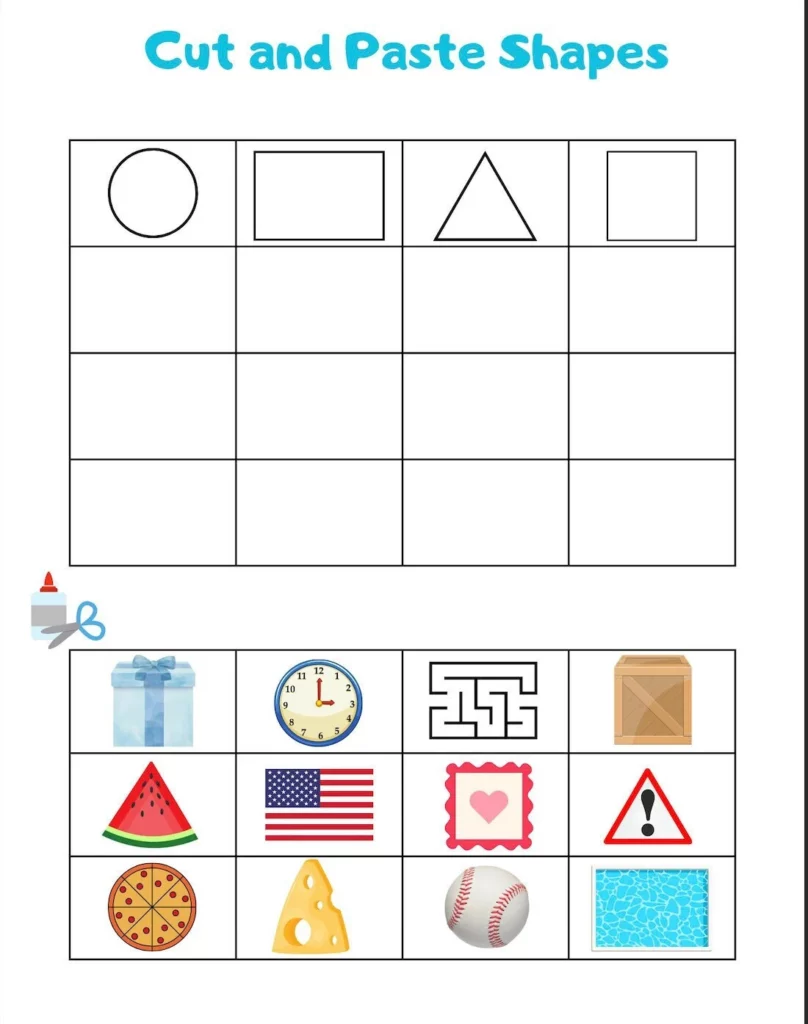
Cut And Paste Shape Worksheet