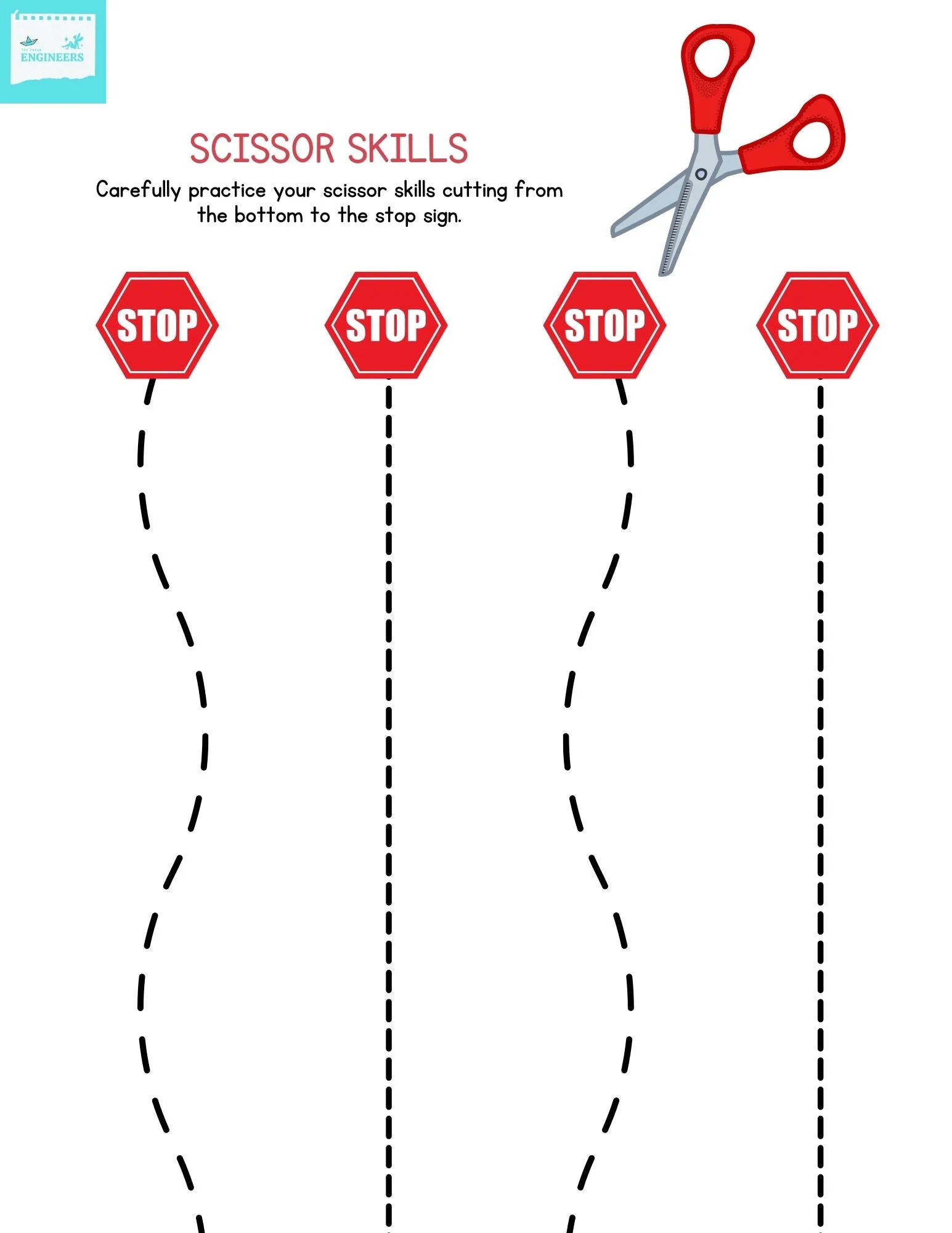
Cutting worksheets for toddlers are an excellent way to promote fine motor skills while making learning fun and engaging. These worksheets not only help children practice their scissor skills but also introduce them to various educational concepts such as shapes, colors, and patterns. In this article, we will explore the benefits of cutting worksheets, provide practical examples, and suggest activities that can be easily implemented at home or in the classroom.
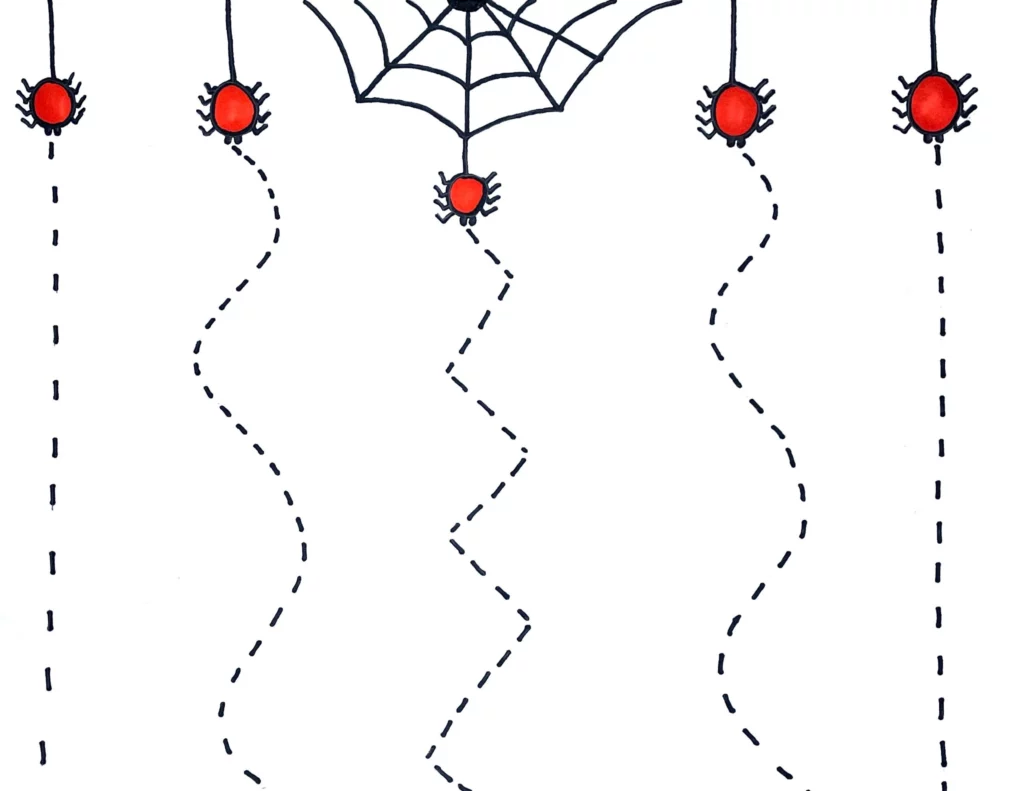
Cutting Worksheets For Toddlers
Benefits of Cutting Worksheets for Toddlers
Cutting worksheets serve multiple educational purposes. They enhance fine motor skills, which are crucial for tasks like writing and self-care. As toddlers cut along lines or around shapes, they develop hand-eye coordination and dexterity. Additionally, these activities foster concentration and patience, as children learn to focus on completing a task.
Types of Cutting Worksheets
There are various types of cutting worksheets designed to cater to different learning objectives:
- Shape Cutting Worksheets: These worksheets feature simple shapes that toddlers can cut out, helping them recognize and name geometric figures.
- Picture Cutting Worksheets: These include images of animals, objects, or characters that children can cut out and use for creative projects.
- Pattern Cutting Worksheets: These worksheets present patterns that toddlers can follow while cutting, enhancing their understanding of sequences.
Practical Activities Using Cutting Worksheets
Incorporating cutting worksheets into daily activities can be both educational and enjoyable. Here are some practical ideas:
1. Shape Recognition Game
Create a game using shape cutting worksheets. After toddlers cut out the shapes, ask them to sort them by color or size. This activity reinforces shape recognition while also introducing sorting skills.
2. Collage Creation
Once children have cut out various pictures from their worksheets, encourage them to create a collage. Provide a large sheet of paper and let them glue their cutouts in any arrangement they like. This promotes creativity and allows for open-ended exploration.
3. Scavenger Hunt
Use picture cutting worksheets as part of a scavenger hunt. Hide the cutouts around the room or yard and give clues to find them. This adds an element of excitement while reinforcing recognition skills.
Fine Motor Skill Development Through Cutting
The act of cutting is a fundamental skill that lays the groundwork for more complex tasks later in life. When toddlers use scissors, they strengthen the small muscles in their hands and fingers. Here are some tips to ensure safe and effective practice:
- Use child-safe scissors designed for small hands.
- Provide supervision during cutting activities to ensure safety.
- Start with thicker paper or cardstock for easier cutting before progressing to thinner sheets.
Adapting Activities for Different Skill Levels
Not all toddlers will have the same level of scissor skills. Here are ways to adapt cutting activities based on individual abilities:
Beginners
For those just starting, provide worksheets with bold lines that are easier to follow. You can also pre-cut some shapes for them to practice gluing onto another sheet.
Intermediate
Toddlers who are more comfortable with scissors can work on worksheets with more intricate designs or patterns. Encourage them to cut along dotted lines or within smaller shapes.
Advanced
For advanced cutters, challenge them with worksheets that require cutting out multiple pieces or creating a 3D project using their cutouts.
Integrating Cutting Worksheets into Daily Learning
Cutting worksheets can be seamlessly integrated into various subjects beyond just fine motor skills:
Early Literacy
Create worksheets that combine cutting with letter recognition. For example, include letters that children can cut out and then use in spelling simple words.
Math Skills
Incorporate counting by having toddlers cut out a specific number of items from their worksheets and then count them aloud together.
Printing Tips for Cutting Worksheets
When preparing cutting worksheets for toddlers, consider the following tips:
- Paper Type: Use standard US Letter paper (8.5 x 11 inches) for easy printing.
- Color vs. Black-and-White: Color printing can make the worksheets more engaging; however, black-and-white versions are cost-effective.
- Cuts Lines: Ensure clear cutting lines are visible to guide toddlers effectively.
Resources for Printable Cutting Worksheets
If you’re looking for high-quality printable cutting worksheets, visit CutPasteWorksheets.net. They offer a variety of resources tailored specifically for early childhood education.
The journey of learning through cutting worksheets is not only beneficial but also enjoyable for toddlers. By incorporating these activities into your teaching strategy, you can foster essential skills while keeping young learners engaged and excited about education.
If you’re interested in exploring more educational activities that enhance fine motor skills and early learning concepts, check out our other resources on early learning activities.
Download Cutting Worksheets For Toddlers
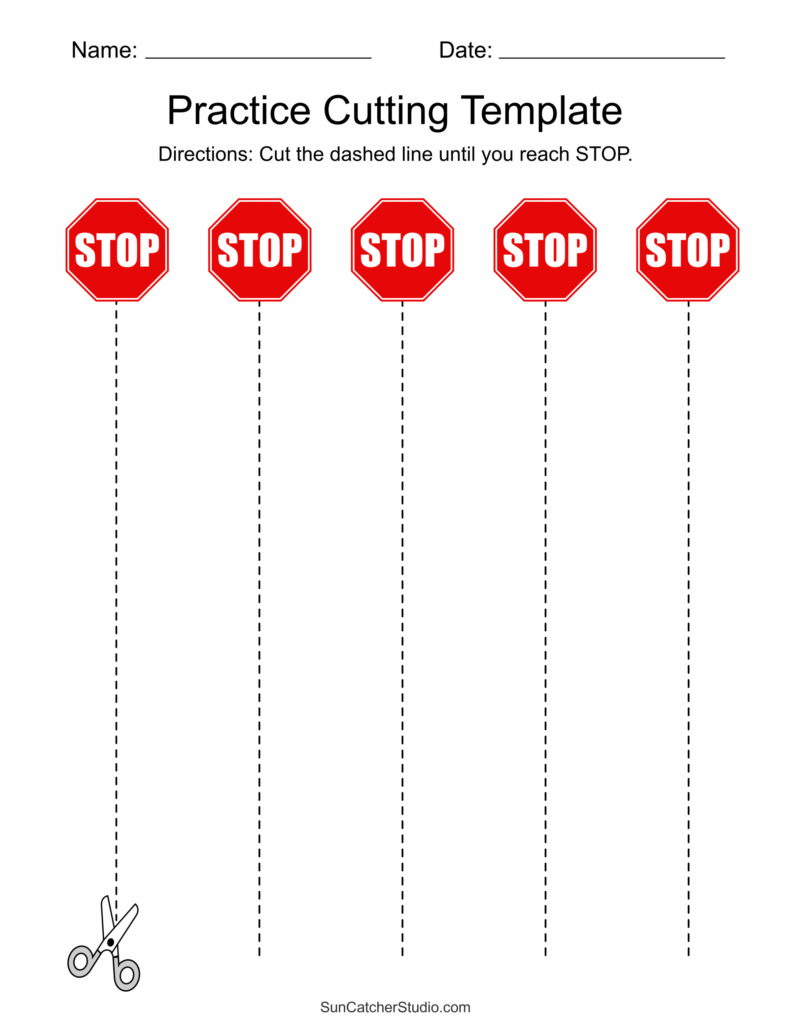
Cutting Worksheets
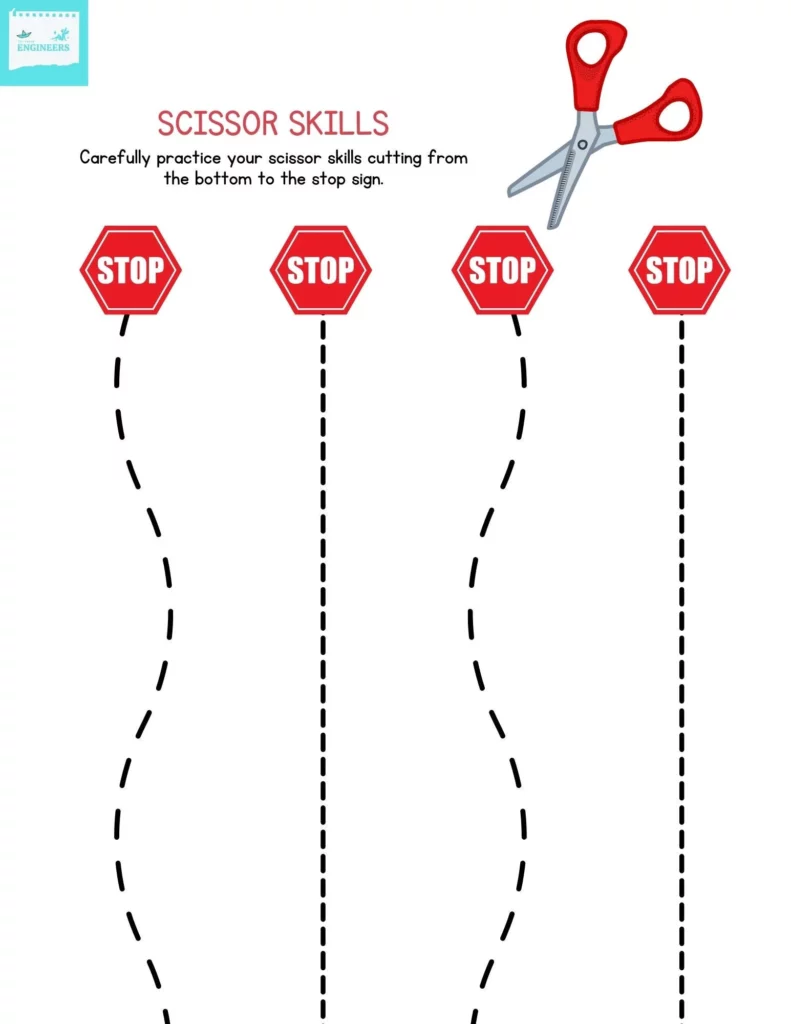
Scissor Skills Cutting Worksheet For