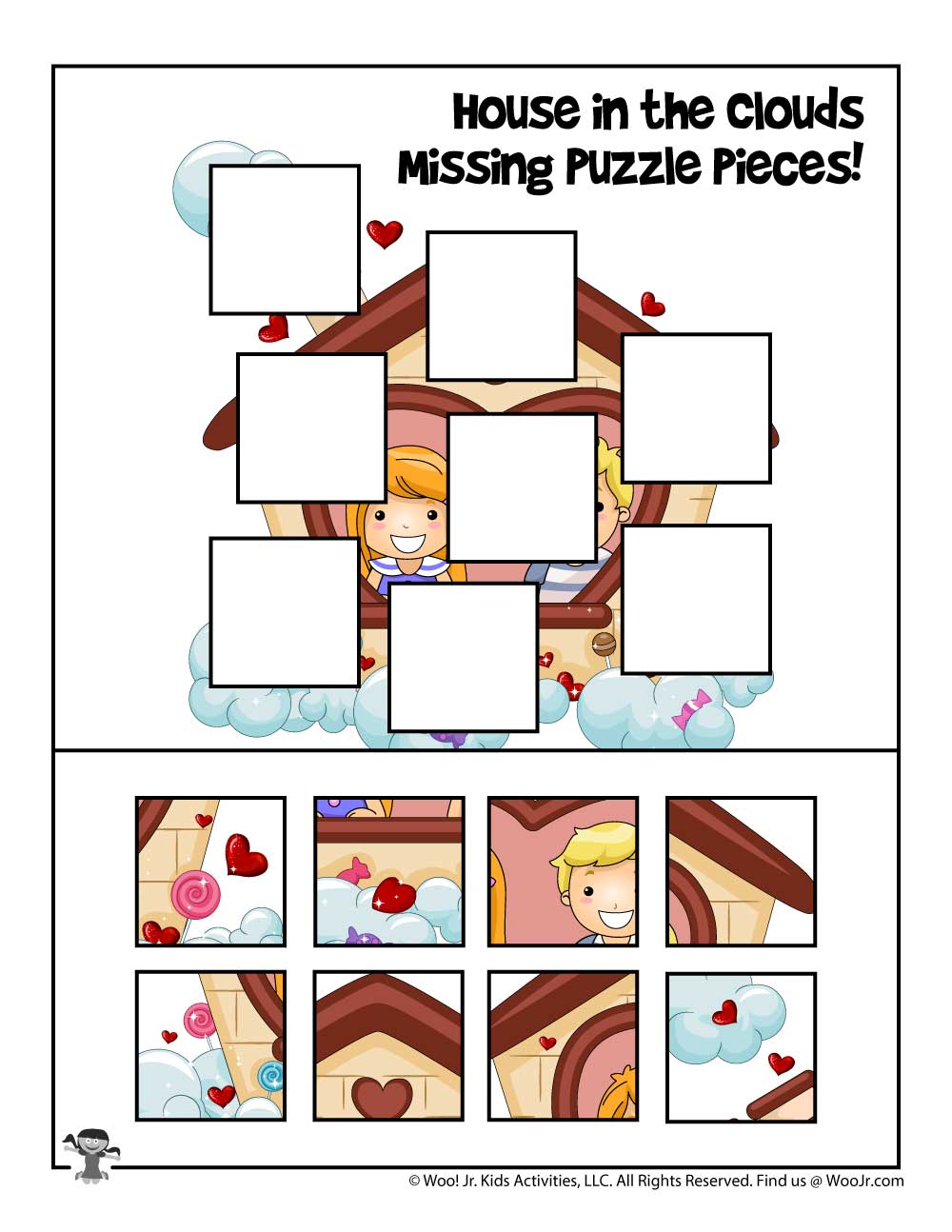
Cut and paste puzzles for kids are an engaging way to enhance fine motor skills, cognitive development, and creativity in young learners. These activities not only provide a fun hands-on experience but also help children develop essential skills such as sorting, matching, and problem-solving. In this article, we will explore various cut and paste puzzles suitable for preschool and kindergarten-aged children, along with practical tips for implementation at home or in the classroom.
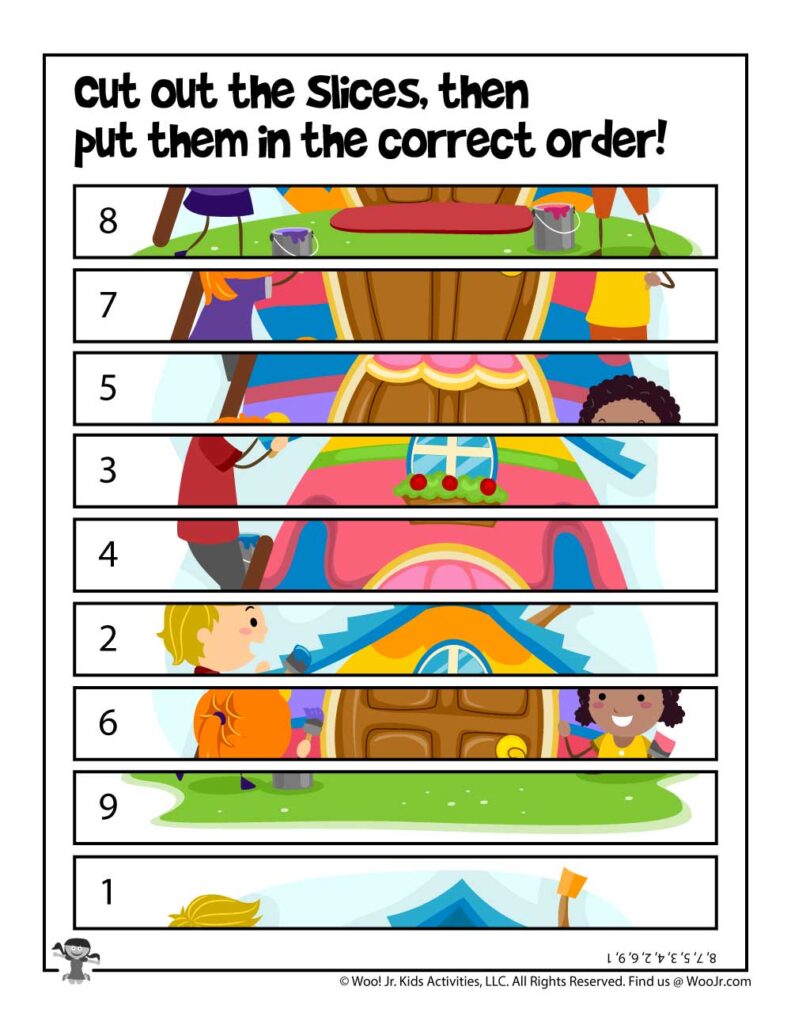
Cut And Paste Puzzles For Kids
Benefits of Cut and Paste Puzzles
Cut and paste puzzles offer numerous educational benefits. They encourage children to use scissors safely, which promotes fine motor skill development. As children manipulate different pieces, they also enhance their hand-eye coordination. Additionally, these activities foster critical thinking as kids figure out how to assemble the puzzles correctly.
Types of Cut and Paste Puzzles
There are various types of cut and paste puzzles that cater to different learning objectives:
- Shape Matching Puzzles: Children cut out shapes and match them to corresponding outlines.
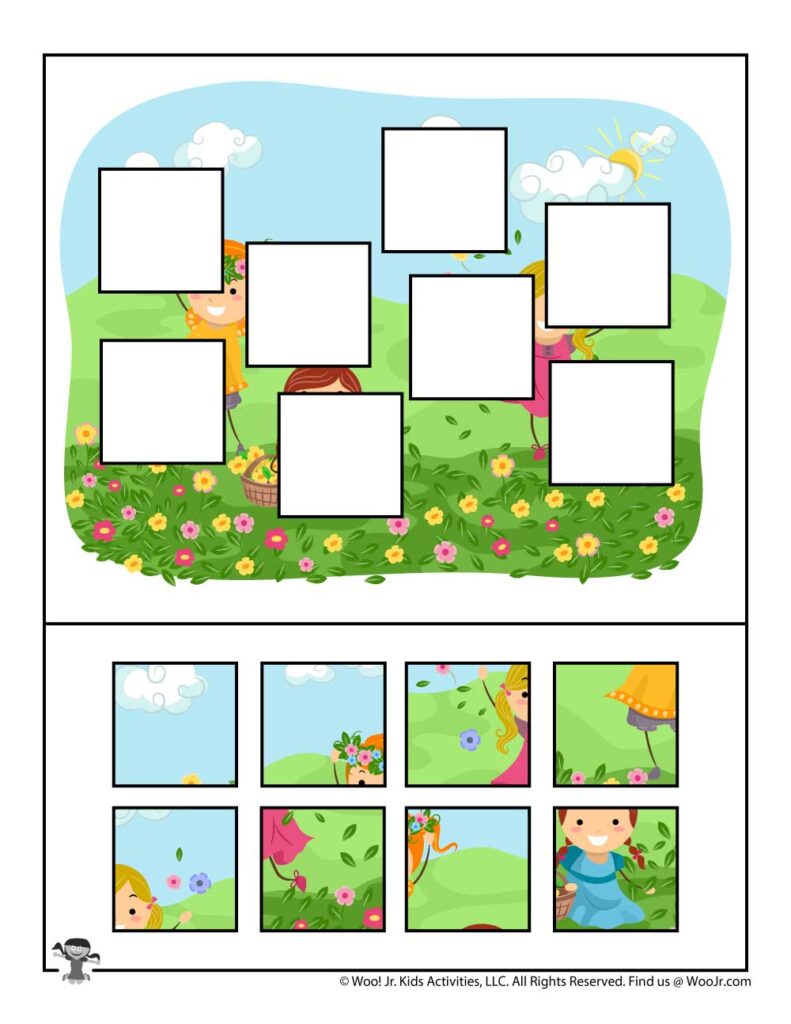
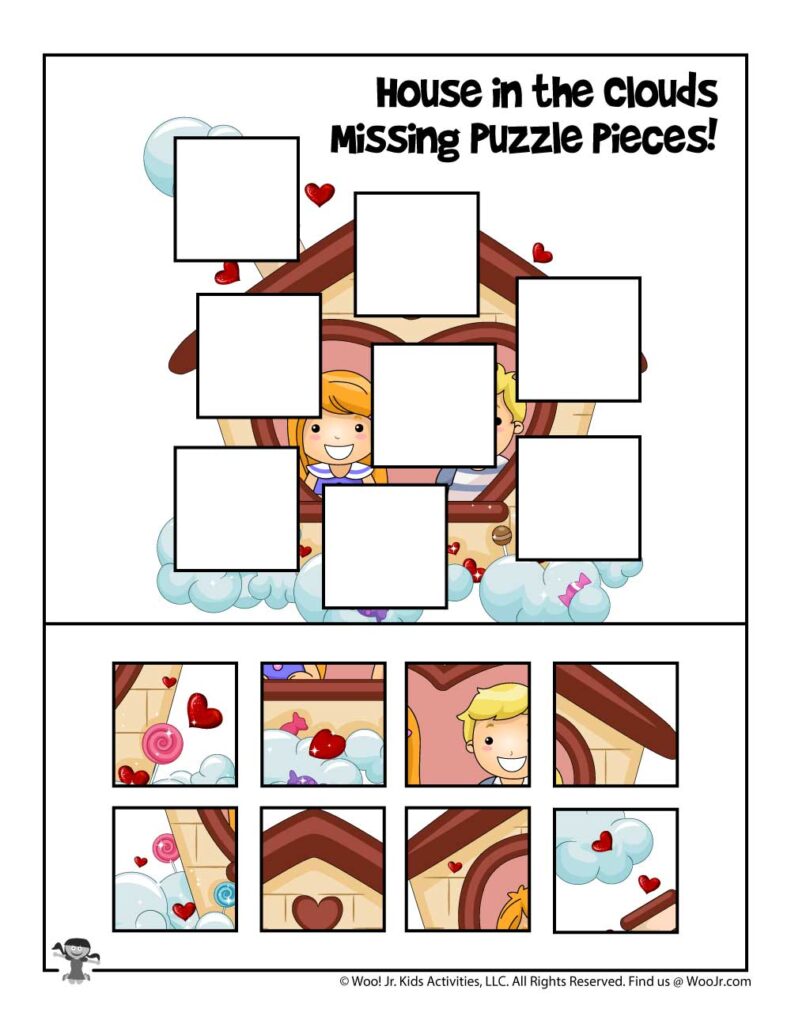
- Picture Puzzles: Kids cut images into pieces and reassemble them to form a complete picture.
- Story Sequencing Puzzles: Children arrange cut-out images in the correct order to tell a story.
- Alphabet Puzzles: Kids match letters with corresponding objects or pictures that start with that letter.
Implementing Cut and Paste Activities
To effectively implement cut and paste puzzles, consider the following steps:
- Select Age-Appropriate Materials: Choose puzzles that match the developmental level of your child or students. For younger children, opt for larger pieces that are easier to handle.
- Prepare the Workspace: Set up a clean, organized area with all necessary materials including scissors, glue sticks, and printed worksheets.
- Demonstrate Techniques: Show children how to use scissors safely and how to apply glue properly. Supervise them closely during cutting activities.
- Encourage Creativity: Allow children to decorate their puzzles with crayons or stickers after completing them for added fun.
Fine Motor Skill Development Through Puzzles
The act of cutting and pasting is crucial for developing fine motor skills in young children. As they practice using scissors, they strengthen their grip and improve dexterity. Here are some tips to enhance fine motor skill development through cut and paste puzzles:
- Use Child-Safe Scissors: Ensure that children use scissors designed for their age group to promote safety while learning.
- Incorporate Various Textures: Use different types of paper (e.g., construction paper, tissue paper) to provide sensory experiences during cutting.
- Create Multi-Step Projects: Introduce projects that require multiple steps, such as cutting out pieces first and then assembling them later.
Cognitive Skills Enhancement
Cognitive skills such as problem-solving and critical thinking can be enhanced through cut and paste puzzles. Here’s how you can integrate these skills into your activities:
- Puzzle Completion Challenges: Encourage children to complete puzzles within a time limit or challenge them to create their own designs using the cut pieces.
- Discussion Questions: After completing a puzzle, ask open-ended questions about the images or shapes used. This promotes language development alongside cognitive skills.
Seasonal Cut and Paste Activities
Themed cut and paste puzzles can make learning more engaging. Consider incorporating seasonal themes into your activities:
- Fall Leaves Puzzle: Children can cut out leaf shapes in various colors and create a collage representing autumn.
- Winter Snowman Puzzle: Provide pieces for children to assemble their own snowman with accessories like hats and scarves.
- Spring Flowers Puzzle: Kids can create a garden scene by cutting out different flower shapes and arranging them on a worksheet.
Home Learning Tips for Parents
If you’re looking to incorporate cut and paste puzzles at home, here are some practical tips:
- Create a Learning Corner: Designate a specific area in your home for arts and crafts where all materials are easily accessible.
- Simplify Tasks: For younger children, consider pre-cutting complex shapes or providing templates they can trace before cutting.
- Sustain Engagement: Rotate the types of puzzles offered regularly to keep your child interested in new challenges.
Puzzle Resources for Educators
If you’re an educator looking for additional resources on cut and paste puzzles, consider visiting reputable educational websites such as NAEYC. They offer valuable insights into early childhood education practices that can complement your teaching strategies.
Cultivating an environment where children can explore through cut and paste puzzles not only makes learning enjoyable but also lays the foundation for essential skills they will use throughout their education. By integrating these activities into daily routines at home or in the classroom, you can foster creativity while supporting fine motor development in young learners.
If you’re interested in more printable worksheets tailored for preschool education, check out our collection at CutPasteWorksheets.net.
Download Cut And Paste Puzzles For Kids
Cut And Paste Puzzles For Kids
Valentines Cut And Paste Puzzles