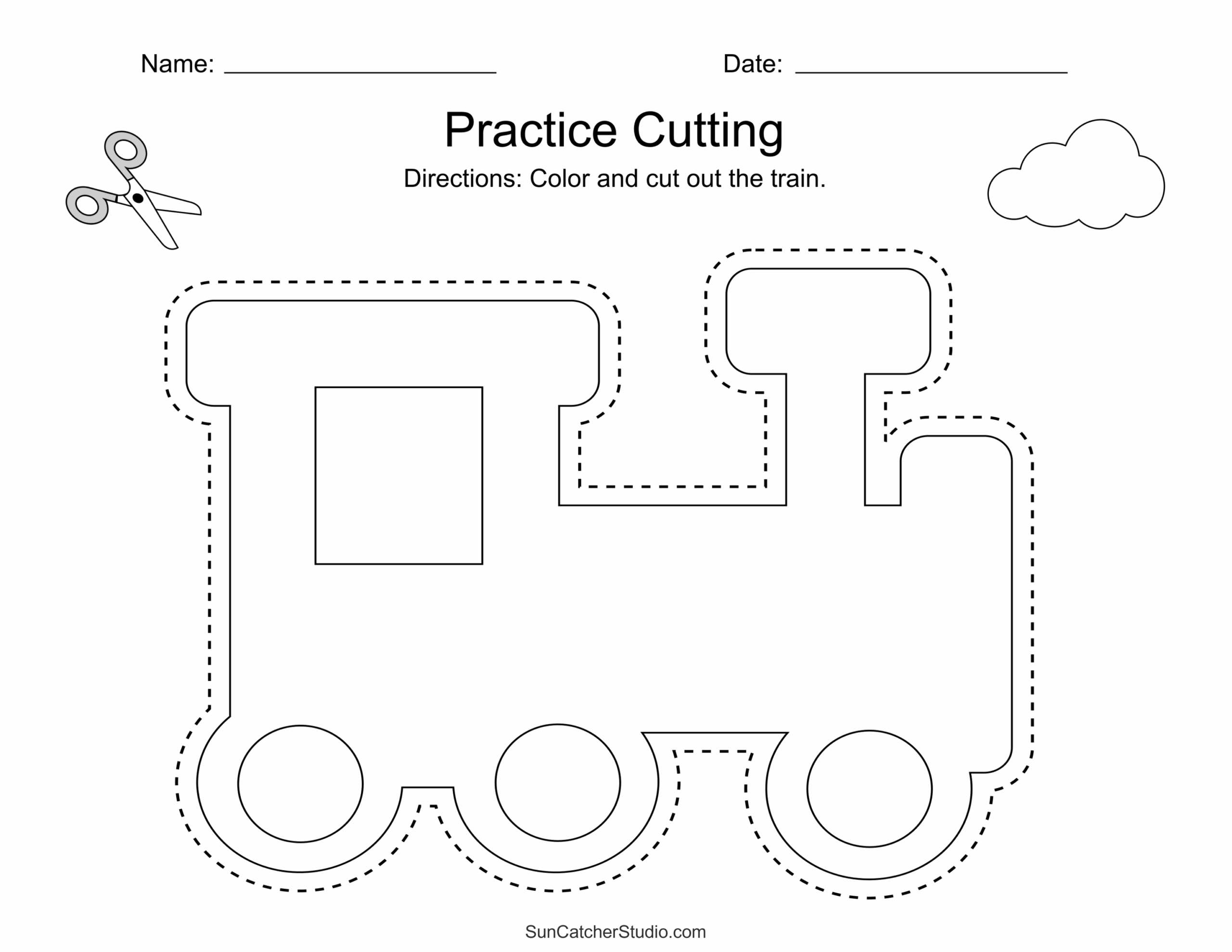
Cutting exercises for Grade 1 are essential for developing fine motor skills and enhancing hand-eye coordination. These activities not only engage young learners but also provide a foundation for future academic success. By incorporating fun and interactive cutting tasks into the curriculum, educators can foster creativity and improve dexterity in children. This article explores various cutting exercises tailored for Grade 1 students, offering practical applications and engaging ideas for both classroom and home settings.
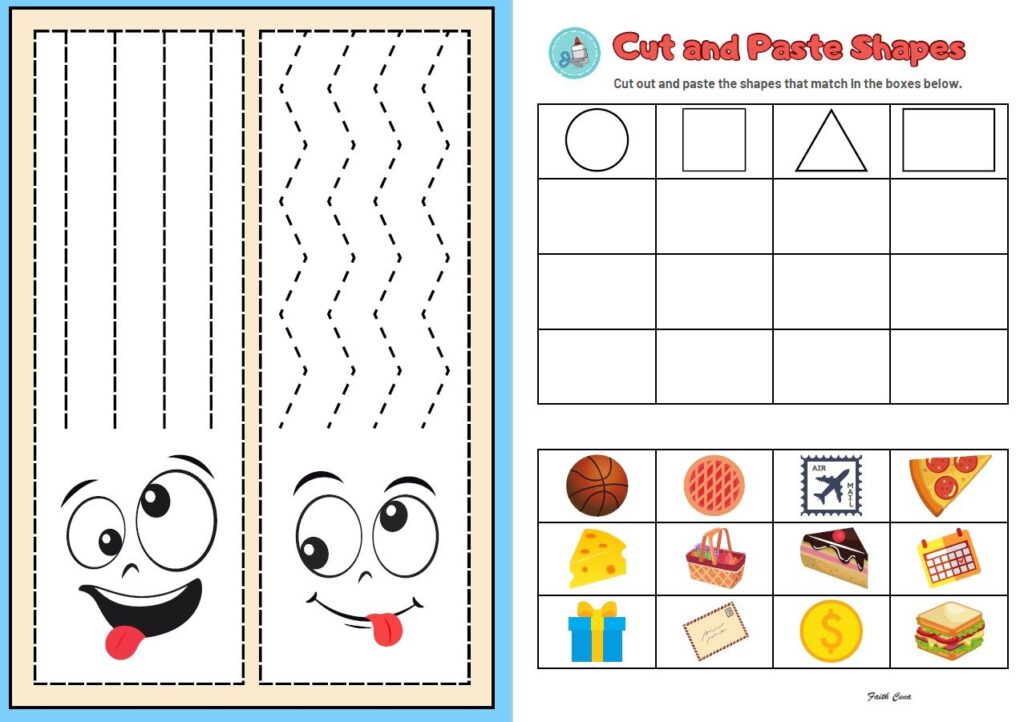
Cutting Exercises For Grade 1
Understanding the Importance of Cutting Exercises
Cutting exercises play a crucial role in early childhood education. They help children develop fine motor skills, which are vital for tasks such as writing, drawing, and self-care. Engaging in cutting activities allows students to practice grip strength, control, and precision. Moreover, these exercises can enhance cognitive skills by encouraging focus and concentration.
Fun Cutting Activities for Grade 1
Here are some enjoyable cutting activities that can be easily integrated into the classroom or at home:
- Paper Collage: Provide students with various colored papers and let them cut out shapes to create a collage. This activity encourages creativity while practicing cutting skills.
- Scissor Skills Worksheets: Use printable worksheets that feature clear cutting lines. Students can practice following the lines to improve their accuracy.
- Seasonal Crafts: Incorporate seasonal themes by having students cut out shapes related to holidays or seasons, such as leaves in autumn or snowflakes in winter.
- Storybook Characters: Have students cut out images of their favorite storybook characters from magazines or printed sheets to create a character collage.
Materials Needed for Cutting Exercises
To ensure a successful cutting experience, gather the following materials:
- Child-safe scissors: Choose scissors designed for young children to ensure safety.
- Colorful paper: Use various types of paper, including construction paper and patterned paper.
- Glue sticks: For assembling cut pieces into creative projects.
- Pencil or marker: To draw cutting lines on blank sheets if needed.
Adjusting Difficulty Levels
It’s important to tailor cutting exercises to meet the varying skill levels of Grade 1 students. Here are some strategies to adjust difficulty:
- Simpler Shapes: Start with basic shapes like circles and squares before progressing to more complex designs.
- Larger Cutting Lines: Use worksheets with wider cutting lines for beginners to build confidence.
- Pre-cut Pieces: For students who struggle with cutting, provide pre-cut pieces that they can assemble instead.
Cognitive Development Through Cutting Exercises
Cutting activities not only enhance fine motor skills but also support cognitive development. As children cut shapes, they learn about spatial awareness and improve their ability to follow directions. Additionally, these exercises can be linked to math concepts such as sorting and matching. For example, after cutting out different shapes, students can categorize them by color or size.
Integrating Math with Cutting Activities
You can combine math learning with cutting exercises by incorporating counting activities. After students cut out shapes, ask them to count how many of each shape they have. This reinforces counting skills while making the activity more engaging.
Home Learning Activities
Parents can also support their child’s learning at home with simple cutting exercises. Here are some ideas:
- Create a Cutting Book: Compile a book of various cutting tasks that children can complete at their own pace.
- Cutting Recipes: Involve children in cooking by having them cut out ingredients from printed recipes or food magazines.
- Family Art Projects: Encourage family members to participate in collaborative art projects that involve cutting and pasting.
The Role of Supervision in Cutting Activities
While engaging in cutting exercises, adult supervision is crucial to ensure safety. Always remind children about proper scissor handling techniques and encourage them to work carefully. Additionally, consider using washable glue sticks instead of liquid glue for easier cleanup during craft projects.
Printable Resources for Cutting Exercises
If you’re looking for structured worksheets that focus on cutting skills, consider exploring resources available on CutPasteWorksheets.net. These printable worksheets offer clear guidelines and fun themes that make learning enjoyable for Grade 1 students.
Conclusion
Cutting exercises for Grade 1 are an excellent way to develop fine motor skills while making learning fun and interactive. By incorporating various activities into your teaching methods, you can foster creativity and enhance cognitive abilities in young learners. Whether in the classroom or at home, these engaging tasks will provide children with the necessary tools to succeed academically and develop essential life skills.
Explore more cutting exercises here!
Download Cutting Exercises For Grade 1
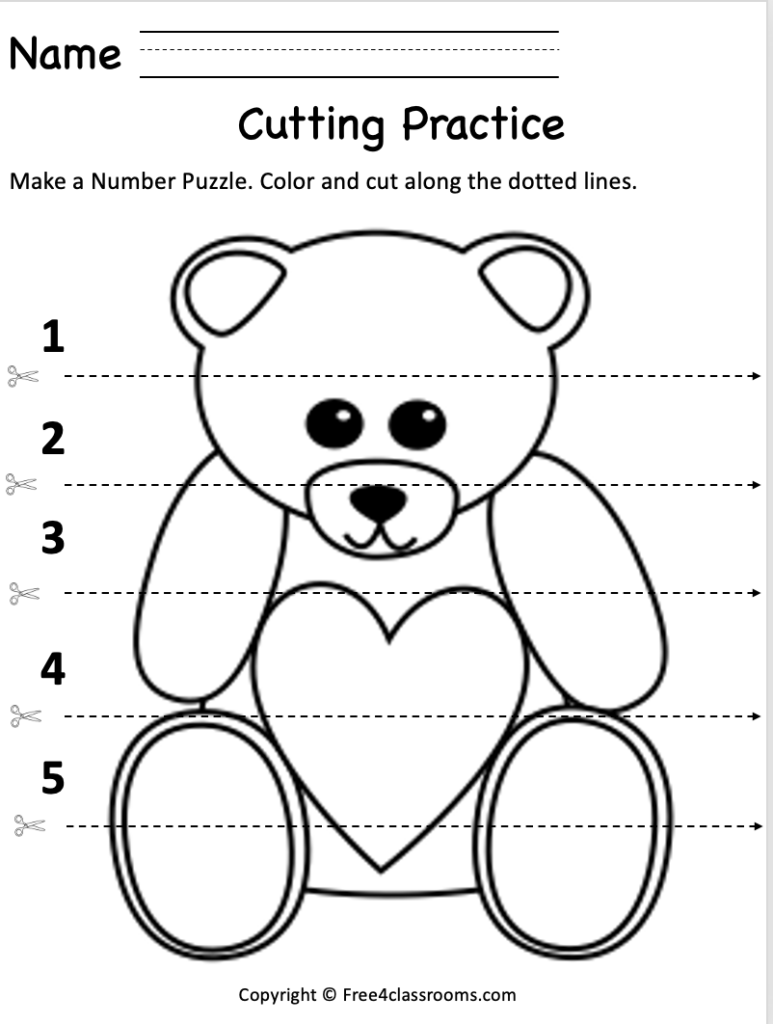
Free Cutting Practice Worksheet Fine Motor Skills Printable
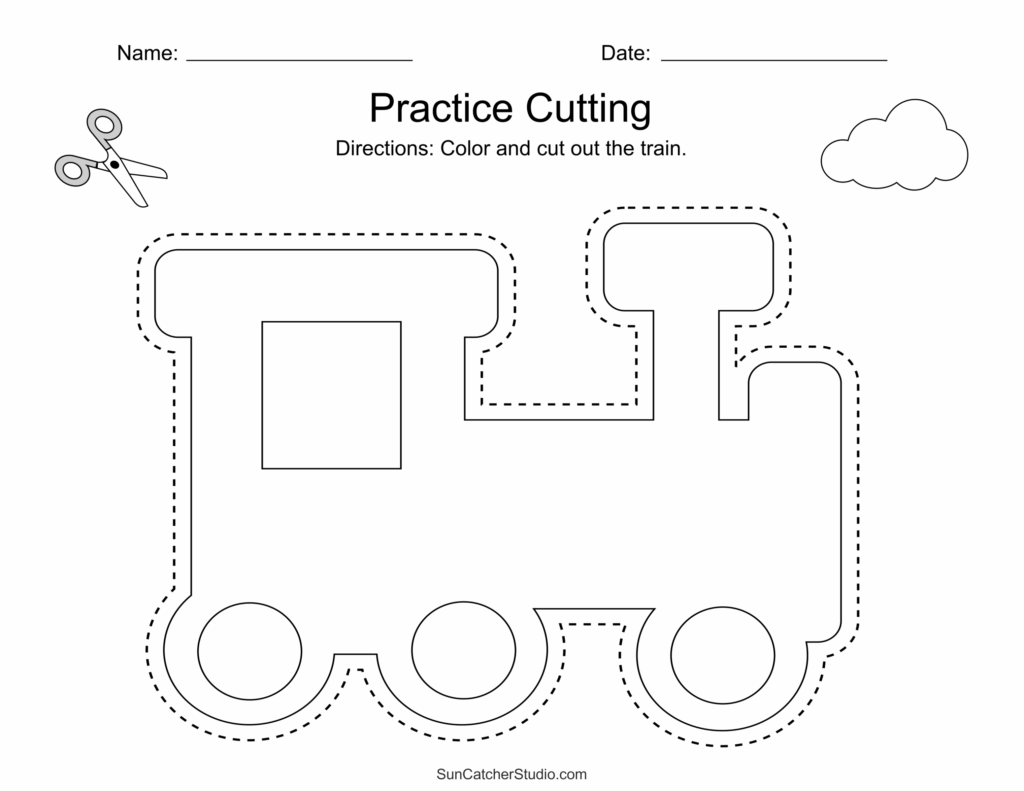
Cutting Worksheets