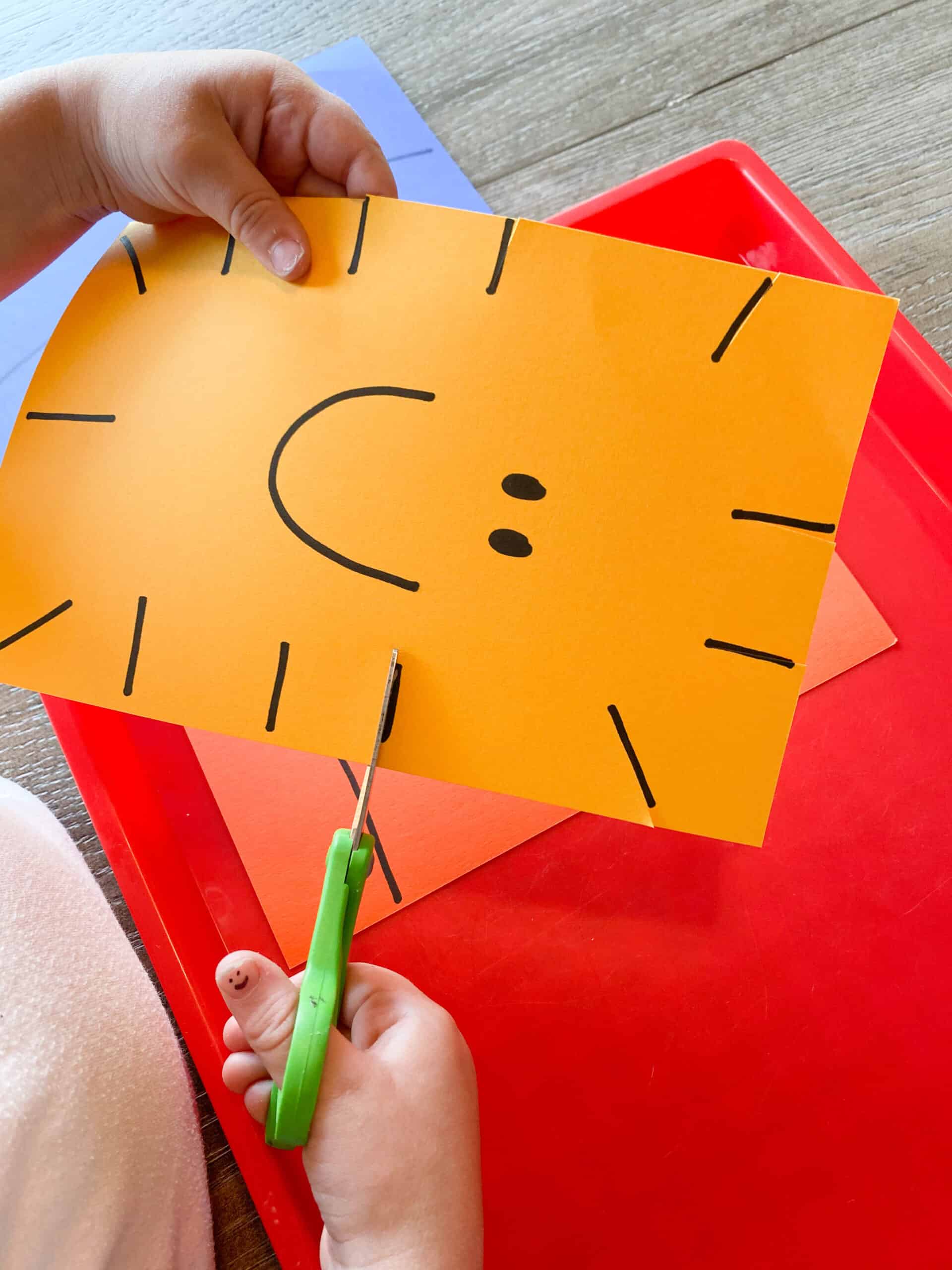
Engaging young learners in paper cutting activities for kindergarten can significantly enhance their fine motor skills while making learning fun. These activities not only promote creativity but also help children develop essential skills such as hand-eye coordination and concentration. In this article, we will explore various paper cutting activities that are perfect for kindergarteners, providing practical examples and tips for educators and parents alike.
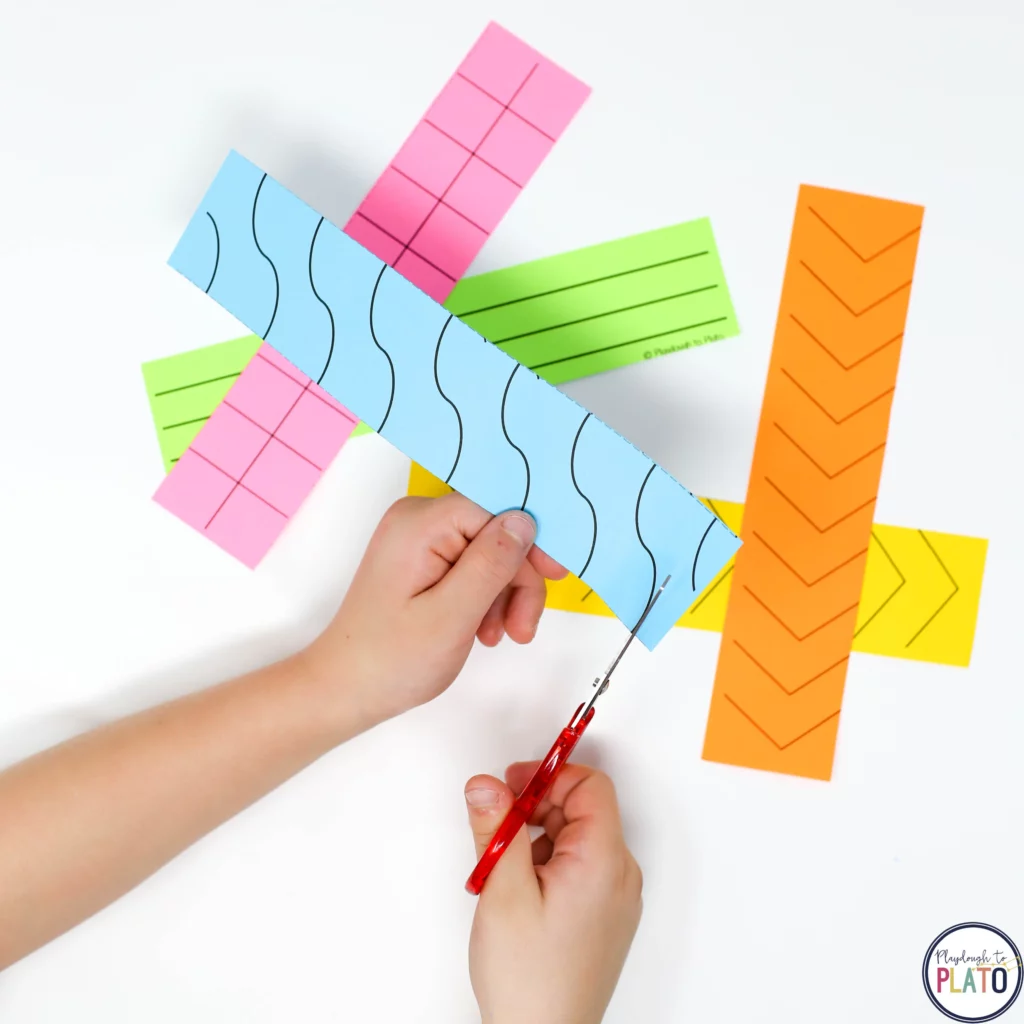
Paper Cutting Activities For Kindergarten
Benefits of Paper Cutting Activities
Paper cutting activities offer numerous benefits for young children. They help in:
- Fine Motor Skill Development: Cutting paper requires precision and control, which strengthens the small muscles in a child’s hands.
- Creativity and Imagination: Children can create unique designs, fostering their artistic expression.
- Focus and Concentration: Engaging in cutting tasks helps improve attention spans as children learn to concentrate on their work.
Essential Materials for Paper Cutting Activities
Before starting paper cutting activities, gather the following materials:
- Child-safe scissors: Ensure that the scissors are appropriate for young children to use safely.
- Colorful paper: Use various colors and textures to make the activity more engaging.
- Glue sticks: For pasting cutouts onto other surfaces.
- Templates: Pre-drawn shapes or patterns can guide children in their cutting tasks.
Simple Paper Cutting Activities for Kindergarten
1. Shape Cutting Practice
Create templates of basic shapes such as circles, squares, and triangles. Have children practice cutting along the lines. This activity helps them learn about different shapes while improving their cutting skills.
2. Seasonal Crafts
Incorporate seasonal themes into your paper cutting activities. For example, during autumn, children can cut out leaf shapes from colored paper. They can then glue these leaves onto a larger sheet to create a fall scene. This not only enhances their cutting skills but also teaches them about seasons.
3. Collage Making
Provide children with various cutouts from magazines or colored paper. Encourage them to create a collage by gluing these pieces onto a blank sheet. This activity promotes creativity and allows them to express themselves artistically while practicing their cutting skills.
Differentiating Activities for Various Skill Levels
Recognize that children develop at different rates. Here are some ways to differentiate paper cutting activities:
- Beginners: Provide pre-cut shapes or thicker paper for easier handling.
- Intermediate: Introduce more complex shapes or patterns for children who are ready for a challenge.
- Advanced: Encourage freehand cutting where children create their own designs without templates.
Integrating Learning with Paper Cutting Activities
You can incorporate various subjects into your paper cutting activities:
- Math: Use cutouts to teach counting or sorting by color and shape.
- Literacy: Create letters or words from cut paper to enhance letter recognition and spelling skills.
- Cognitive Skills: Ask questions about the shapes they are cutting or the colors they are using to promote critical thinking.
Tips for Successful Paper Cutting Activities
To ensure a smooth experience during paper cutting activities, consider the following tips:
- Create a Safe Environment: Always supervise children when using scissors and ensure they have enough space to work safely.
- Pace the Activity: Allow children to work at their own speed, providing assistance when needed without rushing them.
- Cleansing the Workspace: Keep a clean area for cutting and gluing to minimize distractions and messes.
The Role of Parents and Educators
The involvement of parents and educators is crucial in facilitating effective paper cutting activities. Here are some strategies they can employ:
- Create a Routine: Incorporate regular cutting sessions into daily activities to reinforce skills over time.
- Encourage Exploration: Allow children to experiment with different materials and techniques during their cutting projects.
- Praise Efforts: Celebrate children’s achievements, no matter how small, to boost their confidence and motivation.
Conclusion: Embracing Hands-On Learning
Paper cutting activities for kindergarten provide an excellent opportunity for hands-on learning that supports fine motor development, creativity, and cognitive skills. By integrating these engaging tasks into your teaching practices, you can foster an environment where young learners thrive through exploration and play. For more resources on early childhood education, visit CutPasteWorksheets.net.
If you’re looking for additional ideas on hands-on learning experiences, check out our collection of printable worksheets designed specifically for preschoolers and kindergarteners!
Download Paper Cutting Activities For Kindergarten
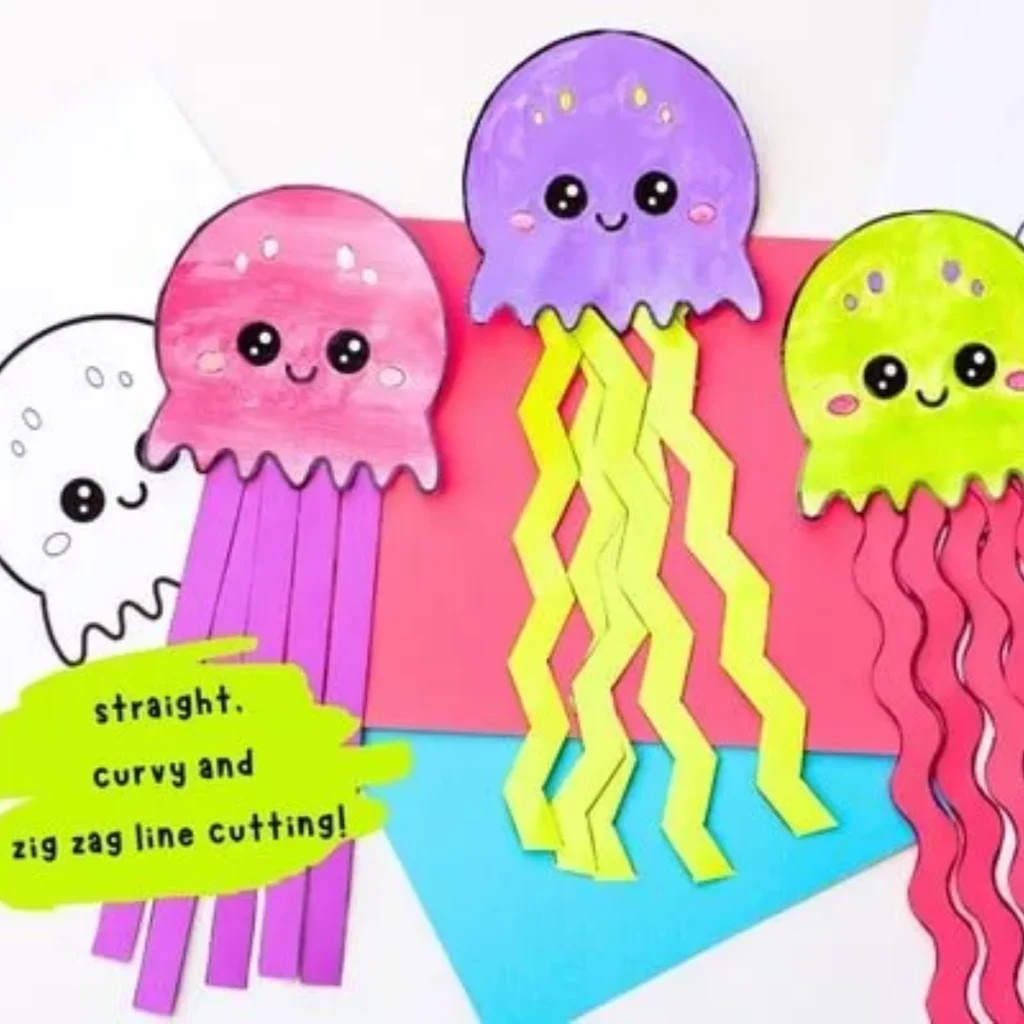
Cutting Practice For Preschoolers
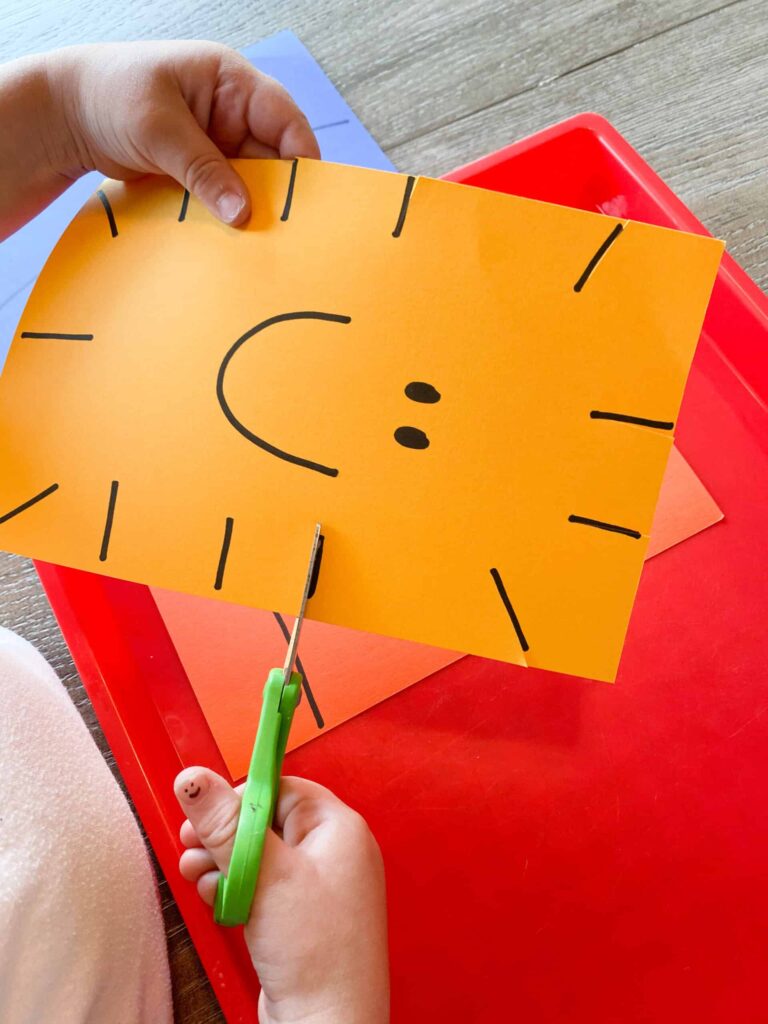
Simple Cutting Tray Preschool Scissor Skills Activity