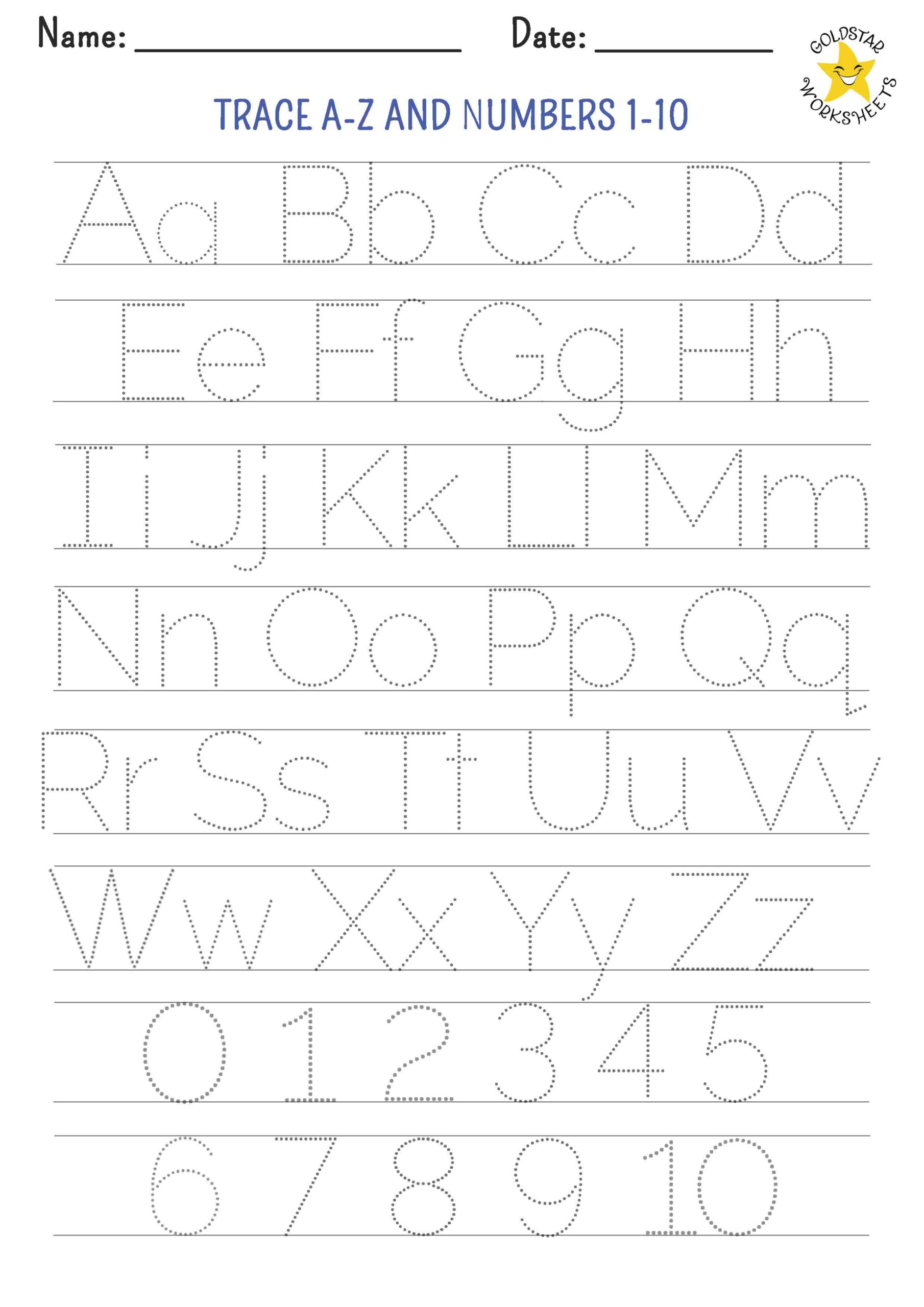
Introducing preschoolers to the world of letters is an exciting journey, and a Letter Tracing Worksheet Preschool can be a valuable tool in this process. These worksheets not only help children learn to recognize letters but also develop their fine motor skills through tracing activities. Engaging with letters in a hands-on way fosters early literacy and prepares young learners for future reading and writing success.
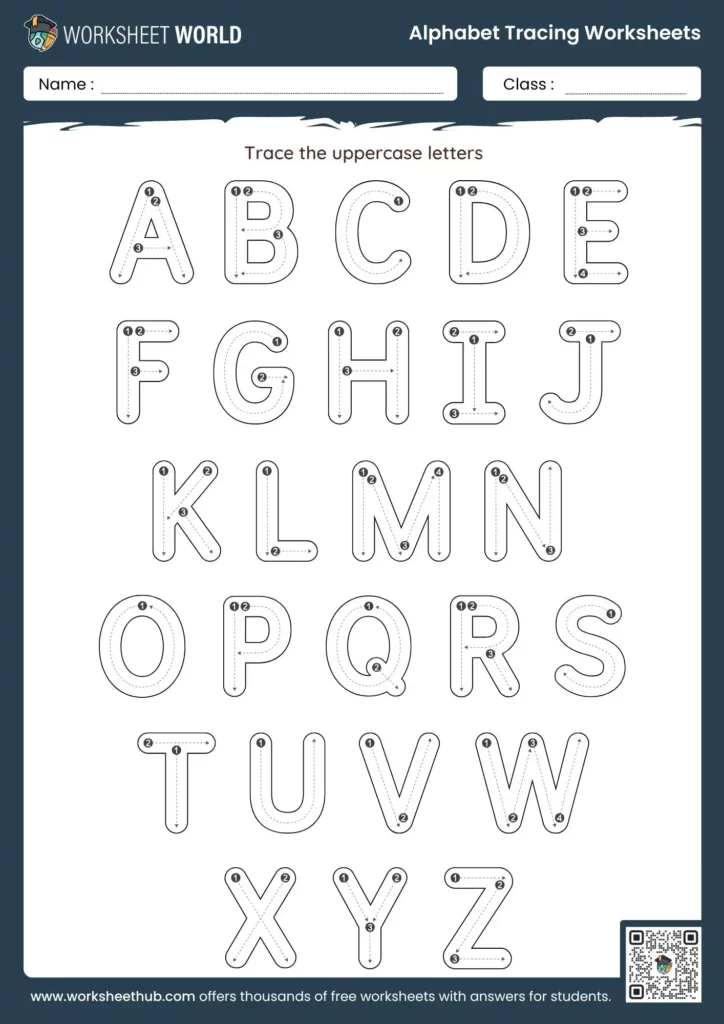
Letter Tracing Worksheet Preschool
Understanding the Importance of Letter Tracing
Letter tracing worksheets are designed to enhance children’s writing skills by allowing them to practice forming letters correctly. This activity is essential for preschoolers as it builds the foundation for handwriting. By tracing letters, children learn the proper strokes and shapes, which helps them gain confidence in their writing abilities.
Benefits of Using Letter Tracing Worksheets
- Fine Motor Skill Development: Tracing letters requires control and precision, which strengthens hand muscles and improves coordination.
- Letter Recognition: Repeated exposure to letters through tracing helps children recognize them in different contexts.
- Cognitive Skills: Engaging with letters enhances memory and cognitive processing as children learn to associate sounds with symbols.
- Confidence Building: Mastering letter formation boosts self-esteem and encourages children to express themselves through writing.
How to Use Letter Tracing Worksheets Effectively
To maximize the benefits of letter tracing worksheets, consider the following strategies:
- Create a Routine: Incorporate tracing activities into daily learning routines to establish consistency.
- Use Various Materials: Encourage children to trace letters using different mediums such as sand, finger paint, or chalk for a multisensory experience.
- Provide Positive Feedback: Celebrate small achievements to motivate children and reinforce their efforts.
Hands-On Activities to Complement Letter Tracing
In addition to worksheets, hands-on activities can enhance letter learning. Here are some engaging ideas:
- Letter Crafts: Create crafts that start with specific letters. For example, make an “A” out of apple cutouts or a “B” using buttons.
- Sensory Bins: Fill bins with rice or beans and hide letter-shaped objects for children to find and trace with their fingers.
- Outdoor Tracing: Use sidewalk chalk to trace letters on pavement, combining physical activity with learning.
Differentiating Instruction for Diverse Learners
Every child learns at their own pace. Here are ways to differentiate instruction when using letter tracing worksheets:
- Pre-Cut Letters: For younger or less confident learners, provide pre-cut letter shapes for them to trace around instead of traditional worksheets.
- Color-Coded Tracing: Use different colors for each stroke of the letter to help guide children in forming them correctly.
- Pencil Grips: Offer pencil grips or adaptive tools for children who may struggle with holding writing instruments.
The Role of Parents in Letter Tracing Activities
Parents play a crucial role in supporting their child’s literacy development. Here are some ways they can get involved:
- Create a Learning Space: Designate a quiet area at home where children can focus on tracing activities without distractions.
- Engage in Conversations: Discuss the letters being traced and encourage children to think of words that start with those letters.
- Model Writing: Show children how you write letters and words, emphasizing the importance of neatness and clarity.
Printable Resources for Letter Tracing Worksheets
You can find a variety of printable letter tracing worksheets tailored for preschoolers at CutPasteWorksheets.net. These resources are designed to be user-friendly and engaging, ensuring that young learners stay motivated while practicing their writing skills. Consider printing these worksheets on US Letter paper for optimal use in both classroom and home settings.
The Future of Learning Through Letter Tracing
The journey of learning letters through tracing is just the beginning. As preschoolers master these foundational skills, they will be better prepared for more complex literacy tasks ahead. By integrating fun activities, supportive environments, and effective resources like letter tracing worksheets, we can foster a love for learning that lasts a lifetime.
If you’re looking for more engaging educational resources, check out our collection of printable cut and paste activities that complement letter tracing perfectly!
This article aims to provide practical insights into using letter tracing worksheets effectively while promoting early literacy skills among preschoolers. By incorporating these strategies into your teaching approach, you can create an enriching learning experience that supports children’s growth and development.
If you’re interested in exploring further educational resources related to early childhood learning, visit reputable organizations such as the National Association for the Education of Young Children (NAEYC), which offers valuable insights into best practices in early education.
Download Letter Tracing Worksheet Preschool
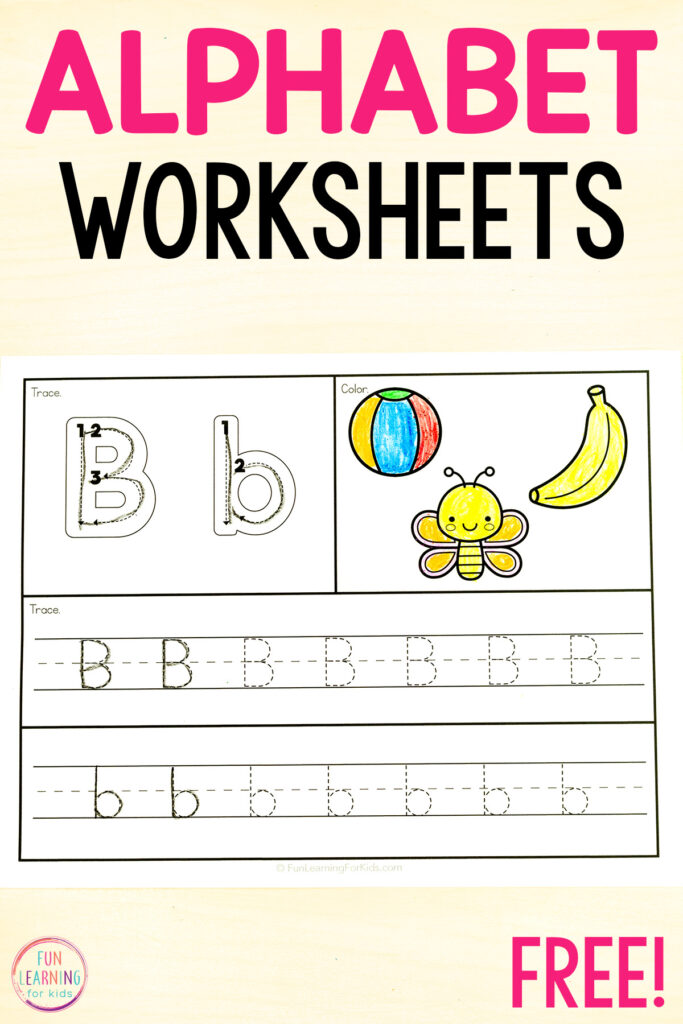
Alphabet Beginning Sounds Letter Tracing Worksheets
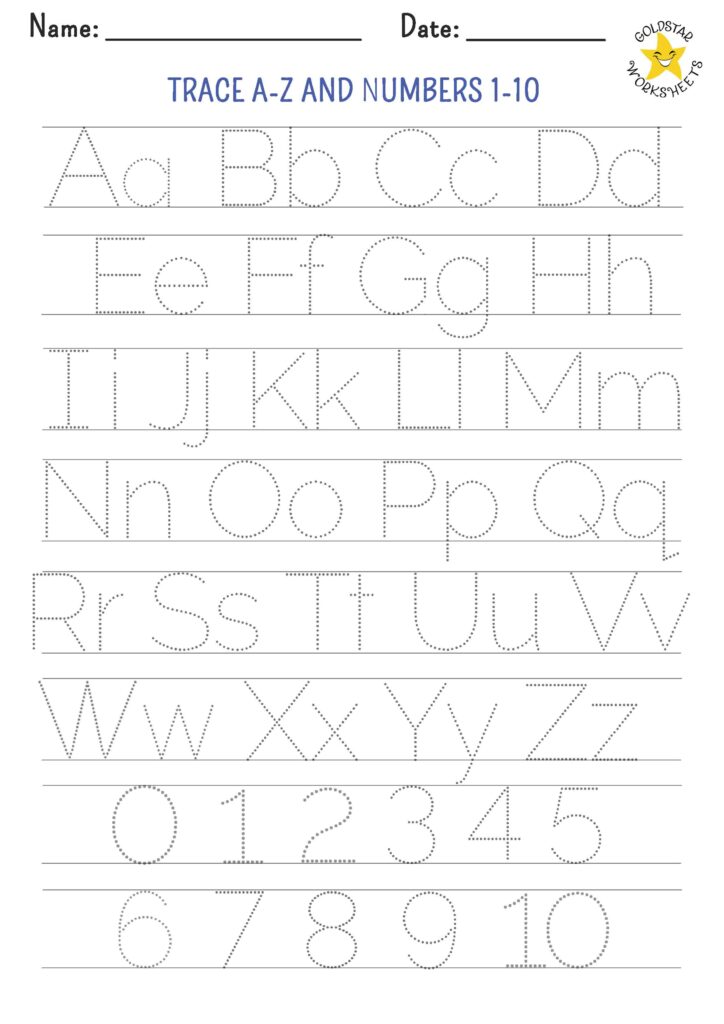
Preschool Alphabet Tracing Worksheets