Cut and paste activities are more than just fun; they offer numerous educational benefits for young learners. Engaging in these hands-on tasks helps children develop essential skills while enjoying the creative process. In this article, we will explore the benefits of cut and paste activities, focusing on their impact on fine motor skills, early literacy, and cognitive development. We will also provide practical examples and strategies for incorporating these activities into preschool and kindergarten settings.
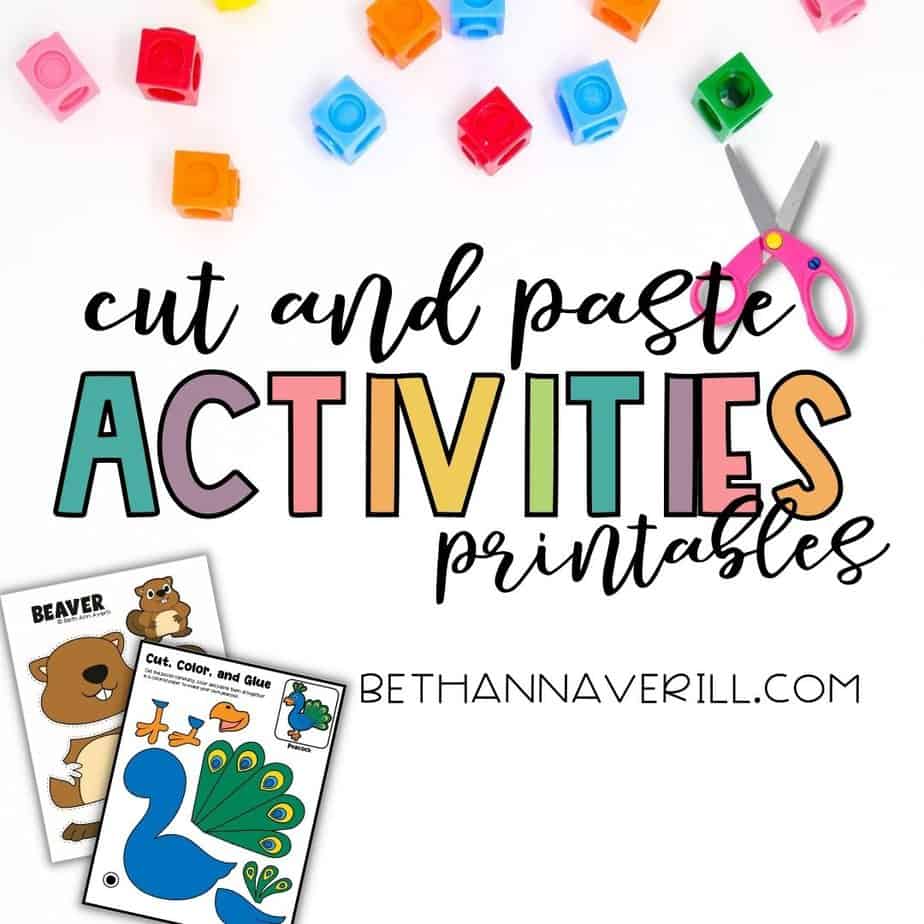
Benefits Of Cut And Paste Activities
Enhancing Fine Motor Skills
One of the primary benefits of cut and paste activities is their ability to enhance fine motor skills. As children manipulate scissors and glue, they practice hand-eye coordination and dexterity. These skills are crucial for tasks such as writing, buttoning clothes, and using utensils.
To support fine motor development, consider the following activities:
- Scissor Practice Worksheets: Provide worksheets with dotted lines for children to cut along. This helps them learn control and precision.
- Collage Creation: Encourage children to create collages using various materials like magazine cutouts, fabric scraps, or colored paper. This allows them to explore textures while practicing cutting and gluing.
Promoting Early Literacy Skills
Cut and paste activities can significantly contribute to early literacy development. By integrating letters, words, or pictures into these tasks, children can enhance their recognition skills while having fun.
Here are some engaging literacy-focused activities:
- Letter Matching: Create worksheets where children cut out letters from one page and paste them next to corresponding images that start with those letters.
- Story Sequencing: Provide a series of images that tell a story. Children can cut out the images and arrange them in the correct order, reinforcing narrative skills.
Cognitive Development Through Sorting and Matching
Cognitive skills are also enhanced through cut and paste activities. Sorting and matching tasks help children develop critical thinking and problem-solving abilities.
Consider these sorting activities:
- Shape Sorting: Provide various shapes on a worksheet. Children can cut them out and sort them into groups based on color or type.
- Animal Classification: Create a worksheet with different animals. Children can cut out the animals and paste them into categories such as land, water, or air animals.
Hands-On Learning in the Classroom
Incorporating cut and paste activities into classroom routines can create an engaging learning environment. These activities can be adapted for various themes or subjects, making them versatile tools for educators.
Here are some classroom implementation ideas:
- Themed Projects: Align cut and paste activities with seasonal themes (e.g., fall leaves or winter snowflakes) to keep students engaged.
- Group Activities: Encourage collaboration by having students work in pairs or small groups to complete larger projects, fostering teamwork skills.
Home Learning Opportunities
Cut and paste activities are not limited to the classroom; they can also be valuable tools for home learning. Parents can easily incorporate these tasks into daily routines to reinforce skills learned at school.
Here are some suggestions for home-based cut and paste activities:
- Create a Family Tree: Have children cut out pictures of family members from magazines or printed photos to create a visual family tree.
- Categorize Household Items: Ask children to collect items from around the house, cut out pictures of them, and categorize them by type (e.g., toys, food, clothing).
Preparation Tips for Effective Activities
To ensure successful cut and paste experiences, proper preparation is essential. Here are some tips for setting up these activities:
- Select Appropriate Materials: Use child-safe scissors and washable glue sticks to ensure safety during cutting and pasting.
- Create Clear Cutting Lines: For younger children, provide worksheets with clear cutting lines to guide their scissor use effectively.
- Organize Small Pieces: Use containers or trays to keep small cutout pieces organized during activities to minimize distractions.
The Lasting Impact of Cut and Paste Activities
The benefits of cut and paste activities extend beyond immediate skill development. These engaging tasks foster creativity, encourage exploration, and build confidence in young learners. By integrating these hands-on experiences into both classroom settings and home learning environments, educators and parents can support children’s growth in multiple areas.
The journey of learning through cut and paste is not only about developing specific skills but also about nurturing a love for learning that lasts a lifetime. For more resources on printable worksheets that promote hands-on learning, visit our collection at CutPasteWorksheets.net.
If you’re interested in exploring more about early childhood education strategies or printable worksheets tailored for preschoolers, check out our related articles on our website!
Download Benefits Of Cut And Paste Activities
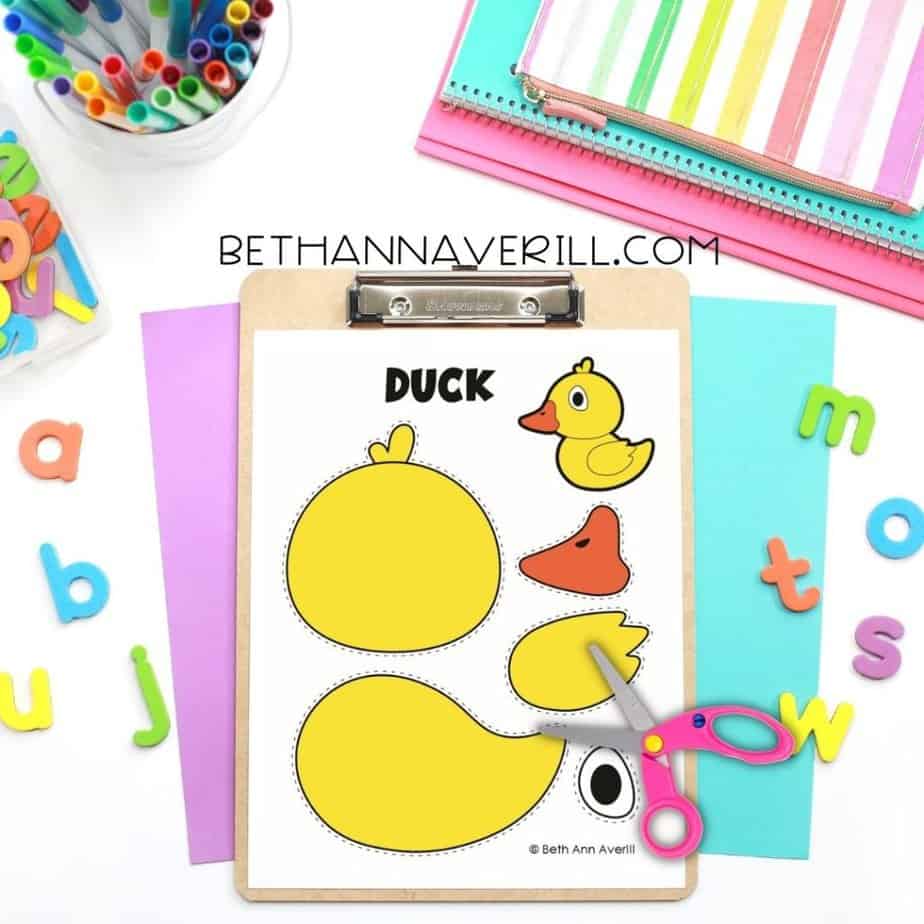
The Benefits Of Using Cut And Paste Activities For Preschoolers
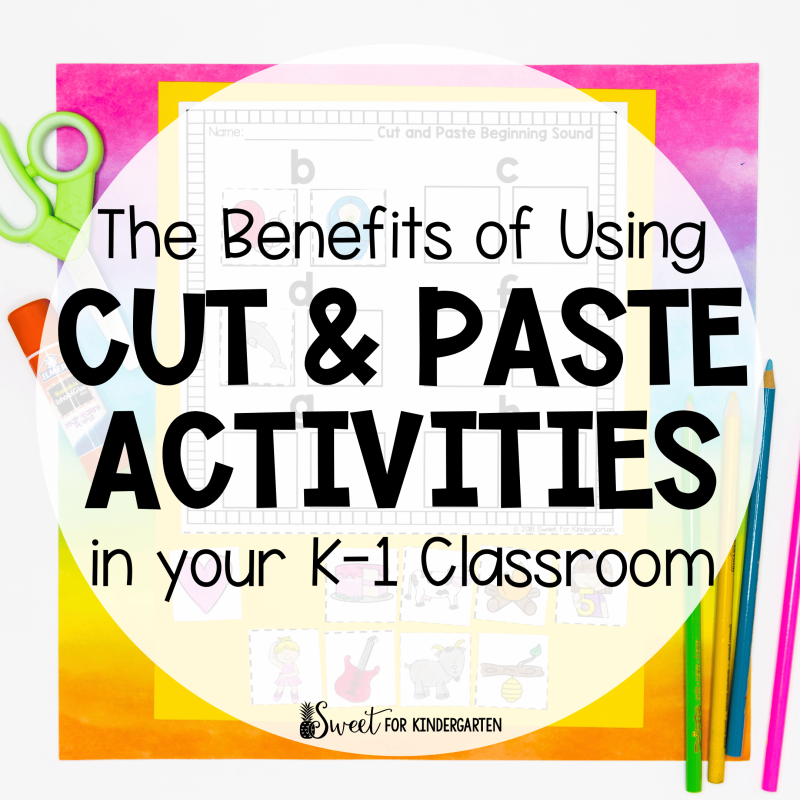
How Cut And Paste Worksheets Benefit K 1 Students