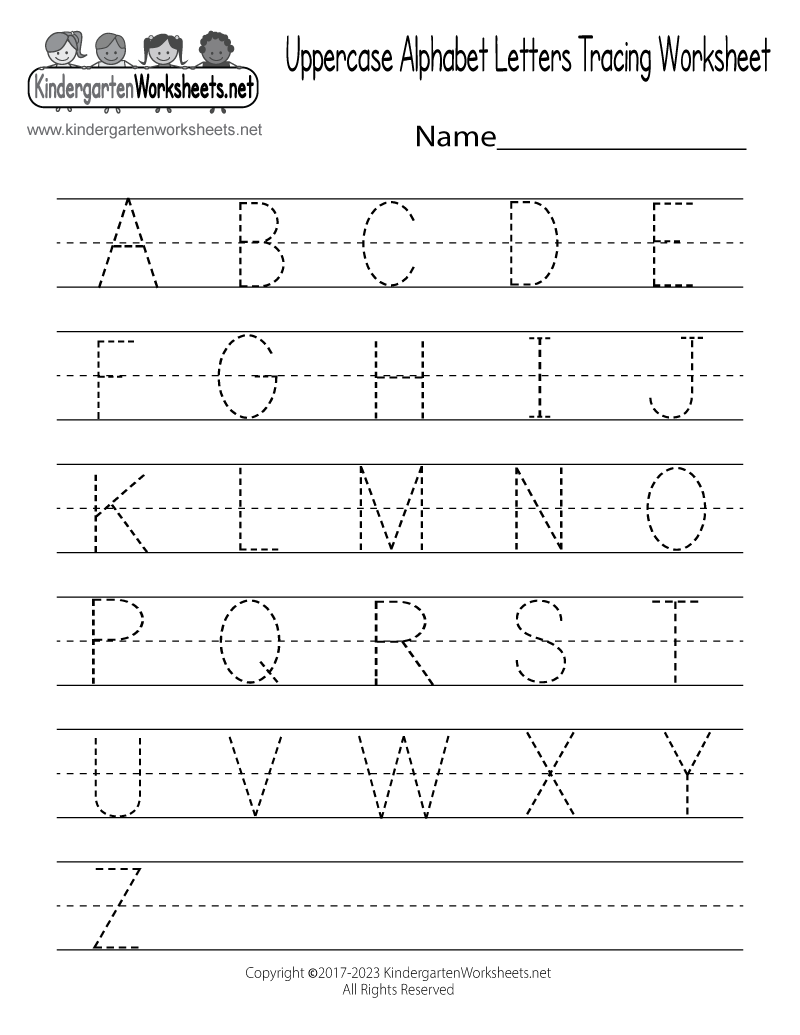
Engaging young learners in letter recognition and writing is essential for their literacy development. Letter practice sheets for kindergarten provide a fun and interactive way for children to familiarize themselves with the alphabet. These worksheets not only enhance their writing skills but also promote fine motor development through hands-on activities. In this article, we will explore various types of letter practice sheets, effective teaching strategies, and practical applications to support early literacy in preschool and kindergarten settings.
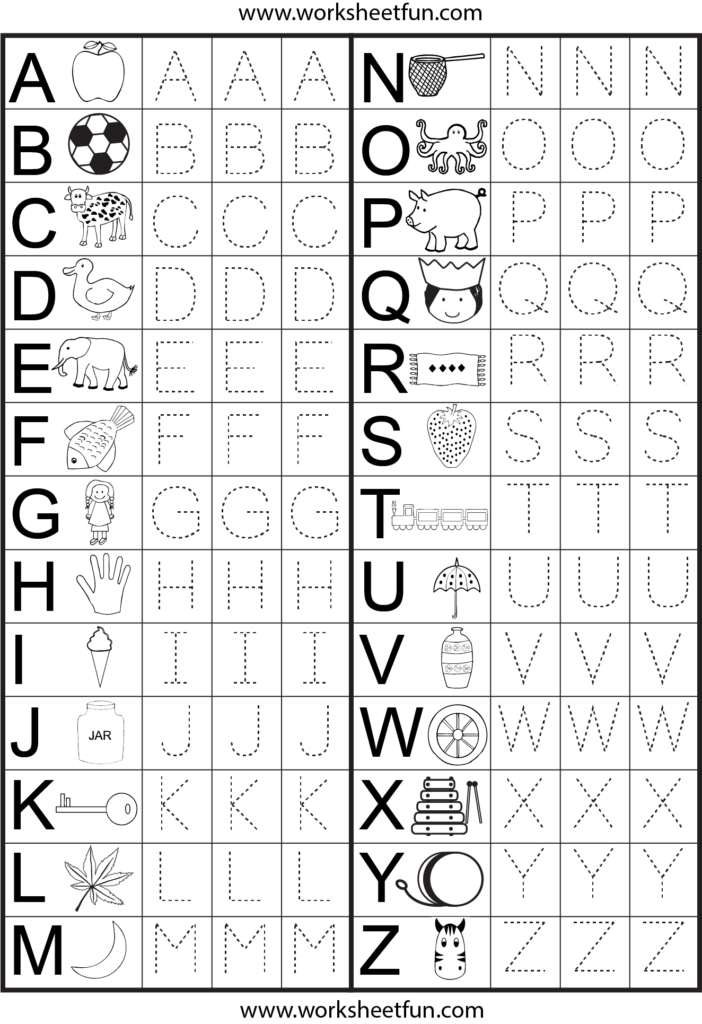
Letter Practice Sheets For Kindergarten
Types of Letter Practice Sheets
Letter practice sheets come in various formats, each designed to cater to different learning styles and objectives. Here are some popular types:
- Tracing Worksheets: These sheets allow children to trace letters, helping them develop muscle memory for writing.
- Cut and Paste Activities: Kids can cut out letters and paste them onto corresponding images or words, reinforcing letter recognition.
- Coloring Sheets: Combining art with learning, these sheets encourage children to color letters while saying their names.
- Matching Games: Worksheets that require matching uppercase and lowercase letters help solidify understanding of letter forms.
Benefits of Letter Practice Sheets
Using letter practice sheets offers numerous benefits for kindergarten learners:
- Fine Motor Skills Development: Activities like tracing and cutting enhance hand-eye coordination and dexterity.
- Cognitive Skill Enhancement: Engaging with letters helps improve memory and recognition skills.
- Confidence Building: Completing worksheets gives children a sense of accomplishment, boosting their confidence in writing.
Effective Teaching Strategies
To maximize the effectiveness of letter practice sheets, consider the following teaching strategies:
- Modeling: Demonstrate how to trace or cut letters before allowing children to try it themselves.
- Differentiation: Adjust the difficulty level of worksheets based on individual student needs. For example, provide simpler tracing sheets for beginners.
- Incorporating Multi-Sensory Activities: Use sandpaper letters or playdough to create a tactile experience alongside worksheets.
Hands-On Activities to Reinforce Learning
Incorporating hands-on activities can make learning letters more engaging. Here are some ideas:
- Letter Scavenger Hunt: Hide letter cards around the classroom or home for children to find and identify.
- Create a Letter Collage: Have students cut out letters from magazines and create a collage on a poster board.
- Sensory Bins: Fill bins with rice or sand and hide letter shapes for children to discover while practicing letter names.
Printable Letter Practice Sheets Preparation
Preparing printable letter practice sheets is straightforward. Here are some tips for effective printing and organization:
- Paper Choice: Use US Letter paper (8.5 x 11 inches) for easy printing.
- Color vs. Black-and-White: Decide based on your budget; color sheets can be more engaging but may cost more to print.
- Cutting Lines: Ensure clear cutting lines are provided for cut-and-paste activities to facilitate easy use by young learners.
- Organizing Materials: Keep small cutout pieces in labeled bags or containers to prevent loss and make cleanup easier.
Cognitive Development Through Letter Recognition
The process of recognizing letters is foundational for literacy. Engaging with letter practice sheets helps children connect sounds with symbols, which is crucial for reading. As they work through these activities, they also develop critical thinking skills by sorting and matching letters with corresponding images or words. This cognitive engagement lays the groundwork for future reading success.
The Role of Parents in Supporting Letter Practice
Parents play a vital role in reinforcing letter recognition at home. Here are some ways they can support their child’s learning:
- Create a Learning Environment: Set up a dedicated space with resources like books, worksheets, and art supplies.
- Sit Together During Activities: Engage in letter practice together, providing encouragement and guidance as needed.
- Use Everyday Opportunities: Point out letters in signs, labels, or books during daily activities to reinforce learning outside of structured worksheets.
The Importance of Playful Learning
A playful approach to learning enhances children’s engagement and retention of information. Incorporating games, songs, and interactive activities alongside letter practice sheets can make the learning process enjoyable. For instance, singing the alphabet song while pointing to letters on a worksheet can reinforce recognition in a fun way. This blend of play and education fosters a love for learning that lasts a lifetime.
If you’re looking for more resources on early literacy activities, check out our collection of printable worksheets at CutPasteWorksheets.net. These resources are designed to support your child’s educational journey while making learning enjoyable!
The journey into literacy begins with recognizing letters, making letter practice sheets an essential tool in early childhood education. By integrating these worksheets into daily learning routines, educators and parents alike can foster an environment where young learners thrive in their literacy skills.
If you want additional insights into early childhood education strategies, consider visiting reputable sources such as the National Association for the Education of Young Children (NAEYC), which offers valuable resources tailored for educators and parents alike.
Download Letter Practice Sheets For Kindergarten
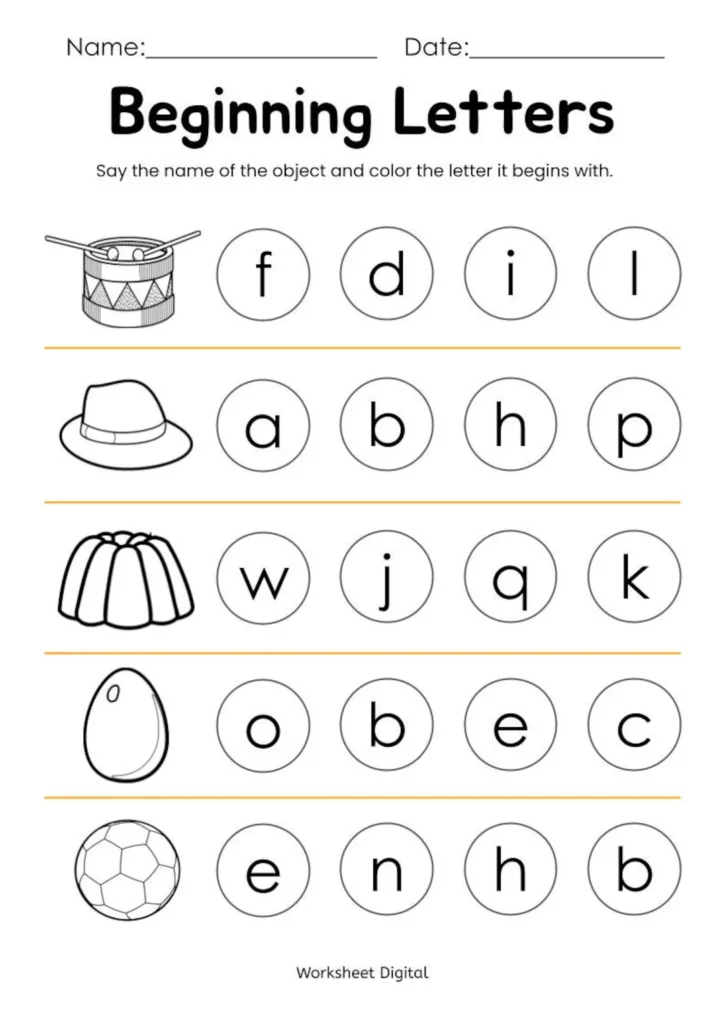
10 Printable Beginning Letters
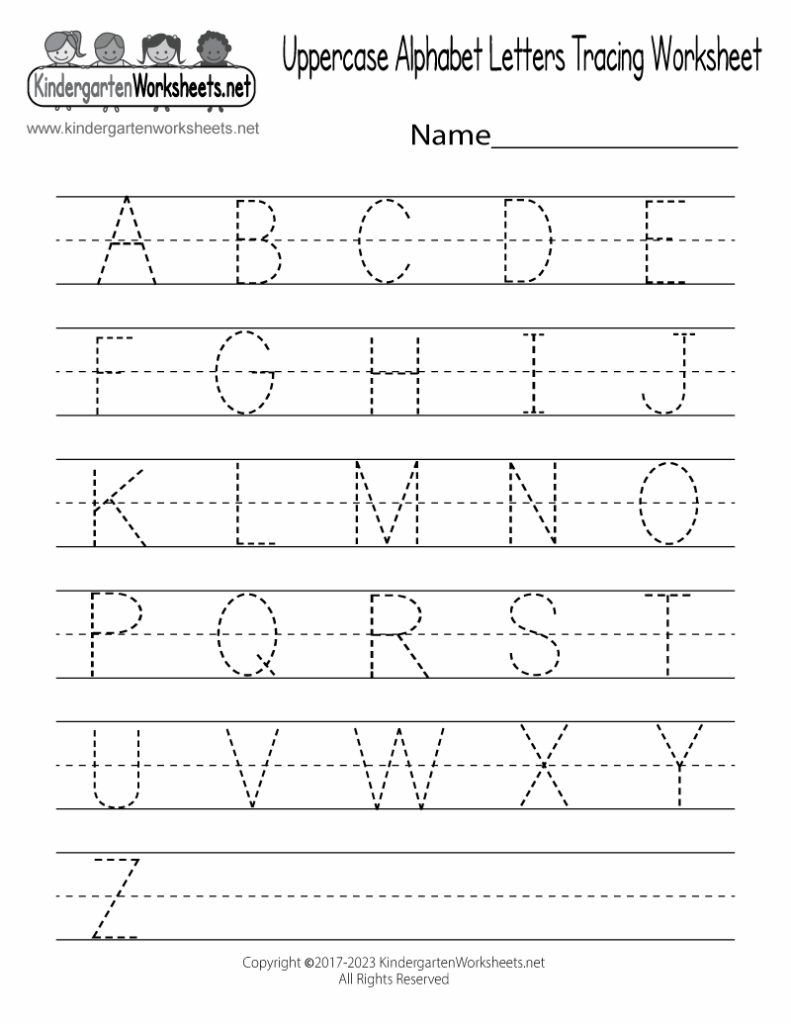
Handwriting Practice Worksheet Printable