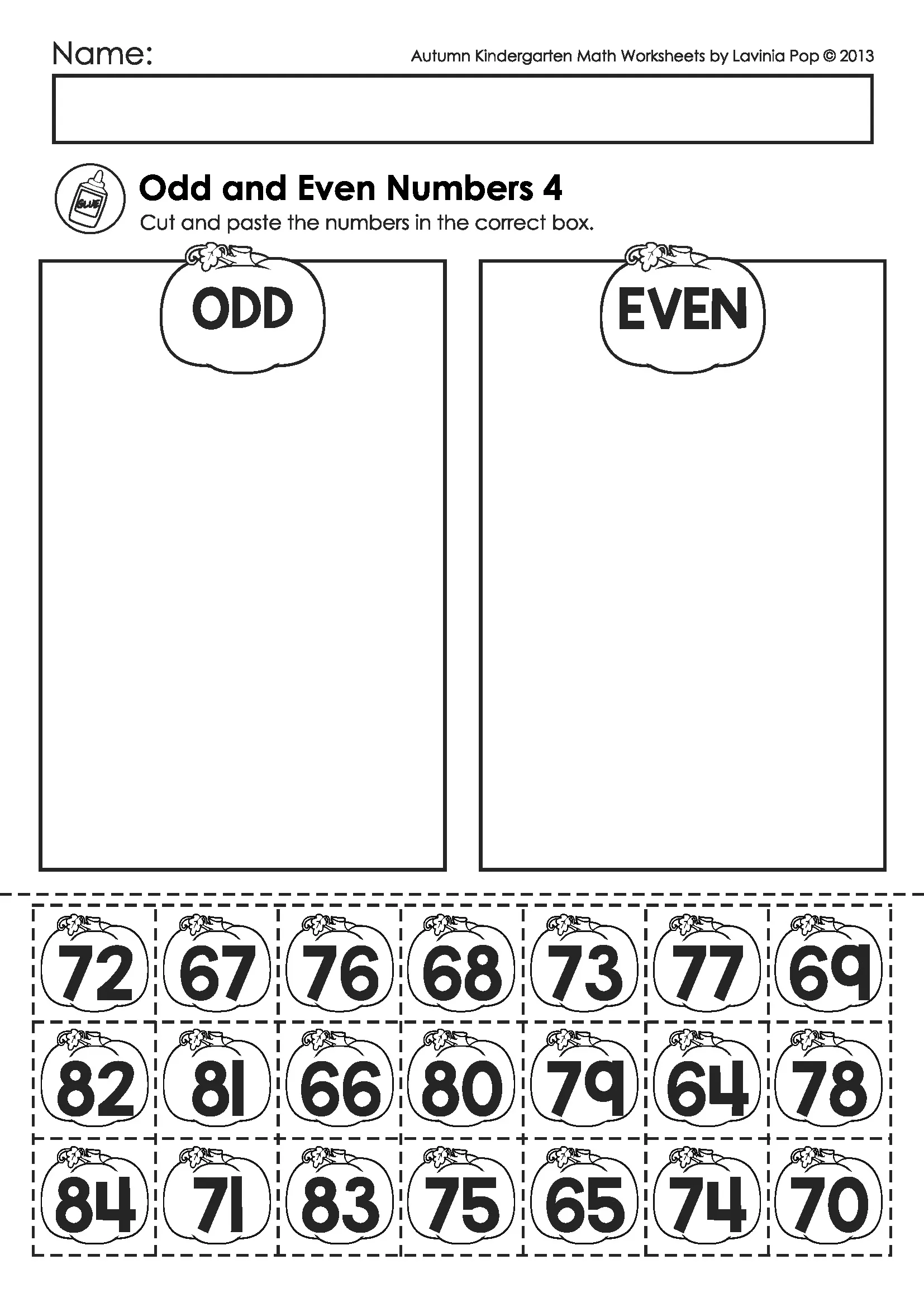
Engaging young learners in math can be a fun and interactive experience, especially through cut and paste activities. Cut And Paste Kindergarten Math worksheets provide an excellent opportunity for preschool and kindergarten children to develop essential math skills while enhancing their fine motor abilities. These hands-on activities not only make learning enjoyable but also help children grasp fundamental concepts such as counting, sorting, and pattern recognition.
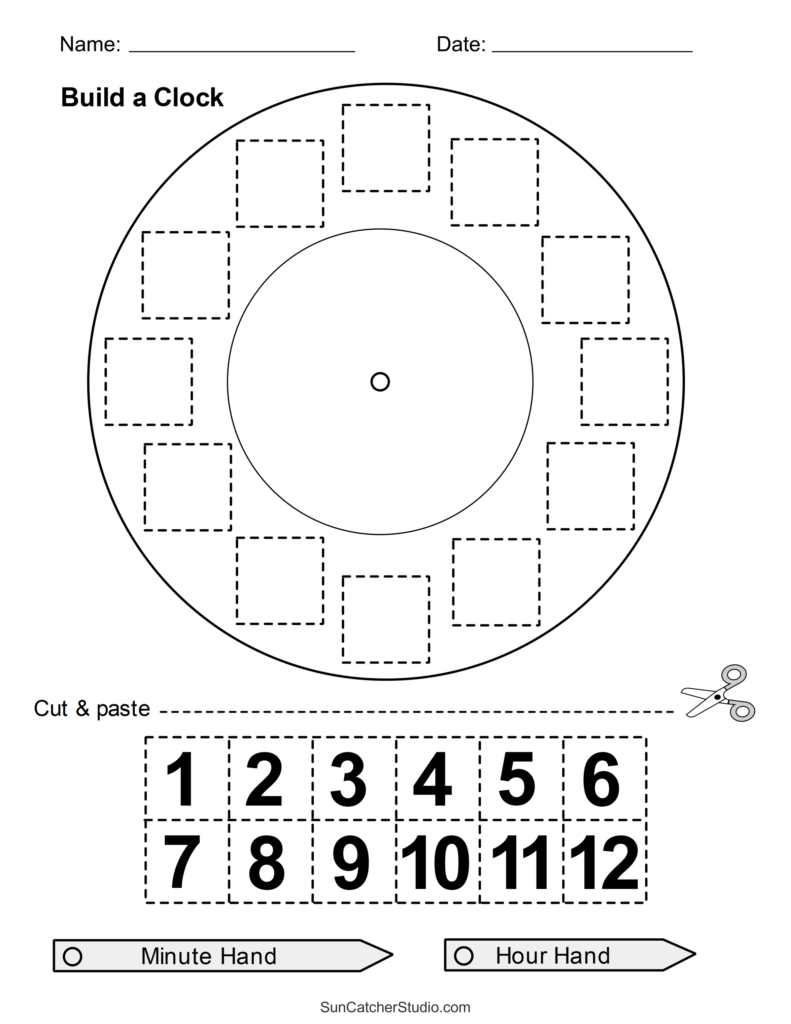
Cut And Paste Kindergarten Math
Benefits of Cut and Paste Activities in Math Learning
Cut and paste activities are more than just creative play; they serve multiple educational purposes. Here are some key benefits:
- Fine Motor Skill Development: Using scissors and glue helps strengthen hand muscles, improving dexterity.
- Visual Learning: Children can visualize math concepts through tangible activities, making abstract ideas more concrete.
- Engagement: Interactive tasks keep children focused and motivated to learn.
- Cognitive Skills: Sorting and matching activities enhance critical thinking and problem-solving abilities.
Essential Materials for Cut and Paste Math Worksheets
Before starting cut and paste activities, gather the necessary materials to ensure a smooth learning experience:
- Printable Worksheets: Choose worksheets that align with the math concepts you want to teach.
- Child-Safe Scissors: Ensure safety by using scissors designed for young children.
- Washable Glue Sticks: These are easier to handle and clean up than liquid glue.
- Pencil Crayons or Markers: For coloring or marking on worksheets before cutting.
Math Concepts Explored Through Cut and Paste Activities
Cut and paste worksheets can cover various math concepts suitable for kindergarten learners. Here are some examples:
Counting Activities
Create worksheets where children cut out objects (like animals or fruits) and paste them next to corresponding numbers. This reinforces counting skills while making the activity visually appealing.
Sorting and Classifying
Provide a selection of cut-out shapes or pictures that children can sort into categories (e.g., colors, sizes, or types). This activity promotes critical thinking as they decide how to classify each item.
Pattern Recognition
Design worksheets that require children to cut out pieces to complete patterns. For instance, they might need to paste a triangle after a circle to continue a sequence. This helps them understand patterns in a hands-on way.
Differentiating Activities for Various Skill Levels
Not all children develop at the same pace, so it’s essential to differentiate activities based on skill levels:
- For Beginners: Use larger cut-out pieces with simple shapes or numbers. Provide clear cutting lines to guide them.
- For Intermediate Learners: Introduce more complex shapes or multi-step patterns that require additional thought.
- For Advanced Learners: Challenge them with addition or subtraction problems where they must cut out pieces representing numbers to solve equations visually.
Incorporating Cut and Paste Math into Daily Learning
You can seamlessly integrate cut and paste math activities into daily routines at home or in the classroom. Here are some practical applications:
- Themed Days: Align activities with themes (like seasons or holidays) to make learning relevant and exciting.
- Sensory Bins: Create bins filled with cut-out shapes for sorting while incorporating tactile experiences.
- Circular Learning Stations: Set up stations where children rotate through different cut and paste math tasks throughout the day.
Tips for Successful Cut and Paste Activities
To maximize the effectiveness of these activities, consider the following tips:
- Preparation is Key: Precut complex shapes if necessary, especially for younger children who may struggle with scissors.
- Create Clear Instructions: Use simple language and visual aids to explain tasks clearly.
- Praise Efforts: Encourage children by praising their efforts rather than just the final product, fostering a growth mindset.
The Role of Parents in Supporting Math Skills at Home
Parents play a crucial role in reinforcing math skills outside of school. Here are ways they can support their child’s learning through cut and paste activities:
- Create a Learning Environment: Set up a dedicated space with all necessary materials easily accessible for spontaneous learning moments.
- Simplify Tasks at Home: Adapt worksheets based on your child’s interests, such as using their favorite animals or toys as themes in math activities.
- Acknowledge Progress: Celebrate small achievements to motivate continued learning and exploration in math.
The integration of cut and paste activities into kindergarten math not only enhances learning but also makes it enjoyable. By providing engaging worksheets that focus on counting, sorting, and pattern recognition, educators and parents can foster essential skills in young learners. For more resources on printable worksheets that promote hands-on learning, visit CutPasteWorksheets.net.
If you’re looking for additional resources on early childhood education practices, consider exploring reputable organizations like the National Association for the Education of Young Children at naeyc.org.
The journey of learning math through cut-and-paste activities is not just about acquiring knowledge; it’s about nurturing curiosity, creativity, and confidence in young learners. Embrace these fun-filled methods to make math an exciting adventure!
Download Cut And Paste Kindergarten Math
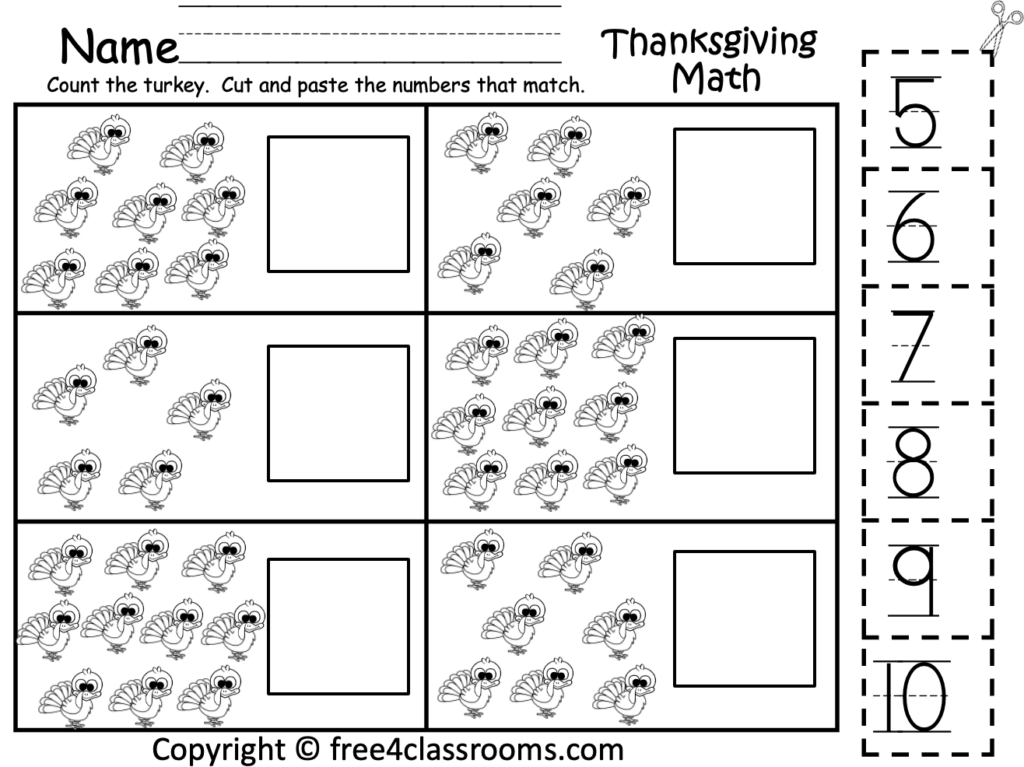
Free Kindergarten Cut And Paste Worksheet Thanksgiving
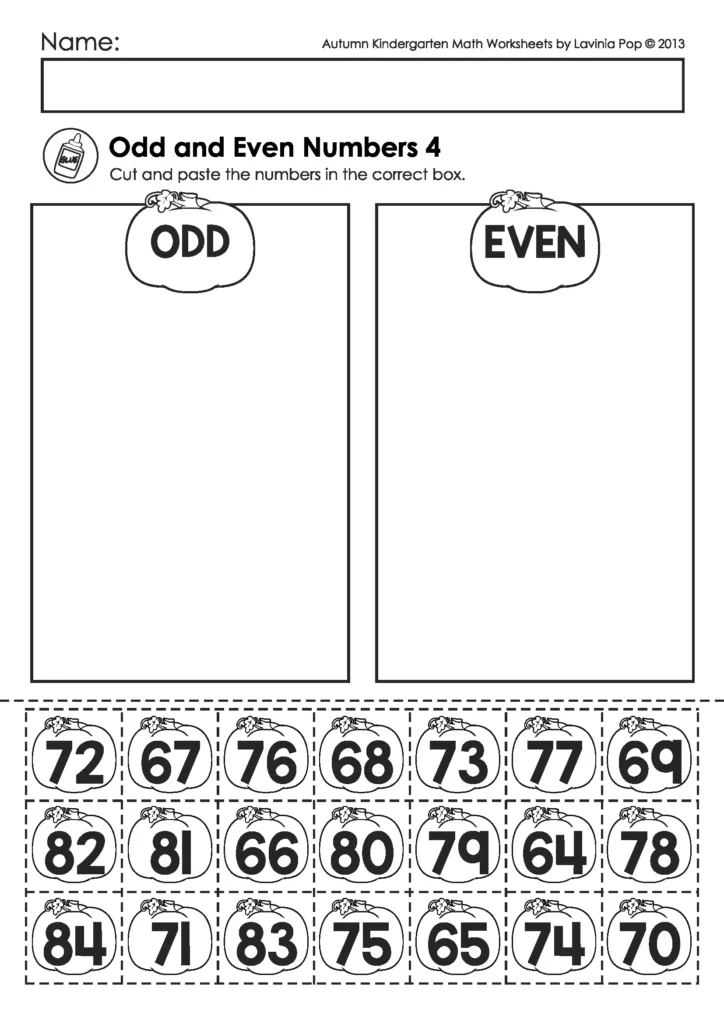
Autumn Fall Kindergarten Math Worksheets And Activities No Prep