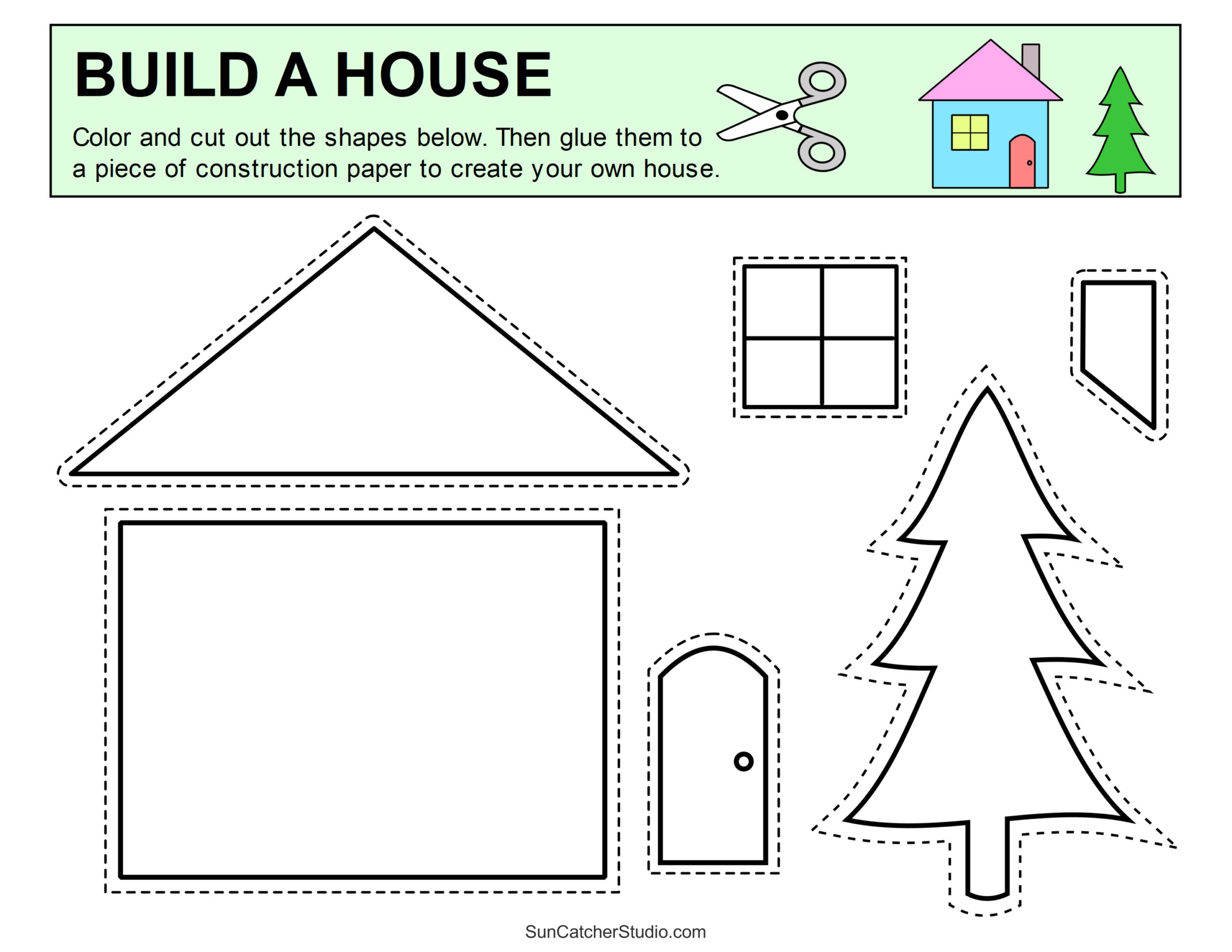
Cutting and pasting for preschool is an engaging way to enhance fine motor skills while promoting creativity and learning. These activities not only provide hands-on experience but also help children develop essential skills such as hand-eye coordination, concentration, and problem-solving. In this article, we will explore various cutting and pasting activities that are perfect for preschoolers, along with practical tips for parents and educators.
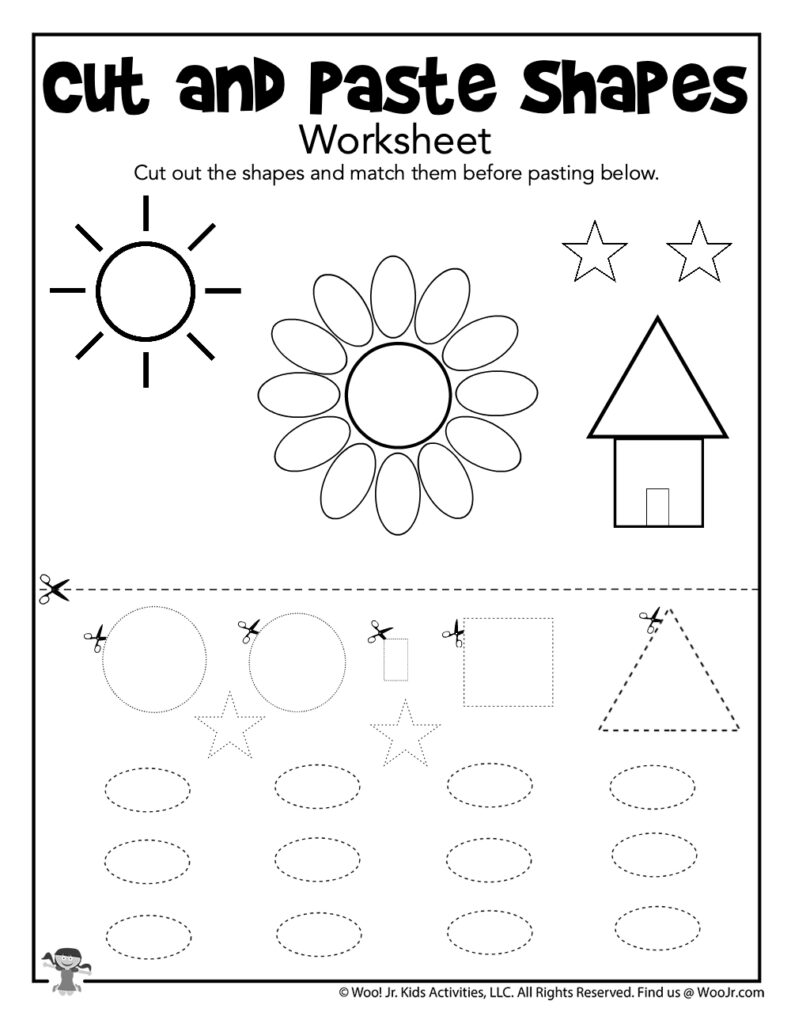
Cutting And Pasting For Preschool
Benefits of Cutting and Pasting Activities
Engaging in cutting and pasting activities offers numerous benefits for preschool-aged children. Here are some key advantages:
- Fine Motor Development: Using scissors and glue helps strengthen hand muscles, improving dexterity.
- Cognitive Skills: These activities encourage planning and decision-making as children decide how to arrange their cutouts.
- Creativity: Children can express themselves artistically by creating unique projects with various materials.
- Focus and Concentration: Completing a cutting and pasting project requires attention to detail, fostering patience and persistence.
Essential Materials for Cutting and Pasting
Before starting cutting and pasting activities, gather the following materials:
- Child-safe scissors: Ensure they are appropriate for preschoolers to use safely.
- Washable glue sticks: These are easier for young children to handle than liquid glue.
- Colorful paper: Use construction paper or printed worksheets with clear cutting lines.
- Pre-cut shapes: For younger children, consider providing pre-cut pieces to simplify the activity.
Fun Cutting and Pasting Activities
1. Themed Collages
Create themed collages based on seasons, holidays, or animals. Provide children with images from magazines or printed sheets that they can cut out. Encourage them to arrange the cutouts on a larger sheet of paper and glue them down. This activity promotes creativity while allowing them to explore different themes.
2. Shape Sorting
Prepare various shapes (circles, squares, triangles) on colored paper. Have children cut out the shapes and then sort them by color or type on a separate sheet. This activity reinforces shape recognition while practicing cutting skills.
3. Story Sequencing
Create a simple story using images that children can cut out. After cutting, ask them to arrange the images in the correct sequence to tell the story. This not only enhances their cutting skills but also develops comprehension and narrative skills.
4. Nature Art Projects
Take a nature walk with the children to collect leaves, flowers, or small twigs. Back in the classroom or at home, they can cut these items into smaller pieces and create a nature collage using glue. This activity connects them with nature while developing fine motor skills.
Tips for Successful Cutting and Pasting
To ensure a positive experience during cutting and pasting activities, consider the following tips:
- Supervision: Always supervise young children when using scissors to ensure safety.
- Pacing: Allow children to work at their own pace; some may need more time than others.
- Encouragement: Praise their efforts regardless of the outcome to build confidence in their abilities.
- Simplification: For beginners, start with larger shapes that are easier to cut before progressing to smaller ones.
Differentiating Activities for Various Skill Levels
Recognizing that children develop at different rates is crucial when planning cutting and pasting activities. Here are some ways to differentiate tasks:
- Beginners: Provide pre-cut shapes or larger items that are easier to manage.
The Role of Parents in Cutting and Pasting Activities
Parents play an essential role in facilitating cutting and pasting activities at home. Here are some ways they can support their child’s learning:
- Create a dedicated space: Set up a crafting area stocked with materials for easy access.
- Simplify cleanup: Use newspaper or plastic sheets underneath to catch scraps during activities.
- Engage together: Participate in projects alongside your child to model techniques and encourage collaboration.
Culminating Projects: Showcasing Creativity
A great way to celebrate children’s efforts is by organizing a showcase of their completed projects. This could be a mini-exhibition where they display their collages, story sequences, or nature art. Invite family members or friends to view their work, providing an opportunity for children to explain their creations. This not only boosts confidence but also reinforces communication skills.
Conclusion: Embracing Hands-On Learning
Cutting and pasting for preschool is more than just a fun activity; it is an essential part of early childhood education that fosters fine motor skills, creativity, and cognitive development. By incorporating various hands-on projects into learning routines, parents and educators can create enriching experiences that support children’s growth while making learning enjoyable.
Explore more preschool worksheets here!
Find additional cutting and pasting resources here!
Learn more about early childhood education from NAEYC.
Download Cutting And Pasting For Preschool
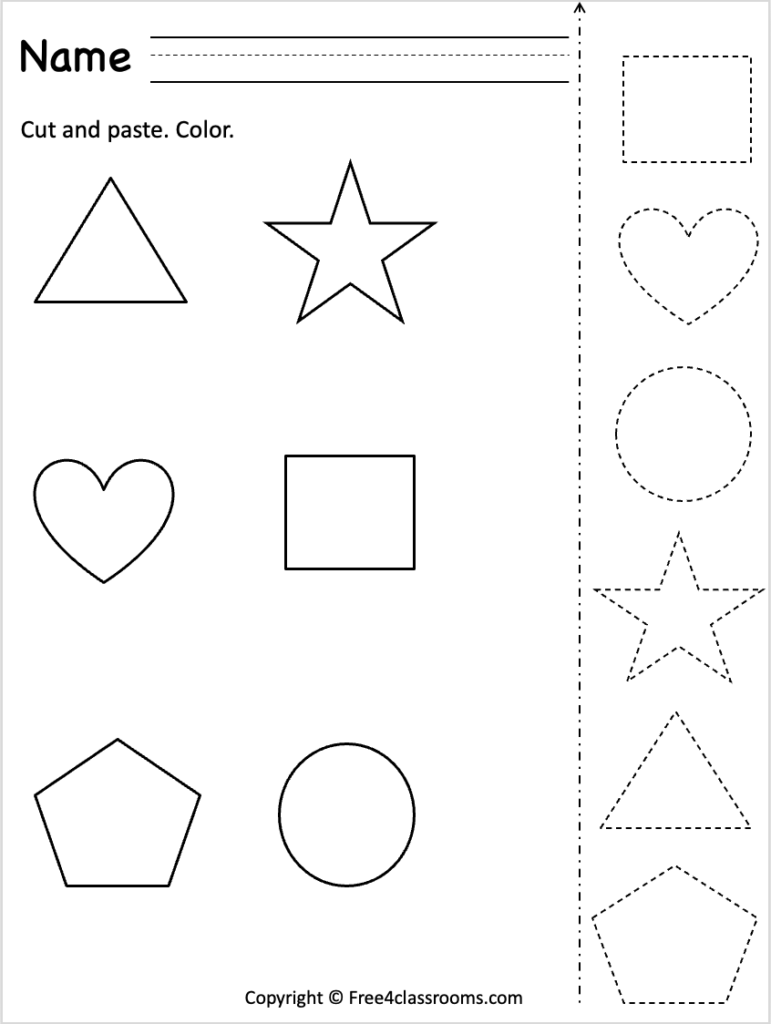
Free Preschool Cut And Paste Worksheet
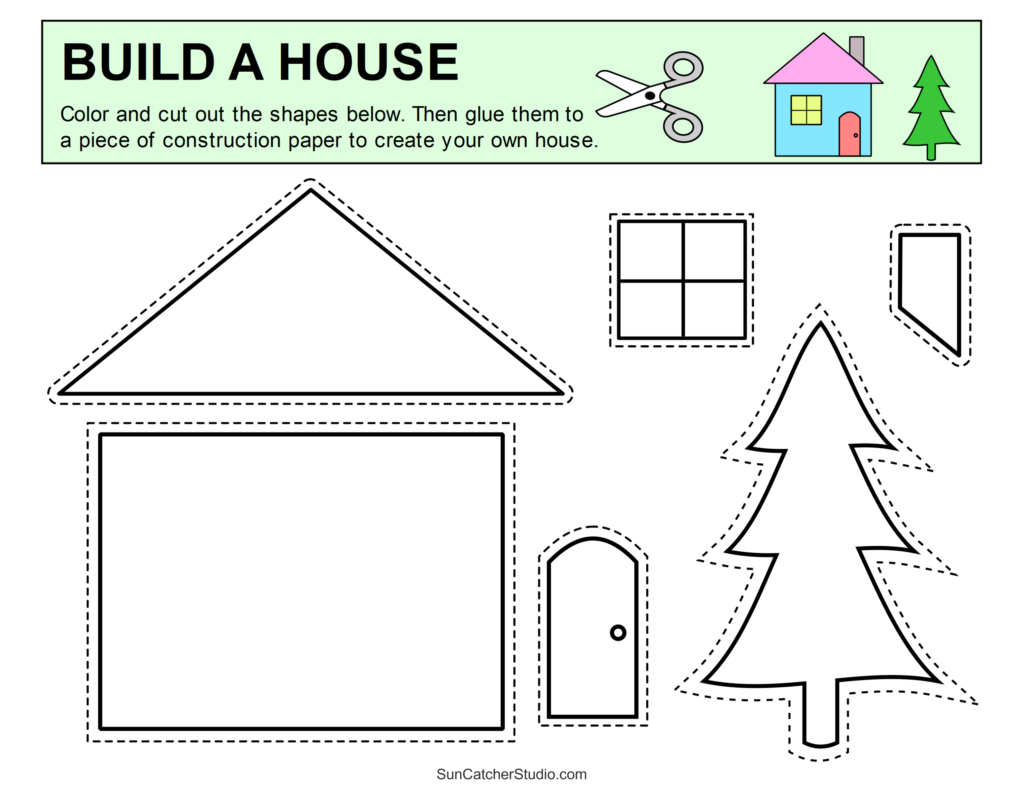
Cut And Paste Worksheets