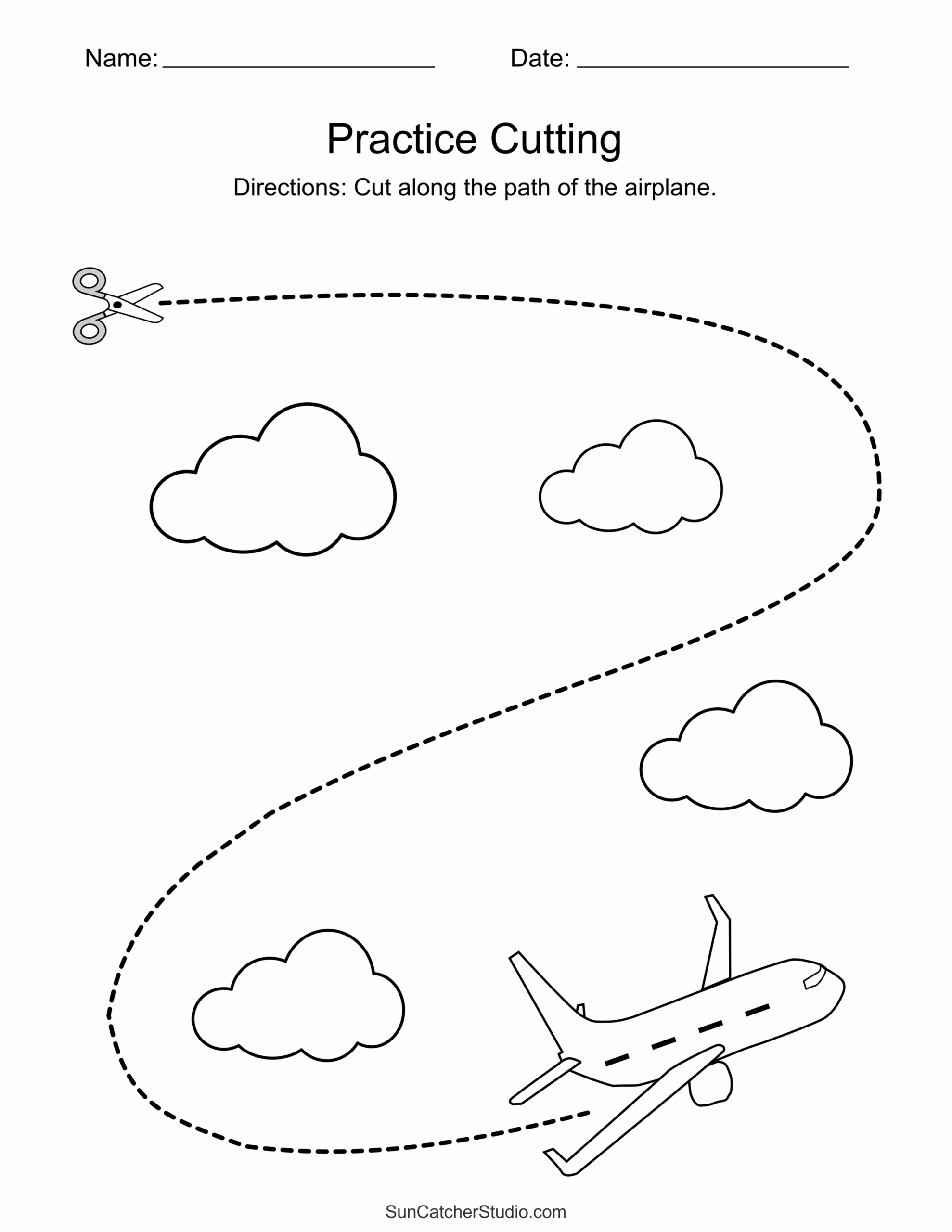
Engaging toddlers in cutting activities is a fantastic way to enhance their fine motor skills while making learning fun. Printable cut and paste worksheets provide an excellent resource for parents and educators looking to incorporate hands-on learning into their daily routines. These activities not only promote creativity but also help children develop essential skills such as hand-eye coordination, concentration, and dexterity. In this article, we will explore various cutting activities for toddlers, focusing on printable worksheets that can be easily integrated into preschool and kindergarten settings.
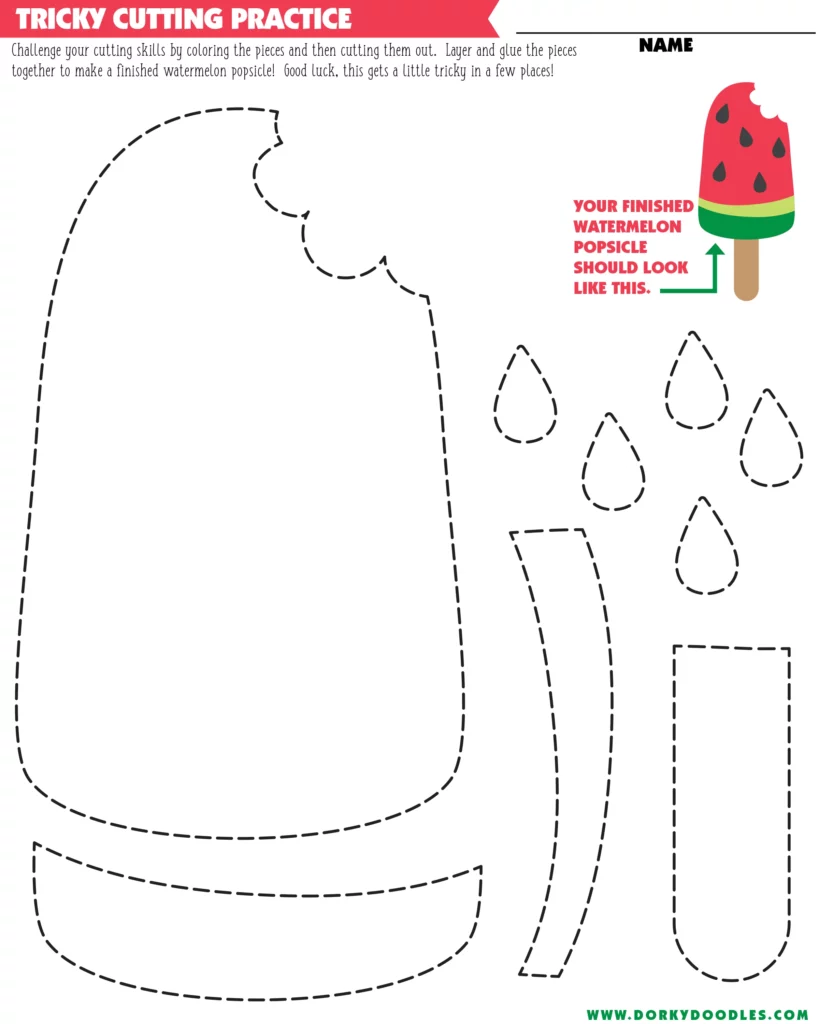
Cutting Activities Toddler Print
Benefits of Cutting Activities for Toddlers
Cutting activities are more than just a fun pastime; they offer numerous developmental benefits for toddlers. Engaging in these activities helps improve:
- Fine Motor Skills: Using scissors requires precision, which strengthens hand muscles and improves grip.
- Hand-Eye Coordination: Cutting along lines helps children learn to coordinate their hand movements with what they see.
- Concentration: Focusing on cutting tasks encourages children to concentrate and follow directions.
- Creativity: Creating art from cut pieces allows for self-expression and imaginative play.
Choosing the Right Scissors
When introducing cutting activities, it’s essential to select the right tools. Child-safe scissors are designed specifically for little hands, making them easier to use. Look for scissors with rounded tips and ergonomic handles that fit comfortably in a toddler’s grip. Always supervise children during cutting activities to ensure safety and encourage proper technique.
Printable Cutting Activities for Toddlers
Printable worksheets are an excellent way to structure cutting activities. Here are some engaging ideas:
1. Shape Cutting Worksheets
Provide worksheets featuring various shapes such as circles, squares, and triangles. Encourage toddlers to cut out the shapes and then use them for creative projects like collages or sorting games. This activity reinforces shape recognition while developing cutting skills.
2. Seasonal Themed Worksheets
Create seasonal worksheets that feature images related to holidays or seasons, such as pumpkins for fall or snowflakes for winter. Children can cut out these images to decorate their classrooms or homes, making learning festive and enjoyable.
3. Animal Cutouts
Animal-themed worksheets can captivate toddlers’ attention. Provide images of various animals that they can cut out and then use in storytelling or matching games. This not only enhances cutting skills but also promotes language development through discussions about the animals.
Integrating Cutting Activities into Daily Learning
Incorporating cutting activities into daily routines can be seamless and beneficial. Here are some practical applications:
- Art Projects: Use cut pieces in art projects where children can glue them onto paper to create unique designs.
- Storytime Enhancements: After reading a story, have children cut out characters or objects from the tale to act it out.
- Sensory Bins: Include cut pieces of paper in sensory bins filled with rice or beans for tactile exploration.
Differentiating Activities for Various Skill Levels
Toddlers develop at different rates, so it’s important to differentiate cutting activities based on skill levels:
- Beginners: Start with straight lines and large shapes that are easy to cut out.
- Intermediate: Introduce curved lines and more intricate shapes as confidence grows.
- Advanced: Challenge older toddlers with complex patterns or multi-step projects that require assembly after cutting.
Preparing Worksheets for Cutting Activities
To ensure a smooth experience with printable worksheets, consider the following preparation tips:
- Paper Type: Use sturdy paper that can withstand cutting without tearing easily.
- Cutting Lines: Ensure clear, bold lines on worksheets to guide young learners effectively.
- Organizing Cutouts: Provide containers for small pieces after cutting to keep the workspace tidy and manageable.
The Role of Adult Supervision
While toddlers are eager to explore cutting activities independently, adult supervision is crucial. Adults can provide guidance on how to hold scissors properly, demonstrate safe cutting techniques, and assist when needed. This support not only ensures safety but also fosters a positive learning environment where children feel encouraged to try new things.
Conclusion: Embracing Hands-On Learning
Cutting activities using printable worksheets offer a wonderful opportunity for toddlers to engage in hands-on learning while developing essential skills. By incorporating these activities into daily routines, parents and educators can create a rich learning environment that promotes creativity, fine motor development, and cognitive growth. Explore our collection of printable worksheets at CutPasteWorksheets.net, where you’ll find a variety of engaging options tailored for young learners.
If you’re looking for more resources on early childhood education, consider visiting reputable organizations like the National Association for the Education of Young Children (NAEYC), which offers valuable insights into effective teaching strategies and child development practices.
Download Cutting Activities Toddler Print
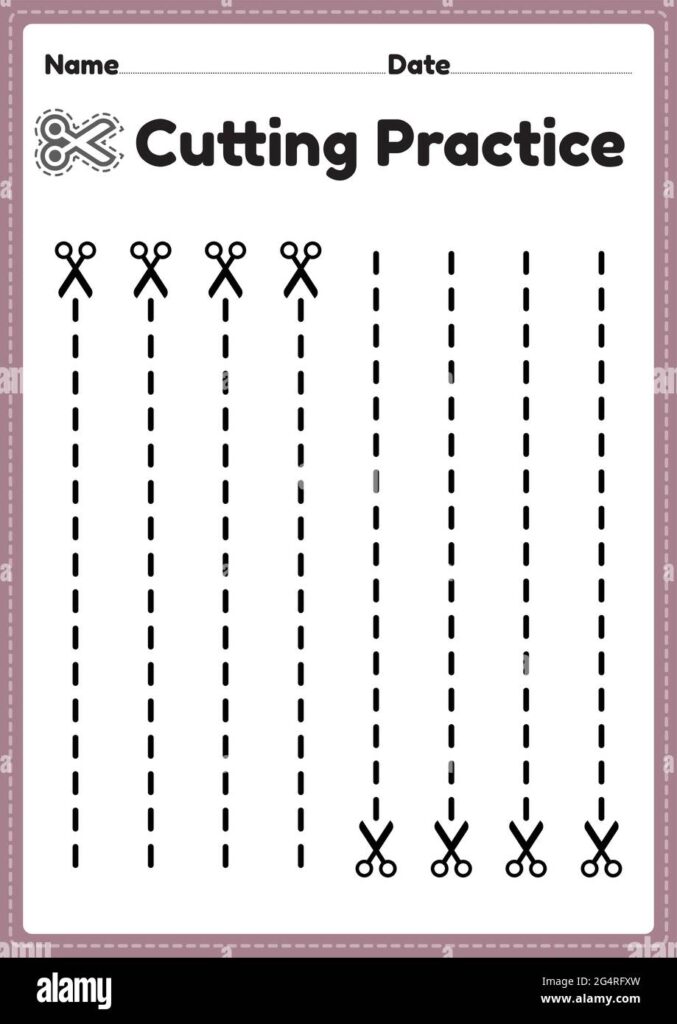
Scissors Skills Printable For For Preschool And Kindergarten Kids For Cutting The Paper To Improve Motor Skills Coordination And Develop Small Muscle Image433235233
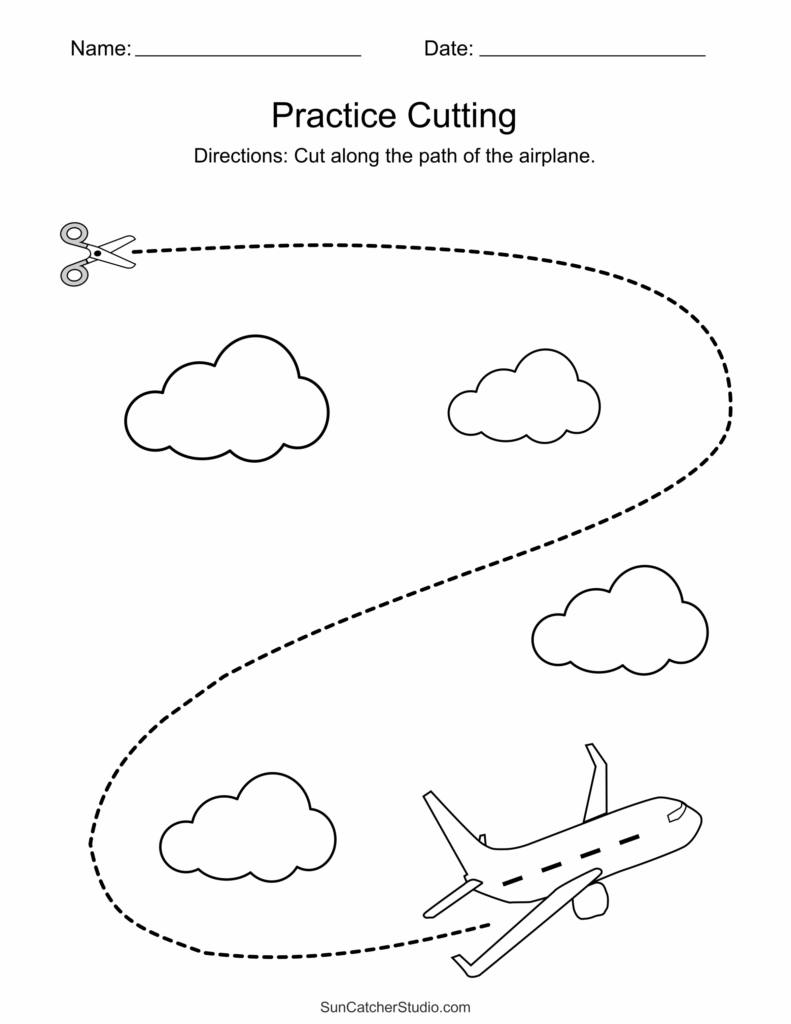
Cutting Worksheets