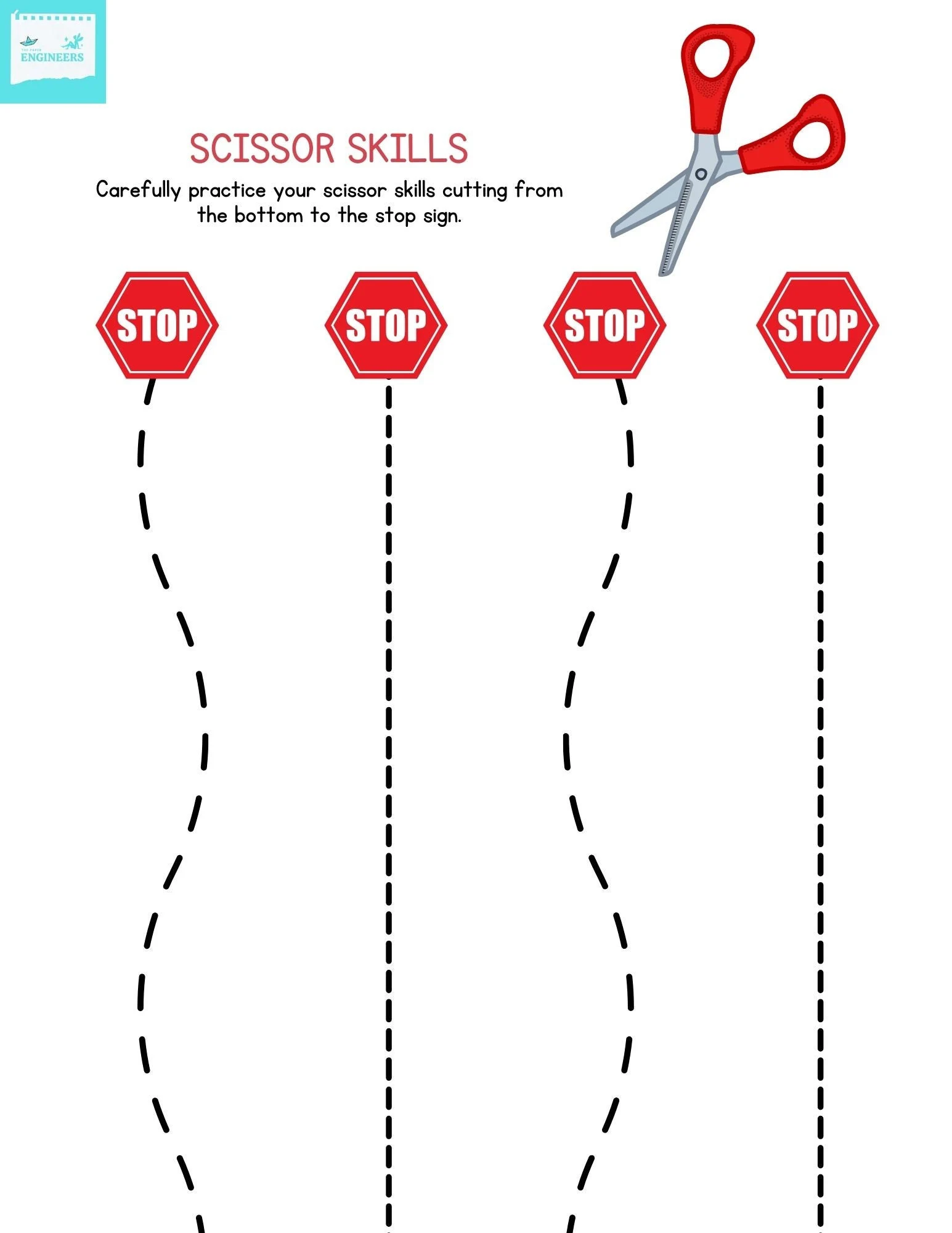
Worksheets to practice cutting are essential tools for preschool and kindergarten educators. These worksheets not only enhance fine motor skills but also provide engaging activities that promote early learning. By incorporating cutting tasks into play, children develop hand-eye coordination and dexterity while having fun. This article explores various types of cutting worksheets, their educational benefits, and practical applications for home and classroom settings.
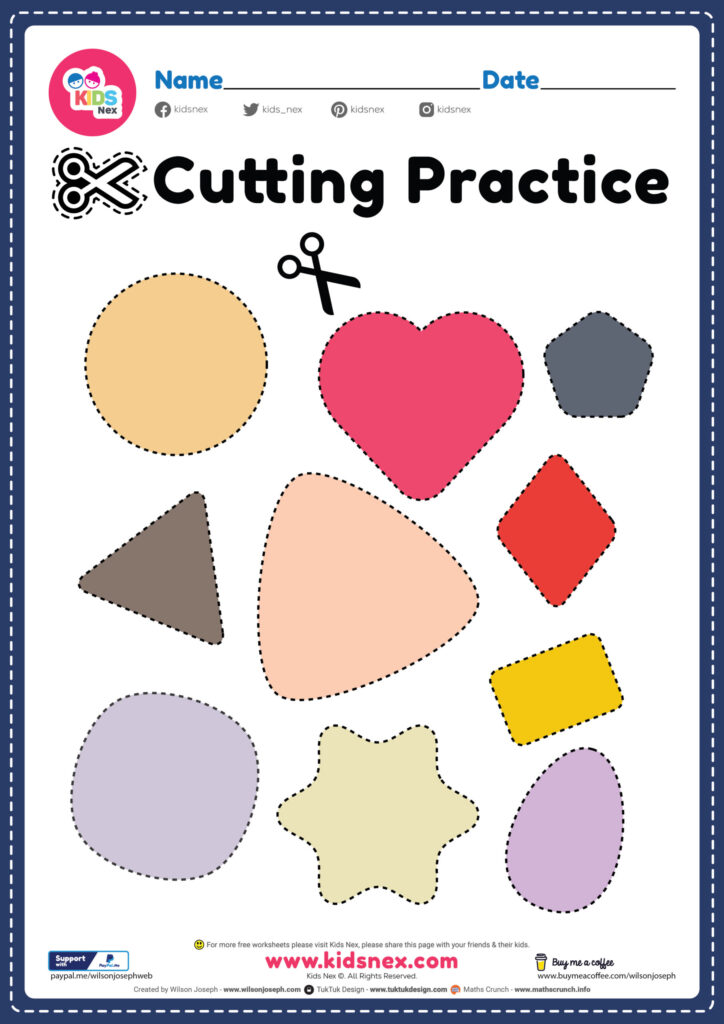
Worksheets To Practice Cutting
Understanding the Importance of Cutting Skills
Cutting is a fundamental skill that lays the groundwork for many other activities in early childhood education. Mastering the use of scissors helps children improve their fine motor skills, which are crucial for writing, drawing, and other hands-on tasks. As they practice cutting, children also learn about shapes, patterns, and spatial awareness.
Types of Worksheets to Practice Cutting
- Shape Cutting Worksheets: These worksheets feature simple shapes like circles, squares, and triangles. Children can practice cutting along the lines to create individual shapes.
- Picture Cutting Worksheets: These involve cutting out images or characters from a scene. They can be themed around seasons, animals, or holidays.
- Pattern Cutting Worksheets: These worksheets include various patterns that children can cut out, helping them recognize and create sequences.
- Craft Worksheets: Combining cutting with crafting allows children to create 3D models or collages using cut pieces.
Engaging Activities Using Cutting Worksheets
Integrating cutting worksheets into daily activities can enhance learning experiences. Here are some engaging ideas:
1. Shape Collage Creation
After cutting out shapes from shape cutting worksheets, encourage children to create a collage by gluing the shapes onto a larger piece of paper. This activity promotes creativity while reinforcing shape recognition.
2. Themed Storytime Crafts
Select picture cutting worksheets related to a story you are reading in class. After reading, have children cut out characters or objects from the worksheet and use them to retell the story. This reinforces comprehension and narrative skills.
3. Pattern Recognition Games
Use pattern cutting worksheets to create a matching game. After cutting out patterns, children can match them with corresponding items in the classroom or at home. This activity enhances cognitive skills and pattern recognition.
Fine Motor Skill Development Through Cutting
The act of cutting helps strengthen the small muscles in children’s hands and fingers. Here are some strategies to support fine motor development:
- Use Child-Safe Scissors: Ensure that children use scissors designed for their age group to promote safety while they learn.
- Practice with Different Materials: Introduce various materials such as paper, cardboard, or fabric to challenge their cutting skills.
- Provide Supervision: Always supervise children during cutting activities to ensure safety and provide guidance as needed.
Adjusting Difficulty Levels for Different Ages
When selecting worksheets for practice, consider the developmental stage of each child:
- Younger Preschoolers (Ages 3-4): Start with straight lines and simple shapes. Use thicker paper for easier handling.
- Older Preschoolers (Ages 4-5): Introduce more complex shapes and patterns with curves and angles.
- Kindergarteners (Ages 5-6): Challenge them with intricate designs or themed worksheets that require multiple cuts.
Practical Tips for Using Cutting Worksheets at Home
Parents can easily incorporate cutting practice into home learning routines. Here are some practical tips:
- Create a Cutting Station: Set up a designated area with scissors, glue sticks, and various worksheets to encourage independent practice.
- Use Everyday Materials: Repurpose old magazines or scrap paper for additional cutting practice without needing special materials.
- Encourage Sharing: Have siblings work together on cutting projects to foster collaboration and social skills.
The Role of Adult Guidance in Cutting Activities
The involvement of adults is crucial in guiding children through cutting activities. Here are ways adults can assist:
- Demos and Instructions: Show children how to hold scissors properly and guide them on where to cut.
- Praise Efforts: Encourage children by praising their efforts regardless of the outcome. This builds confidence in their abilities.
- Simplify Tasks When Needed: For younger children or those struggling with coordination, consider pre-cutting complex shapes or providing simpler tasks.
The Benefits of Hands-On Learning with Cutting Worksheets
The hands-on nature of cutting worksheets promotes active learning. Children engage physically with materials, which enhances retention of concepts taught in class. Additionally, these activities foster creativity as children explore different ways to use cut pieces in crafts or projects.
Conclusion: Embracing Cutting as a Learning Tool
The integration of worksheets to practice cutting into early childhood education provides numerous benefits for developing essential skills. By offering varied activities that cater to different age groups and skill levels, educators and parents can create enriching learning experiences that promote fine motor development and creativity in young learners.
Explore more engaging worksheets here!
Discover additional cutting worksheets!
Learn more about fine motor skill development from NAEYC.
Download Worksheets To Practice Cutting
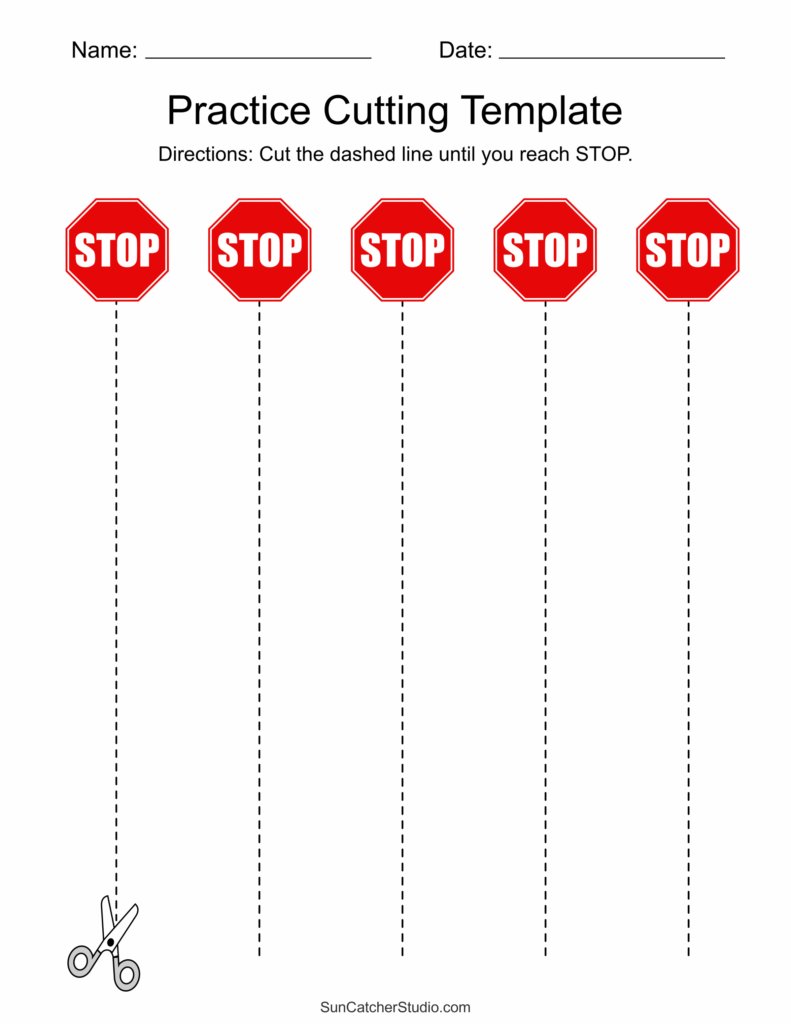
Cutting Worksheets
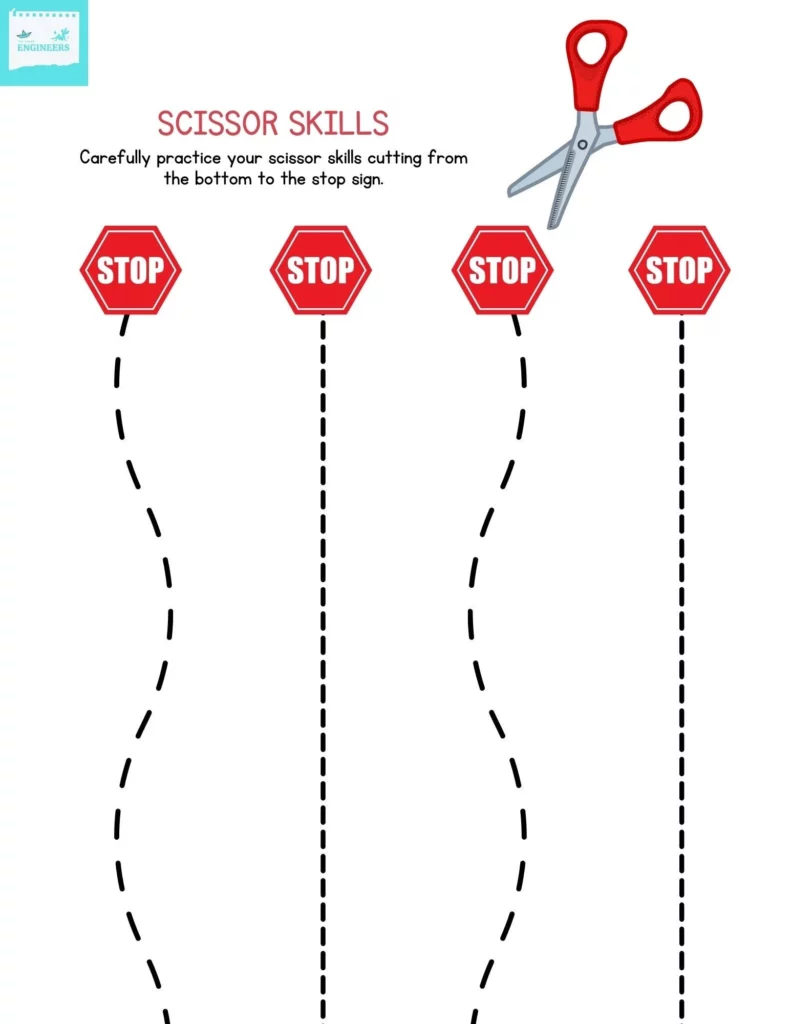
Scissor Skills Cutting Worksheet For