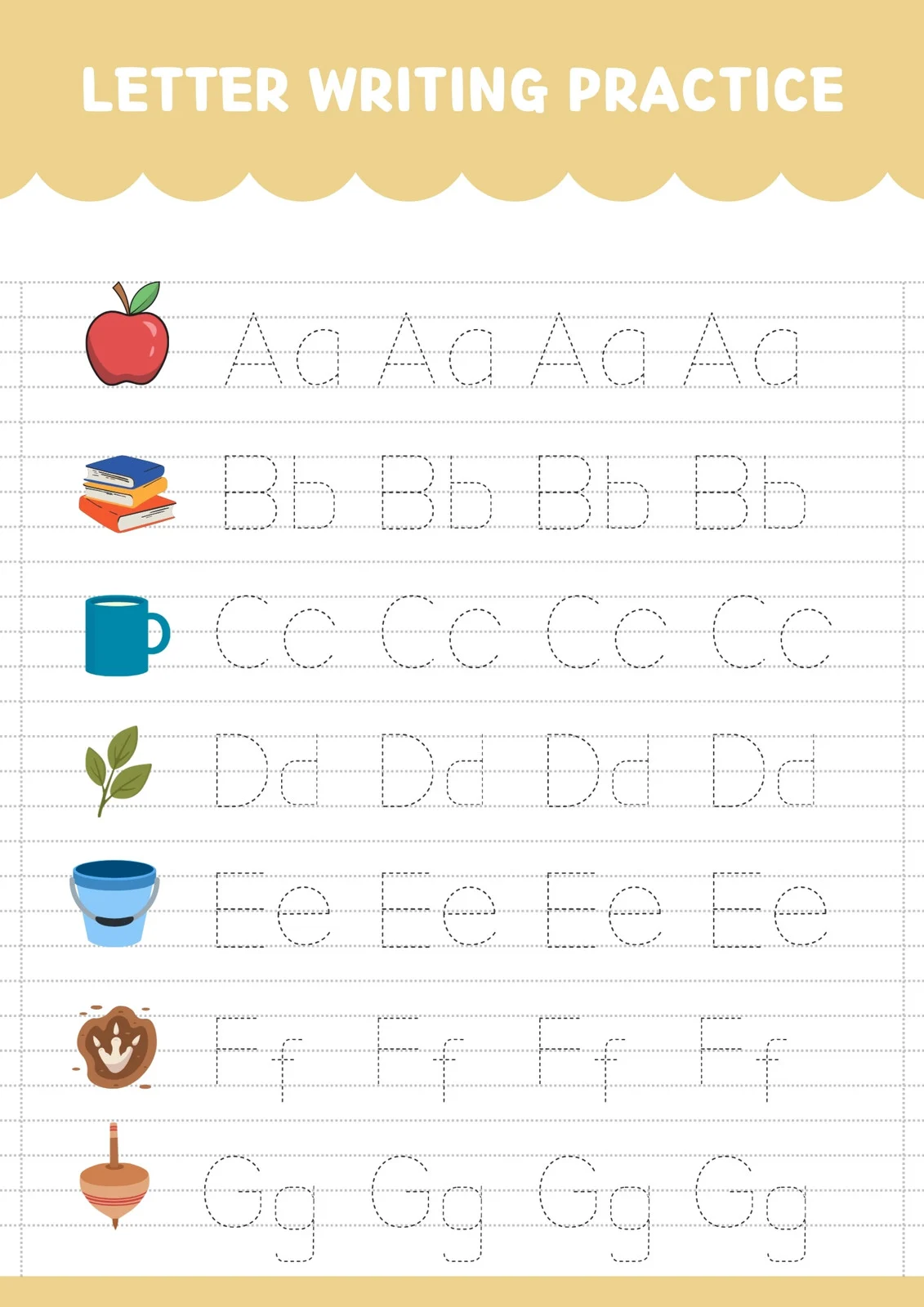
Tracing for preschoolers worksheets are essential tools designed to enhance fine motor skills and early literacy development. These engaging activities not only help children learn how to hold a pencil correctly but also prepare them for writing letters and numbers. By incorporating fun themes and interactive elements, these worksheets can transform learning into an enjoyable experience for young learners.
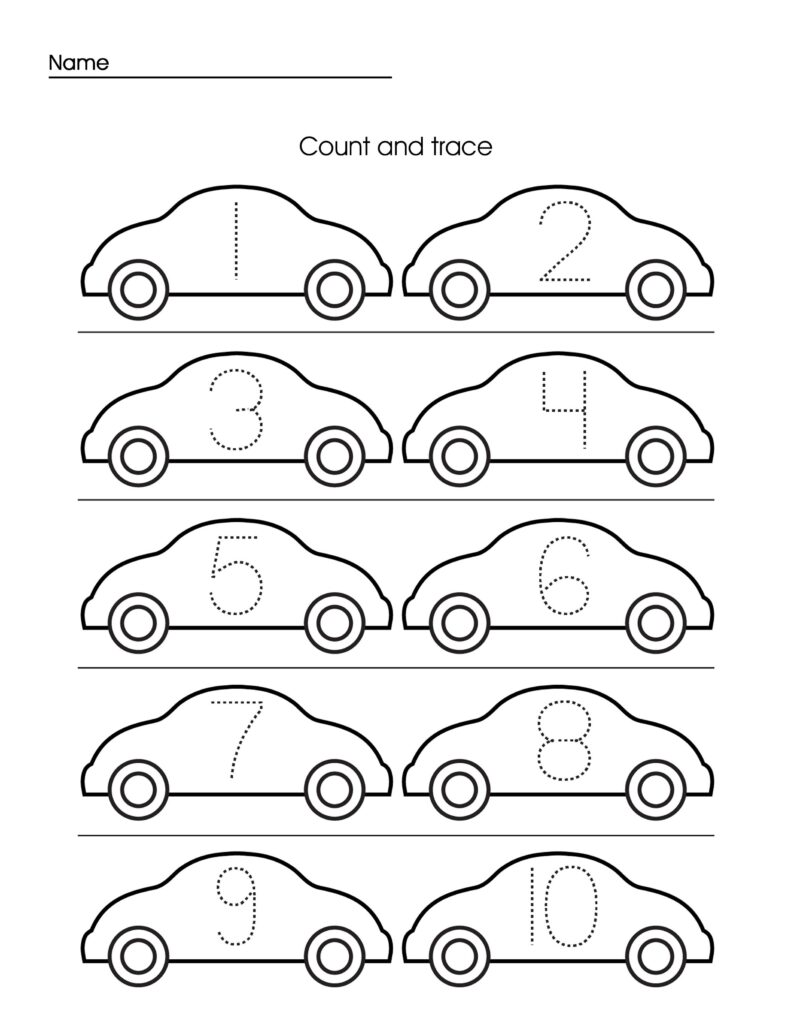
Tracing For Preschoolers Worksheets
Benefits of Tracing Worksheets
Tracing worksheets offer numerous benefits for preschoolers. They help develop fine motor skills, improve hand-eye coordination, and foster early literacy. As children trace letters, shapes, or pictures, they gain confidence in their writing abilities. Additionally, these worksheets can be tailored to various themes, making them appealing to young learners.
Types of Tracing Worksheets
- Letter Tracing: Focuses on the alphabet, helping children learn both uppercase and lowercase letters.
- Number Tracing: Introduces numbers 1-10 or beyond, aiding in early math skills.
- Shape Tracing: Teaches basic shapes like circles, squares, and triangles, which are foundational for geometry.
- Picture Tracing: Allows children to trace images of animals, objects, or characters, enhancing creativity.
How to Use Tracing Worksheets Effectively
To maximize the benefits of tracing worksheets, consider the following strategies:
- Create a Routine: Set aside specific times each day for tracing activities to establish consistency.
- Use the Right Tools: Provide child-safe scissors and washable glue sticks for any cut-and-paste activities that accompany tracing.
- Encourage Proper Grip: Teach children how to hold their writing instruments correctly to promote good habits.
- Incorporate Play: Turn tracing into a game by timing how quickly they can trace or by using colorful markers.
Integrating Tracing Worksheets with Other Activities
Tracing worksheets can be combined with various hands-on activities to reinforce learning. Here are some ideas:
Cuts and Crafts
After completing tracing activities, children can cut out their traced letters or shapes and create collages. This not only reinforces their learning but also enhances fine motor skills through cutting practice.
Sensory Play
Create a sensory bin filled with sand or rice where children can trace letters or shapes using their fingers. This tactile experience helps solidify their understanding of the shapes they are learning about.
Storytime Integration
Select books that feature the letters or shapes being traced. After reading, encourage children to trace those letters on their worksheets. This connection between reading and writing enhances comprehension and retention.
Differentiating Activities for Various Skill Levels
Recognizing that children develop at different rates is crucial when using tracing worksheets. Here are some ways to differentiate activities:
- Budding Writers: Provide worksheets with dotted lines for younger preschoolers who may need more guidance.
- Advanced Learners: Offer blank lines for older preschoolers who are ready to practice writing independently.
- Themed Worksheets: Use seasonal themes (like Halloween or spring) to keep advanced learners engaged while still practicing tracing skills.
Printing and Preparing Tracing Worksheets
When preparing tracing worksheets for use at home or in the classroom, consider the following tips:
- Paper Type: Use US Letter paper (8.5 x 11 inches) for easy printing and handling.
- Color vs. Black-and-White: Decide whether color printing enhances engagement or if black-and-white is sufficient for tracing practice.
- Cutting Lines: Ensure clear cutting lines if incorporating cut-and-paste elements into your activities.
- Pencil Preparation: Have a variety of pencils or crayons available to keep children interested in their work.
The Importance of Adult Supervision
While tracing worksheets are designed for independent work, adult supervision is essential during cutting activities. Ensure that children use child-safe scissors and provide assistance as needed. This not only keeps them safe but also allows adults to engage in the learning process by offering encouragement and guidance.
Where to Find Quality Tracing Worksheets
You can find a variety of tracing worksheets online that cater specifically to preschoolers. Websites like CutPasteWorksheets.net offer printable options that are both educational and fun. Look for themed worksheets that align with your child’s interests to keep them motivated!
The Role of Tracing in Early Childhood Education
The integration of tracing worksheets into early childhood education plays a vital role in preparing children for future academic success. By developing fine motor skills through tracing, children build a foundation that supports writing readiness and overall cognitive development. Engaging with these worksheets regularly can lead to improved confidence in their abilities as they progress through their educational journey.
The journey of learning through tracing is not just about mastering letters and numbers; it’s about fostering a love for learning that will last a lifetime. By incorporating fun activities and ensuring a supportive environment, parents and educators can make tracing an enjoyable part of preschool education.
If you’re looking for more engaging educational resources, check out our collection of printable cut-and-paste activities designed specifically for preschoolers!
If you want additional insights into early childhood education practices, consider visiting reputable sources such as the National Association for the Education of Young Children (NAEYC).
Download Tracing For Preschoolers Worksheets
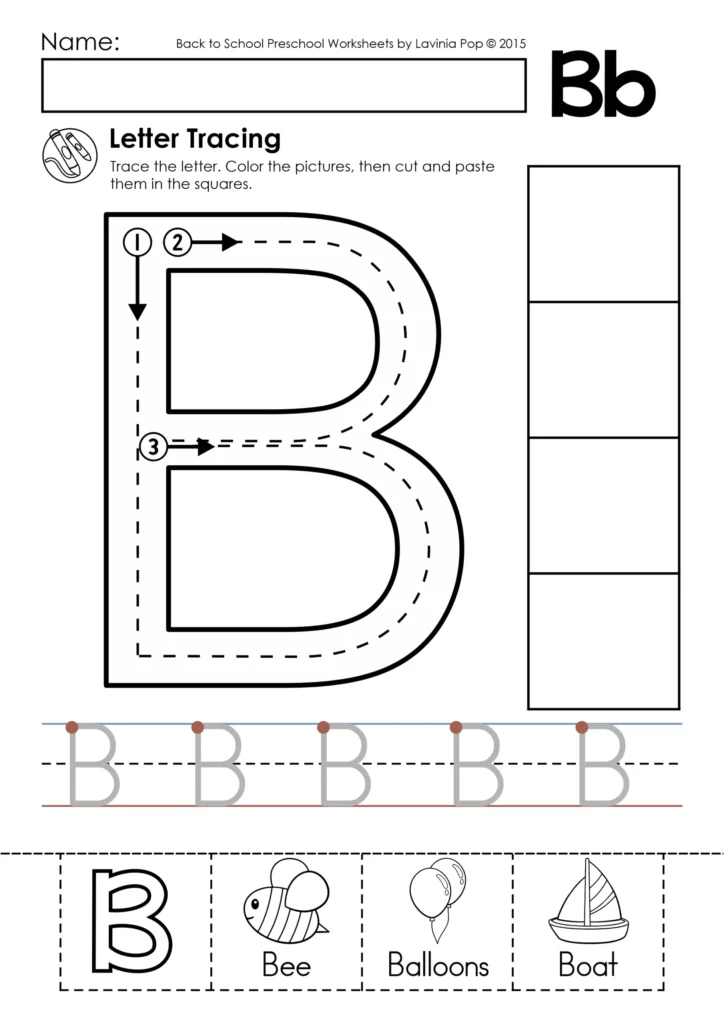
Alphabet Tracing Practice Worksheets
Preschool Tracing