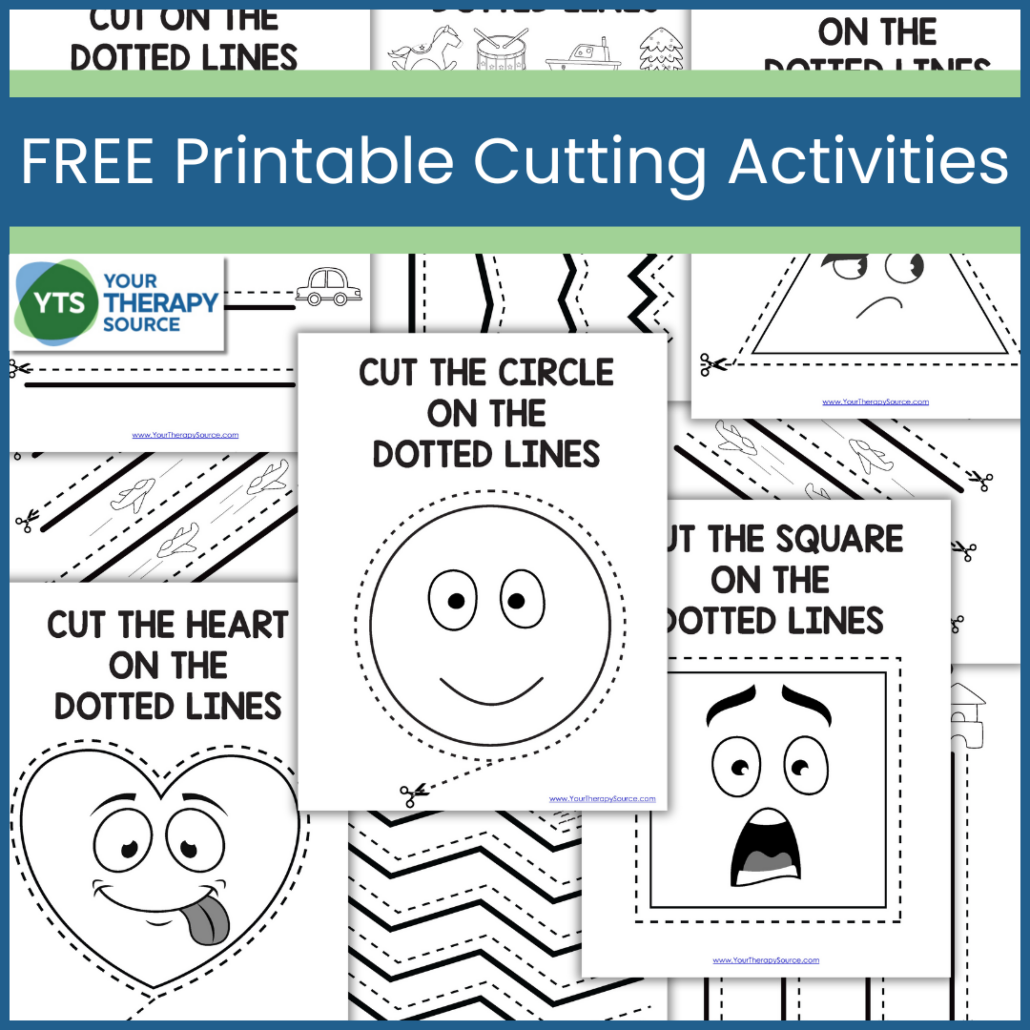
Children’s cutting activities are essential for developing fine motor skills, hand-eye coordination, and creativity. These hands-on experiences not only enhance dexterity but also provide opportunities for learning through play. By incorporating cutting activities into your preschool or kindergarten curriculum, you can create an engaging environment that fosters both learning and fun.
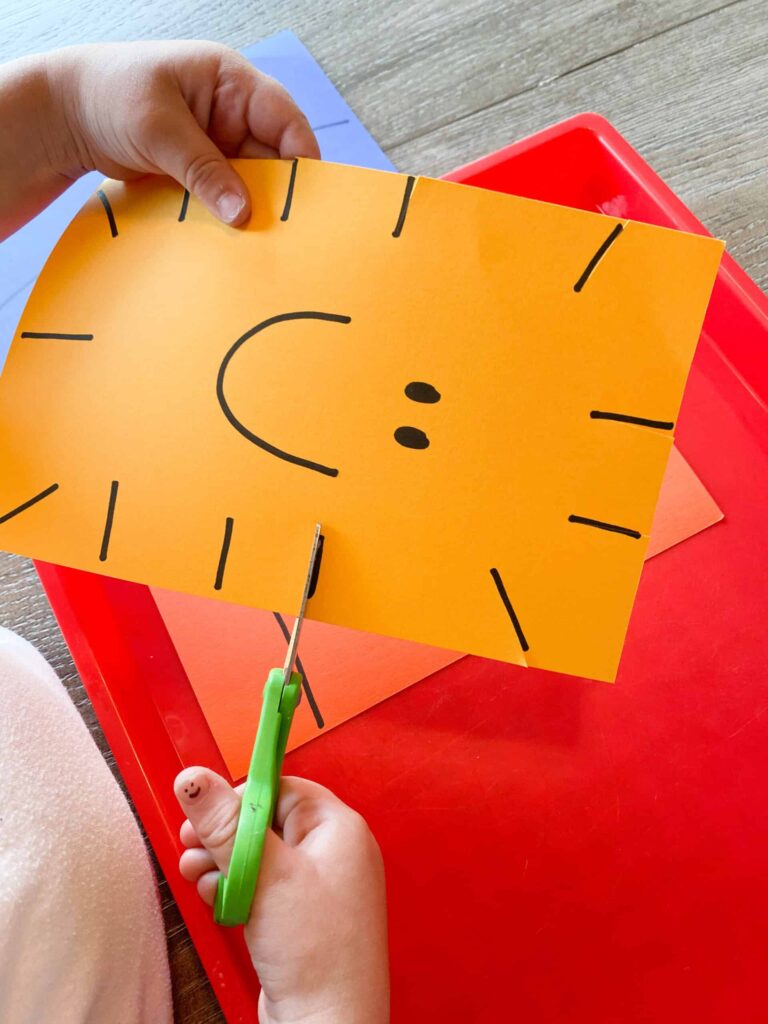
Children’s Cutting Activities
Engaging Children’s Cutting Activities for Skill Development
Children’s cutting activities are essential for developing fine motor skills, hand-eye coordination, and creativity. These hands-on experiences not only enhance dexterity but also provide opportunities for learning through play. By incorporating cutting activities into your preschool or kindergarten curriculum, you can create an engaging environment that fosters both learning and fun.
Benefits of Cutting Activities
Cutting activities offer numerous benefits for young learners. Here are some key advantages:
- Fine Motor Skill Development: Using scissors helps strengthen the small muscles in children’s hands and fingers.
- Hand-Eye Coordination: Cutting requires children to focus on their hand movements in relation to what they see.
- Cognitive Skills: Following cutting lines and patterns enhances problem-solving abilities.
- Creativity: Children can express themselves by creating unique art projects with cut pieces.
Printable Worksheets for Cutting Practice
Printable worksheets are a fantastic way to introduce cutting activities. These worksheets can include various shapes, animals, or seasonal themes that children can cut out and use in creative projects. Here are some ideas for worksheets:
- Shape Cutouts: Provide worksheets with different geometric shapes for children to cut out, helping them learn shape recognition.
- Animal Templates: Create worksheets featuring animals that children can cut out and decorate.
- Themed Worksheets: Incorporate seasonal themes, such as pumpkins in fall or snowflakes in winter, to keep activities fresh and exciting.
Hands-On Cutting Activities
In addition to worksheets, hands-on activities can enhance children’s cutting skills. Here are some engaging ideas:
1. Collage Creation
Provide children with various materials such as colored paper, magazines, and fabric scraps. Encourage them to cut out images or shapes and create a collage. This activity promotes creativity while allowing them to practice their cutting skills.
2. Scissor Skills Stations
Create different stations with various cutting tasks. For example, one station could have straight lines to cut along, while another has zigzag patterns. Rotate children through the stations to keep them engaged and challenged.
3. Nature Scavenger Hunt
Take children on a nature walk to collect leaves, flowers, or other natural items. Back in the classroom, they can cut these items into smaller pieces to create nature-inspired art projects.
Differentiating Activities for Various Skill Levels
Recognizing that children develop at different rates is crucial when planning cutting activities. Here are some strategies for differentiating tasks:
- Pre-Cut Shapes: For beginners, provide pre-cut shapes that they can glue onto a larger piece of paper.
- Simplified Lines: Use thicker lines for younger children or those who struggle with precision.
- Advanced Patterns: Challenge more skilled cutters with intricate designs or multiple layers of paper to cut through.
Safety Tips for Cutting Activities
Safety is paramount when introducing scissors to young children. Here are some important tips:
- Child-Safe Scissors: Always use scissors designed for young children that have rounded tips.
- Adult Supervision: Ensure that an adult is present during cutting activities to provide guidance and assistance.
- Clearing the Area: Keep the workspace organized to prevent accidents with scattered materials.
Integrating Cutting Activities into Daily Learning
You can seamlessly integrate cutting activities into various subjects beyond art. Here are some ways to incorporate them into daily learning:
Math Connections
Create math-related cutting activities where children cut out numbers or shapes and then arrange them in order or group them by size or color. This reinforces math concepts while practicing cutting skills.
Literacy Enhancement
Use cutting activities to support literacy by having children cut out letters from magazines or worksheets. They can then use these letters to spell their names or simple words, enhancing their reading skills through hands-on learning.
The Importance of Playful Learning
The essence of children’s cutting activities lies in playful learning. By allowing children to explore with scissors and engage in creative projects, you foster an environment where they feel free to experiment and express themselves. This approach not only builds essential skills but also nurtures a love for learning that lasts a lifetime.
If you’re looking for more resources on children’s cutting activities, check out our collection of printable worksheets at CutPasteWorksheets.net. These resources will help you create engaging learning experiences tailored to your students’ needs.
For further reading on early childhood education strategies, visit the National Association for the Education of Young Children at naeyc.org.
Download Children’s Cutting Activities
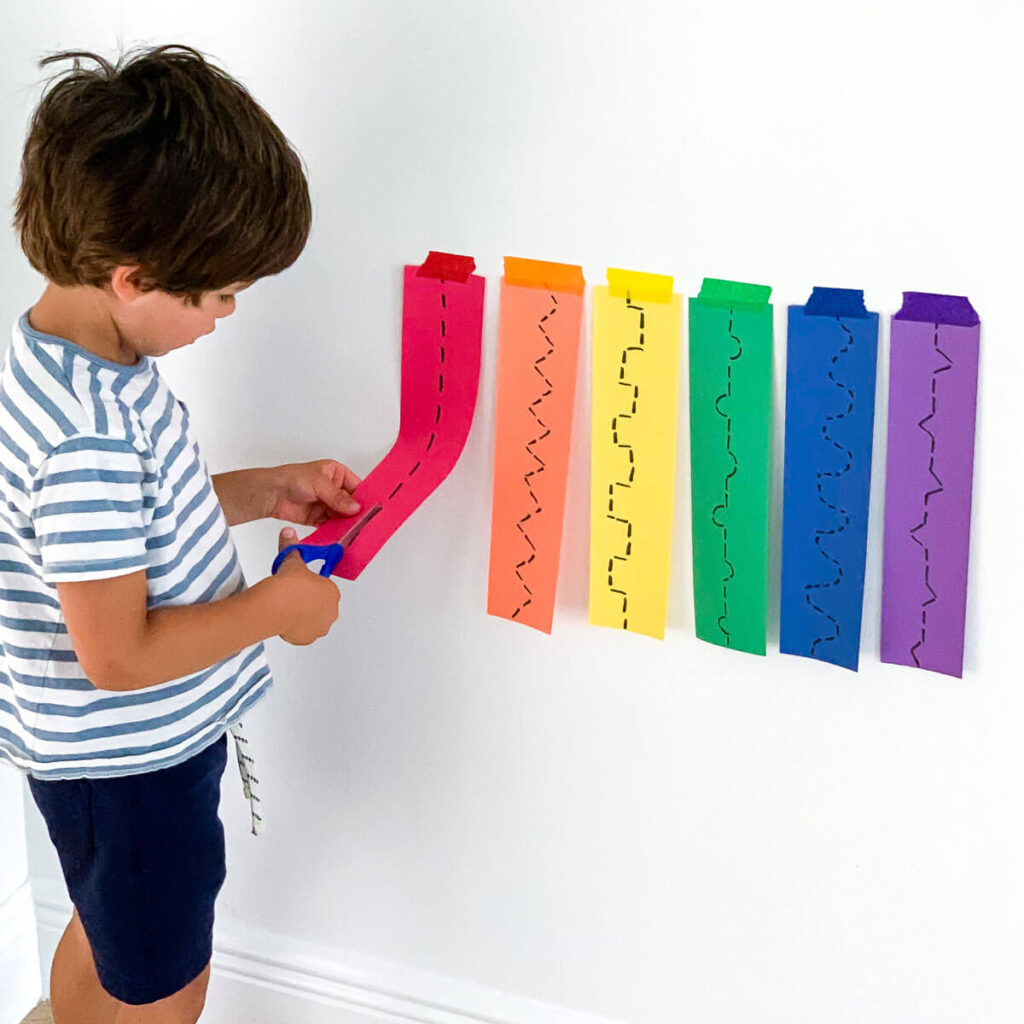
Cutting Activities
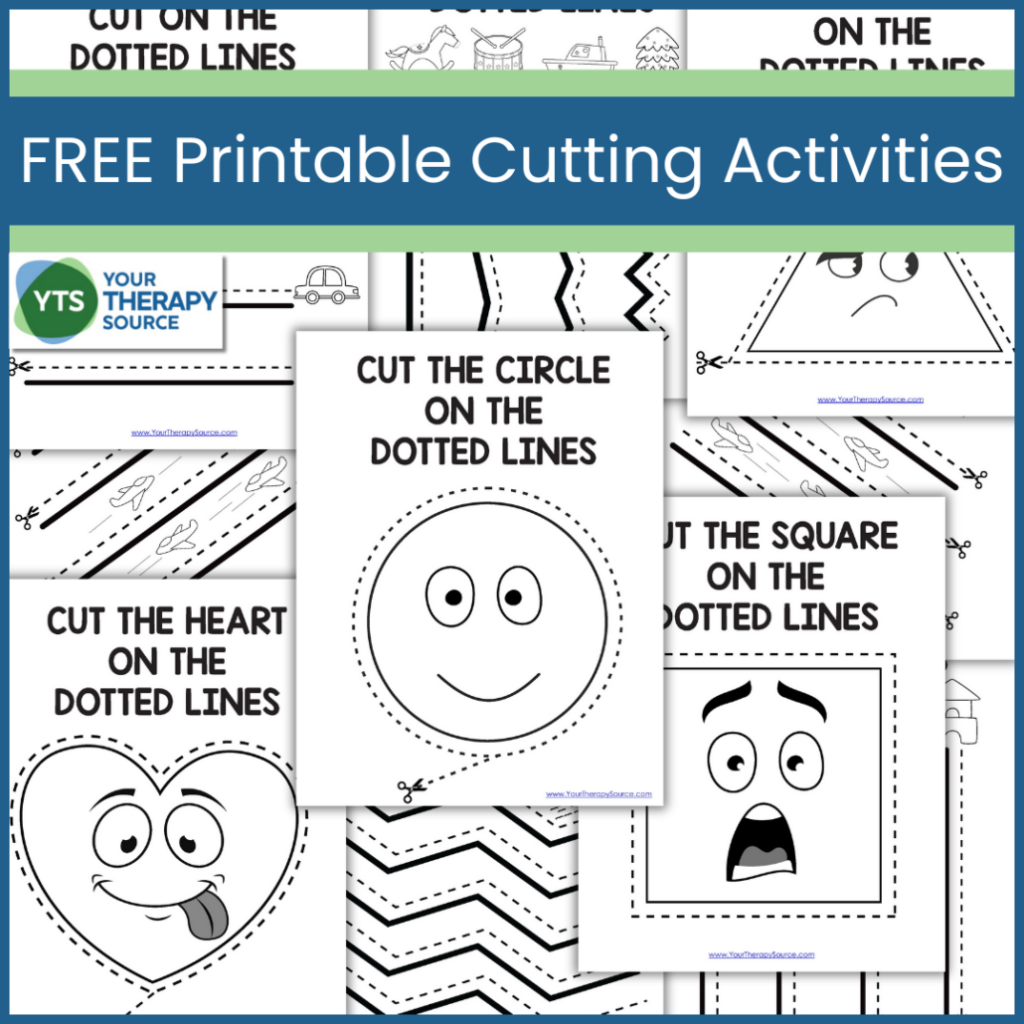
Free Printable Cutting Activities