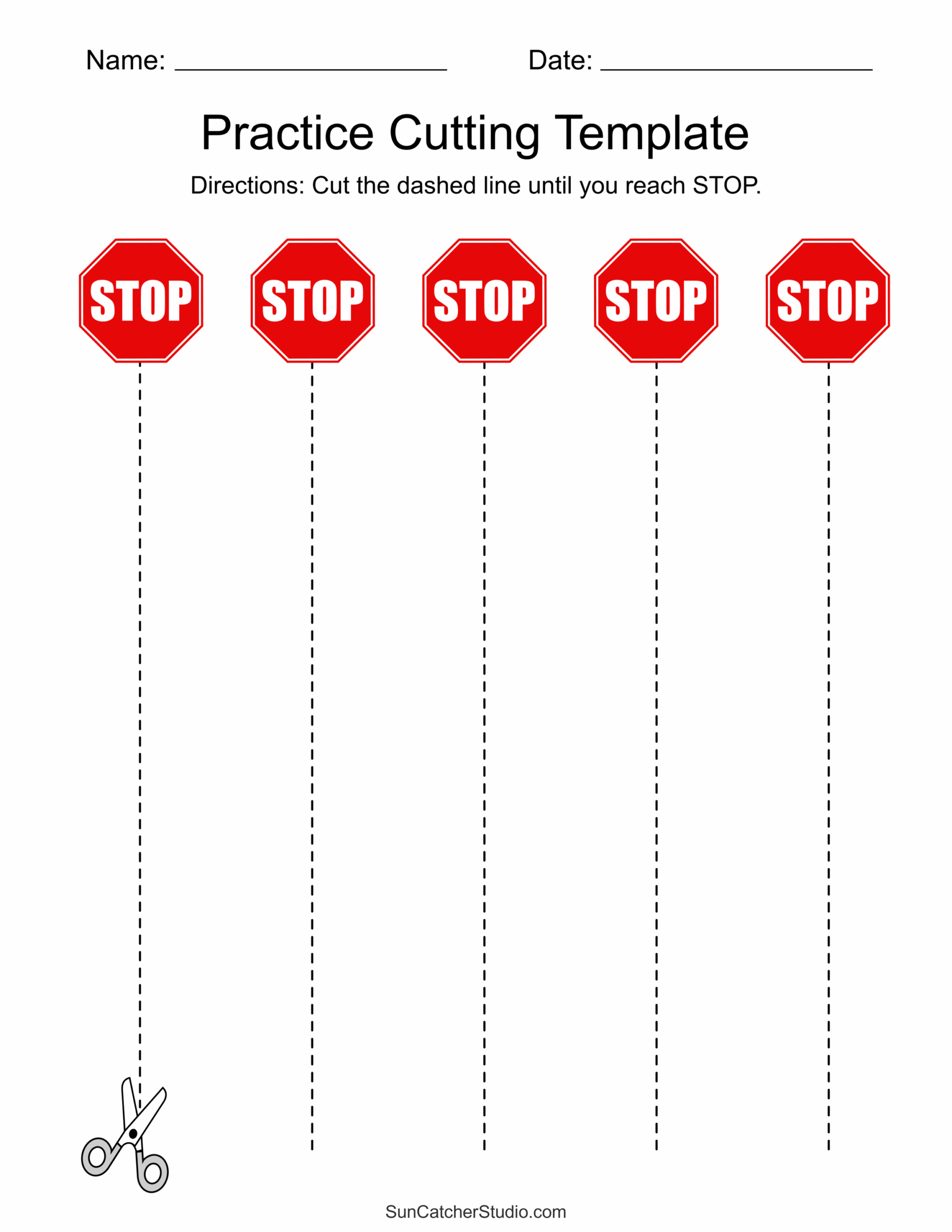
Practice cutting for kindergarten is an essential skill that helps young learners develop fine motor abilities while engaging in fun, hands-on activities. As children learn to use scissors, they not only enhance their dexterity but also gain confidence in their abilities. This article will explore various cutting activities, printable worksheets, and practical tips to support kindergarteners in mastering this important skill.
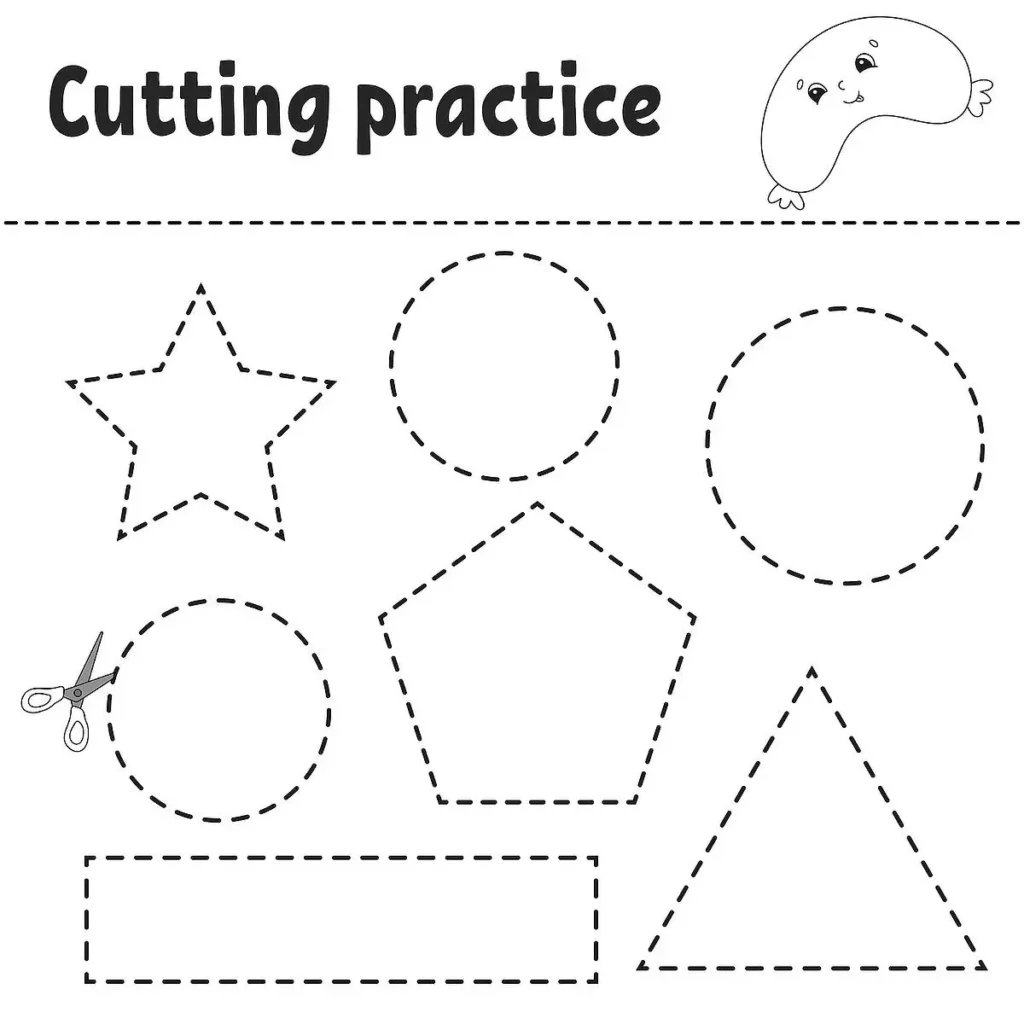
Practice Cutting For Kindergarten
Understanding the Importance of Cutting Skills
Cutting skills are crucial for young children as they lay the foundation for future writing and crafting activities. By practicing cutting, children improve their hand-eye coordination, grip strength, and overall dexterity. These skills are vital for tasks such as holding a pencil, buttoning clothes, and using utensils. Moreover, cutting activities can be integrated into various subjects, making learning more engaging and interactive.
Fun Cutting Activities for Kindergarten
Incorporating fun cutting activities into your child’s routine can make learning enjoyable. Here are some creative ideas:
- Nature Collage: Collect leaves, flowers, and other natural materials. Have children cut them into smaller pieces and glue them onto a larger sheet of paper to create a beautiful collage.
- Shape Cutting: Provide worksheets with various shapes outlined. Children can practice cutting along the lines to create different shapes that can later be used for sorting or matching games.
- Storytime Scissors: After reading a story, ask children to cut out pictures from magazines that relate to the story’s theme. This reinforces comprehension while practicing cutting skills.
Printable Worksheets for Cutting Practice
Printable worksheets are an excellent resource for structured cutting practice. They provide clear guidelines and allow children to focus on their technique. Here are some worksheet ideas:
- Line Tracing Worksheets: Create worksheets with dotted lines that children can trace with scissors. This helps them learn how to control their cutting movements.
- Animal Cutouts: Provide worksheets featuring animals that children can cut out and color. This combines art with fine motor skill development.
- Seasonal Themes: Design worksheets based on seasons or holidays, such as snowflakes for winter or leaves for autumn. This keeps the activities relevant and exciting throughout the year.
Tips for Effective Cutting Practice
To ensure a successful cutting experience, consider these practical tips:
- Use Child-Safe Scissors: Always provide scissors designed for young children. These scissors have rounded tips and are easier to handle.
- Pre-Cut Materials: For younger or less experienced children, consider pre-cutting some materials to build confidence before they attempt more complex cuts.
- Create a Comfortable Workspace: Set up a designated area with a sturdy table and good lighting where children can practice cutting without distractions.
The Role of Adult Supervision
Adult supervision is crucial during cutting activities to ensure safety and provide guidance. Here are some ways adults can support children:
- Demonstrate Proper Technique: Show children how to hold scissors correctly and how to cut safely. Encourage them to keep their fingers away from the blades.
- Encourage Independence: While supervision is important, allow children to explore cutting on their own once they feel comfortable. This builds confidence in their abilities.
- Praise Efforts: Celebrate children’s successes, no matter how small. Positive reinforcement encourages them to continue practicing.
Differentiating Activities for Various Skill Levels
Children develop cutting skills at different rates. Here are some ways to differentiate activities based on skill levels:
- Beginners: Start with straight lines and simple shapes like circles or squares. Use thicker paper for easier handling.
- Intermediate Learners: Introduce more complex shapes and patterns, such as zigzags or curves. Use thinner paper to challenge their control.
- Advanced Cutters: Encourage advanced learners to create intricate designs or even craft projects that require multiple cuts and assembly.
The Connection Between Cutting and Early Literacy
Cutting activities can also support early literacy development. As children cut out letters or words from worksheets, they engage with language in a tactile way. Here’s how you can integrate literacy into cutting practice:
- Cuts and Sounds: Have children cut out letters from magazines or printouts while saying the corresponding sounds aloud.
- Create Word Cards: After cutting out letters or words, encourage children to arrange them into simple words or phrases.
- Themed Story Projects: Combine cutting with storytelling by having children create visual aids for stories they tell or read together.
The Benefits of Hands-On Learning
The hands-on approach of cutting activities fosters engagement and retention among kindergarteners. Children learn best when they can physically interact with materials. By incorporating cutting into various subjects—such as math through shape sorting or science through nature collages—children gain a deeper understanding of concepts while developing essential skills.
Conclusion
The journey of mastering cutting skills in kindergarten is both fun and educational. By providing engaging activities, printable worksheets, and supportive supervision, parents and educators can help young learners thrive in their fine motor development. Explore more resources at CutPasteWorksheets.net, where you can find additional worksheets tailored for practice cutting for kindergarten!
If you’re looking for more ideas on hands-on learning activities, check out our collection of printable worksheets designed specifically for early childhood education!
This article highlights the importance of practice cutting for kindergarten while offering practical strategies and resources to support children’s development in this vital area.
Download Practice Cutting For Kindergarten
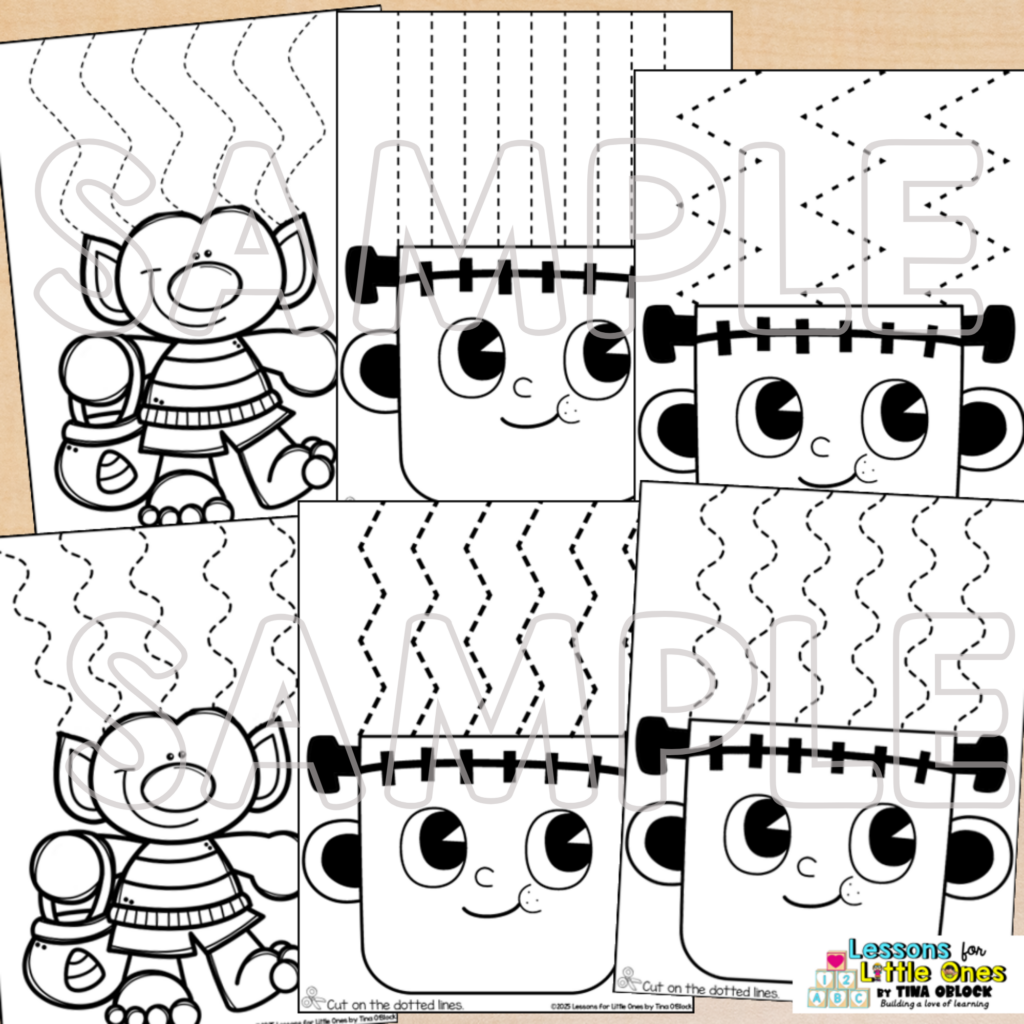
Fall Cutting Practice Activities That Make Scissor Skills Meaningful
Cutting Worksheets