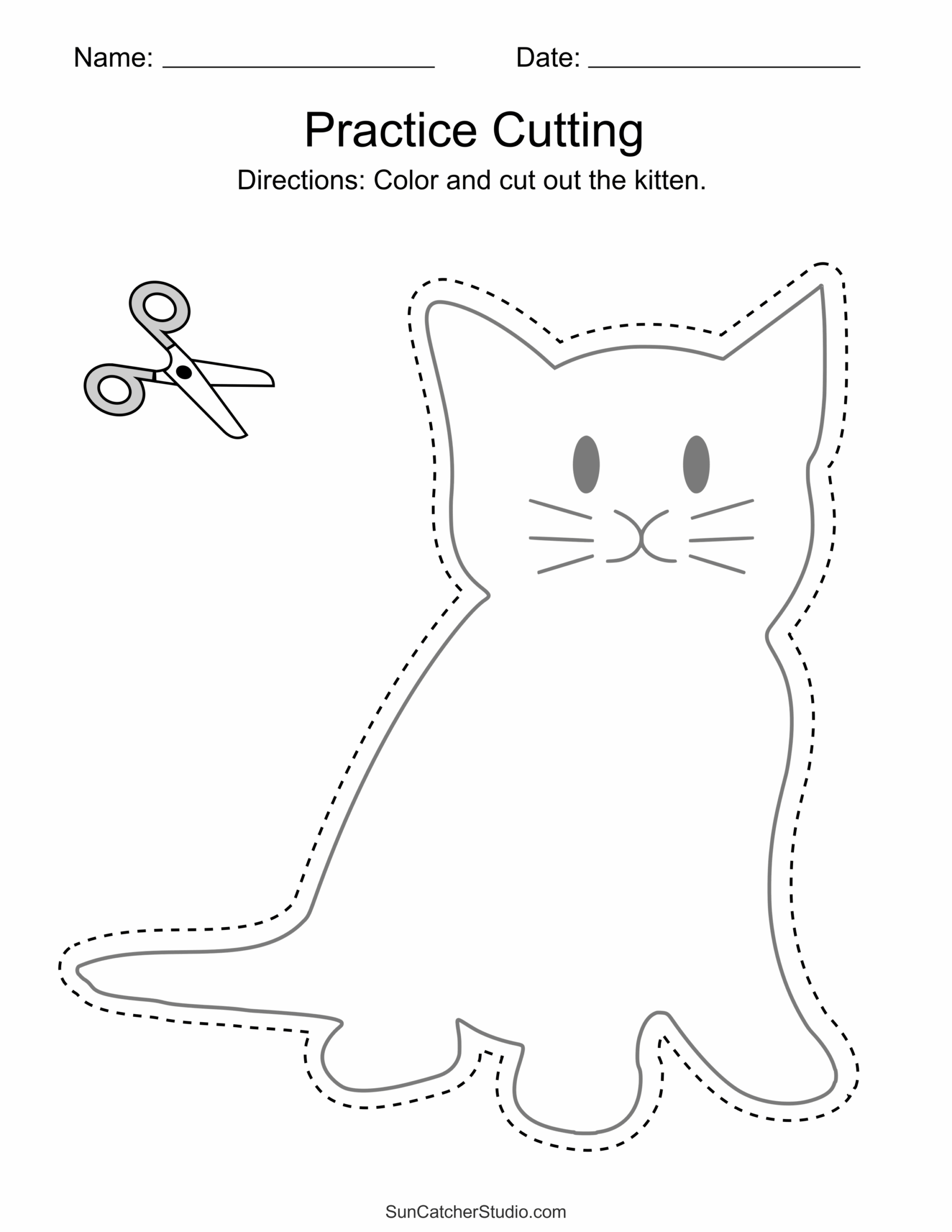
Cutting pictures for kindergarten is an engaging way to enhance fine motor skills while providing a fun, hands-on learning experience. As children learn to cut and paste, they not only develop essential coordination but also explore creativity and improve their focus. This article will delve into various activities and worksheets designed specifically for kindergarteners, ensuring that cutting pictures becomes an enjoyable and educational part of their early learning journey.
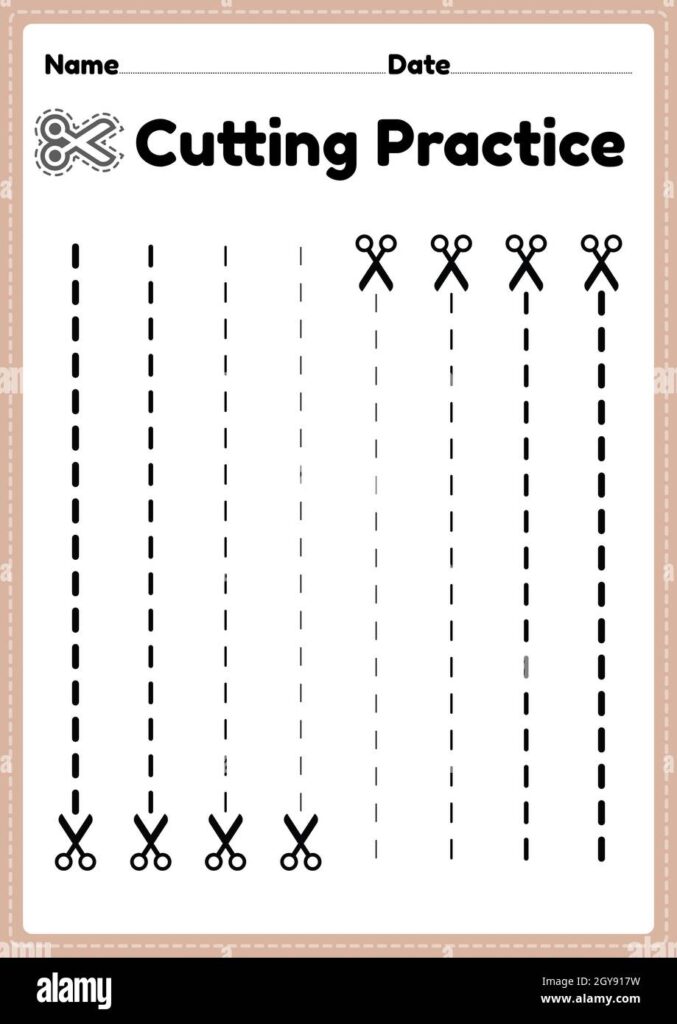
Cutting Pictures For Kindergarten
Benefits of Cutting Pictures for Kindergarten
Engaging in cutting activities offers numerous benefits for young learners. Here are some key advantages:
- Fine Motor Skill Development: Cutting helps strengthen hand muscles, improving grip and control.
- Hand-Eye Coordination: Children learn to coordinate their hand movements with visual cues.
- Creativity and Imagination: Cutting allows children to create their own art projects, fostering creativity.
- Focus and Concentration: Completing cutting tasks requires attention, helping children improve their focus.
Essential Materials for Cutting Activities
Before starting cutting activities, gather the following materials:
- Child-safe scissors: Ensure they are easy to handle for small hands.
- Washable glue sticks: Ideal for sticking cut pieces onto paper.
- Printable worksheets: Use worksheets with clear cutting lines for ease of use.
- Colorful paper or cardstock: Bright colors make the activity more appealing.
Engaging Cutting Picture Worksheets
Printable worksheets are a fantastic way to guide children through cutting activities. Here are some examples of effective worksheets:
Animal Cutouts
Create worksheets featuring various animals. Children can cut out the animals and then paste them onto a scene they create. This activity encourages storytelling as they can describe where each animal lives or what it does.
Seasonal Themes
Design worksheets based on seasons or holidays. For instance, a winter-themed worksheet could include snowflakes, mittens, and snowmen. Children can cut these out and create a winter collage, enhancing their understanding of seasonal changes.
Matching Activities
Create matching worksheets where children cut out images from one side and match them with corresponding images on another side. This not only practices cutting but also reinforces memory and recognition skills.
Step-by-Step Cutting Activity: Creating a Collage
This hands-on activity combines cutting with creativity. Follow these steps to create a fun collage:
- Select a Theme: Choose a theme such as “Under the Sea” or “Space Adventure.”
- Gather Images: Provide children with various images related to the theme that they can cut out.
- Cutting Practice: Encourage children to carefully cut out each image along the lines.
- Create the Collage: Have them arrange the cutouts on a larger sheet of paper and glue them down.
Differentiating Activities for Various Skill Levels
Recognizing that children develop at different rates is crucial. Here are ways to differentiate cutting activities:
Beginners
For younger or less experienced children, provide worksheets with thicker lines or larger images to cut out. Consider pre-cutting some shapes to build confidence.
Intermediate Learners
For those who have mastered basic cutting skills, introduce more intricate designs or smaller images. Encourage them to create patterns or sequences with their cutouts.
Advanced Cutters
If children are proficient in cutting, challenge them with complex shapes or multi-layered projects that require planning and organization.
The Role of Adult Supervision
While cutting activities are beneficial, adult supervision is essential for safety. Here are some tips for effective supervision:
- Create a Safe Environment: Ensure scissors are used in a designated area away from distractions.
- Demonstrate Proper Techniques: Show children how to hold scissors correctly and how to cut safely.
- Encourage Independence: Allow children to attempt cutting on their own while being available for assistance when needed.
Culminating Projects: Showcasing Their Work
A great way to celebrate children’s efforts is by showcasing their completed projects. Organize an art display where children can present their collages or other creations made from cutting activities. This not only boosts their confidence but also encourages peer interaction and appreciation for each other’s work.
The Importance of Playful Learning
The process of cutting pictures for kindergarten goes beyond just developing fine motor skills; it fosters a love for learning through play. By integrating fun themes and creative projects into cutting activities, educators and parents can make learning enjoyable while reinforcing essential skills that will benefit children in their educational journey.
If you’re looking for more engaging activities, check out our collection of printable worksheets. These resources provide additional opportunities for hands-on learning that complements cutting exercises effectively.
You can also explore more about early childhood education at reputable sources like the National Association for the Education of Young Children (NAEYC), which offers valuable insights into best practices in early learning environments.
Download Cutting Pictures For Kindergarten
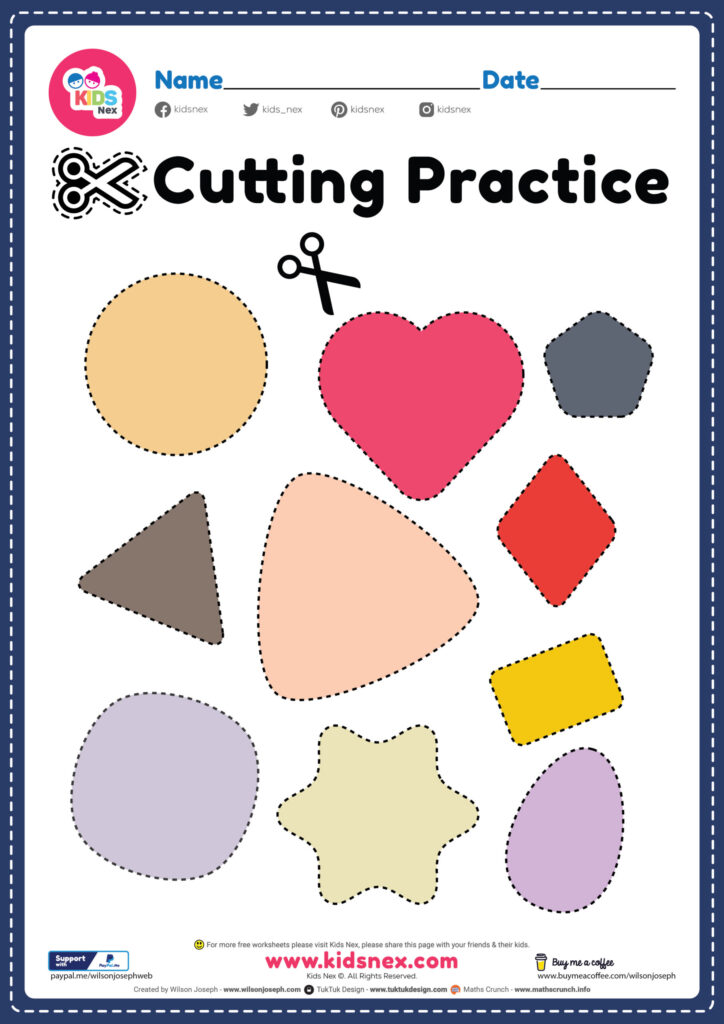
Cutting Practice
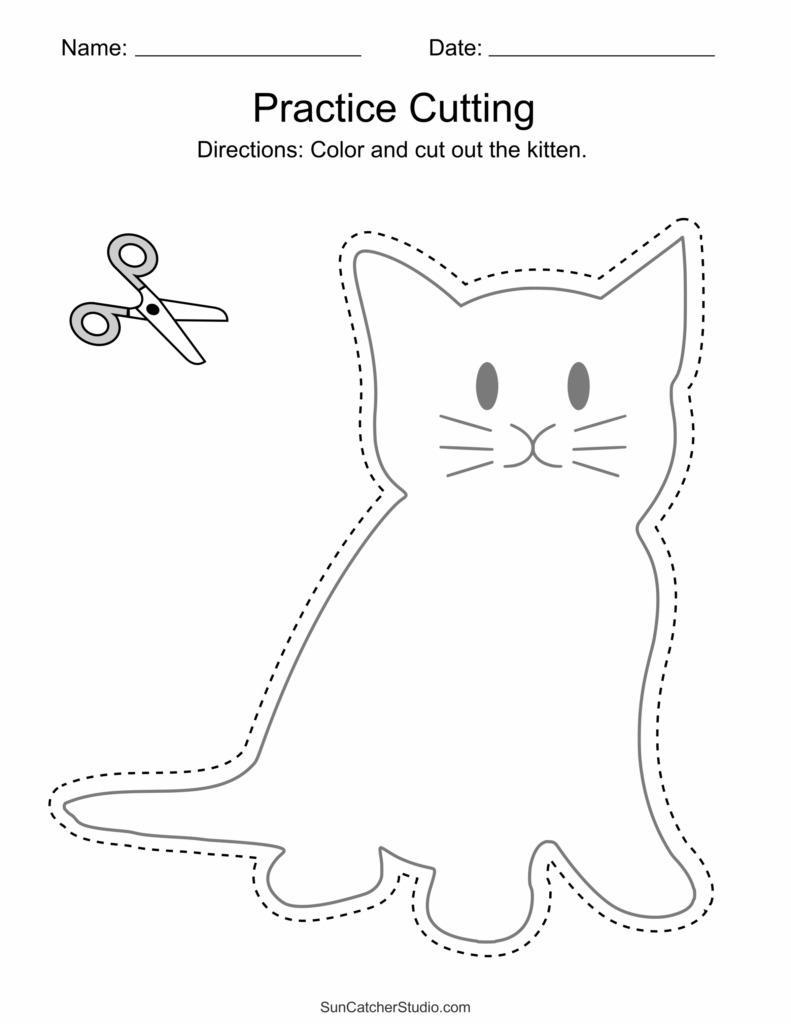
Cutting Worksheets