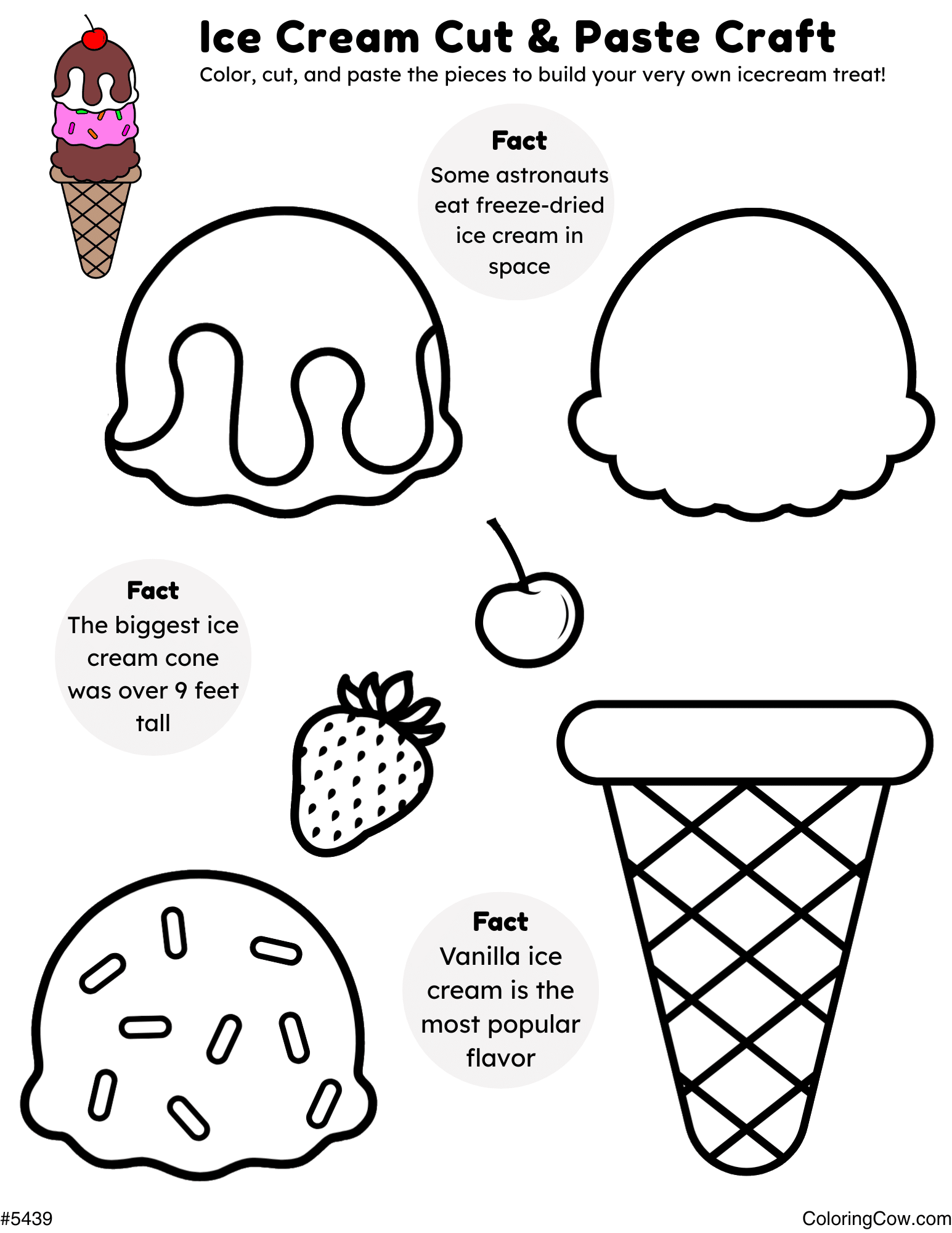
Cutting and pasting colorings are engaging activities that not only entertain young learners but also foster essential skills in preschool and kindergarten children. These hands-on tasks promote fine motor development, enhance creativity, and support early literacy through interactive learning. In this article, we will explore various cutting and pasting coloring activities, their educational benefits, and practical tips for implementing them in both classroom and home settings.
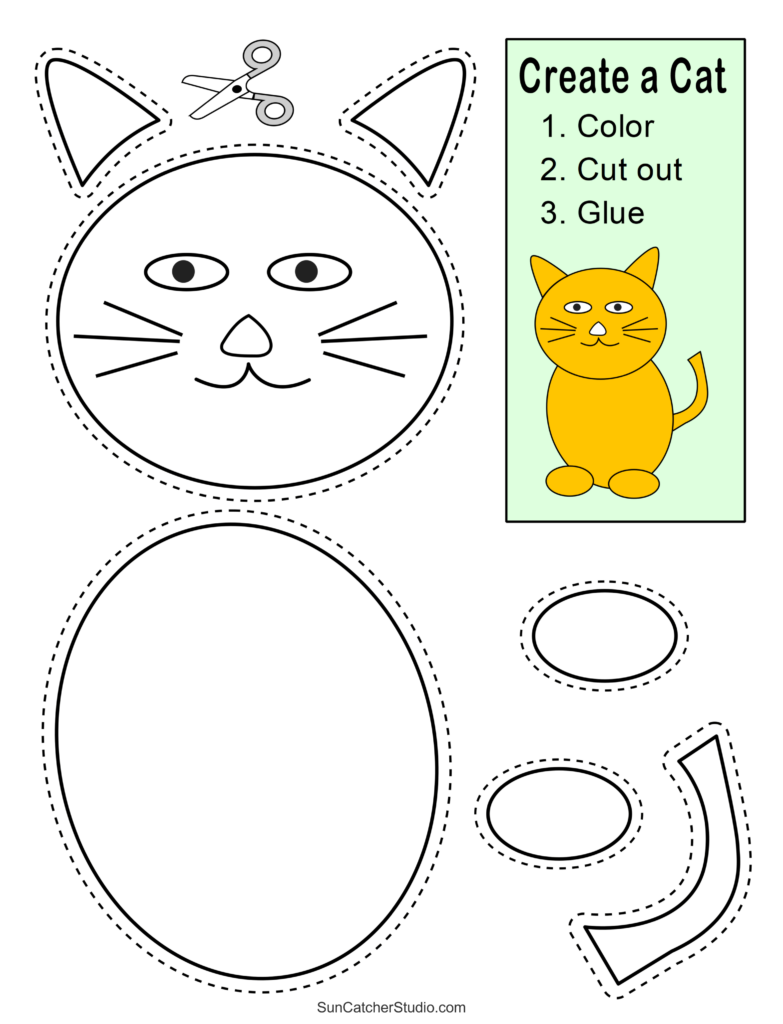
Cutting And Pasting Colorings
Understanding the Importance of Cutting and Pasting Activities
Cutting and pasting activities are vital for developing fine motor skills in young children. As they manipulate scissors and glue, they strengthen hand-eye coordination and dexterity. These skills are foundational for later tasks such as writing and drawing. Additionally, cutting and pasting colorings encourage creativity as children choose colors and design layouts, allowing them to express themselves artistically.
Creative Cutting and Pasting Colorings
One effective way to engage children is through themed cutting and pasting colorings. These worksheets can be centered around seasons, holidays, or educational topics. For example:
- Seasonal Themes: Create worksheets featuring seasonal elements like leaves in autumn or flowers in spring. Children can cut out these images and paste them onto a larger scene.
- Holiday Crafts: Design colorings related to holidays such as Christmas or Halloween. Kids can cut out ornaments or pumpkins to decorate their own festive scenes.
- Educational Topics: Use worksheets that incorporate animals, shapes, or numbers. Children can cut out pictures of animals to create a zoo scene or paste shapes to form a house.
Step-by-Step Guide to Implementing Cutting and Pasting Activities
To effectively implement cutting and pasting colorings in your teaching routine, follow these steps:
- Select Appropriate Worksheets: Choose worksheets that match the children’s skill levels. For younger children, opt for simpler designs with clear cutting lines.
- Prepare Materials: Ensure you have child-safe scissors, washable glue sticks, and suitable paper thickness for printing the worksheets.
- Demonstrate Techniques: Show children how to hold scissors properly and guide them on cutting along the lines. Demonstrating how to apply glue effectively will also help them succeed.
- Encourage Creativity: Allow children to decide where to place their cutouts on the page. This freedom fosters creativity and personal expression.
- Provide Support: Offer assistance as needed, especially for younger learners who may struggle with cutting precision.
Enhancing Learning Through Colorings
Coloring activities can be integrated with cutting and pasting tasks to enhance learning further. Here are some ideas:
- Color Recognition: Use colorings that require children to identify colors before cutting. This reinforces their understanding of color names.
- Storytelling: After completing a coloring project, encourage children to create a story about their artwork. This promotes language development and narrative skills.
- Cognitive Skills: Incorporate matching activities where children cut out images that correspond with words or numbers on the worksheet.
Differentiating Activities for Various Skill Levels
Differentiation is key when working with diverse learners. Here are some strategies to adjust cutting and pasting activities based on skill levels:
- Beginners: Provide worksheets with larger images that have thicker cutting lines. Consider using pre-cut shapes for those who may struggle with scissors.
- Intermediate Learners: Introduce more intricate designs with smaller pieces to challenge their cutting skills while still being manageable.
- Advanced Learners: Encourage these children to create their own designs by drawing images first before cutting them out, promoting both creativity and skill development.
Tips for Successful Implementation at Home
If you’re looking to incorporate cutting and pasting colorings at home, consider these practical tips:
- Create a Dedicated Space: Set up a craft area with all necessary materials easily accessible for your child.
- Simplify Cleanup: Use washable glue sticks to minimize messes, making it easier for both you and your child during cleanup time.
- Encourage Collaboration: Join your child in these activities to foster bonding while also guiding them through the process.
The Role of Adult Supervision
While engaging in cutting and pasting activities, adult supervision is crucial to ensure safety. Always use child-safe scissors and monitor young learners closely as they handle tools. Additionally, consider pre-cutting complex shapes for younger children or those who may need extra support.
The Benefits of Reusing Worksheets
An eco-friendly approach is reusing worksheets by laminating them or using clear plastic sleeves. Children can use dry-erase markers for coloring before cutting out pieces multiple times without wasting paper. This not only saves resources but also allows for repeated practice of fine motor skills.
Conclusion: Embracing Hands-On Learning
The integration of cutting and pasting colorings into early childhood education provides numerous benefits that extend beyond mere fun. By fostering fine motor skills, enhancing creativity, and supporting literacy development, these activities lay a strong foundation for future learning experiences. For more engaging printable worksheets tailored for preschoolers, visit our collection at CutPasteWorksheets.net.
If you’re interested in exploring more educational resources related to early childhood learning, check out our categories on preschool education or kindergarten activities!
Download Cutting And Pasting Colorings
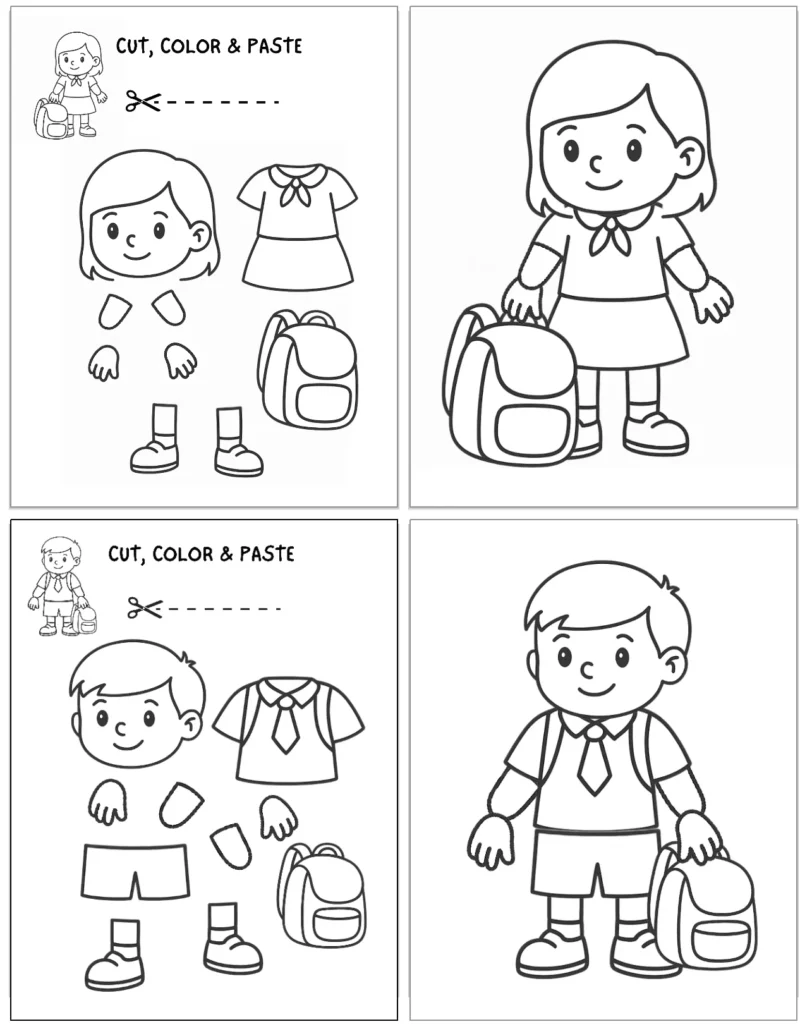
School Kid Cut And Paste Craft
Ice Cream Cut Paste Craft