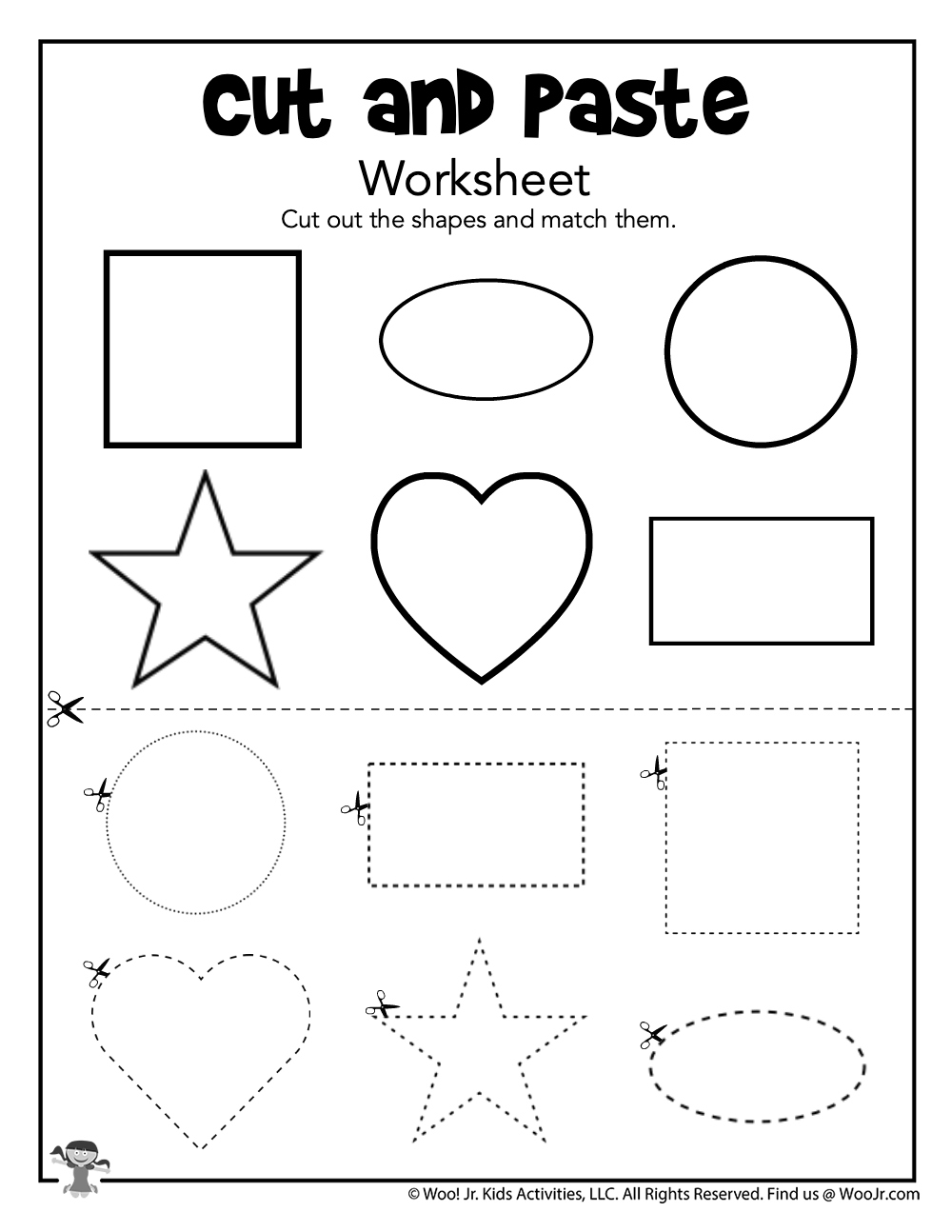
Cut and glue shapes activities are an engaging way for preschool and kindergarten children to develop essential skills while having fun. These hands-on tasks not only enhance fine motor skills but also introduce basic geometric concepts. By incorporating cut and glue shapes into learning, educators and parents can create a dynamic environment that fosters creativity and critical thinking. This article explores various cut and glue shapes activities, their educational benefits, and practical tips for implementation.
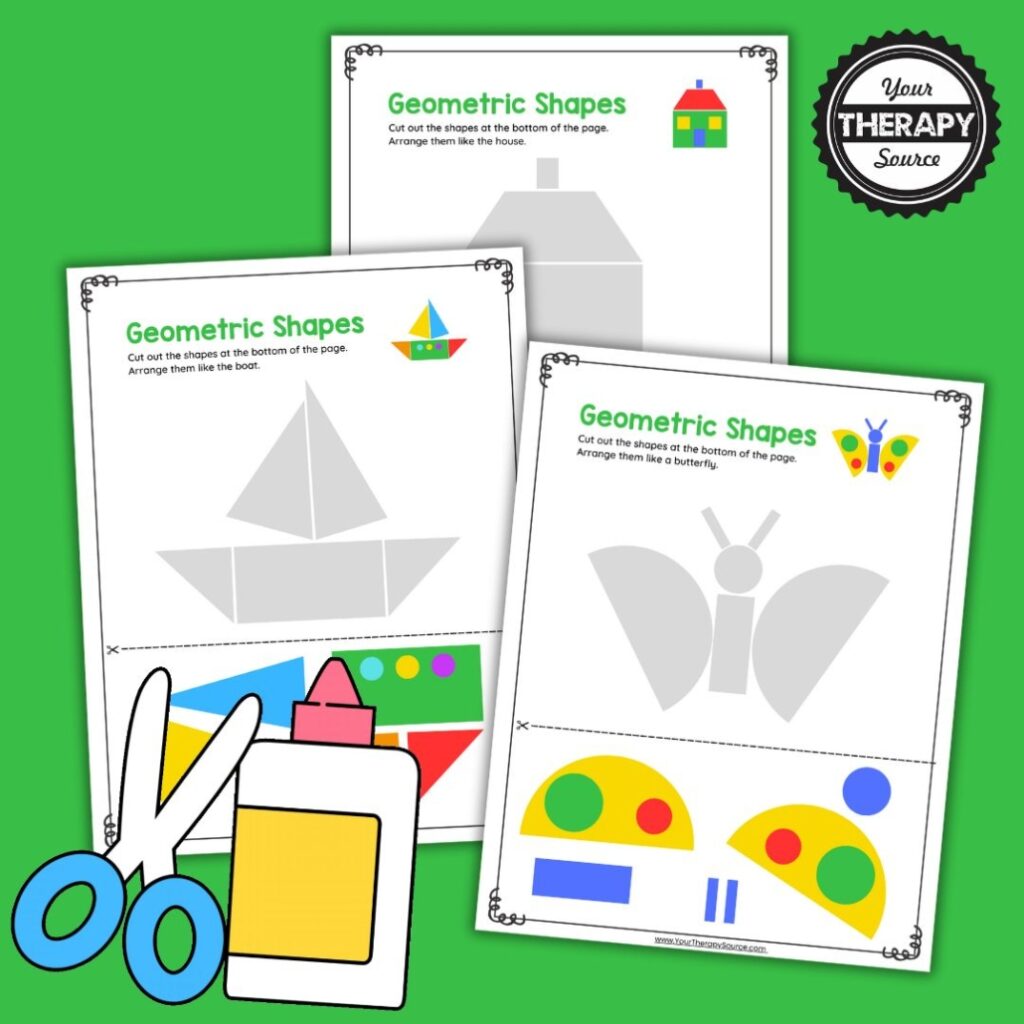
Cut And Glue Shapes
Understanding Cut And Glue Shapes Activities
Cut and glue shapes activities involve providing children with printed shapes that they can cut out and paste onto a designated area, such as a worksheet or craft project. This method encourages children to practice their scissor skills while also learning about different shapes, colors, and spatial relationships. These activities can be tailored to suit various age groups, making them versatile tools in early childhood education.
Benefits of Cut And Glue Shapes for Young Learners
- Fine Motor Skill Development: Cutting out shapes helps strengthen hand muscles and improve coordination.
- Cognitive Skills: Identifying and sorting shapes enhances problem-solving abilities.
- Creativity: Children can express themselves through art by creating unique designs with the shapes they cut out.
- Language Development: Discussing shapes and colors during activities promotes vocabulary growth.
Age-Appropriate Activities Using Cut And Glue Shapes
When planning cut and glue shapes activities, consider the developmental stage of the children involved. Here are some tailored ideas:
For Preschoolers (Ages 3-4)
- Simple Shape Collage: Provide large, easy-to-cut shapes like circles, squares, and triangles. Encourage children to create a collage by gluing the shapes onto a blank sheet of paper.
- Shape Sorting: Offer a mix of cut-out shapes for children to sort by color or type before gluing them onto their collage.
For Kindergarteners (Ages 5-6)
- Shape Patterns: Introduce patterns by having children create sequences using different shapes. They can cut out the shapes and glue them in a specific order.
- Storytelling with Shapes: Ask children to create a scene using cut-out shapes that represent characters or objects in a story they invent.
Practical Tips for Implementing Cut And Glue Shapes Activities
To ensure a successful cut and glue experience, consider the following tips:
- Preparation: Pre-cut complex shapes for younger children or provide templates for them to trace before cutting.
- Materials: Use child-safe scissors and washable glue sticks to promote safety during activities.
- Workspace Setup: Organize materials in advance to minimize distractions. Provide ample space for each child to work comfortably.
Integrating Cut And Glue Shapes into Daily Learning
Cut and glue shapes can be seamlessly integrated into various subjects beyond art. Here are some ideas:
Math Integration
Create math-focused activities where children can use cut-out shapes to solve simple addition or subtraction problems. For example, they could glue three circles on one side of the paper and two squares on the other, then count the total number of shapes.
Literacy Integration
Incorporate literacy by having children label their shape collages with words describing each shape or creating sentences about their artwork. This reinforces both shape recognition and language skills.
Resources for Printable Cut And Glue Shapes Worksheets
If you’re looking for printable worksheets that feature cut and glue shapes, visit CutPasteWorksheets.net. The site offers a variety of resources tailored for preschool and kindergarten educators, ensuring that you have access to high-quality materials that support early learning objectives.
The Importance of Supervision During Activities
While engaging in cut and glue activities, adult supervision is crucial. Ensure that children are using scissors safely and applying glue appropriately. Encourage them to ask for help if they encounter difficulties during the activity. This not only promotes safety but also fosters independence as they learn to navigate challenges with guidance.
Culminating Projects with Cut And Glue Shapes
Culminating projects can be an exciting way to showcase what children have learned through cut and glue activities. Consider organizing an art show where students display their collages or patterns. This not only celebrates their hard work but also builds confidence as they share their creations with peers and family members.
The integration of cut and glue shapes into early childhood education provides numerous benefits that extend beyond simple craft projects. By fostering fine motor skills, cognitive development, creativity, and language growth, these activities lay a strong foundation for future learning experiences. With thoughtful planning and execution, educators can create engaging environments where young learners thrive through hands-on exploration.
If you’re interested in enhancing your teaching toolkit with more engaging resources, explore additional categories on preschool worksheets, which offer a variety of educational materials designed to support early childhood learning effectively.
The journey of learning through cut and glue shapes is not just about creating art; it’s about building essential skills that will benefit children throughout their educational paths. Embrace these activities as valuable tools in your teaching repertoire!
Download Cut And Glue Shapes
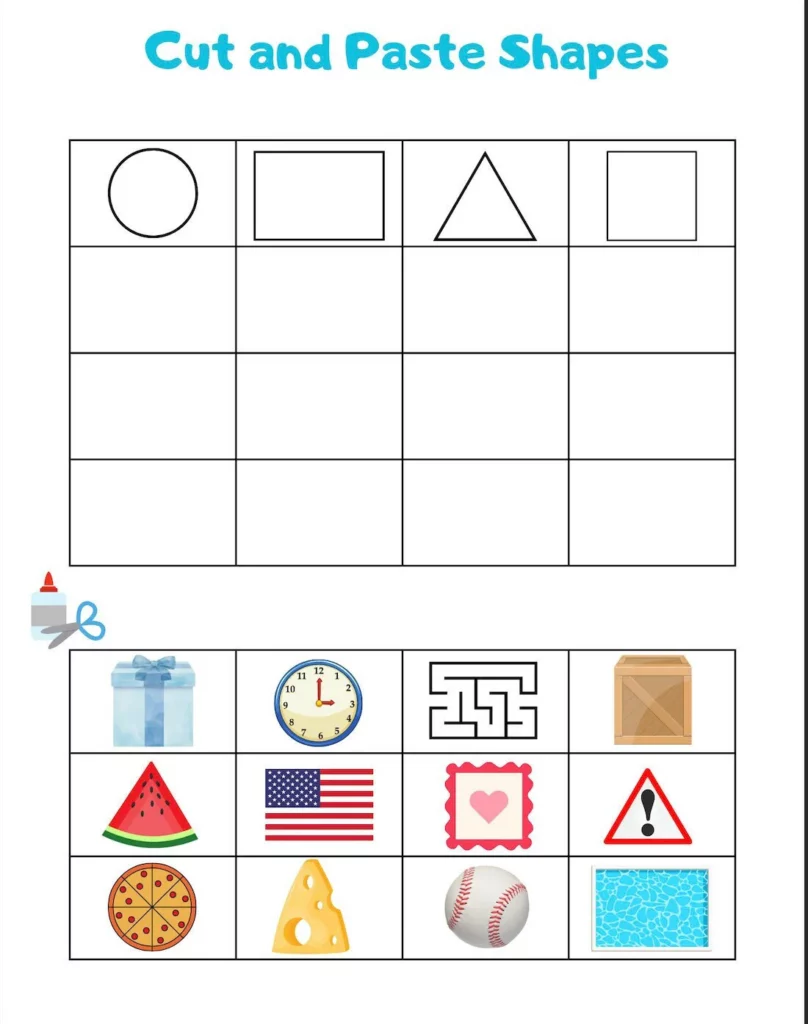
Cut And Paste Shape Worksheet
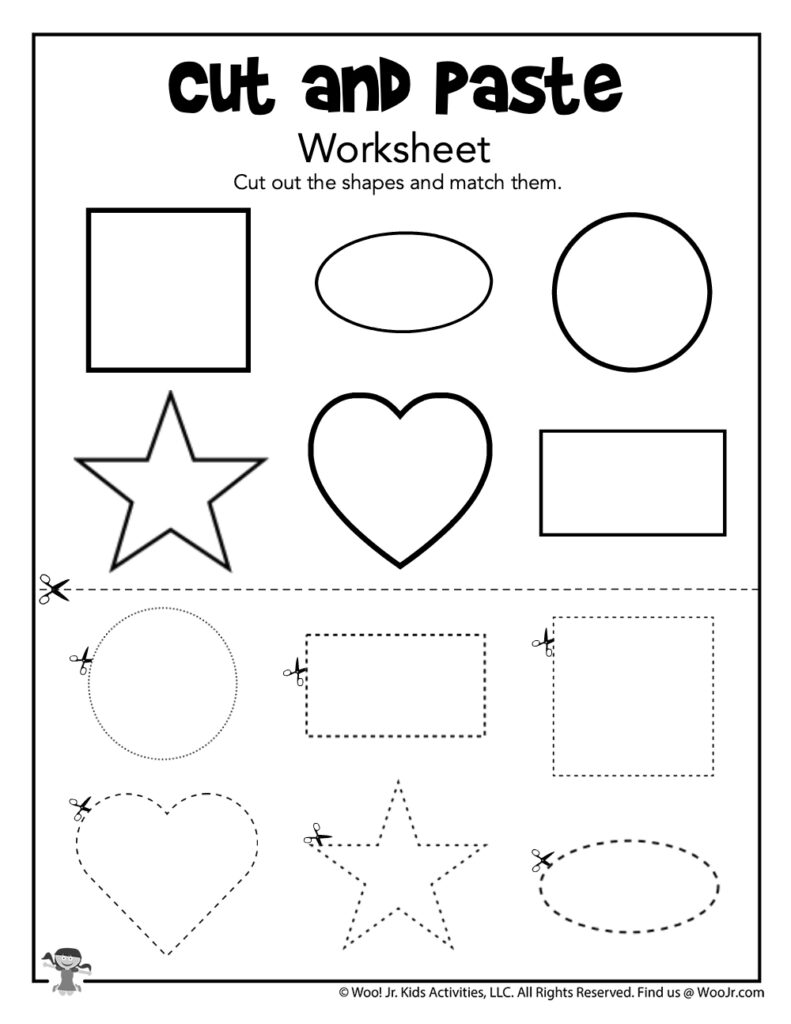
Cut And Paste Shapes Worksheets