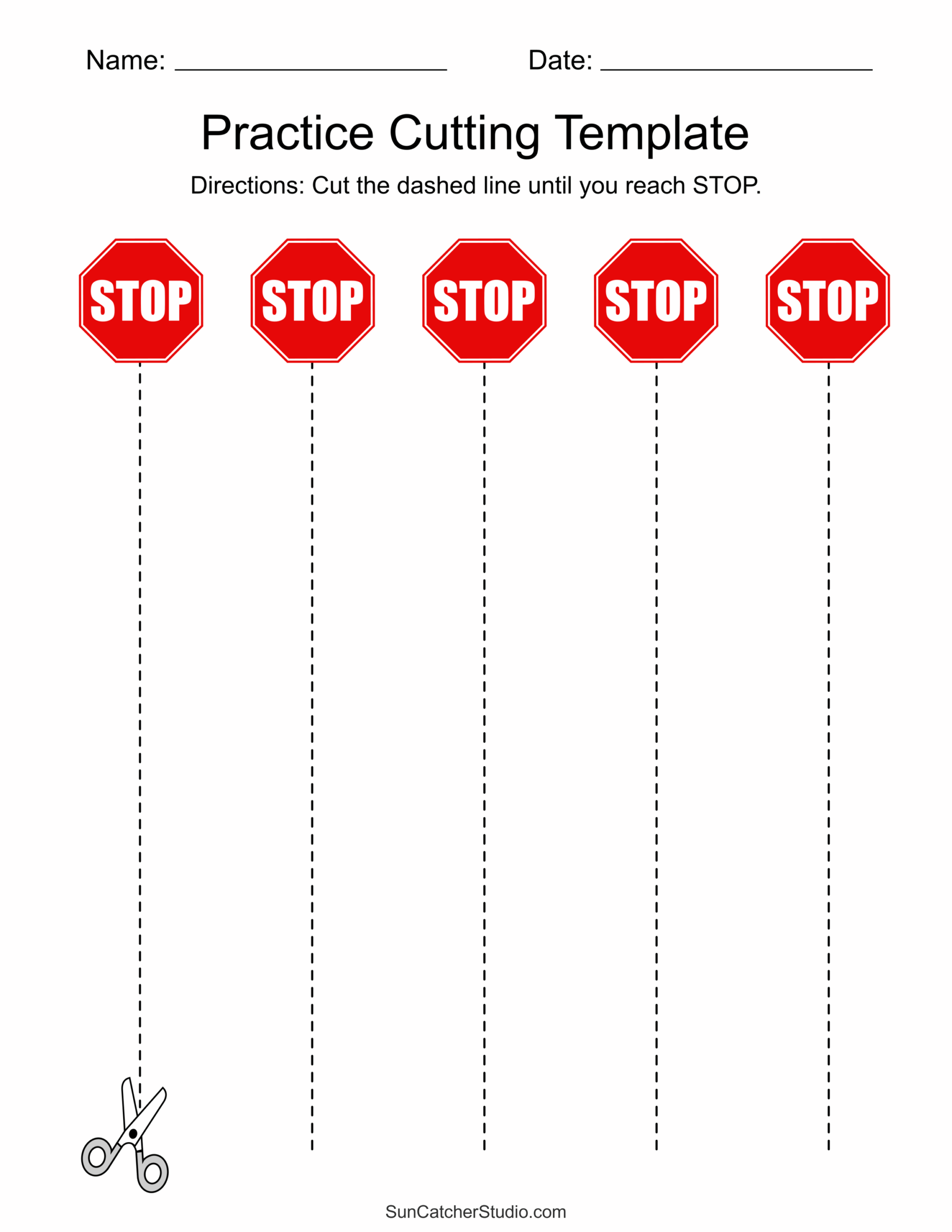
Printable cutting practice for preschoolers is an essential activity that helps young learners develop fine motor skills while engaging in fun, hands-on learning. These worksheets not only enhance scissor skills but also promote creativity and concentration. In this article, we will explore various types of cutting practice worksheets, their educational benefits, and practical tips for incorporating them into your preschool or home learning environment.
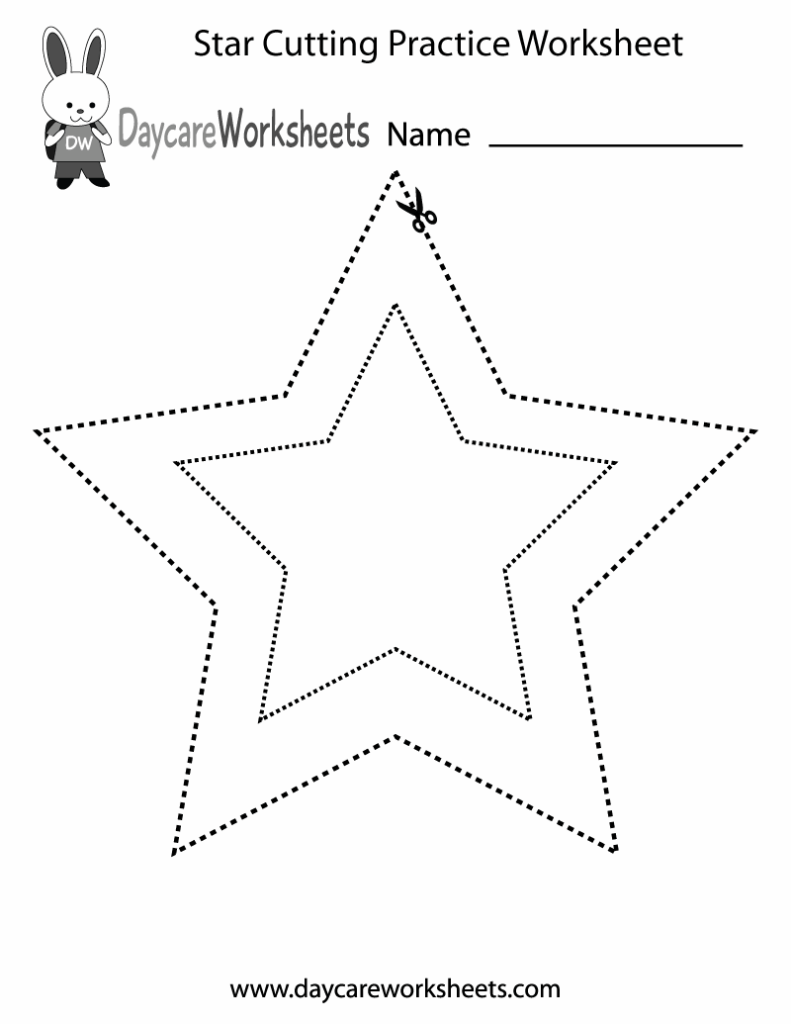
Printable Cutting Practice For Preschoolers
Understanding the Importance of Cutting Practice
Cutting practice is crucial for preschoolers as it aids in the development of fine motor skills. These skills are foundational for tasks such as writing, drawing, and self-care activities. By using scissors, children learn to control hand movements, improve hand-eye coordination, and enhance their focus. Engaging in cutting activities also fosters independence and boosts confidence as they master new skills.
Types of Printable Cutting Practice Worksheets
There are various types of printable cutting practice worksheets designed to cater to different skill levels and interests. Here are some popular options:
- Simple Shapes: Worksheets featuring basic shapes like circles, squares, and triangles help beginners practice cutting along straight lines.
- Curved Lines: As children gain confidence, introduce worksheets with curved lines to challenge their cutting abilities.
- Themed Worksheets: Incorporate seasonal themes or favorite characters to make cutting practice more engaging. For example, holiday-themed worksheets can include snowflakes or pumpkins.
- Picture Cutting: Worksheets that require children to cut out pictures can enhance their creativity while practicing precision.
How to Use Cutting Practice Worksheets Effectively
To maximize the benefits of cutting practice worksheets, consider the following strategies:
- Preparation: Ensure that children have access to child-safe scissors and washable glue sticks. Adult supervision is recommended during cutting activities.
- Demonstration: Show children how to hold scissors properly and guide them on how to cut along the lines. Demonstrating the process can help them understand what is expected.
- Start Simple: Begin with simple shapes and gradually introduce more complex designs as their skills improve.
- Create a Cutting Station: Set up a dedicated area with all necessary materials, including worksheets, scissors, and a safe space for cutting.
Incorporating Cutting Practice into Daily Activities
Integrating cutting practice into everyday activities can make learning more enjoyable. Here are some ideas:
- Craft Projects: Use cutting worksheets as part of craft projects where children can create collages or decorations.
- Storytime Activities: After reading a story, provide worksheets related to the book’s theme for children to cut out characters or objects.
- Sensory Bins: Include cut-out shapes in sensory bins filled with rice or beans for an interactive experience that combines cutting with sensory play.
Differentiating Cutting Activities for Various Skill Levels
Recognizing that children develop at different rates is essential when planning cutting activities. Here are some ways to differentiate tasks:
- Easier Options: For beginners, provide worksheets with thicker lines or larger shapes to make cutting easier.
- Advanced Challenges: For more experienced cutters, offer intricate designs or patterns that require greater precision.
- Pre-Cut Shapes: For children who may struggle with scissor skills, consider providing pre-cut shapes they can glue onto another paper instead of cutting themselves.
The Role of Adult Support in Cutting Practice
The involvement of adults is crucial in guiding preschoolers through cutting activities. Here are some ways adults can support learning:
- Encouragement: Offer positive reinforcement as children complete their cutting tasks to build their confidence.
- Feedback: Provide constructive feedback on their technique and suggest improvements without discouraging them.
- Create a Safe Environment: Ensure that the workspace is safe and free from distractions so that children can focus on their tasks.
Printable Resources for Cutting Practice
You can find a variety of printable cutting practice worksheets online. Websites like CutPasteWorksheets.net offer a range of options tailored for preschoolers. Look for resources that provide clear cutting lines and engaging themes to keep children motivated while they learn.
The Benefits of Hands-On Learning Through Cutting Activities
The hands-on nature of cutting activities provides numerous benefits beyond fine motor skill development. Engaging in these tasks encourages creativity as children decide how to use their cutouts in crafts or storytelling. Additionally, it promotes cognitive skills such as problem-solving when they navigate how to cut complex shapes or follow patterns accurately.
Conclusion: Making Learning Fun with Cutting Practice
Printable cutting practice for preschoolers is an effective way to combine skill development with fun learning experiences. By incorporating various types of worksheets and hands-on activities into your teaching approach, you can create an engaging environment that fosters growth in fine motor skills and creativity. Remember to adapt activities based on individual skill levels and provide plenty of encouragement along the way!
If you’re looking for more resources on early childhood education activities, check out our other articles on preschool activities.
Download Printable Cutting Practice For Preschoolers
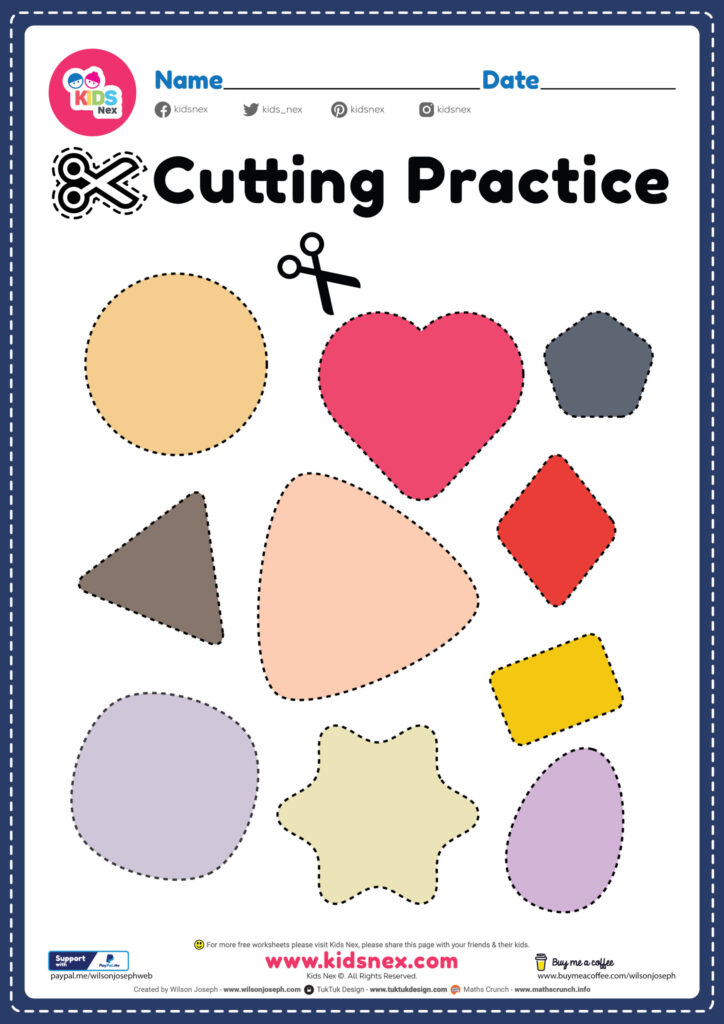
Cutting Practice
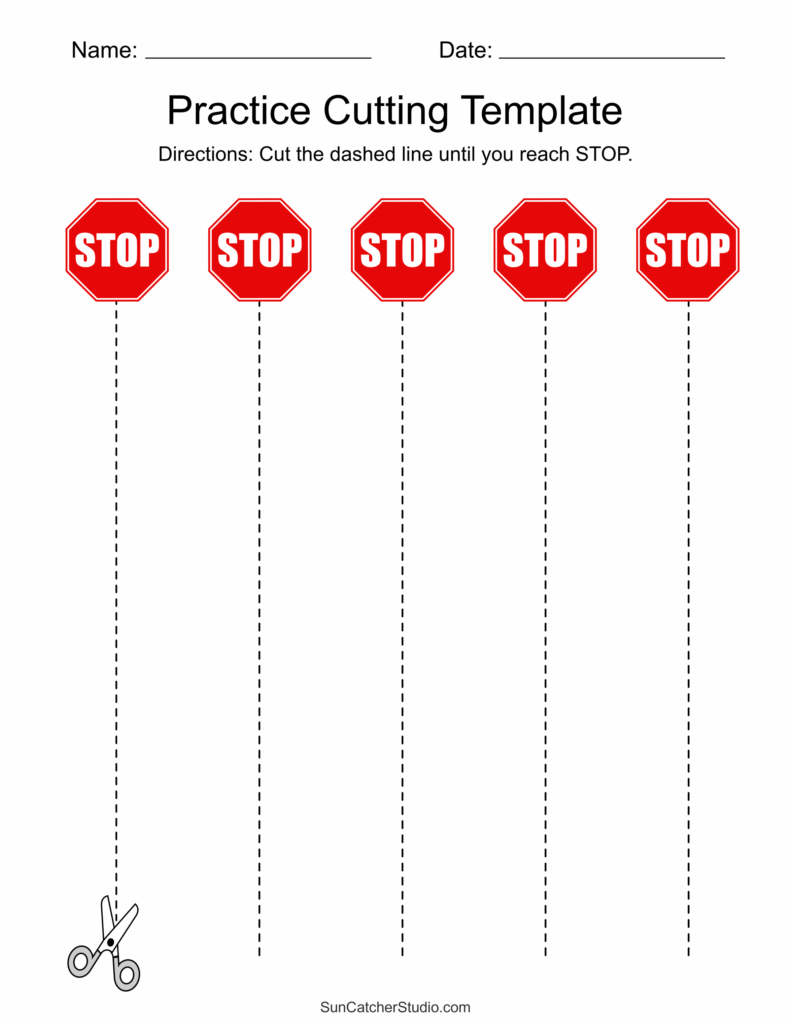
Cutting Worksheets