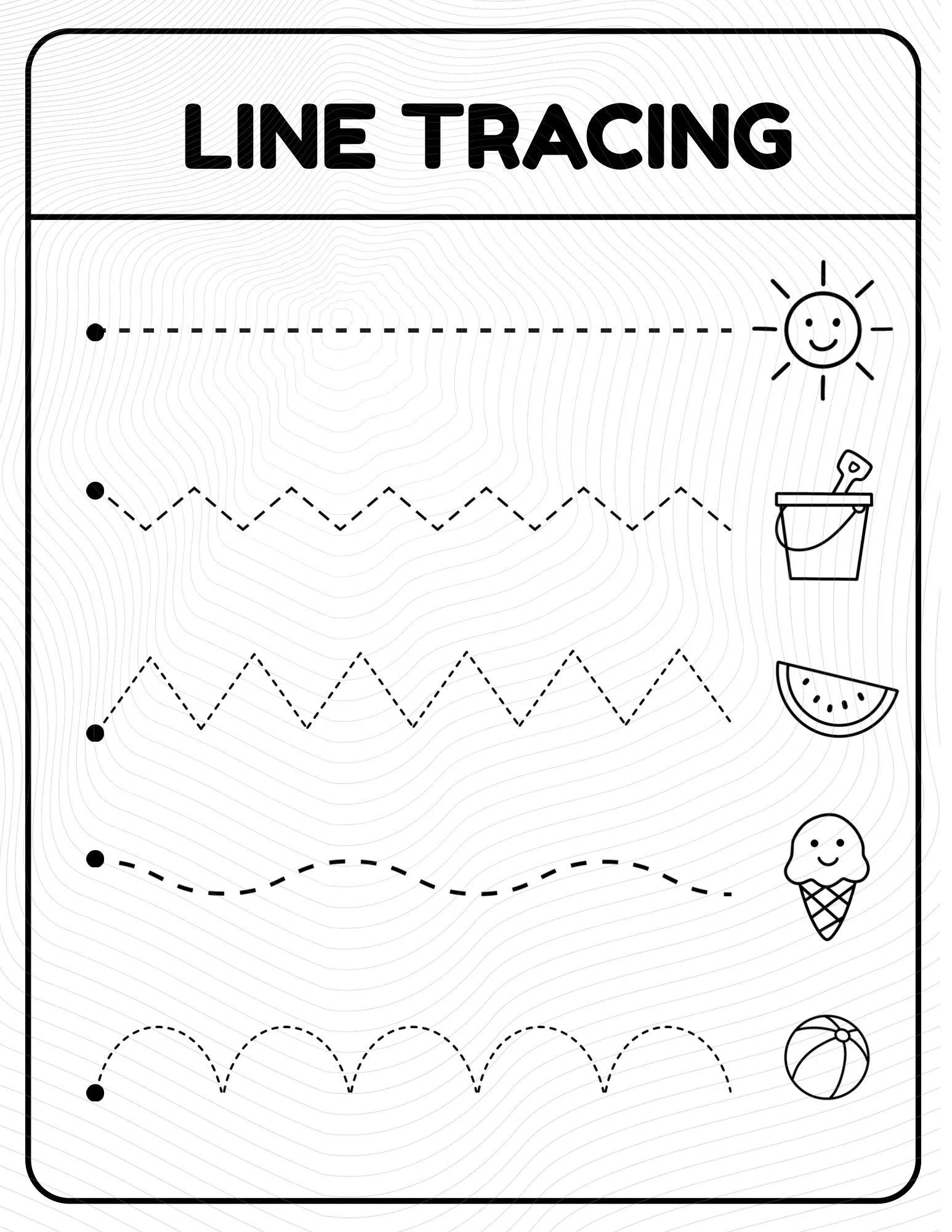
Introducing a worksheet for kindergarten tracing lines is an excellent way to enhance fine motor skills and prepare young learners for writing. Tracing lines helps children develop hand-eye coordination, control over writing instruments, and an understanding of spatial relationships. This engaging activity not only supports early literacy but also lays the groundwork for future academic success. In this article, we will explore various aspects of tracing lines, including practical applications, creative activities, and tips for effective teaching.
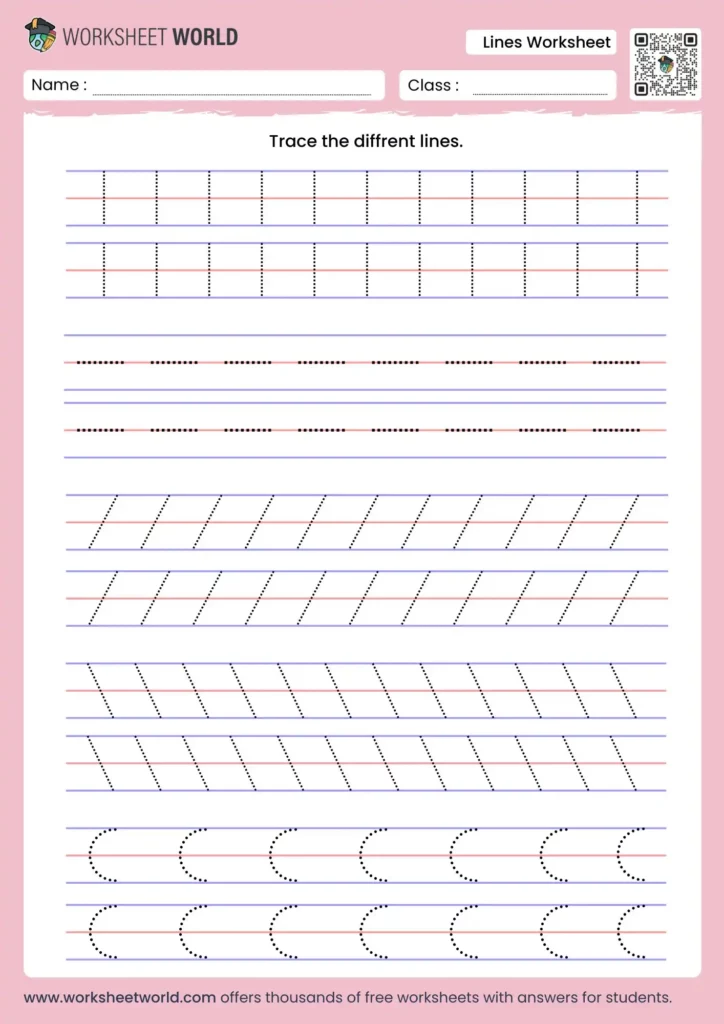
Worksheet For Kindergarten Tracing Lines
Understanding the Importance of Tracing Lines
Tracing lines is a fundamental skill that aids in the development of fine motor skills in preschool and kindergarten-aged children. As they practice tracing, children learn to control their hand movements, which is essential for writing letters and numbers later on. This activity also encourages focus and concentration, helping young learners to engage with their tasks more effectively.
Practical Applications of Tracing Lines Worksheets
Worksheets designed for tracing lines can be utilized in various educational settings, including classrooms and homes. Here are some practical applications:
- Classroom Activities: Teachers can incorporate tracing line worksheets into daily lesson plans, allowing students to practice during center time or as part of a structured lesson.
- Home Learning: Parents can use these worksheets to reinforce skills learned in school, providing additional practice in a familiar environment.
- Group Activities: Tracing lines can be turned into a fun group activity where children work together to complete large sheets or collaborate on creative projects.
Creative Tracing Line Activities
To make tracing lines more engaging, consider incorporating creative activities that complement the worksheets:
- Art Integration: Have children trace lines using different colors or materials like crayons, markers, or even finger paints to create colorful artworks.
- Themed Worksheets: Design worksheets around themes such as animals, seasons, or holidays to capture children’s interest and make learning fun.
- Outdoor Tracing: Use sidewalk chalk to create large tracing lines outside. Children can trace with their fingers or hop along the lines as a physical activity.
Differentiating Tracing Line Activities
Recognizing that children develop at different rates is crucial when planning tracing line activities. Here are some strategies for differentiation:
- Simplified Lines: For younger or less experienced children, provide worksheets with thicker lines or dotted lines that are easier to follow.
- Advanced Challenges: For more advanced learners, introduce worksheets with curves or zigzag patterns to increase difficulty and encourage skill development.
- Multi-Sensory Approaches: Incorporate tactile materials such as sandpaper or textured paper for children to trace over with their fingers before using writing tools.
Tips for Effective Teaching of Tracing Lines
To maximize the benefits of tracing line activities, consider these teaching tips:
- Modeling: Demonstrate how to trace lines correctly before allowing children to practice independently. This visual guidance helps them understand expectations.
- Praise Efforts: Encourage children by praising their efforts and progress rather than focusing solely on accuracy. Positive reinforcement builds confidence.
- Create a Routine: Establish a consistent routine for tracing line activities so that children know what to expect and can develop a sense of security in their learning environment.
The Role of Fine Motor Skills in Early Learning
The development of fine motor skills through activities like tracing lines is vital for young learners. These skills are not only essential for writing but also play a role in everyday tasks such as buttoning shirts or using utensils. By integrating tracing line worksheets into early education, we support holistic development that prepares children for future challenges.
Printing and Preparing Tracing Line Worksheets
When preparing tracing line worksheets for use at home or in the classroom, consider the following tips:
- Paper Type: Use US Letter-sized paper (8.5 x 11 inches) for easy printing and handling. Choose a suitable paper thickness that withstands cutting and gluing if needed.
- Cuts and Glues: If incorporating cut-and-paste elements, ensure child-safe scissors and washable glue sticks are used. Adult supervision is recommended during these activities.
- Organizing Materials: Keep small cutout pieces organized in containers to prevent loss and make it easier for children to access what they need during activities.
Explore More Resources
If you’re looking for additional resources related to early childhood education and engaging activities, visit CutPasteWorksheets.net. You’ll find a variety of printable worksheets designed to enhance learning through hands-on experiences.
The journey of learning through tracing lines is just one step in developing essential skills that will benefit children throughout their educational careers. By providing engaging worksheets and creative activities, educators and parents can foster an environment where young learners thrive.
If you want to learn more about early literacy practices or explore other hands-on learning activities, check out our collection at CutPasteWorksheets.net.
This worksheet for kindergarten tracing lines not only supports fine motor development but also ignites creativity and curiosity in young minds. Embrace the joy of learning through play!
Download Worksheet For Kindergarten Tracing Lines
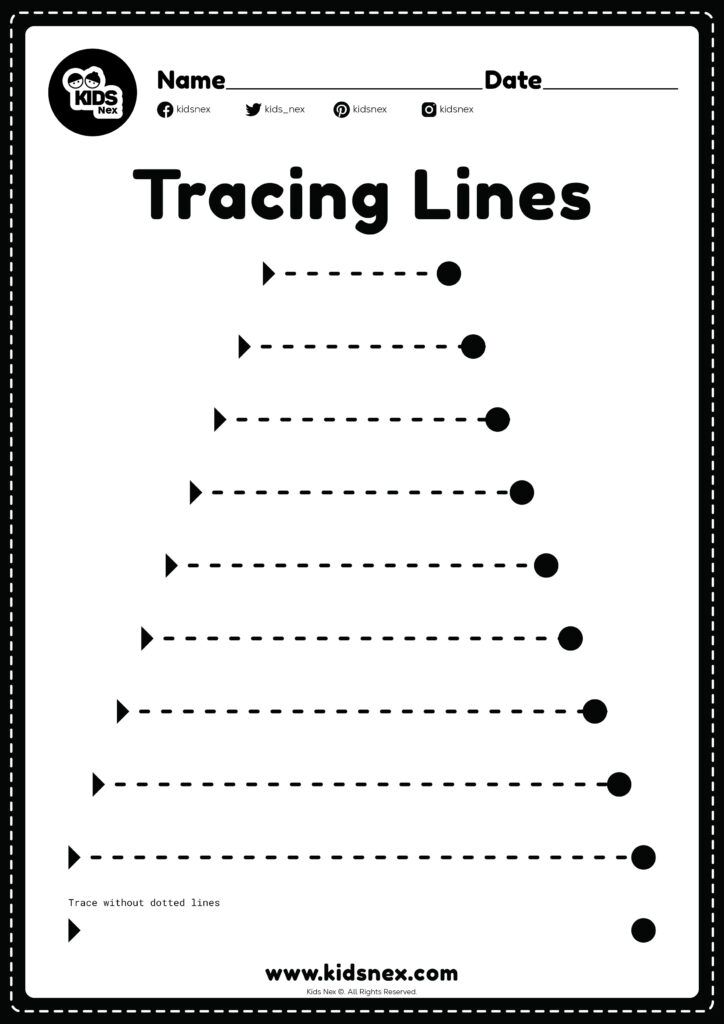
Tracing Lines Worksheet
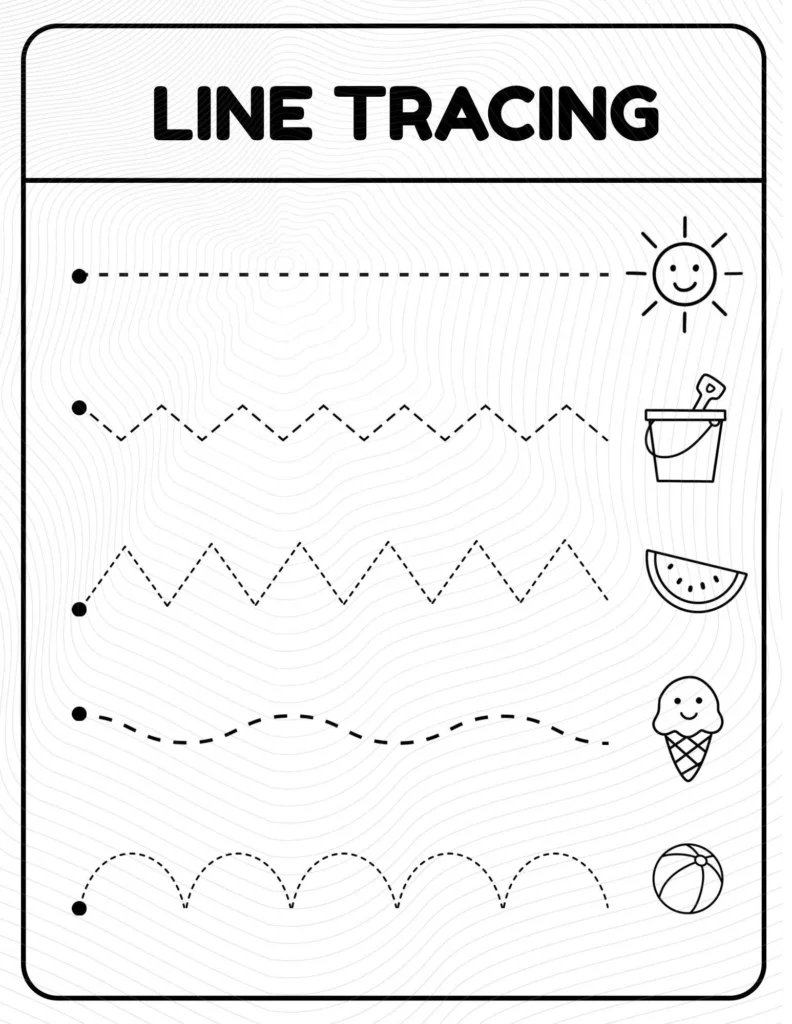
Printable Summer Line Tracing Preschool