Engaging young learners in hands-on activities is essential for their development. One popular method is to cut pictures and glue them onto worksheets, which not only fosters creativity but also enhances fine motor skills. This article explores various cut and paste activities that are perfect for preschool and kindergarten children, providing practical applications and educational benefits.
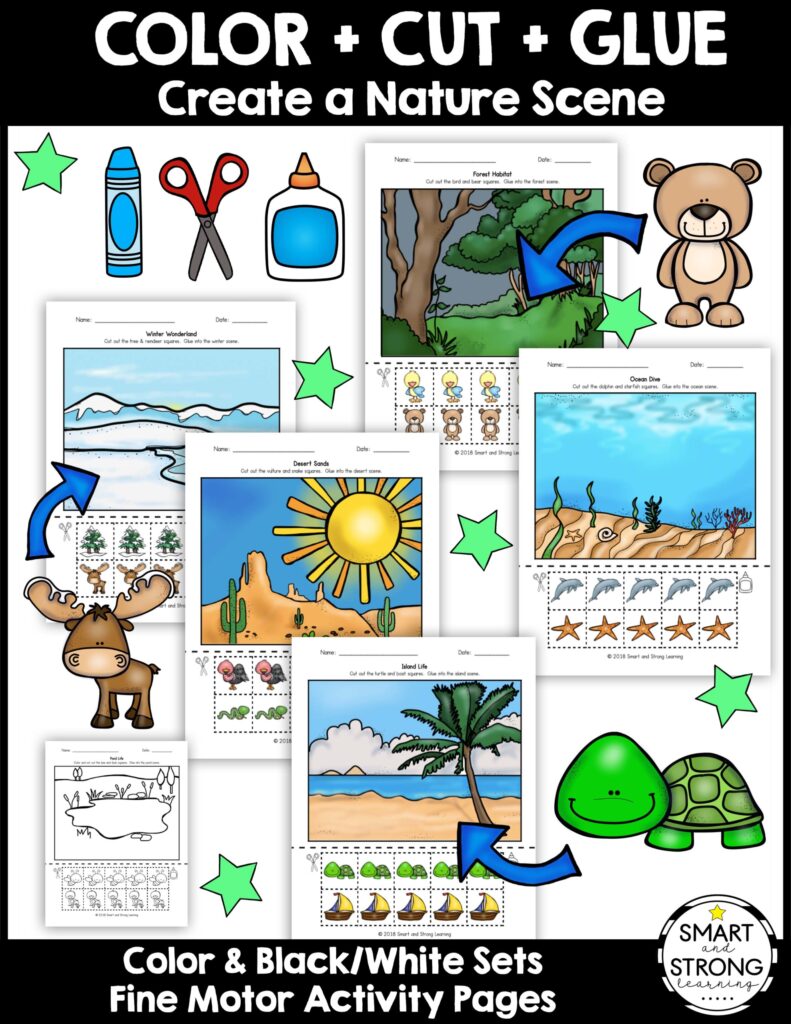
Cut Pictures And Glue Them
Benefits of Cutting and Gluing Activities
Cutting and gluing activities offer numerous advantages for early childhood education. They help develop fine motor skills, improve hand-eye coordination, and encourage creativity. As children manipulate scissors and glue, they gain confidence in their abilities while engaging in a fun learning experience.
Essential Materials for Cut and Paste Activities
Before starting any cutting and gluing project, gather the necessary materials:
- Child-safe scissors: Ensure they are appropriate for young children.
- Washable glue sticks: These are easier to handle and clean up.
- Printable worksheets: Choose designs that align with the learning objectives.
- Colorful paper: For additional cut-out options.
Printable Worksheets Overview
Printable worksheets designed for cutting and pasting can focus on various themes, such as animals, seasons, or shapes. These worksheets typically include clear cutting lines to guide children in their tasks. For example, a worksheet featuring different animals can encourage children to cut out each animal and paste them onto a corresponding habitat background.
Example: Animal Habitat Worksheet
This worksheet allows children to learn about different animals while practicing their cutting skills. They can cut out animals like lions, fish, and birds and glue them into their respective habitats—savannah, ocean, and sky. This activity not only reinforces animal recognition but also promotes discussions about ecosystems.
Hands-On Learning Activities
Incorporating hands-on activities into the learning process is crucial for young children. Here are some engaging ideas:
- Themed Collages: Create collages based on themes such as “My Family” or “Favorite Foods.” Children can cut out pictures from magazines or printed images and glue them onto a large sheet of paper.
- Story Sequencing: Provide images that represent different parts of a story. Children can cut out the images and arrange them in the correct order before gluing them down.
- Shape Sorting: Use printable shapes that children can cut out. After cutting, they can sort the shapes by color or size before gluing them onto a chart.
Differentiating Activities for Various Skill Levels
Recognizing that children develop skills at different rates is essential when planning activities. Here are some ways to differentiate cut and paste tasks:
- Simplified Tasks: For younger or less experienced children, provide larger images with thicker cutting lines to make cutting easier.
- Pre-cut Options: For those who may struggle with scissors, consider providing pre-cut pieces that they can simply glue onto their worksheets.
- Advanced Projects: For older or more skilled children, introduce more complex images or require them to create their own designs using multiple cutouts.
Cognitive Skills Development Through Cutting Activities
Cutting and gluing activities also support cognitive development. As children engage in these tasks, they practice important skills such as sorting, matching, and problem-solving. For instance, when creating a collage of fruits, they must identify which items belong together based on color or type.
Example: Fruit Collage Activity
This activity encourages children to cut out various fruits from printed sheets. They can then categorize the fruits by color or type before gluing them onto a poster board. This not only reinforces their understanding of fruits but also enhances their ability to classify objects based on specific attributes.
Practical Tips for Successful Cut and Paste Activities
To ensure a smooth experience during cutting and gluing activities, consider the following tips:
- Preparation: Pre-cut complex shapes if necessary to save time during the activity.
- Organization: Use trays or containers to keep small cut-out pieces organized and prevent messes.
- Simplified Instructions: Provide clear verbal instructions along with visual examples to guide children through the process.
The Role of Adult Supervision
While cutting activities are beneficial, adult supervision is crucial for safety. Ensure that an adult is present to assist with scissors when necessary and to guide children through the gluing process. This support helps maintain a safe environment while allowing children to explore their creativity freely.
Encouraging Exploration
Create an atmosphere where exploration is encouraged. Allow children to experiment with different materials beyond standard paper—such as fabric scraps or natural items like leaves—adding variety to their projects while enhancing sensory experiences.
The Importance of Reusing Worksheets
An eco-friendly approach involves reusing worksheets for multiple projects. Consider laminating worksheets so that children can use dry-erase markers for repeated activities without wasting paper. This method not only saves resources but also allows for ongoing practice without the need for constant printing.
Conclusion: Embracing Creativity Through Cutting Activities
The simple act of cutting pictures and gluing them onto worksheets opens up a world of creativity for young learners. By incorporating these engaging activities into your educational practices, you foster essential skills while making learning enjoyable. Explore more printable worksheets at CutPasteWorksheets.net, where you will find a variety of resources tailored for preschool education.
If you’re interested in further enhancing your child’s learning experience through hands-on activities, consider visiting reputable educational resources such as NAEYC, which offers insights into early childhood education practices.
Download Cut Pictures And Glue Them
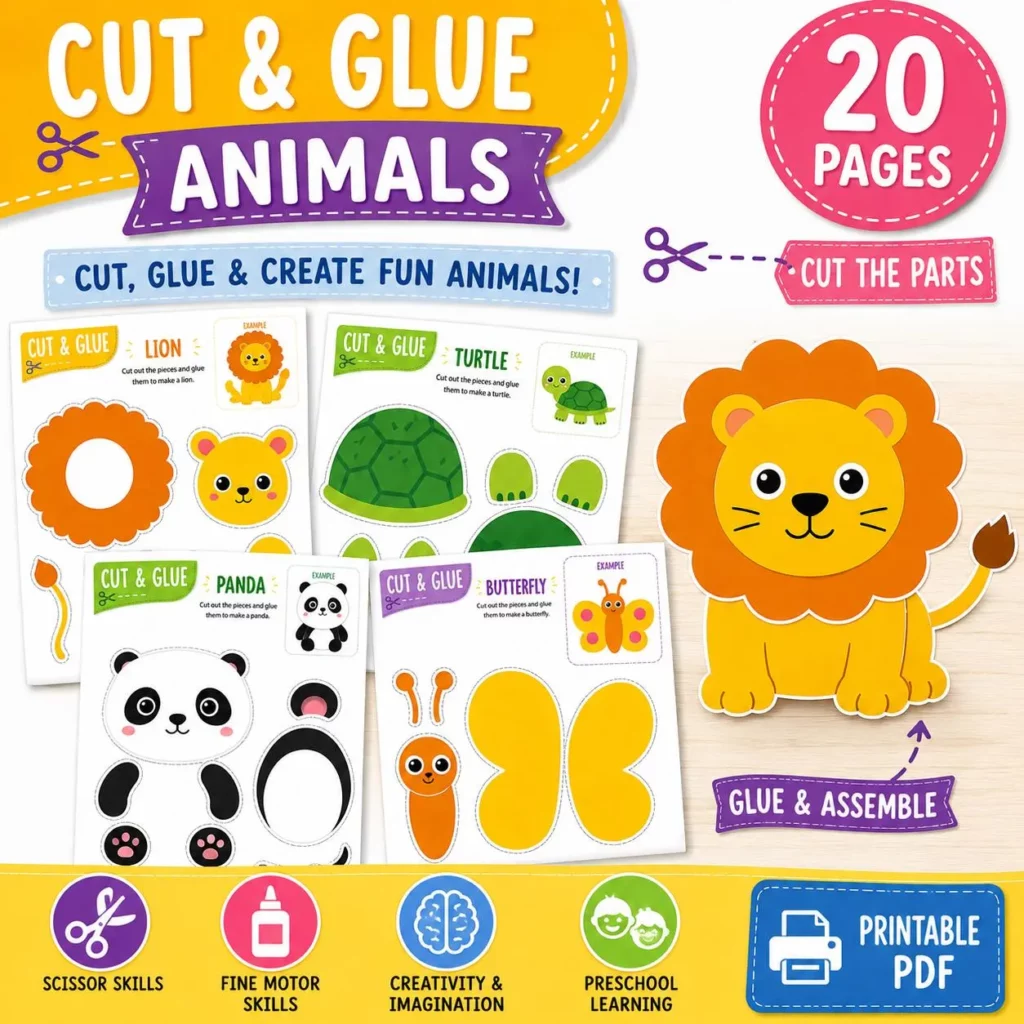
Cut And Glue
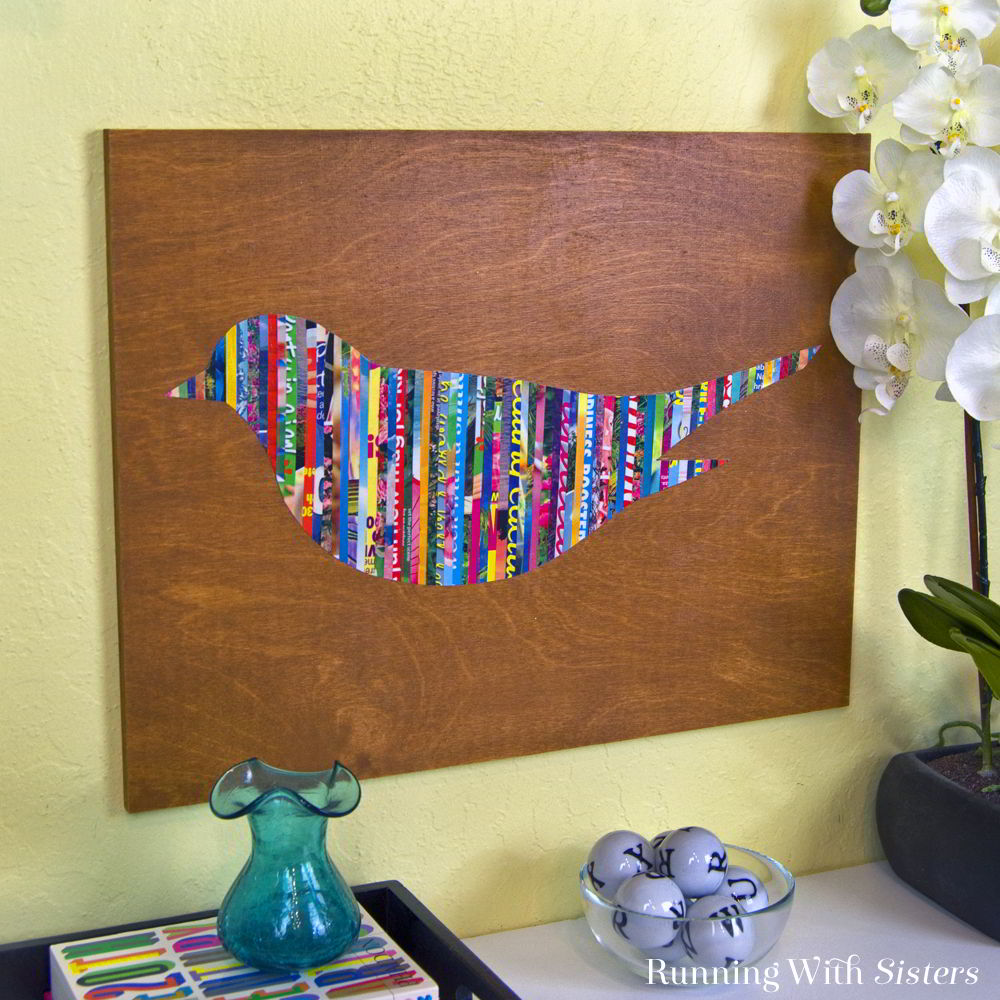
How To Make Magazine Strip Art