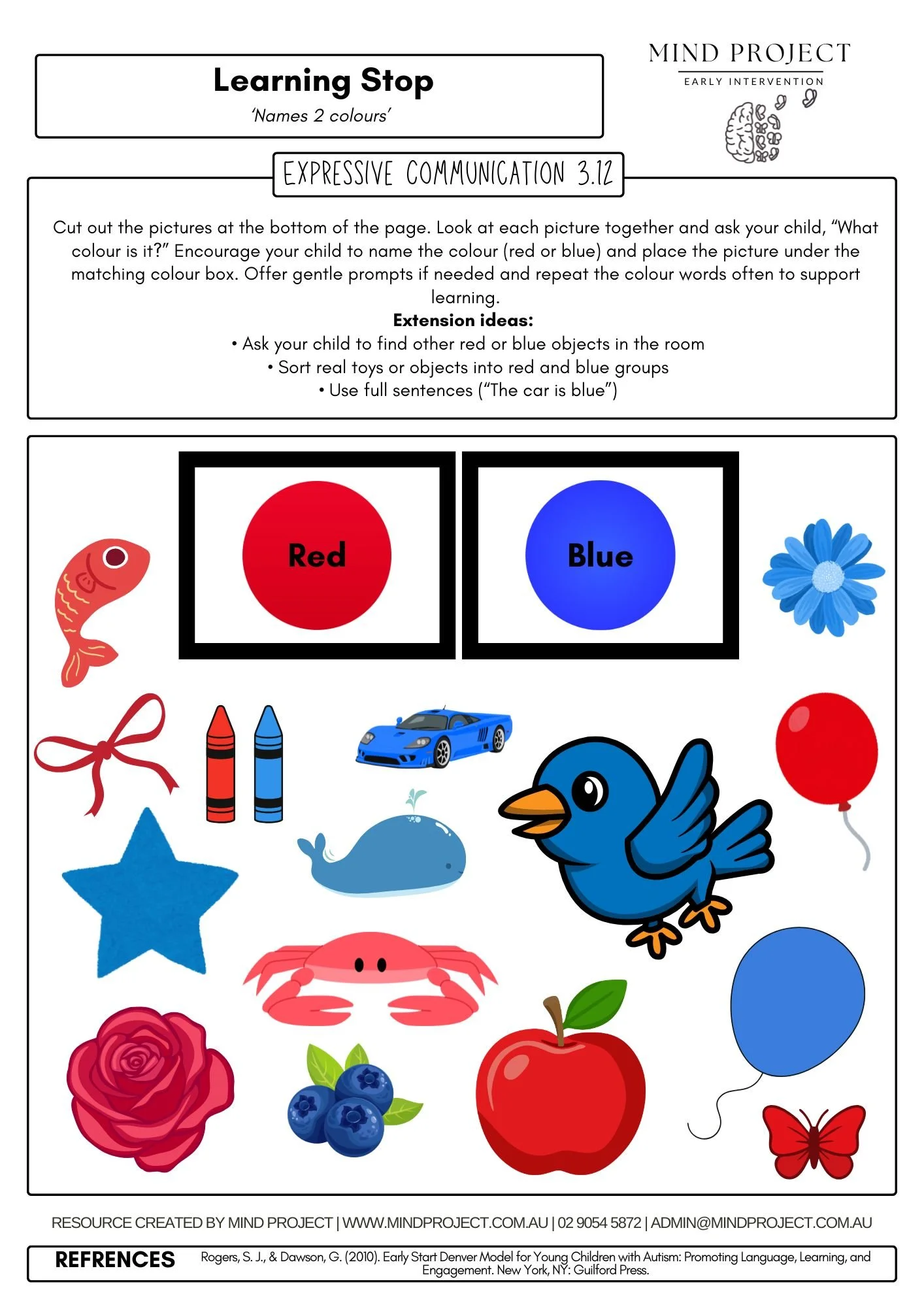
Expressive language development is crucial for preschoolers as it lays the foundation for effective communication skills. Engaging in activities that promote expressive language can enhance vocabulary, sentence structure, and overall confidence in speaking. This article explores various Expressive Language Worksheets For Preschoolers, providing practical applications, hands-on activities, and tips for educators and parents to support early language development.
Expressive Language Worksheets For Preschoolers
Understanding Expressive Language Development
Expressive language refers to the ability to convey thoughts, ideas, and feelings through spoken or written words. For preschoolers, this skill is vital as they begin to articulate their needs and engage in conversations. Activities that encourage children to express themselves can significantly enhance their language abilities.
Benefits of Expressive Language Worksheets
- Vocabulary Expansion: Worksheets can introduce new words and phrases, helping children build a richer vocabulary.
- Sentence Structure Practice: Engaging in sentence formation exercises aids in understanding grammar and syntax.
- Confidence Building: Regular practice through worksheets allows children to express themselves freely, boosting their confidence in communication.
Types of Expressive Language Worksheets
There are various types of worksheets designed specifically for enhancing expressive language skills in preschoolers. Here are some effective examples:
1. Picture Description Worksheets
These worksheets feature images that children can describe using words or sentences. For instance, a worksheet might show a picture of a park scene with children playing. Children can be prompted to describe what they see, encouraging them to use descriptive language.
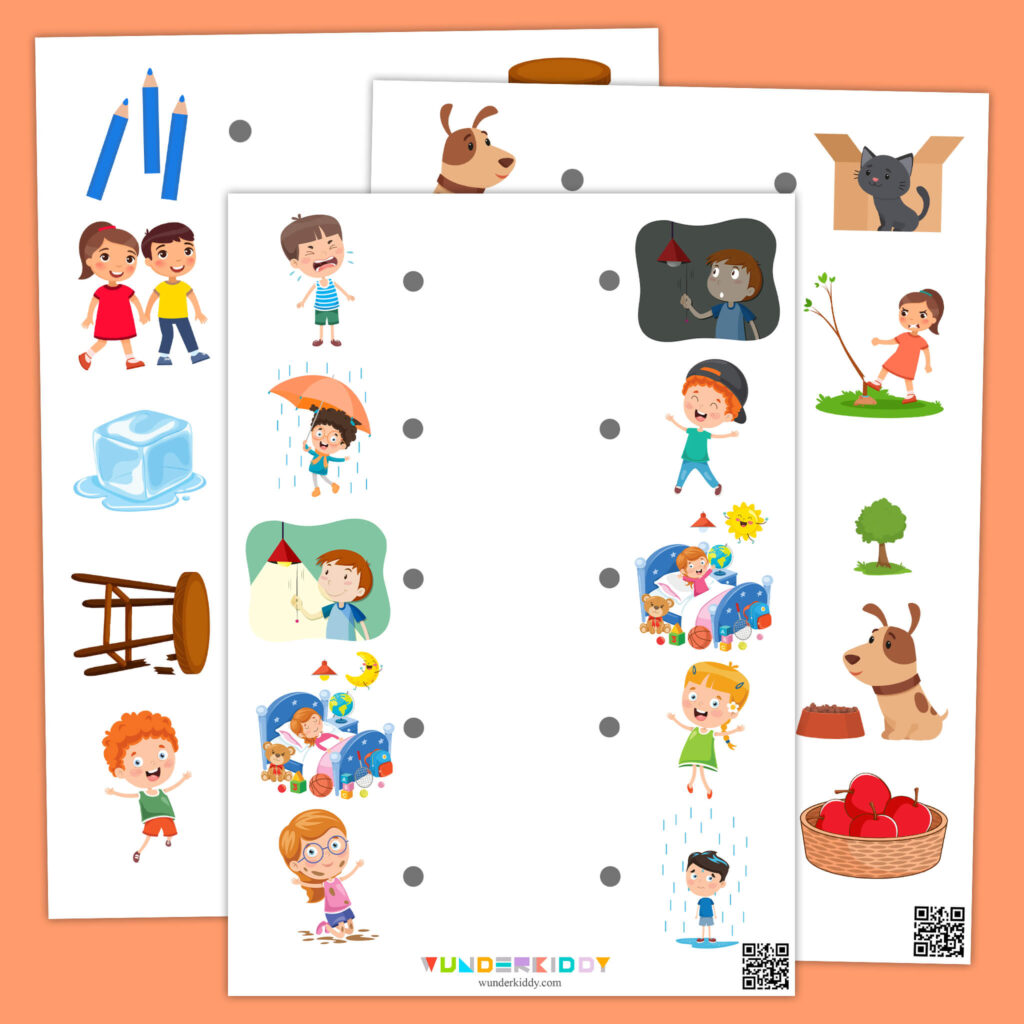
2. Story Sequencing Worksheets
Story sequencing worksheets help children understand narrative structure. By arranging pictures in the correct order, children learn how to tell a story logically. This activity not only enhances expressive language but also improves comprehension skills.
3. Role-Playing Scenarios
Worksheets that include role-playing scenarios allow children to practice dialogue in various contexts. For example, a worksheet might present a scenario where a child pretends to order food at a restaurant. This encourages them to use appropriate phrases and expressions.
Hands-On Activities for Expressive Language Skills
Incorporating hands-on activities alongside worksheets can further enhance expressive language development. Here are some engaging ideas:
- Storytime Discussions: After reading a story, ask children open-ended questions about the characters and plot to encourage them to express their thoughts.
- Puppet Shows: Using puppets, children can create dialogues and act out scenarios, fostering creativity and expressive language use.
- Articulation Games: Games that involve repeating phrases or tongue twisters can be both fun and beneficial for improving speech clarity.
Differentiating Activities for Various Skill Levels
Recognizing that children develop at different rates is essential when implementing expressive language activities. Here are some strategies for differentiating worksheets:
- Simplified Instructions: For beginners, provide clear and simple instructions with visual aids to guide them through the activity.
- Advanced Challenges: For more advanced learners, include prompts that require complex sentences or creative storytelling elements.
- Peer Collaboration: Pairing children of different skill levels can encourage peer learning and support expressive language development through collaboration.
Practical Tips for Parents and Educators
To maximize the effectiveness of expressive language worksheets, consider these practical tips:
- Create a Language-Rich Environment: Surround children with books, labels, and conversation opportunities to stimulate their language development.
- Encourage Daily Practice: Integrate expressive language activities into daily routines, such as during meals or playtime.
- Use Positive Reinforcement: Celebrate children’s efforts in expressing themselves, reinforcing their confidence and willingness to communicate.
Resources for Further Learning
If you’re looking for additional resources on early childhood education and expressive language development, consider visiting reputable organizations such as the National Association for the Education of Young Children (NAEYC). They offer valuable insights into effective teaching strategies and resources tailored for young learners.
The use of Expressive Language Worksheets For Preschoolers, combined with hands-on activities and supportive environments, plays a significant role in fostering effective communication skills in young children. By providing varied opportunities for expression, educators and parents can help nurture confident communicators ready for future learning experiences.
If you’re interested in exploring more engaging activities for preschoolers, check out our collection of printable worksheets at CutPasteWorksheets.net.
Download Expressive Language Worksheets For Preschoolers
Speech Therapy Materials
Esdm