The importance of cutting and pasting for kids extends far beyond simple craft activities. These hands-on tasks play a crucial role in early childhood development, enhancing fine motor skills, cognitive abilities, and creativity. Engaging in cutting and pasting activities not only makes learning fun but also lays the foundation for essential skills that children will use throughout their educational journey. In this article, we will explore various aspects of cutting and pasting, including practical activities, developmental benefits, and tips for parents and educators.
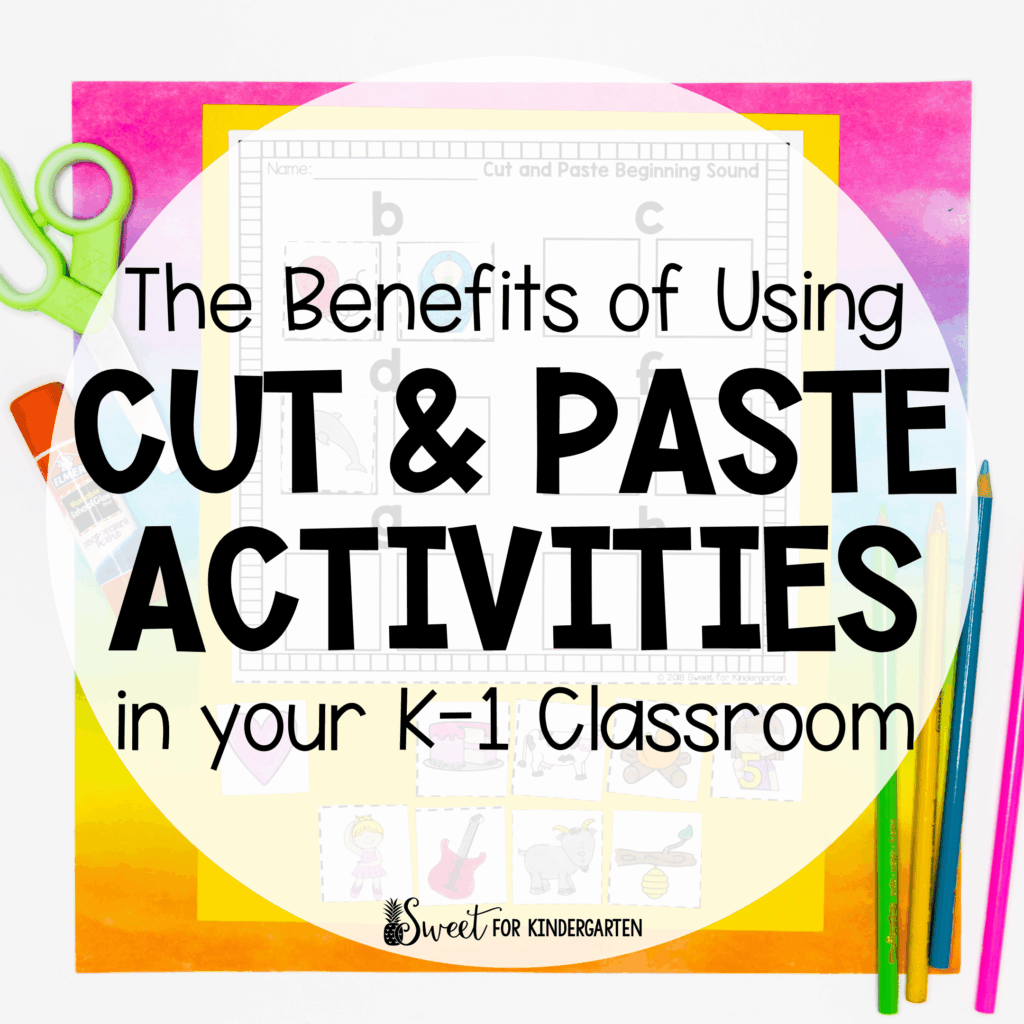
Importance Of Cutting And Pasting For Kids
Developing Fine Motor Skills
Cutting and pasting are excellent ways to develop fine motor skills in young children. As they manipulate scissors and glue, they strengthen the small muscles in their hands and fingers. This skill development is vital for tasks such as writing, buttoning shirts, and using utensils.
To support fine motor development, consider these activities:
- Scissor Practice: Provide children with safety scissors and scrap paper to practice cutting straight lines, curves, and shapes.
- Collage Making: Encourage kids to create collages using cut-out images from magazines or colored paper. This activity combines cutting with creativity.
- Shape Sorting: Cut various shapes from colored paper and have children sort them by color or shape before gluing them onto a worksheet.
Enhancing Cognitive Skills
Cognitive skills are essential for problem-solving and critical thinking. Cutting and pasting activities can enhance these skills by encouraging children to plan their projects, make decisions about layout, and follow instructions.
Here are some engaging cognitive activities:
- Story Sequencing: Create a story using pictures that children can cut out and arrange in the correct order. This helps with understanding narrative structure.
- Puzzle Creation: Have kids cut a picture into pieces to create a simple puzzle. They can then reassemble it, promoting spatial awareness.
- Matching Games: Cut out pairs of images or shapes that children can match together on a worksheet.
Promoting Early Literacy Skills
Cutting and pasting can also support early literacy development. Activities that involve letters or words help children recognize letters, improve vocabulary, and understand sentence structure.
Consider these literacy-focused activities:
- Letter Collages: Provide letters cut from magazines or printed sheets for children to glue onto a larger sheet to form their names or simple words.
- Word Scrambles: Cut words into individual letters and have children rearrange them to form the correct word before gluing them down.
- Story Creation: Children can cut out pictures that represent different parts of a story they want to tell, helping them practice narrative skills.
Hands-On Learning Through Themed Activities
Themed cutting and pasting activities can make learning more engaging. Seasonal themes or specific topics can be integrated into worksheets to enhance interest and relevance.
Examples include:
- Seasonal Crafts: Create seasonal decorations by cutting out shapes related to holidays (e.g., leaves for fall or snowflakes for winter).
- Thematic Worksheets: Develop worksheets based on themes like animals or transportation where children cut out images related to the topic.
- Cultural Projects: Explore different cultures by creating collages that represent various traditions through images cut from magazines.
Tips for Parents and Educators
To maximize the benefits of cutting and pasting activities, here are some practical tips for parents and educators:
- Select Appropriate Materials: Use child-safe scissors and washable glue sticks. Ensure that paper is thick enough to withstand cutting but not too thick for young hands.
- Create Clear Cutting Lines: Use dotted lines on worksheets to guide children where to cut. This helps them develop accuracy in their cutting skills.
- Organize Small Pieces: Keep small cutout pieces organized in containers to prevent messes during activities.
- Encourage Exploration: Allow children to experiment with different materials like fabric or cardboard for varied textures in their projects.
The Role of Adult Supervision
While cutting and pasting are fun activities for kids, adult supervision is essential to ensure safety. Always monitor young children when they are using scissors or glue. For younger learners who may struggle with cutting precision, consider pre-cutting some materials or providing simpler tasks that still allow for creativity without frustration.
The Lasting Impact of Cutting and Pasting Activities
The importance of cutting and pasting for kids cannot be overstated. These activities foster essential skills that contribute to overall development in early childhood. By integrating cutting and pasting into daily learning routines, parents and educators can provide enriching experiences that promote growth in fine motor skills, cognitive abilities, literacy, and creativity.
If you’re looking for more engaging printable worksheets, explore our collection designed specifically for preschoolers and kindergarteners. These resources will help you create fun learning experiences while supporting your child’s development through hands-on activities.
For further reading on early childhood education practices, visit the National Association for the Education of Young Children (NAEYC), which offers valuable insights into effective teaching strategies for young learners.
Download Importance Of Cutting And Pasting For Kids
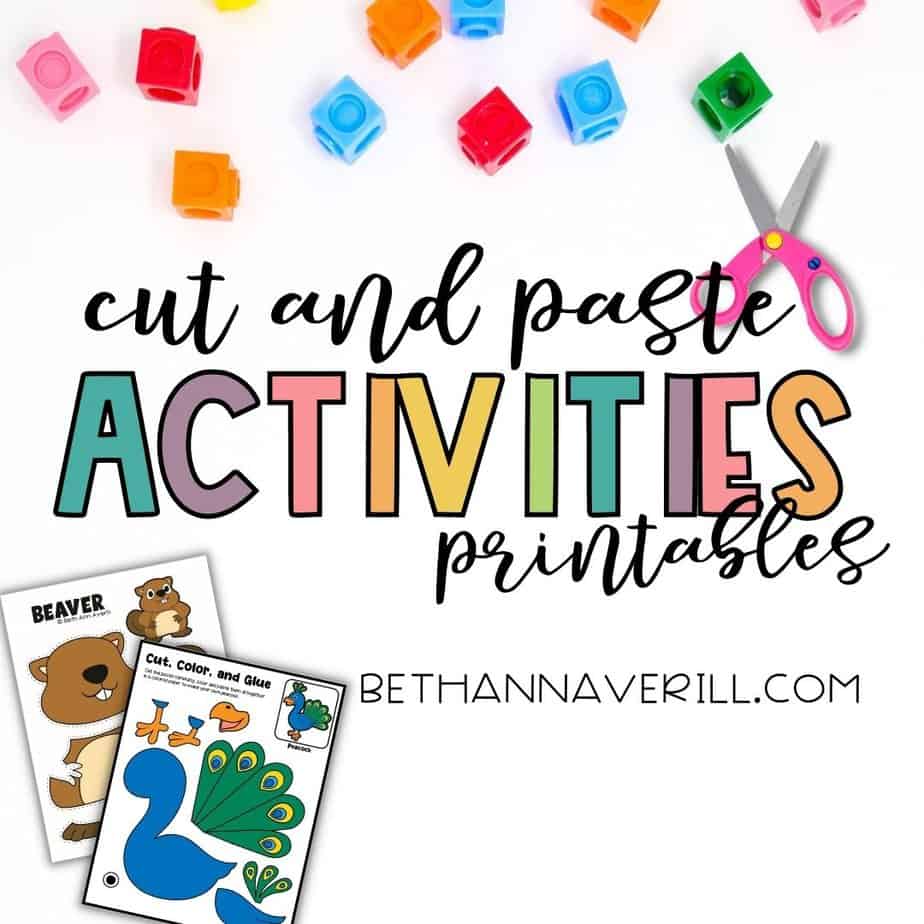
The Benefits Of Using Cut And Paste Activities For Preschoolers
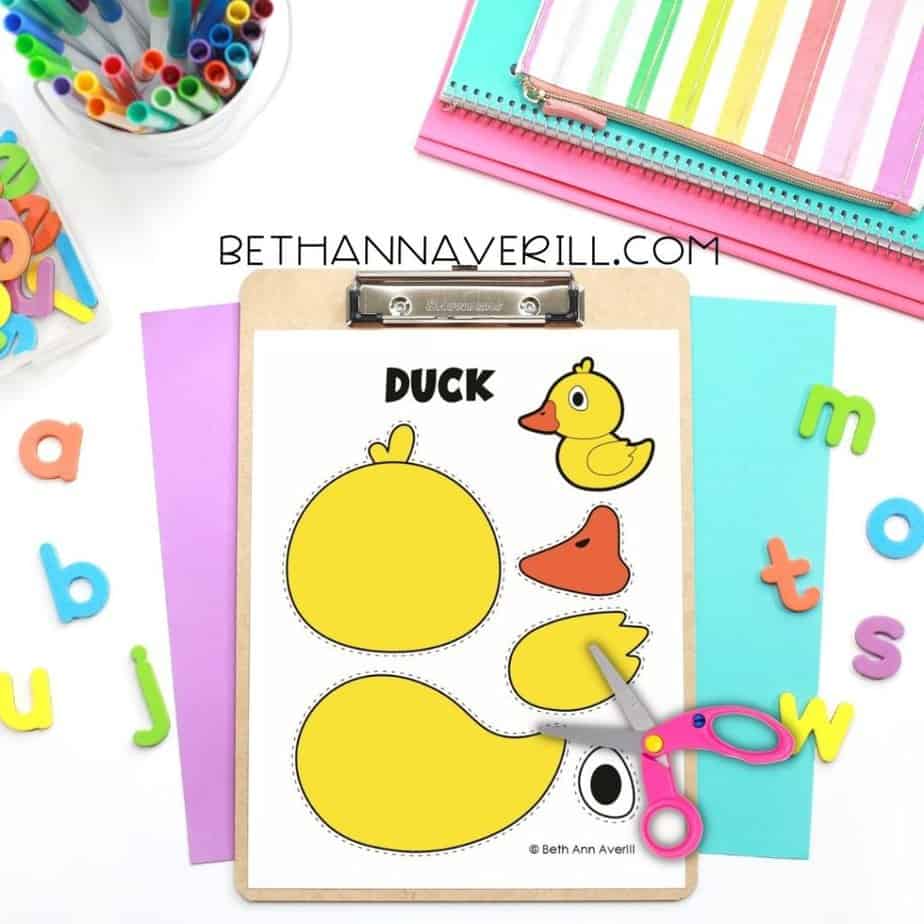
The Benefits Of Using Cut And Paste Activities For Preschoolers