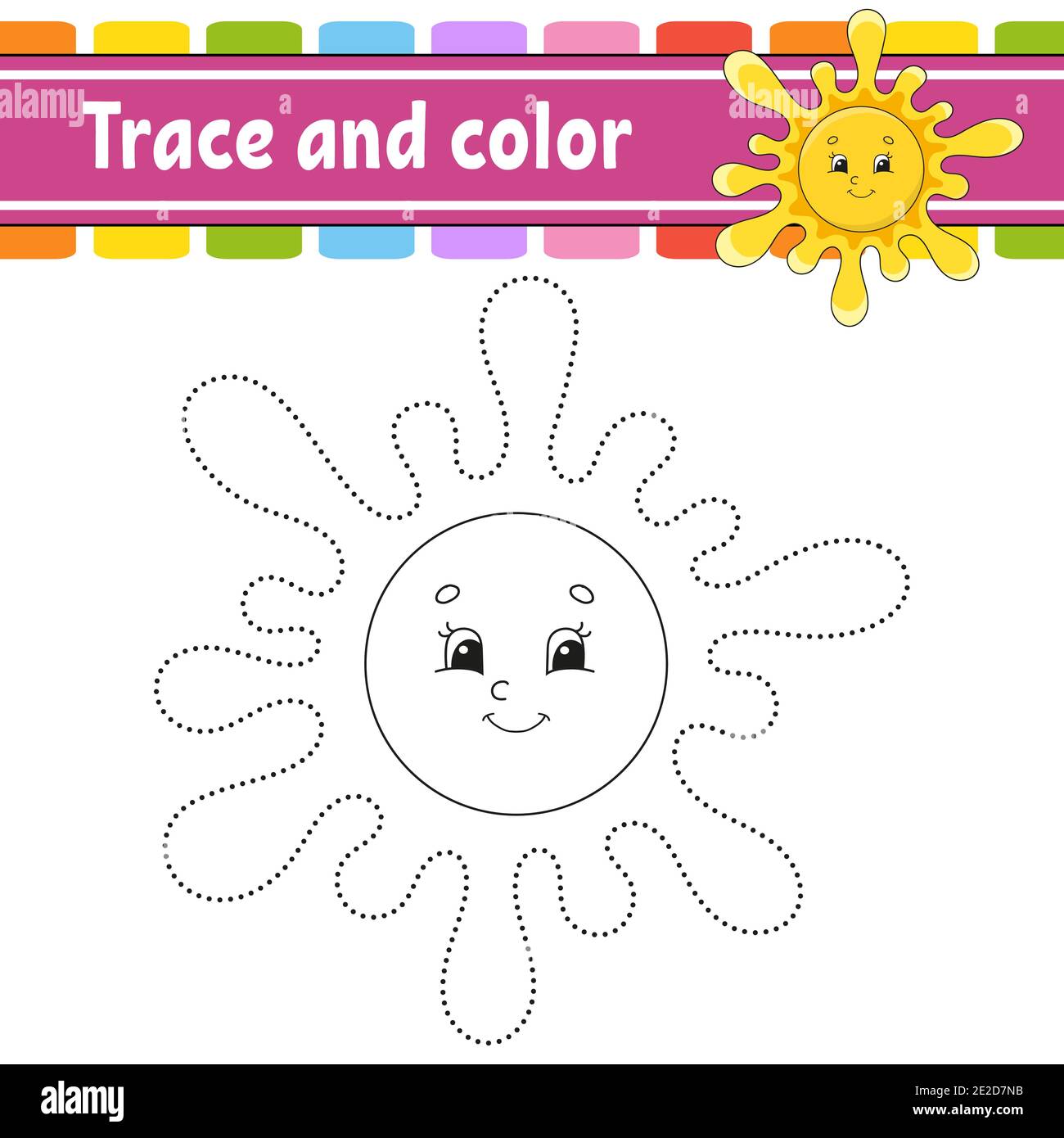
Coloring and tracing for preschoolers are essential activities that promote early learning through fun and creativity. These engaging tasks not only enhance fine motor skills but also lay the groundwork for literacy and numeracy. By incorporating coloring and tracing worksheets into your child’s routine, you can foster their cognitive development while providing a hands-on learning experience. This article explores various aspects of coloring and tracing, offering practical tips, activities, and resources to support preschool education.
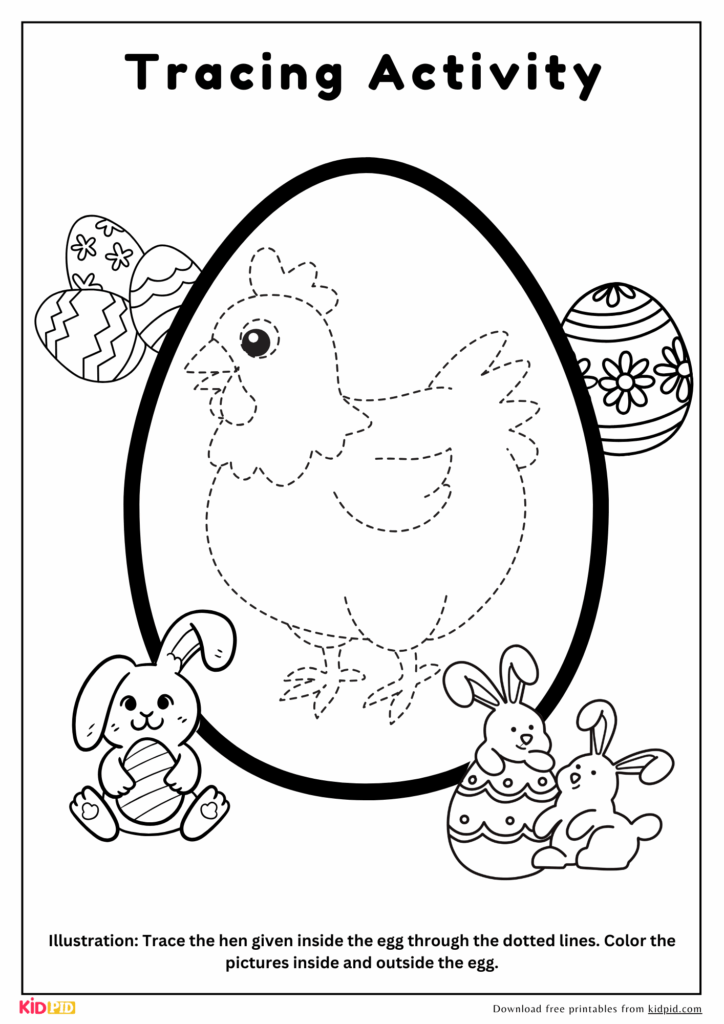
Coloring And Tracing For Preschoolers
Benefits of Coloring and Tracing Activities
Coloring and tracing activities provide numerous benefits for preschoolers. These activities help develop fine motor skills, which are crucial for tasks such as writing, cutting, and manipulating small objects. Additionally, they encourage creativity and self-expression, allowing children to explore colors and shapes freely.
- Fine Motor Development: Gripping crayons or markers helps strengthen hand muscles.
- Hand-Eye Coordination: Tracing lines improves coordination between visual input and hand movement.
- Cognitive Skills: Recognizing shapes and colors enhances cognitive development.
- Emotional Expression: Coloring allows children to express their feelings through art.
Printable Coloring Worksheets
Printable coloring worksheets are an excellent resource for parents and educators. They can be easily downloaded and printed on standard US Letter paper. Look for worksheets that feature clear outlines and engaging designs to capture children’s interest. Here are some ideas for printable coloring worksheets:
- Animal Themes: Worksheets featuring animals can help children learn about different species while coloring.
- Seasonal Designs: Incorporate seasonal themes like autumn leaves or winter snowflakes to make learning relevant.
- Alphabet Coloring Pages: Each letter can be paired with an image that starts with that letter, reinforcing letter recognition.
Tracing Worksheets for Skill Development
Tracing worksheets are specifically designed to help preschoolers practice their writing skills. These worksheets often include dotted lines or arrows that guide children in forming letters, numbers, or shapes. Here are some effective tracing worksheet ideas:
- Letter Tracing: Provide worksheets with both uppercase and lowercase letters for comprehensive practice.
- Number Tracing: Include numbers 1-10 to help children learn counting alongside writing.
- Shape Tracing: Simple shapes like circles, squares, and triangles can enhance shape recognition.
Hands-On Activities to Enhance Learning
Incorporating hands-on activities alongside coloring and tracing can further enrich the learning experience. Here are some engaging ideas:
- Cut and Paste Activities: After coloring, children can cut out their creations and paste them onto a larger sheet to create a collage.
- Sensory Bins: Fill bins with materials like rice or sand where children can trace letters or shapes using their fingers.
- Interactive Games: Use colored chalk on sidewalks or driveways for outdoor tracing games that promote physical activity.
Differentiating Activities for Various Skill Levels
Recognizing that children develop at different rates is crucial when planning activities. Here are suggestions for differentiating coloring and tracing tasks based on skill levels:
- Beginners: Provide worksheets with larger outlines for easier coloring and tracing.
Practical Tips for Parents and Educators
To maximize the benefits of coloring and tracing activities, consider the following practical tips:
- Select Appropriate Materials: Use child-safe scissors, washable glue sticks, and non-toxic crayons or markers.
- Create a Dedicated Space: Set up a comfortable area with all necessary supplies readily available for easy access.
- Encourage Exploration: Allow children to experiment with colors and techniques without fear of making mistakes.
The Role of Adult Supervision
While coloring and tracing can be independent activities, adult supervision is essential, especially when scissors are involved. Adults can guide children in using tools safely while providing encouragement throughout the process. This support not only enhances safety but also fosters a positive learning environment where children feel confident to express themselves creatively.
Resources for Further Learning
If you’re looking for additional resources on early childhood education, consider visiting reputable organizations such as the National Association for the Education of Young Children (NAEYC). They offer valuable insights into best practices in preschool education, including activities that promote fine motor skills through coloring and tracing.
The integration of coloring and tracing into preschool education is vital for developing essential skills in young learners. By utilizing printable worksheets, engaging hands-on activities, and providing appropriate support, parents and educators can create a rich learning environment that encourages exploration, creativity, and growth. Embrace these activities as part of your educational toolkit to foster a love of learning in preschoolers!
Download Coloring And Tracing For Preschoolers
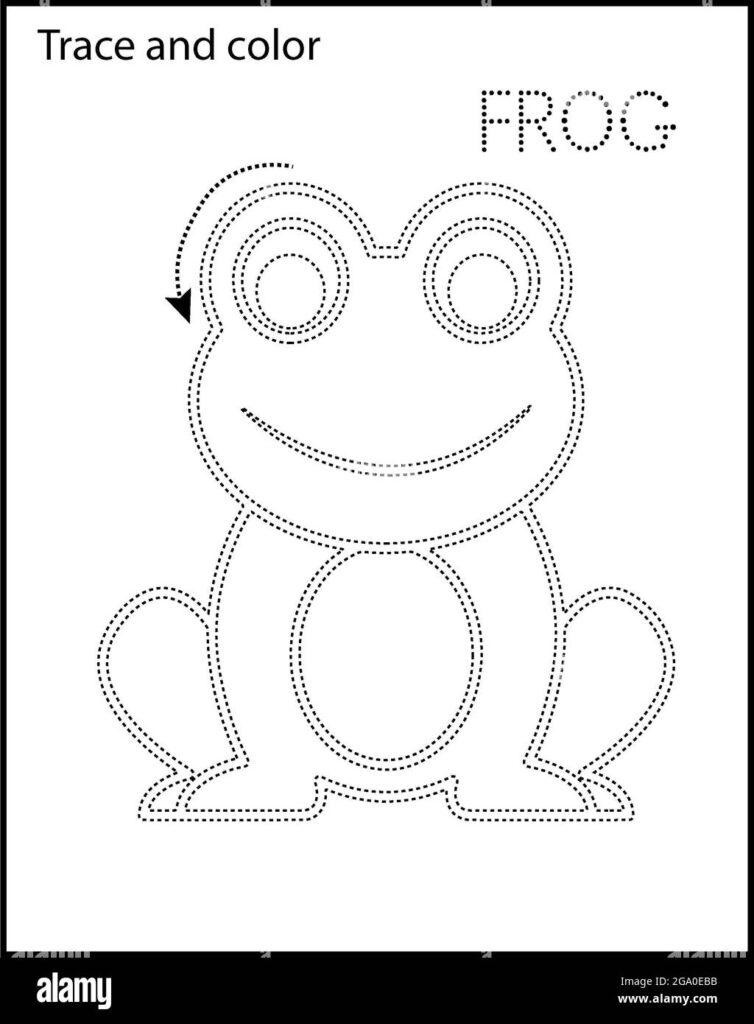
Printable Coloring Page For Kindergarten And Preschool Tracing Animal And Names Image436417055
Trace And Color Coloring Page For Kids Handwriting Practice Education Developing Worksheet Activity Page Game For Toddlers Isolated Vector Illus Image397359239