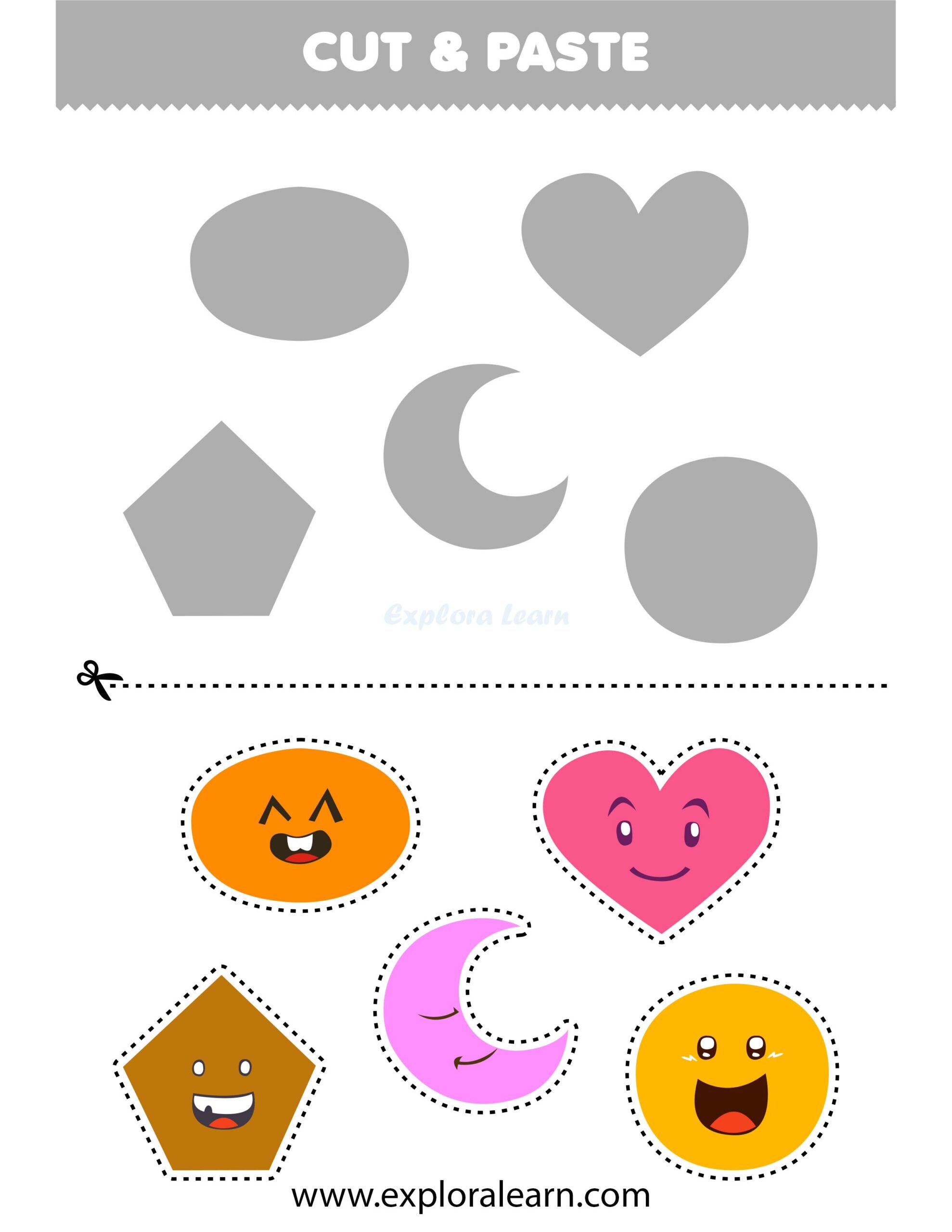
Cut and glue activities are a fantastic way to engage young learners in hands-on learning experiences. These activities not only foster creativity but also enhance fine motor skills, making them an essential part of preschool and kindergarten education. By incorporating cut and glue worksheets into your teaching toolkit, you can provide children with opportunities to explore shapes, colors, and patterns while developing their cognitive abilities. In this article, we will delve into various cut and glue activities that are perfect for early childhood education.
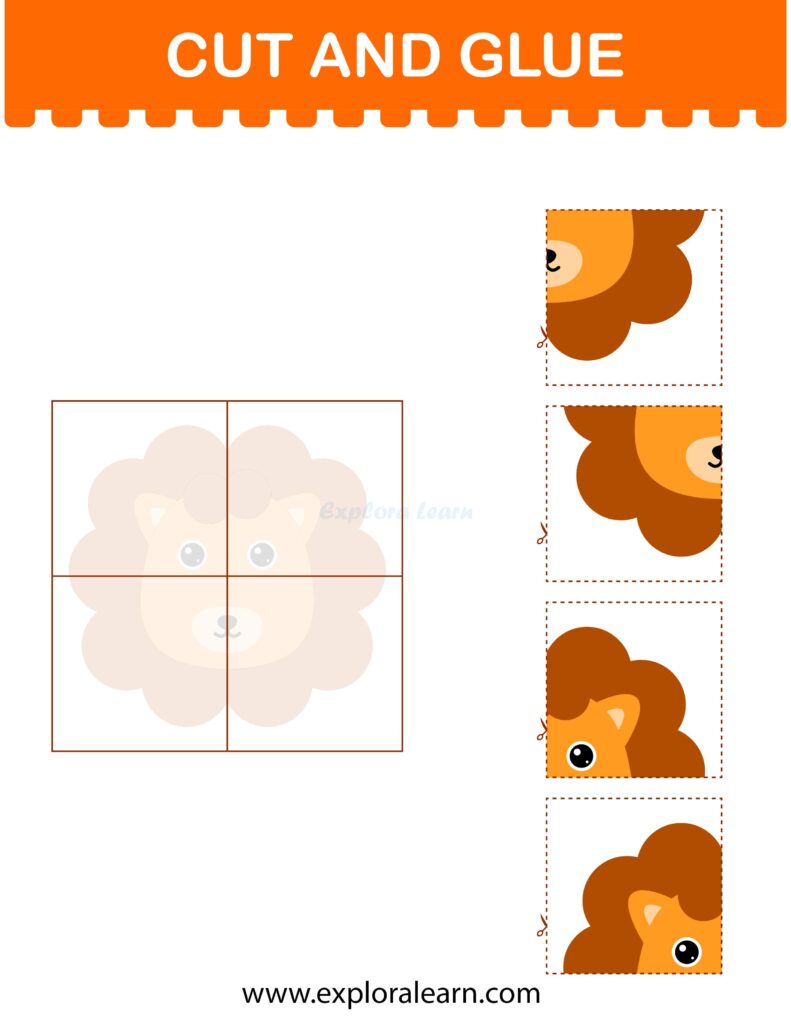
Cut And Glue Activities
Benefits of Cut and Glue Activities
Cut and glue activities offer numerous benefits for preschool and kindergarten-aged children. They help improve fine motor skills as children practice using scissors and applying glue. Additionally, these activities promote hand-eye coordination, concentration, and creativity. Engaging in cut and glue tasks allows children to express themselves artistically while learning essential concepts such as sorting, matching, and pattern recognition.
Essential Materials for Cut and Glue Activities
To successfully implement cut and glue activities, it’s important to have the right materials on hand. Here’s a list of essential supplies:
- Child-safe scissors
- Washable glue sticks
- Printable worksheets with clear cutting lines
- Colored paper or cardstock
- Markers or crayons for decoration
- Organizers for small cutout pieces
Ensure that all materials are age-appropriate and safe for young children. Adult supervision is recommended during cutting activities to ensure safety.
Engaging Cut and Glue Worksheet Ideas
Here are some engaging cut and glue worksheet ideas that can be easily integrated into your curriculum:
1. Shape Sorting Worksheets
Create worksheets featuring various shapes such as circles, squares, triangles, and rectangles. Children can cut out the shapes and glue them onto a corresponding outline on the worksheet. This activity helps reinforce shape recognition while developing fine motor skills.
2. Themed Collages
Themed collages are a fun way for children to explore different topics such as seasons, animals, or holidays. Provide printable images related to the theme, allowing children to cut out pictures and create their own collage by gluing them onto a larger sheet of paper. This activity encourages creativity and storytelling.
3. Alphabet Matching Activities
Create worksheets that feature letters of the alphabet alongside corresponding images (e.g., “A” with an apple). Children can cut out the letters and images, then match them by gluing them together on a separate sheet. This reinforces letter recognition and phonetic awareness.
Incorporating Math Skills through Cut and Glue Activities
Cut and glue activities can also be used to teach basic math concepts. Here are some ideas:
1. Counting Worksheets
Create worksheets that require children to cut out a specific number of objects (e.g., stars or apples) from a larger sheet. They can then glue the correct number of objects onto a designated area on the worksheet. This reinforces counting skills while making learning interactive.
2. Pattern Creation
Provide children with various colored shapes or images that they can cut out. Encourage them to create patterns by gluing the shapes in a specific order (e.g., red-blue-red-blue). This activity enhances pattern recognition skills while allowing for creative expression.
Differentiating Cut and Glue Activities for Various Skill Levels
Not all children develop skills at the same rate; therefore, it’s important to differentiate cut and glue activities based on individual needs:
- For Beginners: Use larger shapes with clear cutting lines to help young learners gain confidence in their scissor skills.
- For Advanced Learners: Introduce more complex designs or require children to create their own images using multiple cutouts.
- For Mixed-Ability Groups: Pair students together so they can support each other during activities, fostering collaboration.
Practical Tips for Successful Cut and Glue Activities
To ensure successful implementation of cut and glue activities in your classroom or at home, consider the following tips:
- Preparation: Pre-cut complex shapes if necessary to accommodate younger learners or those who may struggle with scissors.
- Clean-Up: Have designated areas for cutting scraps to keep the workspace tidy.
- Encouragement: Praise children’s efforts regardless of the outcome to build confidence in their abilities.
The Role of Adult Supervision in Cut and Glue Activities
Adult supervision is crucial during cut and glue activities to ensure safety and provide guidance. Adults can assist with cutting when necessary, help organize materials, and encourage children as they work through tasks. This support not only enhances safety but also fosters a positive learning environment where children feel comfortable exploring their creativity.
Conclusion: Embracing Hands-On Learning with Cut And Glue Activities
Cut and glue activities are an excellent way to engage young learners in hands-on exploration while developing essential skills such as fine motor coordination, creativity, and cognitive abilities. By incorporating these activities into your teaching practices, you can create an enriching educational experience that promotes active learning. For more engaging printable worksheets tailored for preschoolers and kindergarteners, visit CutPasteWorksheets.net.
If you’re looking for additional resources on early childhood education strategies or printable worksheet ideas, check out our collection of preschool worksheets.
Download Cut And Glue Activities
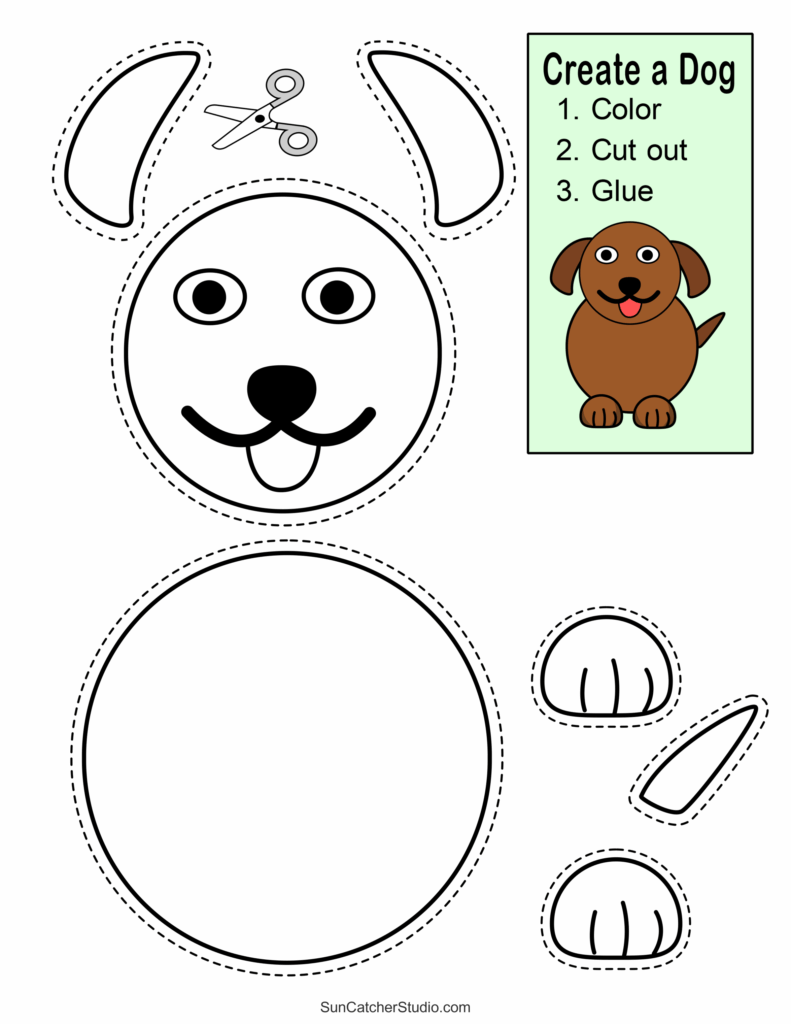
Cut And Paste Worksheets
Cut And Glue Crafts