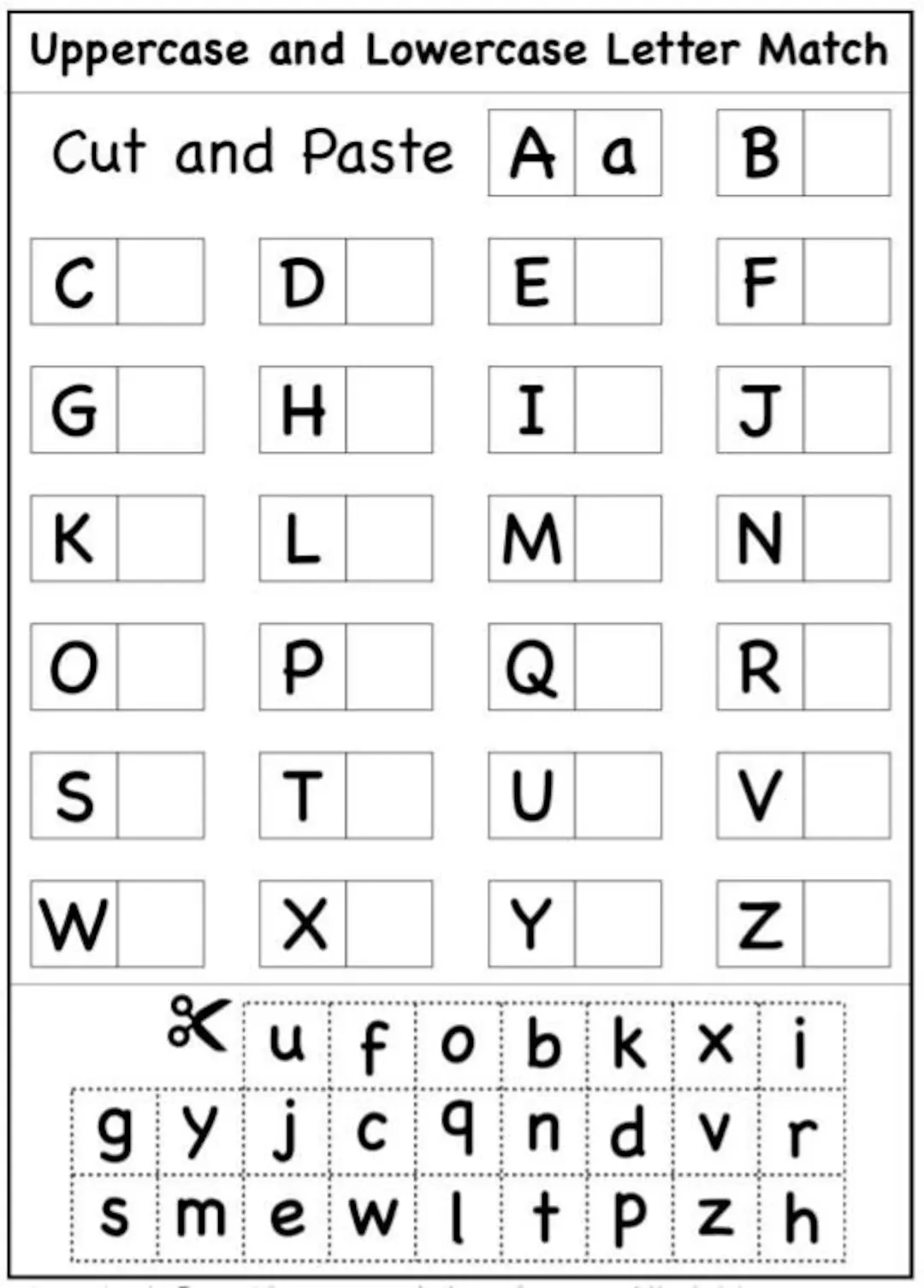
Engaging young learners in the alphabet is crucial for their early literacy development. A Cut And Paste Alphabet Worksheet offers a hands-on approach that not only makes learning fun but also enhances fine motor skills. These worksheets allow children to cut out letters and paste them in the correct order, reinforcing their understanding of the alphabet while developing essential coordination skills. In this article, we will explore various activities and strategies to effectively use cut and paste worksheets in preschool and kindergarten settings.
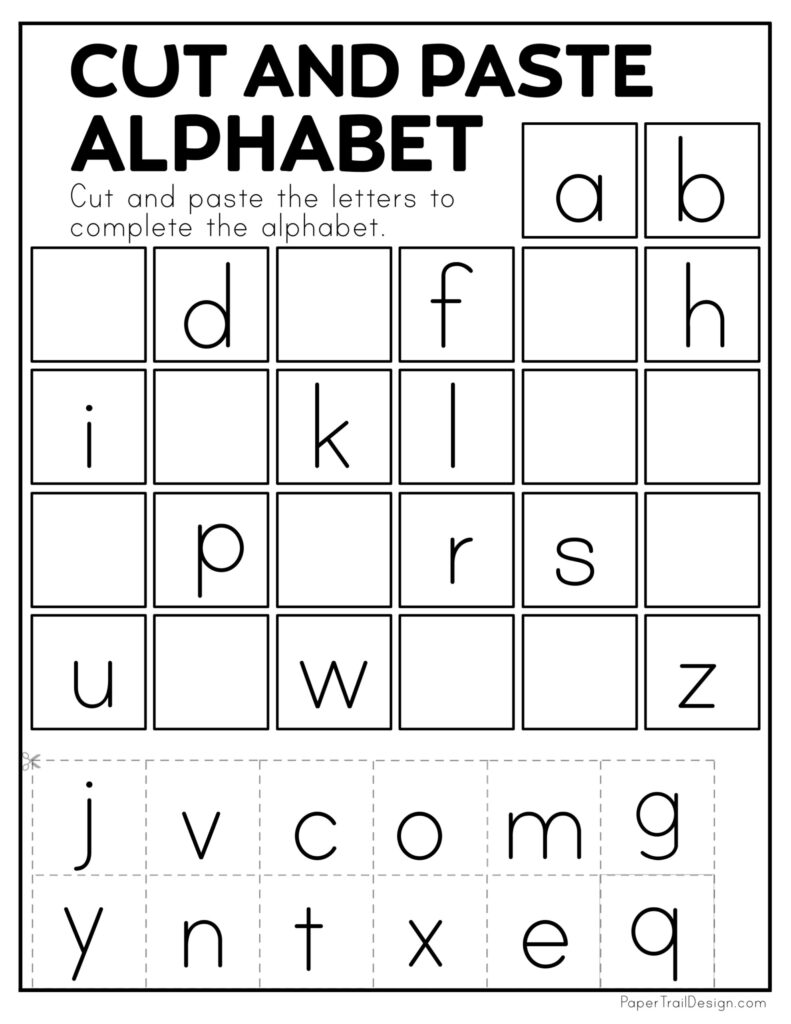
Cut And Paste Alphabet Worksheet
Benefits of Cut And Paste Activities
Cut and paste activities provide numerous educational benefits for young children. They promote fine motor skill development as children practice using scissors and glue. Additionally, these activities encourage cognitive skills such as sorting, matching, and letter recognition. By engaging in hands-on learning, children can better retain information and develop a love for learning.
How to Use Cut And Paste Alphabet Worksheets
To effectively use Cut And Paste Alphabet Worksheets, follow these steps:
- Preparation: Print the worksheets on US Letter paper. Consider using color printing for more engaging visuals.
- Materials: Provide child-safe scissors, washable glue sticks, and a safe workspace for cutting and pasting.
- Demonstration: Show children how to cut along the lines and apply glue to the back of the letters before pasting them onto the worksheet.
- Guided Practice: Work alongside children as they complete their worksheets, offering assistance as needed.
Age-Appropriate Teaching Strategies
When introducing cut and paste activities, consider the developmental stages of your learners:
- Preschool (3-4 years): Focus on simple cut shapes and large letters. Provide adult-precut pieces for younger children to enhance their confidence.
- Pre-K (4-5 years): Introduce more complex letters and encourage independent cutting with supervision. Use worksheets that require matching uppercase and lowercase letters.
- Kindergarten (5-6 years): Challenge students with activities that involve spelling simple words using cut letters. Encourage creativity by allowing them to decorate their worksheets.
Incorporating Fine Motor Skill Development
The act of cutting and pasting is not just about creating a finished product; it plays a vital role in developing fine motor skills. Here are some ways to enhance this aspect:
- Scissor Skills: Encourage children to practice cutting straight lines, curves, and zigzags before moving on to letters.
- Pasting Techniques: Teach children how to apply glue evenly without overdoing it, which helps with hand-eye coordination.
- Grip Strength: Use activities like squeezing glue bottles or holding scissors to strengthen hand muscles.
Thematic Cut And Paste Worksheets
Thematic worksheets can make learning more engaging. Consider creating or using cut and paste worksheets based on themes such as:
- Seasons: Incorporate seasonal images alongside letters for a fun twist.
- Animals: Use animal names that start with each letter of the alphabet for added interest.
- Holidays: Create holiday-themed worksheets that incorporate festive elements into letter recognition.
Practical Applications at Home
Cuts and paste activities are not limited to the classroom; they can also be effectively used at home. Here are some suggestions for parents:
- Create a Learning Corner: Set up a dedicated space with materials for cut and paste activities at home.
- Diverse Materials: Use magazines, colored paper, or old greeting cards for cutting practice, allowing children to explore different textures and colors.
- Simplified Tasks: For younger siblings or beginners, provide larger letters or images that are easier to handle.
Differentiated Classroom Activities
Differentiation is key in meeting the diverse needs of learners in a classroom setting. Here are some ideas for adapting cut and paste activities:
- Varied Complexity: Offer different worksheets based on skill levels—some may focus on letter recognition while others may involve spelling simple words.
- Pacing Options: Allow students to work at their own pace; some may finish quickly while others may need more time to complete their tasks.
- Cultural Relevance: Incorporate culturally relevant themes or letters from different languages to celebrate diversity in the classroom.
Resources for Educators and Parents
If you’re looking for additional resources on early childhood education, consider visiting reputable sites such as the National Association for the Education of Young Children (NAEYC). They provide valuable insights into best practices in early education, including literacy development strategies that complement cut and paste activities.
The use of a Cut And Paste Alphabet Worksheet is an effective way to engage young learners while developing essential skills. By incorporating these worksheets into your teaching strategies, you can create an interactive learning environment that fosters creativity, fine motor skills, and early literacy development. Whether in the classroom or at home, these hands-on activities will help children build a strong foundation for future learning.
If you’re interested in exploring more printable worksheets tailored for early childhood education, check out our collection at CutPasteWorksheets.net.
Download Cut And Paste Alphabet Worksheet
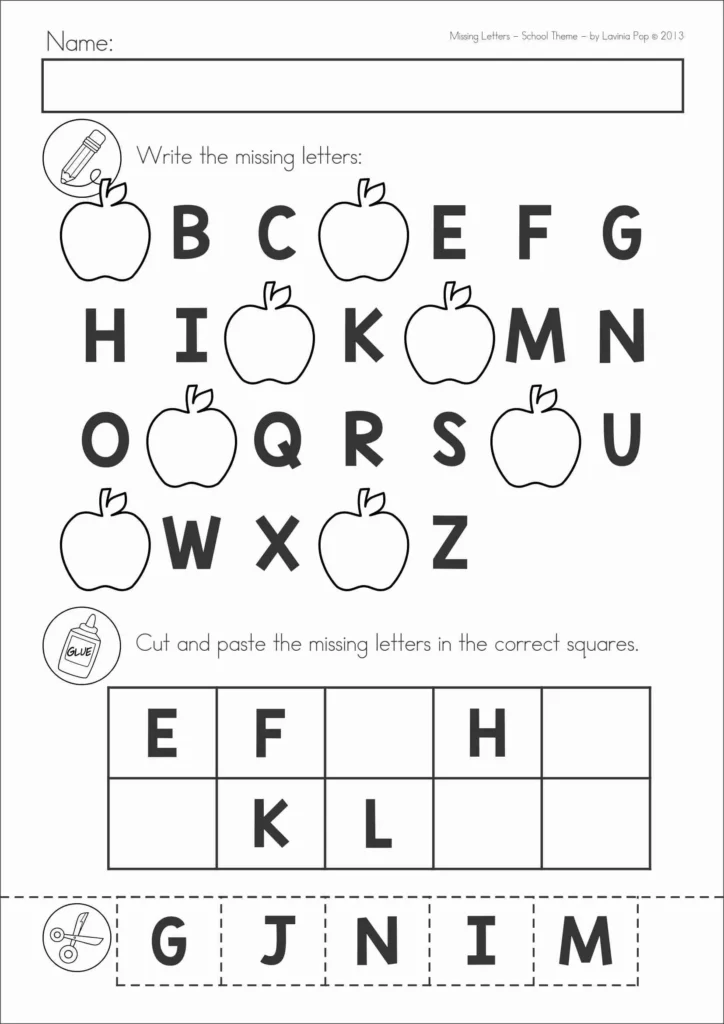
Cut And Paste Alphabet Worksheets
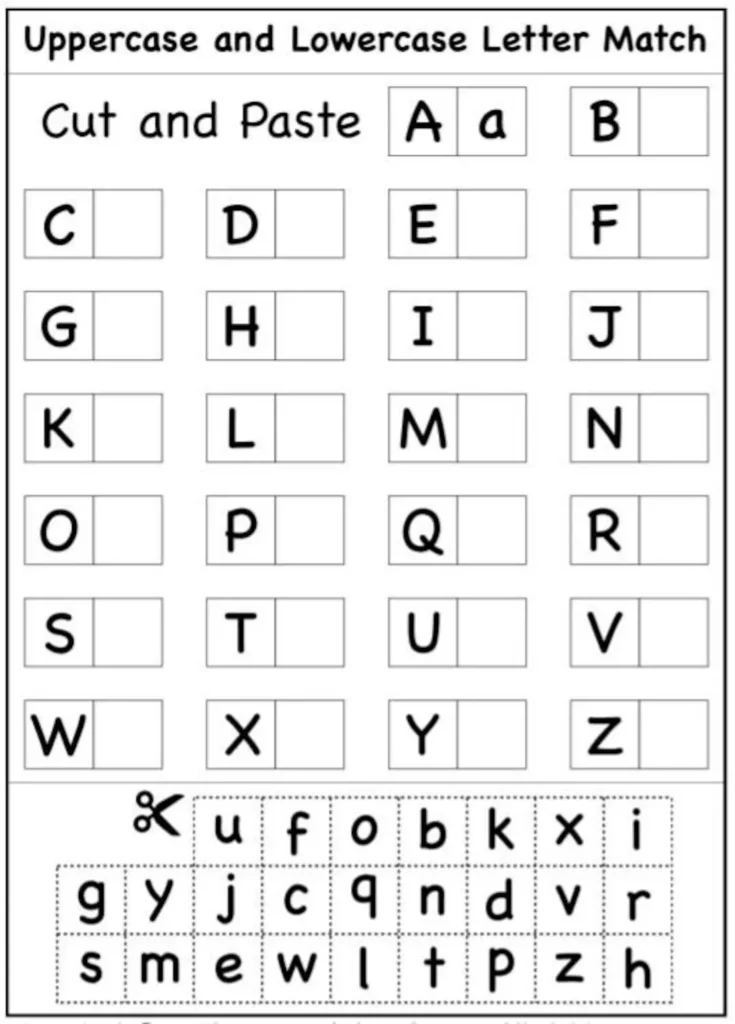
Cut And Paste Alphabet Worksheets