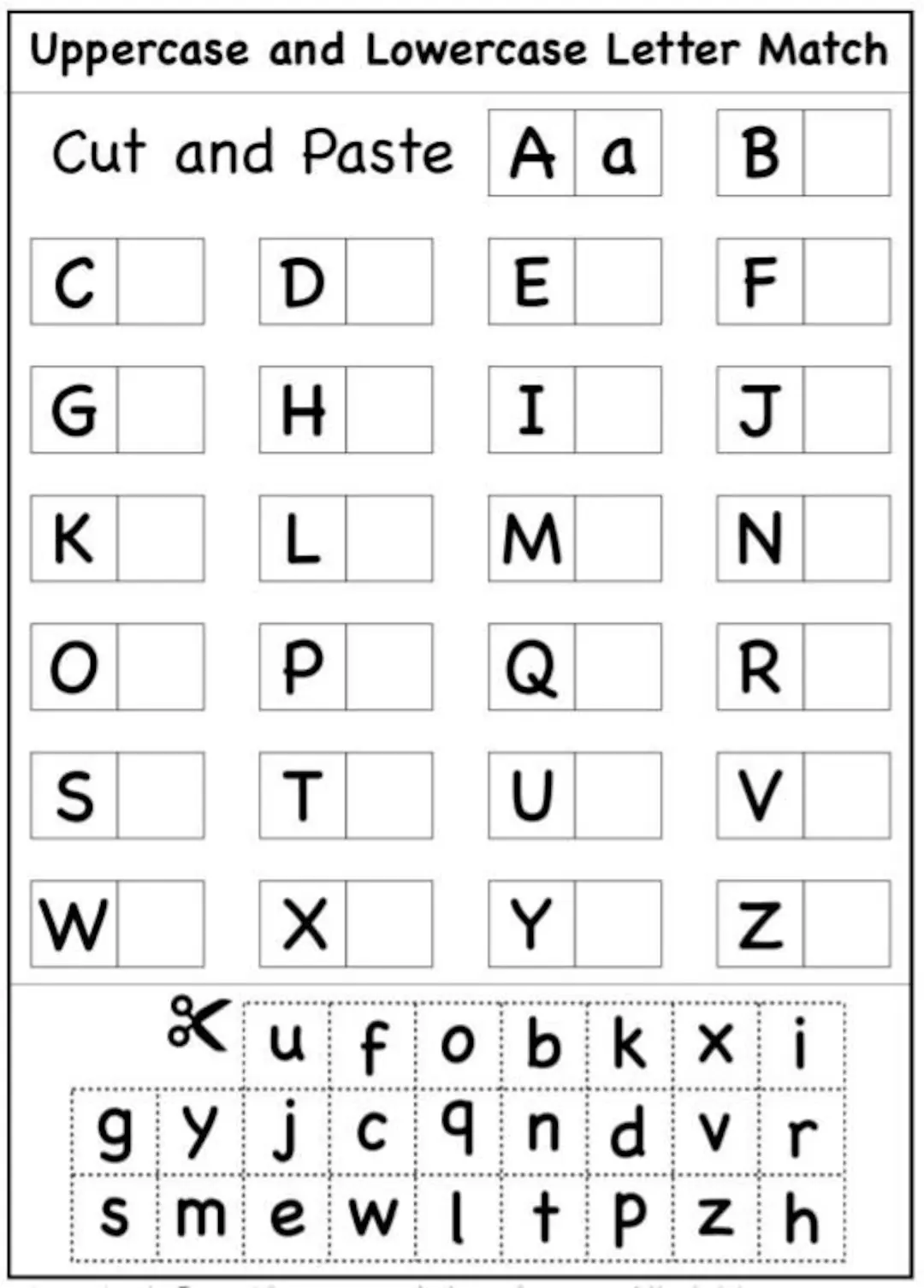
Cut and paste letters activities are an excellent way to enhance early literacy skills while making learning fun and interactive. These hands-on activities not only promote fine motor skills but also help children recognize letters, improve their sorting abilities, and develop their cognitive skills. In this article, we will explore various engaging cut and paste letters activities suitable for preschool and kindergarten learners, ensuring that each activity is both educational and enjoyable.
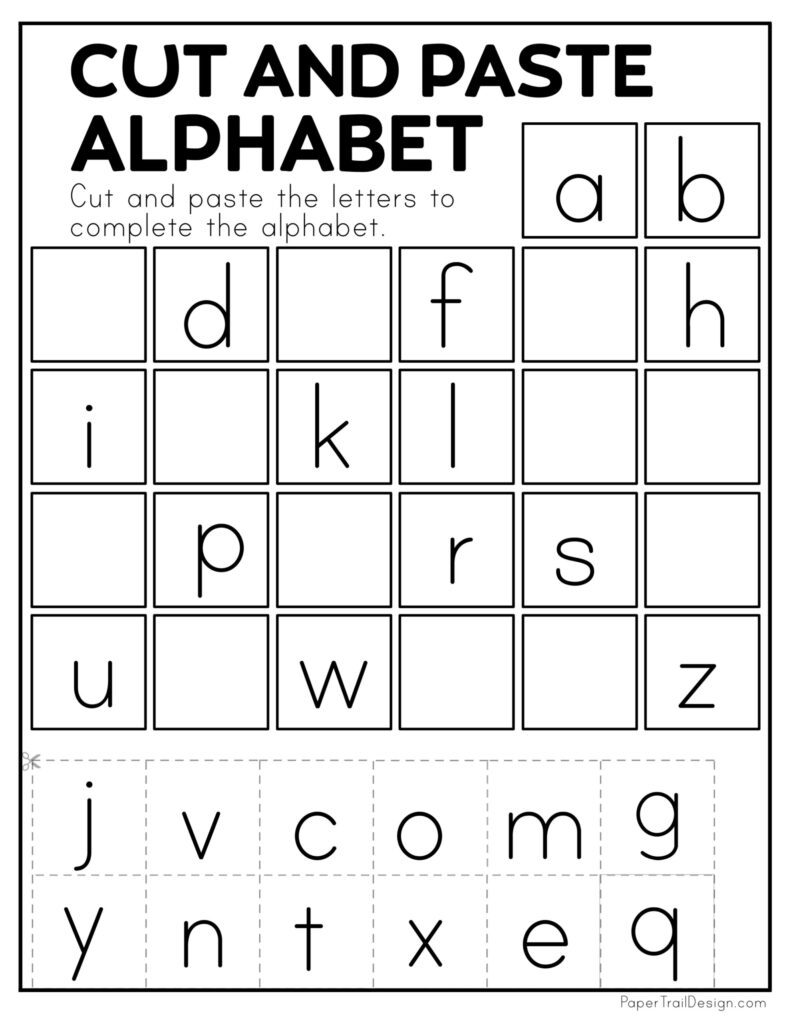
Cut And Paste Letters
Engaging Cut And Paste Letters Activities for Early Learners
Cut and paste letters activities are an excellent way to enhance early literacy skills while making learning fun and interactive. These hands-on activities not only promote fine motor skills but also help children recognize letters, improve their sorting abilities, and develop their cognitive skills. In this article, we will explore various engaging cut and paste letters activities suitable for preschool and kindergarten learners, ensuring that each activity is both educational and enjoyable.
Benefits of Cut And Paste Letters Activities
Incorporating cut and paste letters activities into early childhood education offers numerous benefits:
- Fine Motor Skill Development: Cutting and gluing help strengthen hand muscles, improving dexterity.
- Letter Recognition: Children learn to identify letters through visual and tactile experiences.
- Cognitive Skills: Sorting and matching letters enhance critical thinking and problem-solving abilities.
- Creativity: These activities allow children to express themselves artistically while learning.
Printable Cut And Paste Letters Worksheets
Printable worksheets are a fantastic resource for educators and parents. They provide structured activities that guide children through the learning process. Here are some ideas for cut and paste letters worksheets:
- Letter Matching: Create a worksheet with uppercase letters on one side and lowercase letters on the other. Children can cut out the letters and paste them in pairs.
- Word Building: Provide a list of simple words with corresponding letter cutouts. Children can assemble the words by pasting the correct letters together.
- Alphabet Collage: Offer a variety of images that start with different letters. Children can cut out the images and paste them next to the corresponding letter.
Hands-On Activities for Letter Recognition
Beyond worksheets, hands-on activities can further reinforce letter recognition. Here are some engaging ideas:
- Letter Scavenger Hunt: Hide letter cutouts around the classroom or home. Have children find them and paste them onto a large poster board in alphabetical order.
- Craft Stick Letters: Use craft sticks to form letters. Children can cut out paper shapes of letters and glue them onto the sticks, creating a tactile alphabet display.
- Interactive Storytime: During storytime, provide letter cutouts related to the story. As you read, encourage children to hold up the corresponding letter when they hear it.
Differentiated Learning Approaches
Every child learns at their own pace. Here are some strategies to differentiate cut and paste letters activities:
- Simplified Tasks: For younger or less confident learners, provide larger letter cutouts that are easier to handle.
- Adult Assistance: Offer adult-precut pieces for children who may struggle with scissors, allowing them to focus on gluing instead.
- Themed Activities: Incorporate themes such as seasons or holidays to make learning more relevant and exciting for children.
Cognitive Development Through Sorting and Matching
Cognitive skills are crucial in early childhood development. Cut and paste letters activities can effectively enhance these skills through sorting and matching exercises. Here’s how:
- Sorting Letters by Shape: Provide various letter shapes for children to sort into groups based on similarities, such as curves or straight lines.
- Matching Games: Create a game where children match uppercase letters with their lowercase counterparts using cutouts.
- Puzzle Pieces: Design puzzles where each piece contains part of a letter. Children must assemble the pieces correctly before pasting them onto a board.
Tips for Preparing Cut And Paste Letters Activities
To ensure smooth execution of cut and paste letters activities, consider these preparation tips:
- Select Appropriate Materials: Use child-safe scissors and washable glue sticks for easy handling.
- Create Clear Cutting Lines: Ensure that cutting lines on worksheets are distinct to guide young learners effectively.
- Paper Thickness: Choose suitable paper thickness for durability while still being easy to cut.
- Organize Materials: Keep small cutout pieces in labeled containers to minimize mess during activities.
The Role of Parents in Supporting Learning
The involvement of parents is vital in reinforcing learning at home. Here are ways parents can support their child’s engagement with cut and paste letters activities:
- Create a Learning Space: Set up a designated area at home with all necessary materials for easy access during learning time.
- Sit Together During Activities: Participate in the activities alongside your child to encourage interaction and discussion about letters.
- Praise Efforts: Celebrate your child’s achievements, no matter how small, to build confidence in their abilities.
The Importance of Playful Learning
The essence of early childhood education lies in playful learning. Cut and paste letters activities embody this principle by combining fun with education. By engaging in these hands-on tasks, children not only learn about letters but also develop essential life skills such as patience, focus, and creativity. Encouraging exploration through play fosters a love for learning that lasts a lifetime.
If you’re looking for more resources on early literacy practices, consider visiting reputable organizations like the National Association for the Education of Young Children (NAEYC). Their insights can further enhance your understanding of effective teaching strategies tailored for young learners.
Cultivating an environment rich in cut and paste letters activities will undoubtedly pave the way for successful literacy development in young children. By integrating these engaging methods into daily routines, educators and parents alike can foster a love for learning that inspires future academic success.
If you’re interested in exploring more printable worksheets tailored for early education, check out our collection at 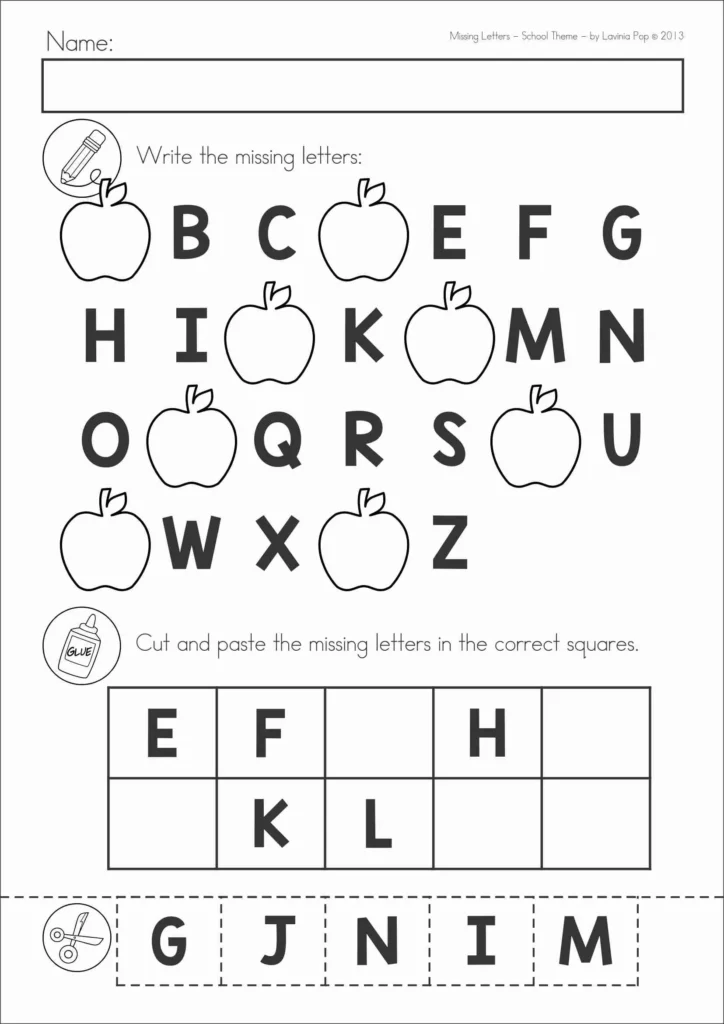
Cut And Paste Alphabet Worksheets
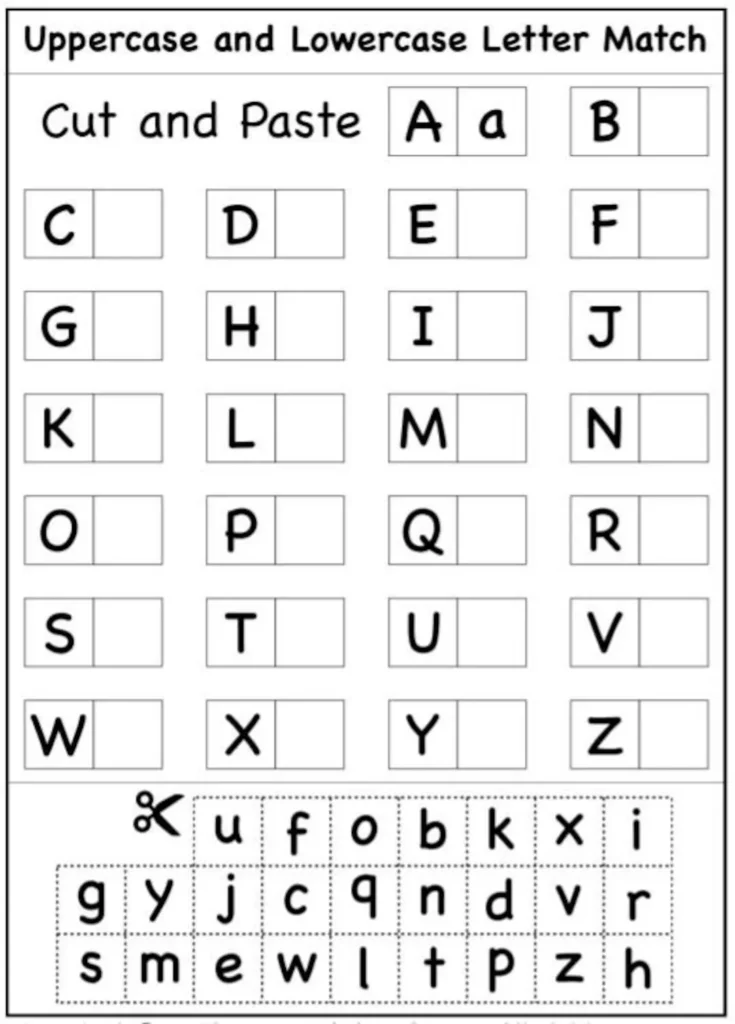
Cut And Paste Alphabet Worksheets