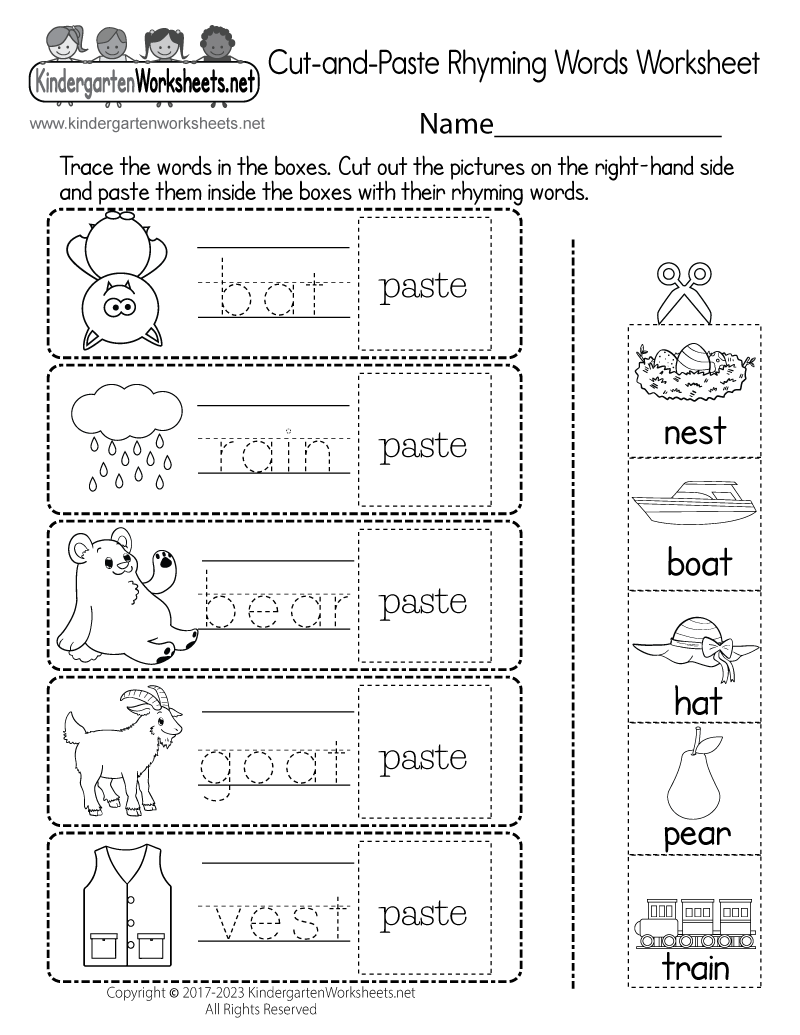
Engaging young learners with cut and paste rhyming activities for kindergarten can significantly enhance their literacy skills while making learning fun. These hands-on activities not only foster creativity but also help children develop fine motor skills and phonemic awareness. In this article, we will explore various cut and paste rhyming activities that are perfect for kindergarten classrooms or home learning environments.
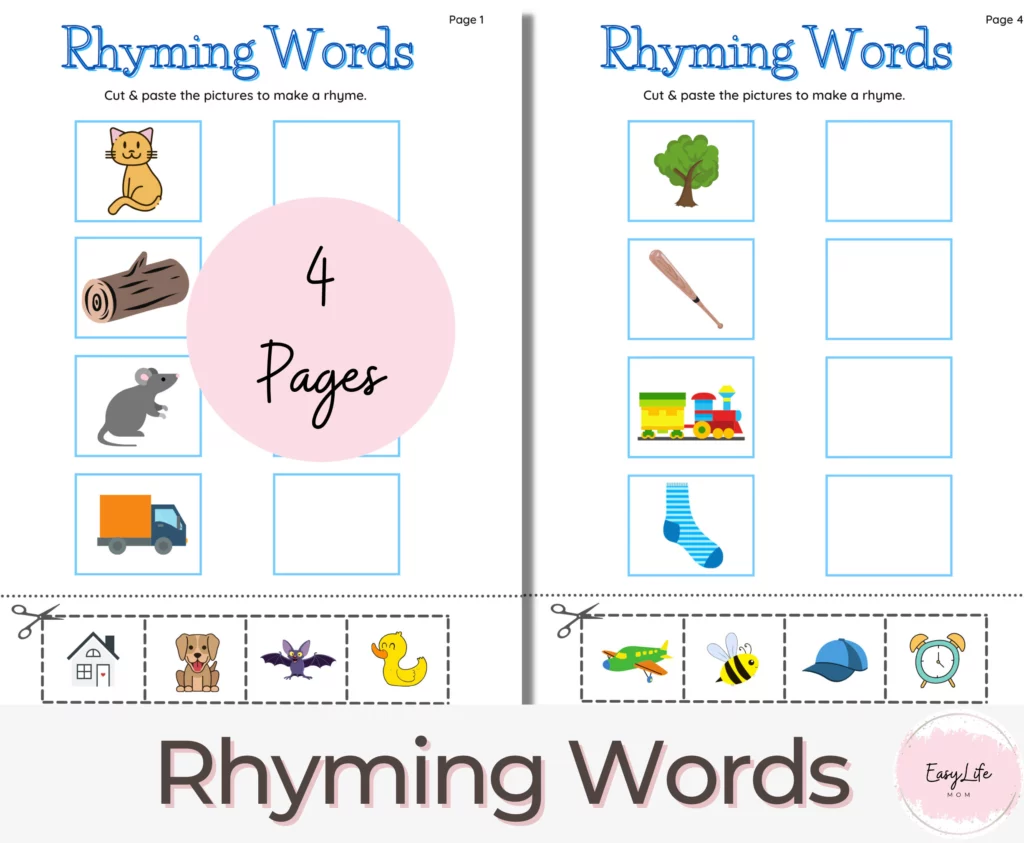
Cut And Paste Rhyming Activities For Kindergarten
Understanding Rhyming in Early Literacy
Rhyming is a fundamental aspect of early literacy that helps children recognize sounds and patterns in words. By participating in cut and paste rhyming activities, children can improve their phonological awareness, which is crucial for reading success. These activities encourage children to listen closely to sounds and make connections between words, enhancing their vocabulary and comprehension skills.
Benefits of Cut and Paste Activities
- Fine Motor Skill Development: Cutting and pasting require precision, helping children strengthen their hand-eye coordination.
- Engagement: Hands-on activities keep children interested and motivated to learn.
- Cognitive Skills: Sorting and matching rhyming words promote critical thinking and problem-solving abilities.
Creative Cut and Paste Rhyming Worksheets
Printable worksheets are an excellent resource for implementing cut and paste rhyming activities. Here are some creative ideas for worksheets that can be easily integrated into your teaching plan:
1. Rhyming Word Match
Create a worksheet with two columns: one with images of objects (like cat, hat, bat) and another with corresponding words. Children can cut out the words and paste them next to the correct images. This activity reinforces word recognition while making connections between sounds.
2. Rhyming Pairs Puzzle
Design a worksheet featuring pairs of rhyming words that are cut into puzzle pieces. Children can mix them up and then work to match the correct pairs by gluing them together on a separate sheet. This encourages both critical thinking and fine motor practice.
3. Story Sequencing with Rhymes
Create a short story with rhyming lines where children cut out sentences or phrases. They can then arrange the sentences in the correct order and glue them onto a blank sheet. This activity helps with comprehension as well as sequencing skills.
Hands-On Rhyming Activities Beyond Worksheets
While worksheets are beneficial, incorporating hands-on activities can further enhance learning experiences. Here are some engaging ideas:
1. Rhyming Scavenger Hunt
Organize a scavenger hunt where children search for objects around the classroom or home that rhyme with specific words. For example, if the target word is “dog,” they might find “log” or “frog.” After finding the items, they can cut pictures from magazines or draw them to create their own rhyming book.
2. Rhyming Songs and Movement
Singing songs that include rhymes encourages auditory learning. Incorporate movements or actions to the songs to make them more interactive. For instance, while singing “The Cat Came Back,” children can mimic the actions described in the song.
3. Create a Rhyming Wall
Set up a dedicated space in your classroom or home where children can display their cut-out rhymes. They can create a collage of images and words that rhyme, allowing them to visually see connections between different words while fostering creativity.
Differentiating Activities for Various Skill Levels
It’s essential to recognize that children develop at different rates. Here are some ways to differentiate cut and paste rhyming activities:
- For Beginners: Provide pre-cut images and words so they can focus on matching without the cutting aspect.
- For Advanced Learners: Challenge them to come up with their own rhymes or create sentences using the rhyming words they’ve learned.
- Group Activities: Pair stronger readers with those who may need more support, allowing peer learning opportunities during group tasks.
Practical Tips for Implementing Cut And Paste Activities
To ensure successful implementation of these activities, consider the following practical tips:
- Materials: Use child-safe scissors and washable glue sticks to ensure safety during activities.
- Preparation: Precut complex shapes or provide templates for younger children who may struggle with cutting.
- Organizing Supplies: Keep small cutout pieces organized in containers to prevent messes during activities.
- Reusability: Consider laminating worksheets for repeated use, allowing children to practice multiple times without wasting paper.
The Role of Parents in Supporting Rhyming Skills
Parents play a crucial role in reinforcing rhyming skills at home. Engaging in daily reading sessions where parents emphasize rhymes can significantly benefit children’s literacy development. Additionally, parents can create simple cut-and-paste activities using household items or printable resources available online.
If you’re looking for more resources on early literacy practices, consider visiting Reading Rockets, which offers valuable insights into developing reading skills in young learners.
Cultivating a love for language through fun activities like cut and paste rhyming exercises will set a strong foundation for children’s future reading success. By integrating these engaging methods into your teaching strategy, you will not only enhance literacy skills but also inspire creativity and joy in learning.
Download Cut And Paste Rhyming Activities For Kindergarten
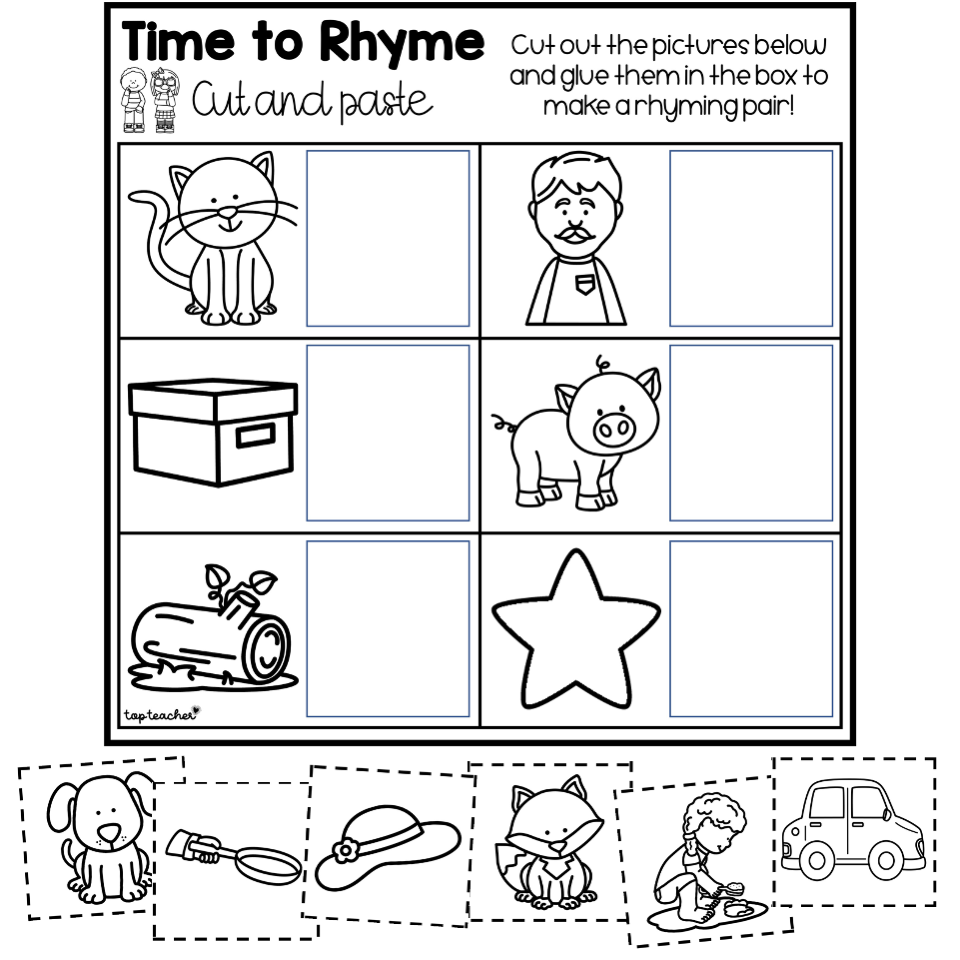
Time To Rhyme Cut And Paste Worksheets
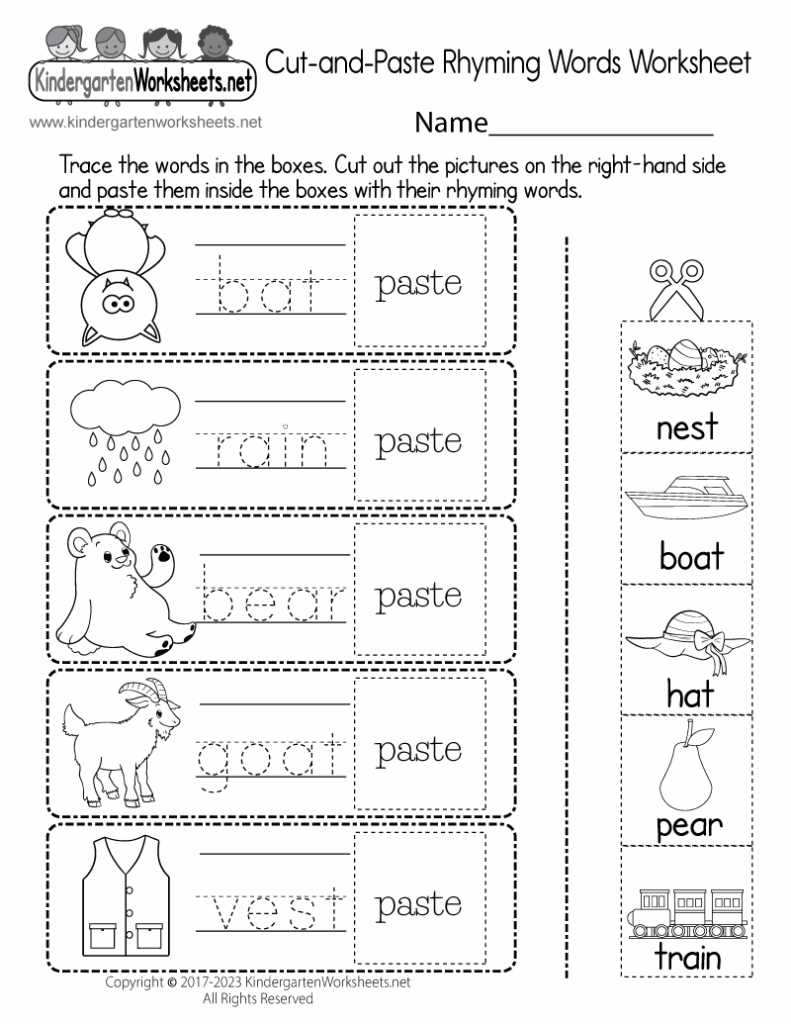
Rhyming Words Worksheet