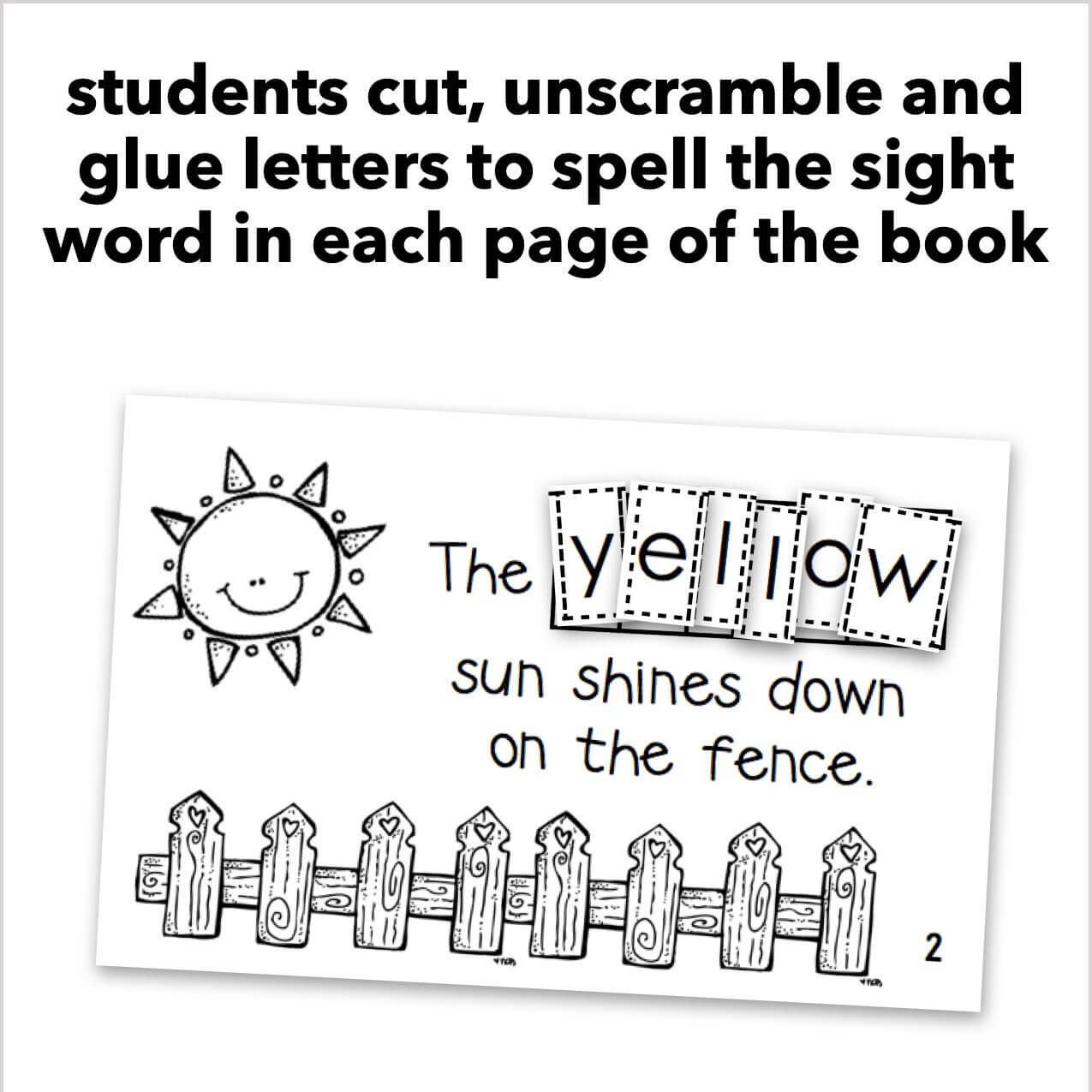
Cut and paste sight word books for kindergarten are an engaging way to help young learners develop their reading skills. These interactive worksheets not only promote literacy but also enhance fine motor skills through hands-on activities. By incorporating cut and paste activities, children can actively participate in their learning process, making it both fun and effective. In this article, we will explore the benefits of using these worksheets, provide practical examples, and suggest ways to implement them in the classroom or at home.
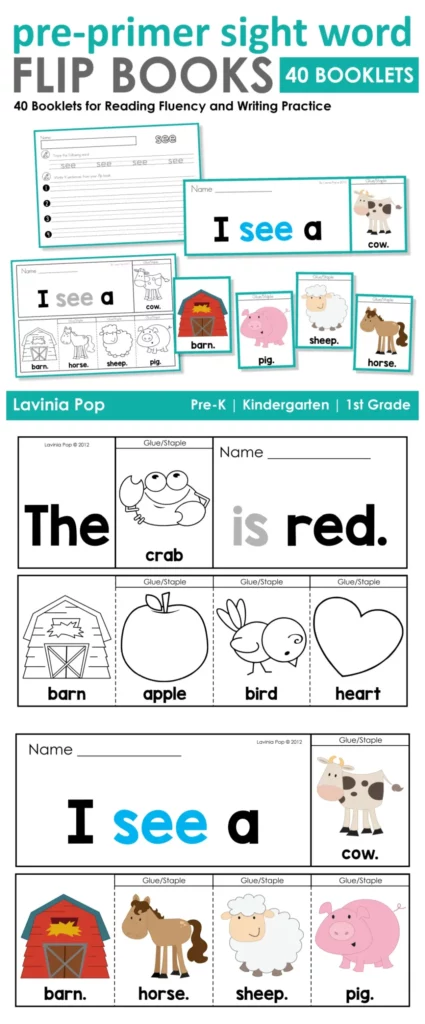
Cut And Paste Sight Word Books For Kindergarten
Benefits of Cut and Paste Sight Word Books
Cut and paste sight word books offer numerous advantages for kindergarten students. Firstly, they encourage active participation, allowing children to physically manipulate words and images. This tactile experience reinforces learning and helps with memory retention. Additionally, these activities support fine motor skill development as children practice cutting and gluing.
Moreover, cut and paste worksheets can be tailored to individual learning needs. Teachers and parents can adjust the difficulty level by selecting specific sight words or providing additional support for struggling learners. This adaptability makes them an excellent resource for diverse classrooms.
Creating Your Own Cut and Paste Sight Word Books
Creating personalized cut and paste sight word books is a straightforward process. Start by selecting a set of sight words appropriate for your students’ reading levels. Common sight words include “the,” “and,” “is,” “to,” and “in.” Once you have your list, follow these steps:
- Gather Materials: Collect child-safe scissors, washable glue sticks, and colorful paper.
- Design Worksheets: Create worksheets that feature the chosen sight words along with corresponding images or illustrations.
- Print and Prepare: Print the worksheets on US Letter paper. Consider using thicker paper for durability.
- Cutting Practice: Pre-cut some pieces if necessary, especially for younger children who may struggle with scissors.
Engaging Activities with Sight Word Books
Once your cut and paste sight word books are ready, incorporate various activities to enhance learning:
- Word Matching: Have children match sight words with pictures by cutting them out and gluing them in the correct spots.
- Sight Word Sentences: Encourage students to create simple sentences using their cut-out words. This helps them understand word usage in context.
- Story Creation: Allow children to use their completed books to tell stories, fostering creativity while reinforcing their reading skills.
Fine Motor Skill Development Through Cutting Activities
The act of cutting and pasting is crucial for developing fine motor skills in young children. As they manipulate scissors and glue, they strengthen hand-eye coordination and dexterity. Here are some tips to enhance fine motor skill development during these activities:
- Scissor Skills: Teach proper scissor grip and control by demonstrating how to cut along straight lines before progressing to curves.
- Glue Application: Show children how to apply glue sparingly to avoid messes while encouraging them to practice precision.
- Puzzle Pieces: Incorporate puzzles into the cut-and-paste activity by having children create their own puzzles using sight words.
Differentiated Learning with Cut and Paste Worksheets
Differentiation is key in a kindergarten classroom where students have varying skill levels. Cut and paste sight word books can be adapted for different learners:
- Advanced Learners: Provide more complex sight words or challenge them to create sentences using multiple words.
- Struggling Readers: Focus on fewer words at a time or use larger print for easier visibility.
- Bilingual Learners: Include translations of sight words in their native language alongside English to support comprehension.
Incorporating Sight Word Books into Daily Routines
Sight word books can easily be integrated into daily routines at home or in the classroom. Here are some ideas:
- Circular Reading Time: Set aside time each day for children to read their sight word books aloud to peers or family members.
- Sight Word Games: Create games where children can earn points for identifying or using sight words correctly during playtime.
- Themed Activities: Align cut-and-paste activities with seasonal themes or holidays to keep learning exciting throughout the year.
Resources for Further Learning
If you’re looking for additional resources on early literacy development, consider visiting Reading Rockets, which offers a wealth of information on teaching reading strategies effectively. Their insights can complement your use of cut-and-paste worksheets by providing further educational techniques tailored for young learners.
In conclusion, cut and paste sight word books for kindergarten are an invaluable tool in early childhood education. They not only foster literacy skills but also promote fine motor development through engaging hands-on activities. By creating personalized worksheets and incorporating various learning strategies, educators can provide a rich learning experience that caters to all students’ needs.
For more printable worksheets that support early literacy, visit our cut and paste resources.
Download Cut And Paste Sight Word Books For Kindergarten
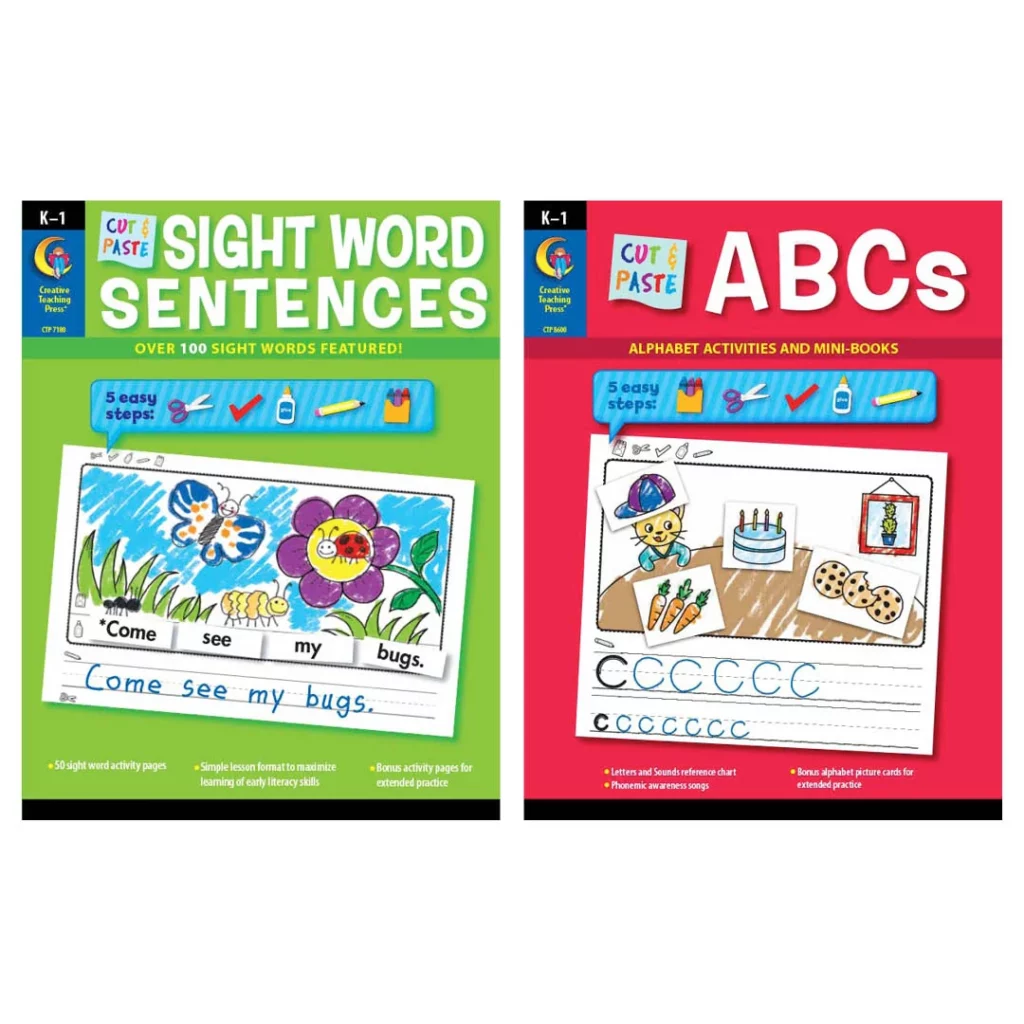
Cut And Paste Letters And Sight Words 2 Book Set 10
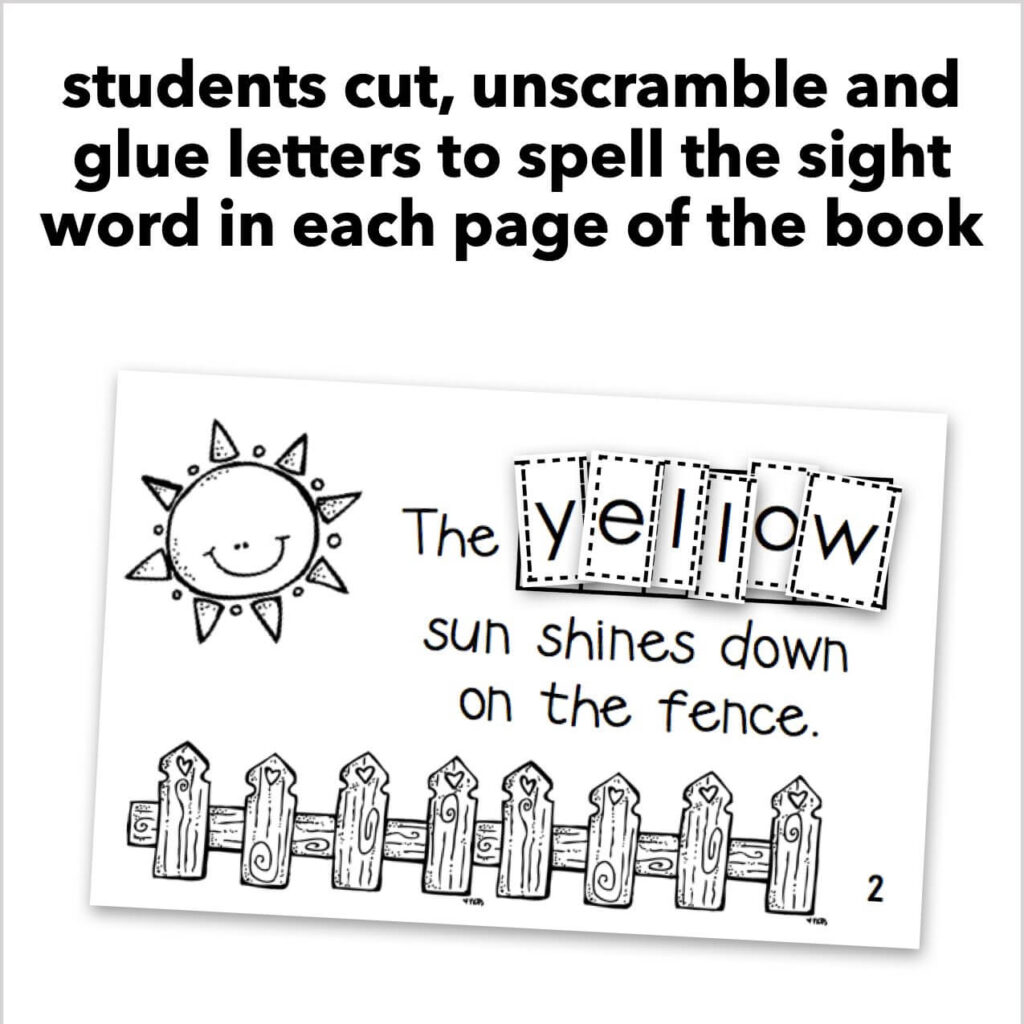
Color Word Sight Word Book Mini Bundle Of Emergent Readers