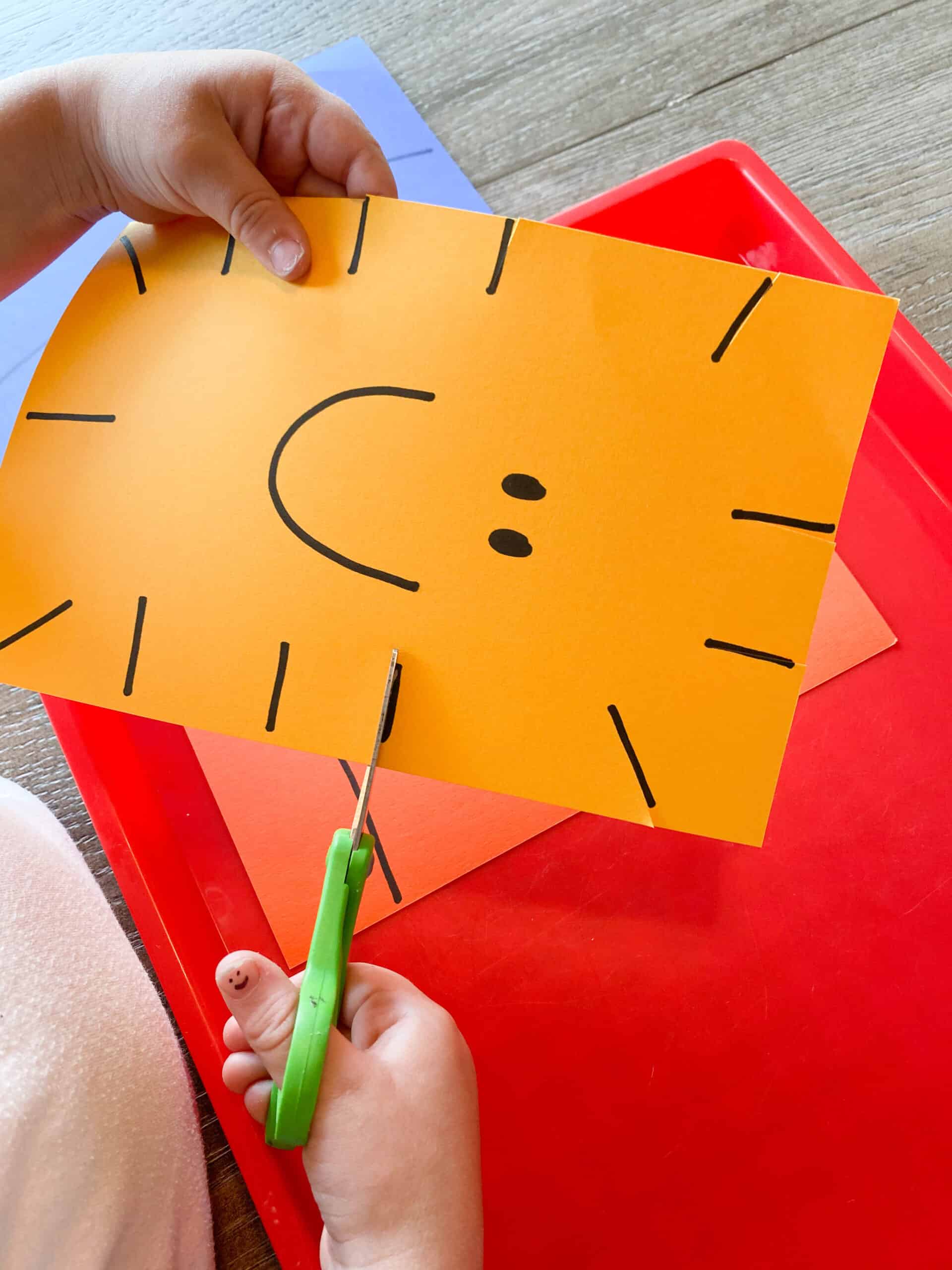
Cutting activities for kindy are essential for developing fine motor skills and enhancing hand-eye coordination in young learners. These engaging tasks not only promote creativity but also lay the groundwork for future academic success. By incorporating cutting and pasting into preschool education, children can explore their artistic side while mastering important skills. This article will delve into various cutting activities suitable for kindergarteners, providing practical examples and tips for educators and parents alike.
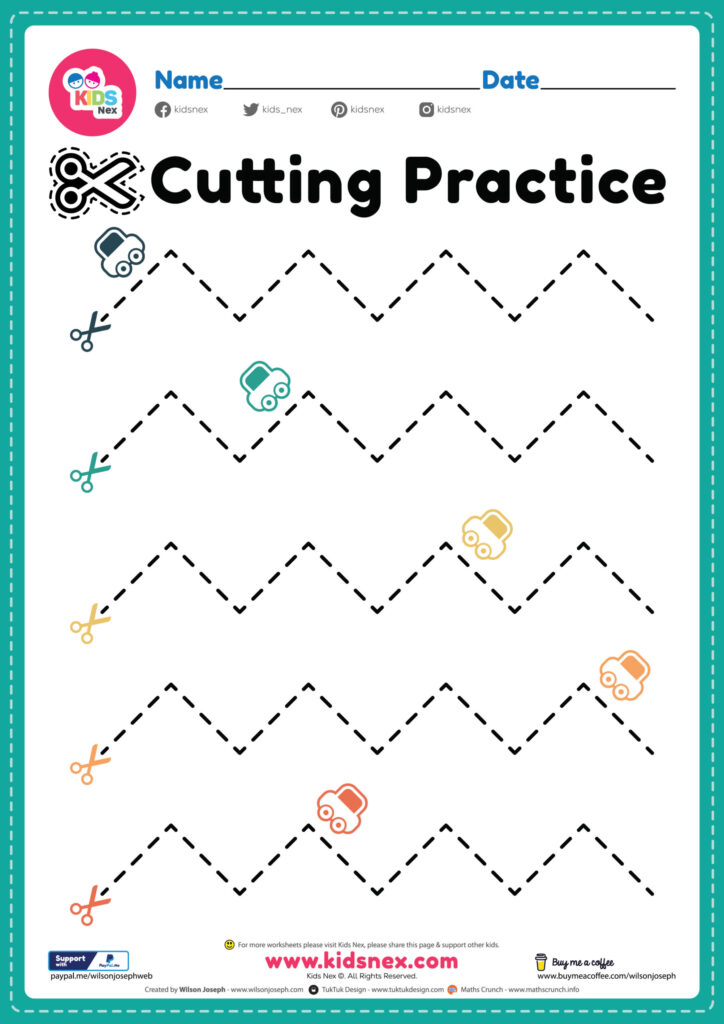
Cutting Activities For Kindy
Benefits of Cutting Activities
Engaging in cutting activities offers numerous benefits for kindy students. These activities help improve:
- Fine Motor Skills: Using scissors requires precision, which strengthens hand muscles.
- Hand-Eye Coordination: Children learn to coordinate their hand movements with what they see.
- Cognitive Development: Following cutting lines and patterns enhances problem-solving skills.
- Creativity: Cutting allows children to express themselves artistically through various projects.
Essential Materials for Cutting Activities
Before starting cutting activities, gather the necessary materials to ensure a smooth experience:
- Child-Safe Scissors: Ensure that scissors are appropriate for young children.
- Washable Glue Sticks: Ideal for sticking cut pieces together without mess.
- Printable Worksheets: Use worksheets designed with clear cutting lines for easy following.
- Colored Paper: Bright colors can make the activity more engaging.
Fun Cutting Activities for Kindergarteners
Here are some enjoyable cutting activities that can be easily implemented in both classroom and home settings:
1. Shape Cutting Practice
Create worksheets featuring various shapes such as circles, squares, and triangles. Children can practice cutting along the lines of each shape. This activity helps them understand different geometric forms while honing their scissor skills.
2. Collage Creation
Provide children with magazines or colored paper to cut out pictures or shapes. They can then glue these cutouts onto a larger piece of paper to create a collage. This activity encourages creativity and allows children to express their interests visually.
3. Seasonal Crafts
Incorporate seasonal themes into cutting activities. For example, during autumn, children can cut out leaves or pumpkins from colored paper. This not only makes the activity relevant but also helps them learn about different seasons and holidays.
4. Storybook Characters
Select characters from popular children’s books and provide outlines for children to cut out. After cutting, they can use these characters in storytelling sessions, enhancing both their cutting skills and literacy development.
Differentiating Cutting Activities
Recognizing that children develop at different rates is crucial when planning cutting activities. Here are some strategies to differentiate tasks based on skill levels:
- Beginners: Provide thicker lines or larger shapes to cut out, making it easier for young learners.
- Intermediate: Introduce more complex shapes with curves or angles to challenge their skills.
- Advanced: Encourage freehand cutting where children create their own shapes or designs without outlines.
Tips for Successful Cutting Activities
To ensure a successful experience with cutting activities, consider the following tips:
- Supervision: Always supervise young children when using scissors to ensure safety.
- Pacing: Allow children to work at their own pace; rushing can lead to frustration.
- Cueing Techniques: Use verbal cues or demonstrations to guide them through the process of cutting.
The Role of Parents and Educators
The involvement of parents and educators is vital in reinforcing the skills learned through cutting activities. Here are ways they can support children’s learning:
- Create a Cutting Corner: Set up a designated area with all necessary materials readily available.
- Encourage Exploration: Allow children to experiment with different materials like fabric or cardboard under supervision.
- Praise Efforts: Celebrate their achievements, no matter how small, to boost confidence and motivation.
Conclusion: Embracing Hands-On Learning
Cutting activities for kindy are an excellent way to foster essential skills while making learning enjoyable. By incorporating these hands-on experiences into early childhood education, we prepare children not only for academic success but also for creative expression. Explore more engaging worksheets and ideas at CutPasteWorksheets.net, where you can find resources tailored specifically for preschool education.
If you’re looking for additional resources on early childhood education, consider visiting reputable sites like the National Association for the Education of Young Children (NAEYC), which offers valuable insights into child development and effective teaching strategies.
Download Cutting Activities For Kindy
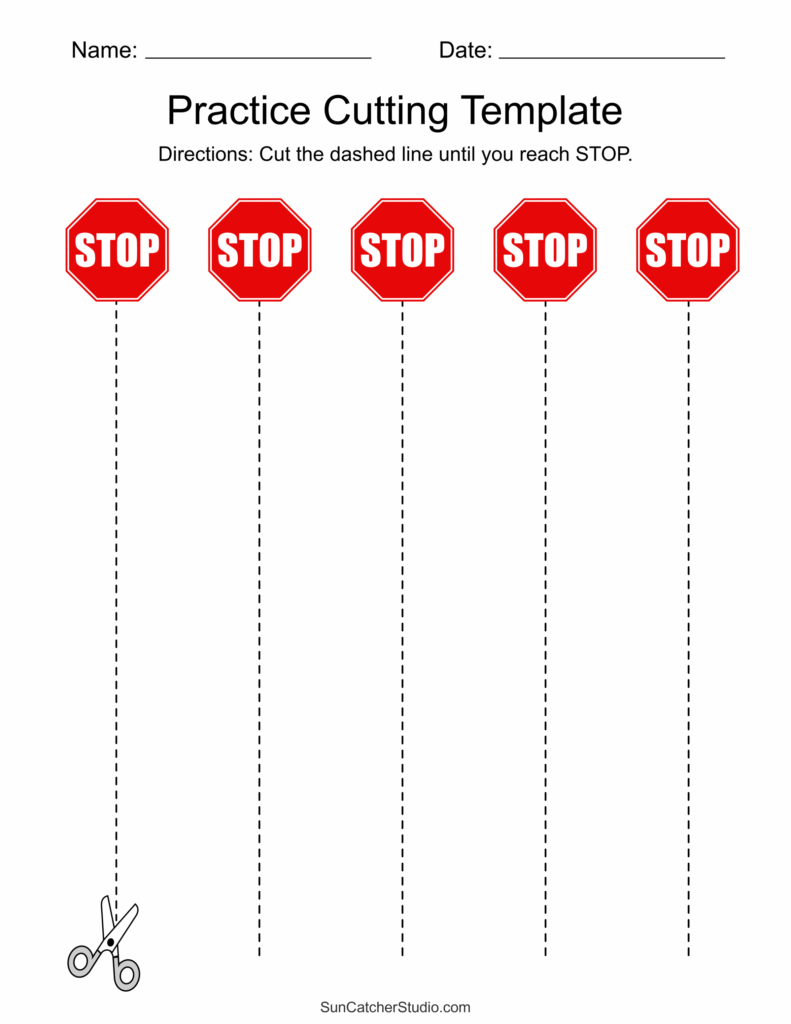
Cutting Worksheets
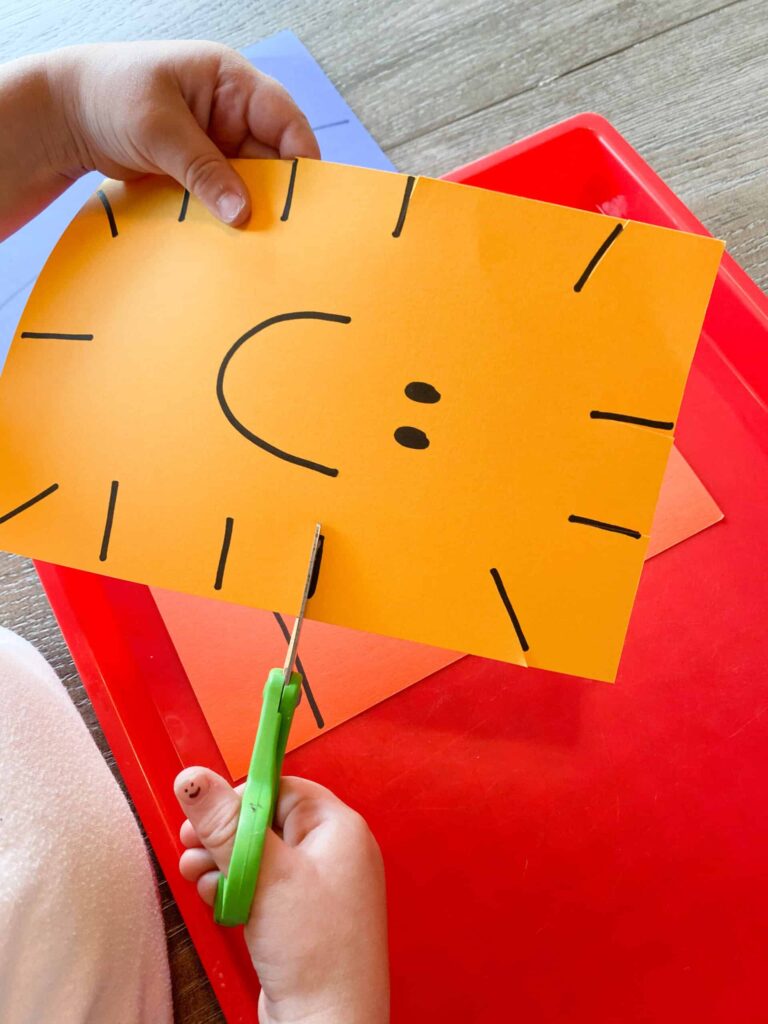
Simple Cutting Tray Preschool Scissor Skills Activity