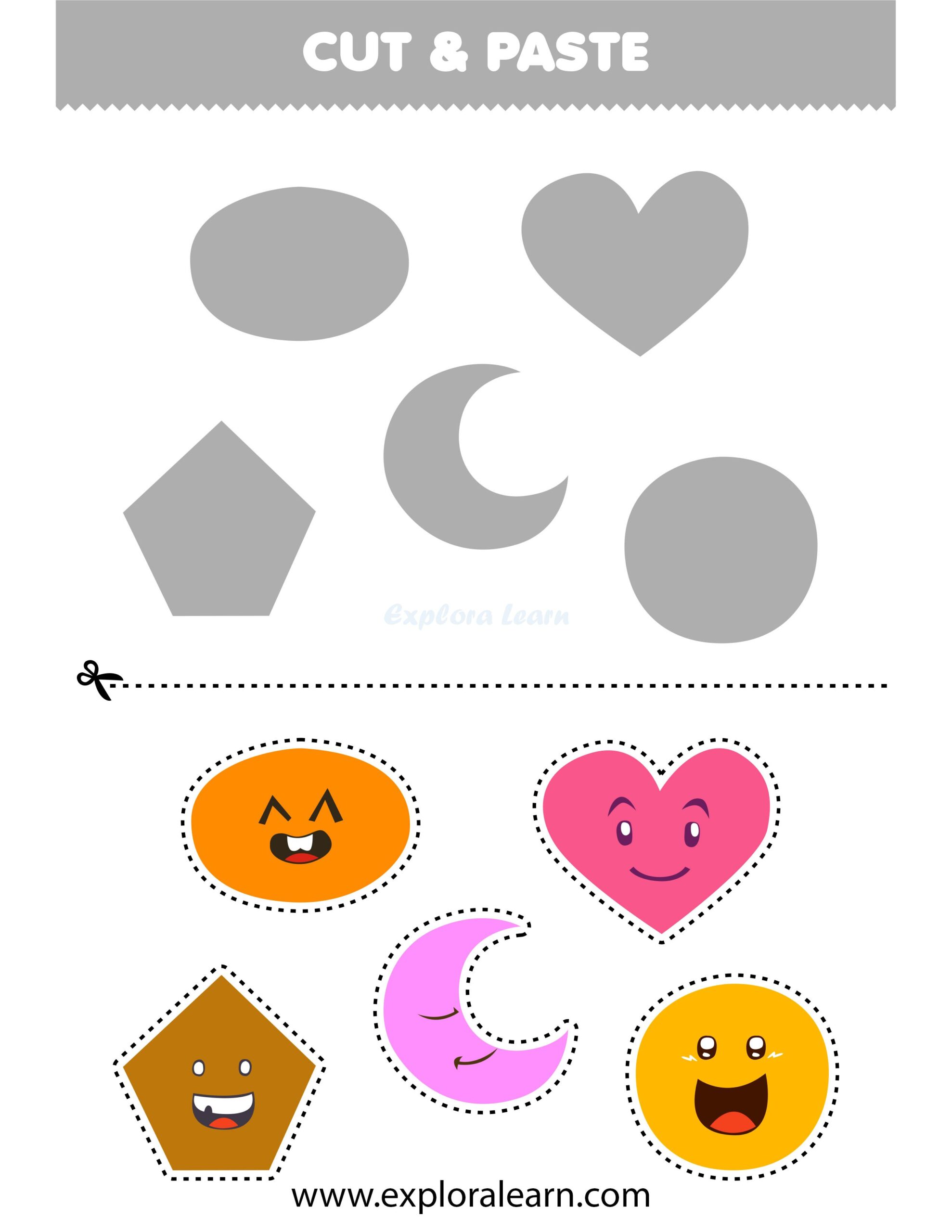
Cutting and gluing activities are essential for preschool and kindergarten education, promoting fine motor skills and creativity. These hands-on activities not only engage children but also enhance their cognitive development. By incorporating cutting and gluing into learning, educators can create an interactive environment that fosters exploration and discovery. In this article, we will explore various cutting and gluing activities, their educational benefits, and practical tips for implementation.
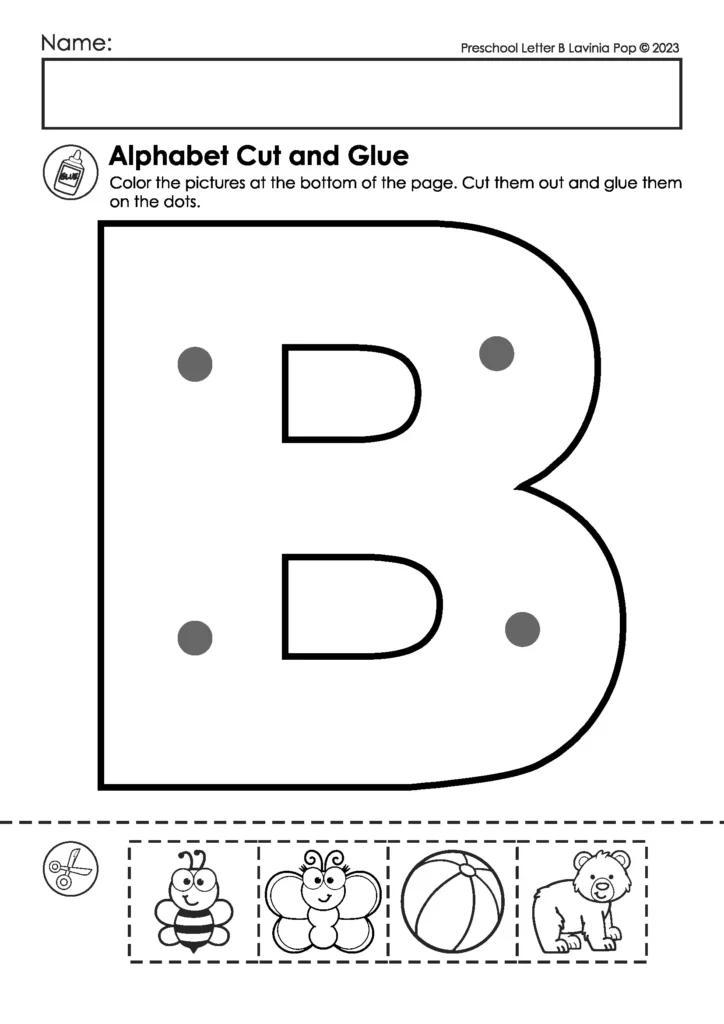
Cutting And Gluing Activity
Engaging Cutting and Gluing Activities for Young Learners
Cutting and gluing activities are essential for preschool and kindergarten education, promoting fine motor skills and creativity. These hands-on activities not only engage children but also enhance their cognitive development. By incorporating cutting and gluing into learning, educators can create an interactive environment that fosters exploration and discovery. In this article, we will explore various cutting and gluing activities, their educational benefits, and practical tips for implementation.
Benefits of Cutting and Gluing Activities
Engaging in cutting and gluing activities offers numerous benefits for young learners:
- Fine Motor Skill Development: Using scissors and glue helps strengthen hand muscles, improving dexterity.
- Cognitive Skills: These activities encourage problem-solving as children figure out how to assemble their projects.
- Creativity: Children express themselves through art, allowing for personal interpretation of tasks.
- Focus and Concentration: Completing a project requires attention to detail, enhancing focus.
Essential Materials for Cutting and Gluing Activities
Before starting any cutting and gluing activity, gather the necessary materials. Here’s a list of items you will need:
- Child-safe scissors
- Washable glue sticks
- Colorful paper or cardstock
- Pencils or crayons for drawing
- Pre-cut shapes or templates (optional)
Creative Cutting and Gluing Activity Ideas
Here are some engaging activity ideas that incorporate cutting and gluing:
1. Collage Creation
Provide children with various materials such as magazines, colored paper, and fabric scraps. Encourage them to cut out images or shapes and create a collage. This activity promotes creativity while allowing children to practice their cutting skills.
2. Seasonal Crafts
Create seasonal crafts like paper snowflakes in winter or flower bouquets in spring. Provide templates for children to trace or cut out shapes, then glue them onto a larger sheet of paper to create a themed artwork.
3. Storybook Characters
Select a favorite storybook and have children cut out characters from colored paper. They can then glue these characters onto a scene they create on another sheet of paper, fostering storytelling skills alongside their artistic expression.
4. Shape Sorting Activity
Create a shape sorting activity by providing pre-cut shapes in different colors. Children can glue the shapes onto corresponding colored sheets of paper, reinforcing color recognition and sorting skills.
Adjusting Difficulty Levels
When planning cutting and gluing activities, consider the varying skill levels of children:
- Younger Children: Provide larger shapes that are easier to cut out. Consider using pre-cut pieces to minimize frustration.
- Older Preschoolers: Introduce more intricate designs or allow them to create their own shapes to cut out.
- Differentiated Instruction: Pair children with varying skill levels together; more skilled children can assist those who may struggle.
Implementing Cutting and Gluing Activities at Home
Cuts and glues can easily be integrated into home learning environments. Here are some tips for parents:
- Create a designated crafting space with all materials readily available.
- Simplify projects by using templates or guides that children can follow.
- Encourage open-ended exploration; let children decide what they want to create rather than providing strict instructions.
Safety Tips for Cutting Activities
Safety is paramount when engaging in cutting activities with young children. Here are some essential safety tips:
- Always supervise children while they use scissors.
- Select child-safe scissors designed for small hands.
- Teach proper scissor handling techniques before starting any project.
The Role of Educators in Facilitating Cutting and Gluing Activities
Educators play a crucial role in guiding children through cutting and gluing activities. Here are some strategies:
- Create a Structured Environment: Set up stations with all necessary materials organized for easy access.
- Model Techniques: Demonstrate how to use scissors safely and effectively before allowing children to start.
- Praise Efforts: Encourage creativity by praising children’s efforts rather than focusing solely on the final product.
Conclusion: Embracing Hands-On Learning Through Cutting and Gluing Activities
The incorporation of cutting and gluing activities into early childhood education provides numerous developmental benefits while fostering creativity. By offering diverse projects tailored to children’s skill levels, educators can create an engaging learning environment that promotes exploration and hands-on learning. For more printable worksheets that support these activities, visit our collection at CutPasteWorksheets.net.
If you’re interested in further resources on early childhood education practices, consider exploring the National Association for the Education of Young Children at naeyc.org.
Download Cutting And Gluing Activity
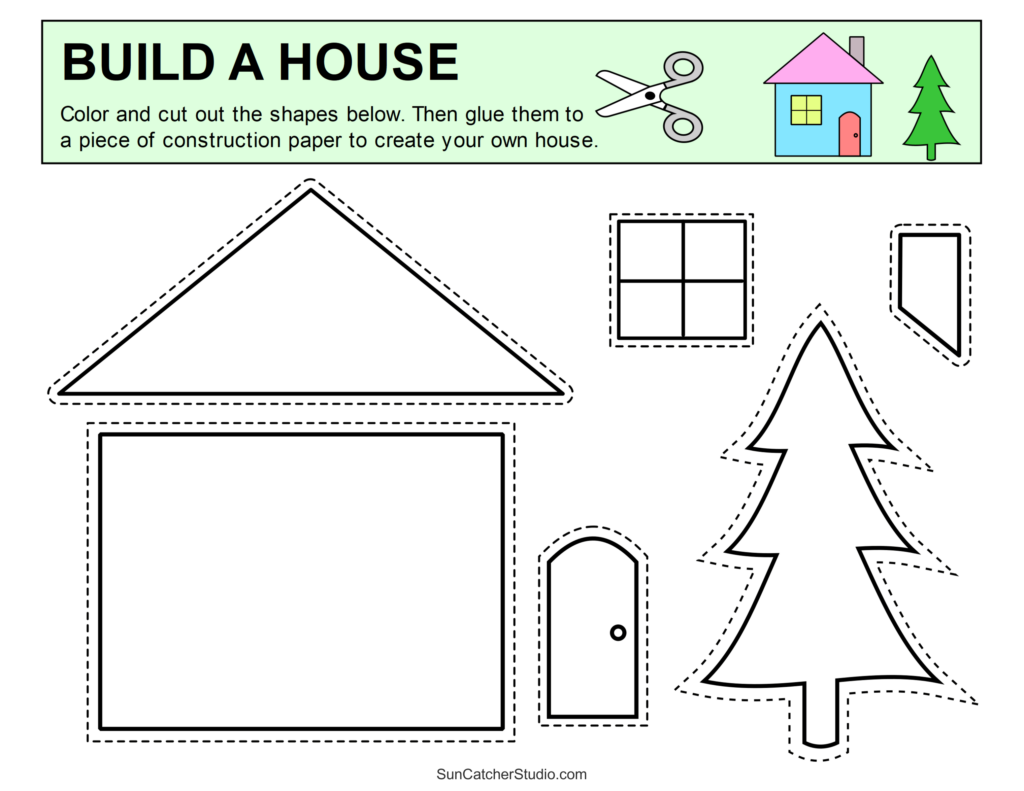
Cut And Paste Worksheets
Cut And Glue Crafts