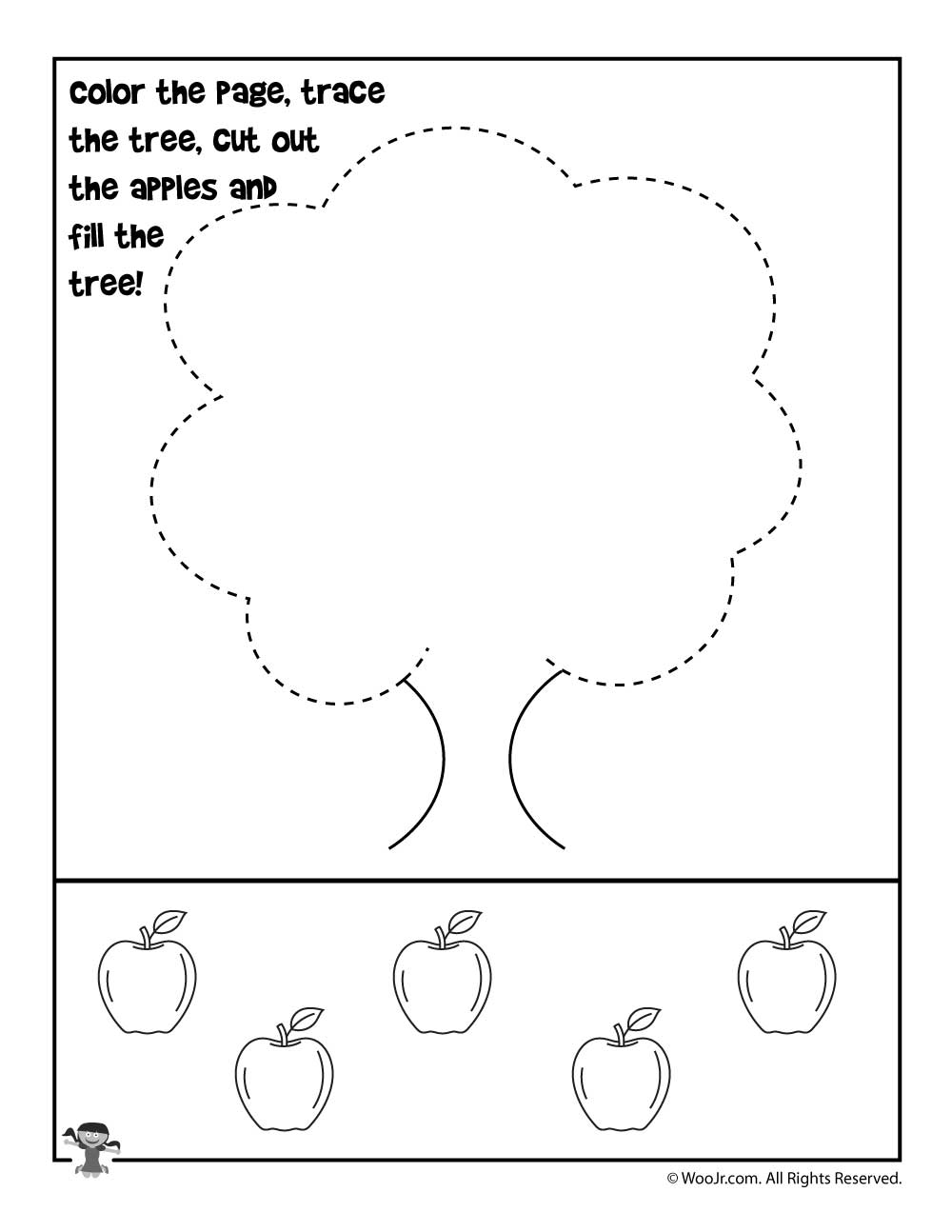
Cutting and tracing worksheets are essential tools for preschool and kindergarten educators, designed to enhance fine motor skills and early literacy development. These engaging activities not only provide children with hands-on learning experiences but also foster creativity and confidence. By incorporating cutting and tracing into daily routines, parents and teachers can create a fun environment that encourages exploration and skill-building.
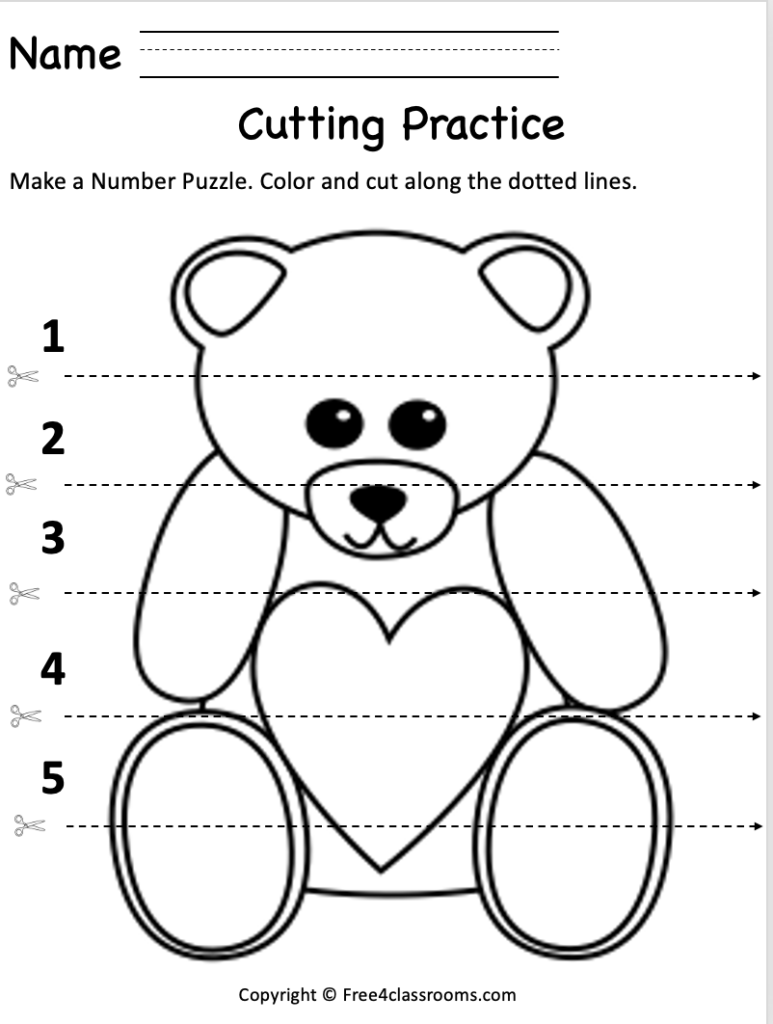
Cutting And Tracing Worksheets
Benefits of Cutting and Tracing Worksheets
Cutting and tracing worksheets offer numerous benefits for young learners. They help develop fine motor skills, which are crucial for tasks such as writing, drawing, and self-care. Additionally, these activities promote hand-eye coordination, concentration, and patience. As children practice cutting along lines or tracing shapes, they gain control over their hand movements, which is vital for their overall development.
Types of Cutting and Tracing Worksheets
- Shape Tracing: Worksheets featuring various shapes allow children to practice tracing while learning about geometric forms.
- Letter Tracing: These worksheets help children familiarize themselves with the alphabet by tracing uppercase and lowercase letters.
- Number Tracing: Number tracing worksheets support early math skills by allowing children to practice writing numbers.
- Picture Cutting: Worksheets that require cutting out pictures encourage creativity as children create collages or themed crafts.
Practical Applications in the Classroom
Incorporating cutting and tracing worksheets into the classroom can be done in various ways. For example, teachers can set up a dedicated art station where children can freely explore these activities. Providing a variety of worksheets allows children to choose what interests them most, fostering independence and decision-making skills.
Additionally, integrating these worksheets into thematic units can enhance learning. For instance, during a unit on animals, teachers can provide animal-shaped tracing worksheets or pictures to cut out. This approach not only reinforces the theme but also makes learning more engaging.
Home Learning Activities
Parents can easily incorporate cutting and tracing worksheets into home learning routines. Setting aside a specific time each week for these activities can create a structured yet enjoyable learning environment. Parents can print out worksheets from resources like CutPasteWorksheets.net, ensuring they have access to high-quality materials.
To make it more interactive, parents can turn cutting and tracing into a game. For example, they might challenge their child to cut out all the shapes in a certain color or trace letters that spell their name. Such activities not only make learning fun but also strengthen the parent-child bond through shared experiences.
Differentiating Activities for Various Skill Levels
Recognizing that children develop at different rates is crucial when using cutting and tracing worksheets. For younger or less experienced learners, consider providing worksheets with thicker lines or larger shapes to trace. This adjustment makes it easier for them to succeed while building confidence.
For more advanced learners, introduce worksheets with intricate designs or patterns that require more precision when cutting or tracing. This differentiation ensures that all children remain engaged and challenged according to their skill levels.
Materials Needed for Cutting and Tracing Activities
To ensure a safe and effective cutting and tracing experience, gather the following materials:
- Child-safe scissors: These scissors are designed specifically for young learners, making them safer to use.
- Washable glue sticks: Ideal for sticking cut-out pieces without the mess of liquid glue.
- Pencil or markers: For tracing activities, providing different colors can make it more exciting.
- Paper thickness: Use standard US Letter paper for durability while ensuring it’s easy to cut through.
Tips for Successful Cutting and Tracing Experiences
To maximize the effectiveness of cutting and tracing activities, consider these tips:
- Create clear cutting lines: Ensure that lines are distinct so children can easily follow them while cutting or tracing.
- Organize small cutout pieces: Use containers to keep small pieces organized after cutting; this helps prevent loss and clutter.
- Encourage exploration: Allow children to experiment with different materials like colored paper or textured surfaces for added sensory experiences.
The Role of Adult Supervision
While cutting and tracing worksheets provide valuable learning opportunities, adult supervision is essential. Adults should guide children on how to use scissors safely and assist with any challenging tasks. This support not only ensures safety but also enhances the learning experience through guidance and encouragement.
Culminating Activities with Cutouts
After completing cutting and tracing worksheets, encourage children to use their cutouts in creative ways. They might create a storybook using traced letters or shapes as illustrations or assemble a collage based on a theme they enjoy. These culminating activities reinforce what they’ve learned while allowing them to express their creativity.
Conclusion
Cutting and tracing worksheets are invaluable resources for early childhood education. They promote fine motor skills development while providing engaging hands-on learning experiences. By incorporating these activities into both classroom settings and home learning environments, educators and parents can foster essential skills in young learners. Explore more resources at CutPasteWorksheets.net, where you’ll find an array of printable worksheets tailored for preschoolers and kindergarteners.
Download Cutting And Tracing Worksheets
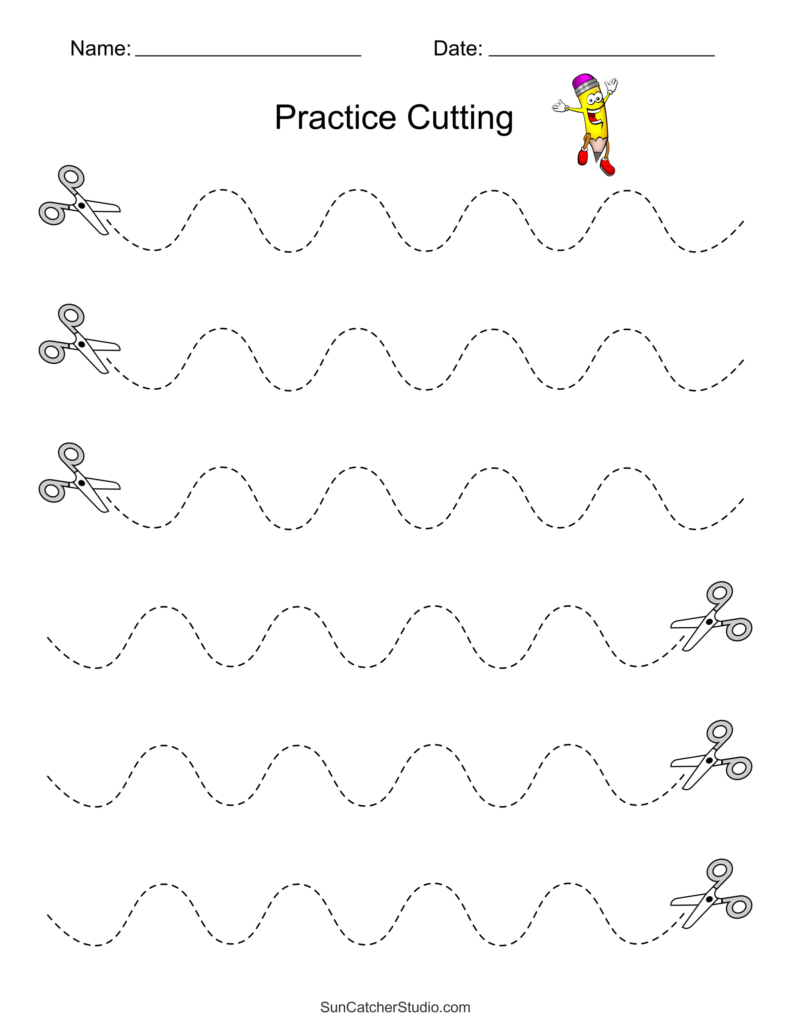
Cutting Worksheets
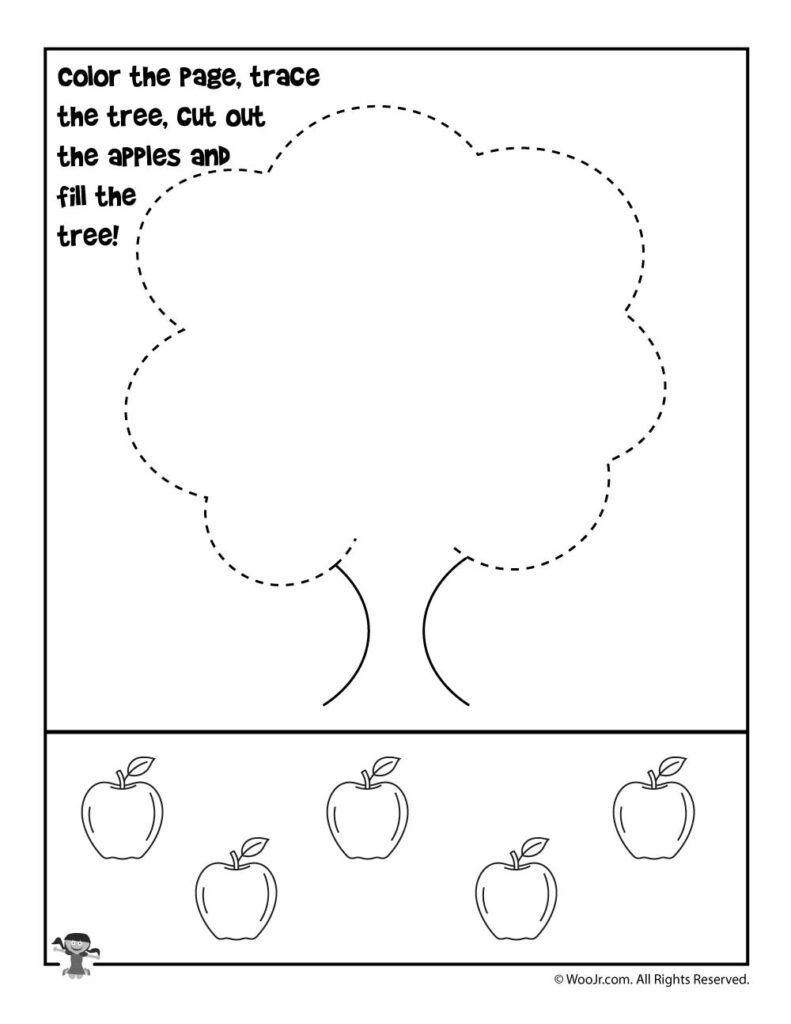
Fall Preschool Worksheets For Tracing Matching And Cutting Practice