Cutting skills are essential for kindergarteners as they lay the foundation for fine motor development and hand-eye coordination. A cutting assessment for kindergarten helps educators and parents evaluate a child’s proficiency with scissors, which is crucial for various learning activities. This article explores effective cutting assessments, practical activities, and tips to enhance children’s cutting skills in a fun and engaging way.
Cutting Assessment For Kindergarten
Understanding Cutting Skills in Kindergarten
Cutting skills involve more than just using scissors; they encompass a range of fine motor abilities that contribute to a child’s overall development. Mastering these skills enables children to participate in various classroom activities, from arts and crafts to writing. Assessing cutting skills can help identify areas where a child may need additional support or practice.
Components of a Cutting Assessment
A comprehensive cutting assessment should evaluate several key components:
- Grip: Assess how well the child holds the scissors. A proper grip is essential for control and precision.
- Control: Observe how smoothly the child maneuvers the scissors along cutting lines.
- Accuracy: Evaluate how well the child follows straight and curved lines without veering off course.
- Speed: Consider how quickly the child can complete cutting tasks while maintaining accuracy.
Practical Activities for Developing Cutting Skills
Incorporating hands-on activities into daily routines can significantly enhance children’s cutting abilities. Here are some engaging ideas:
1. Scissor Practice Sheets
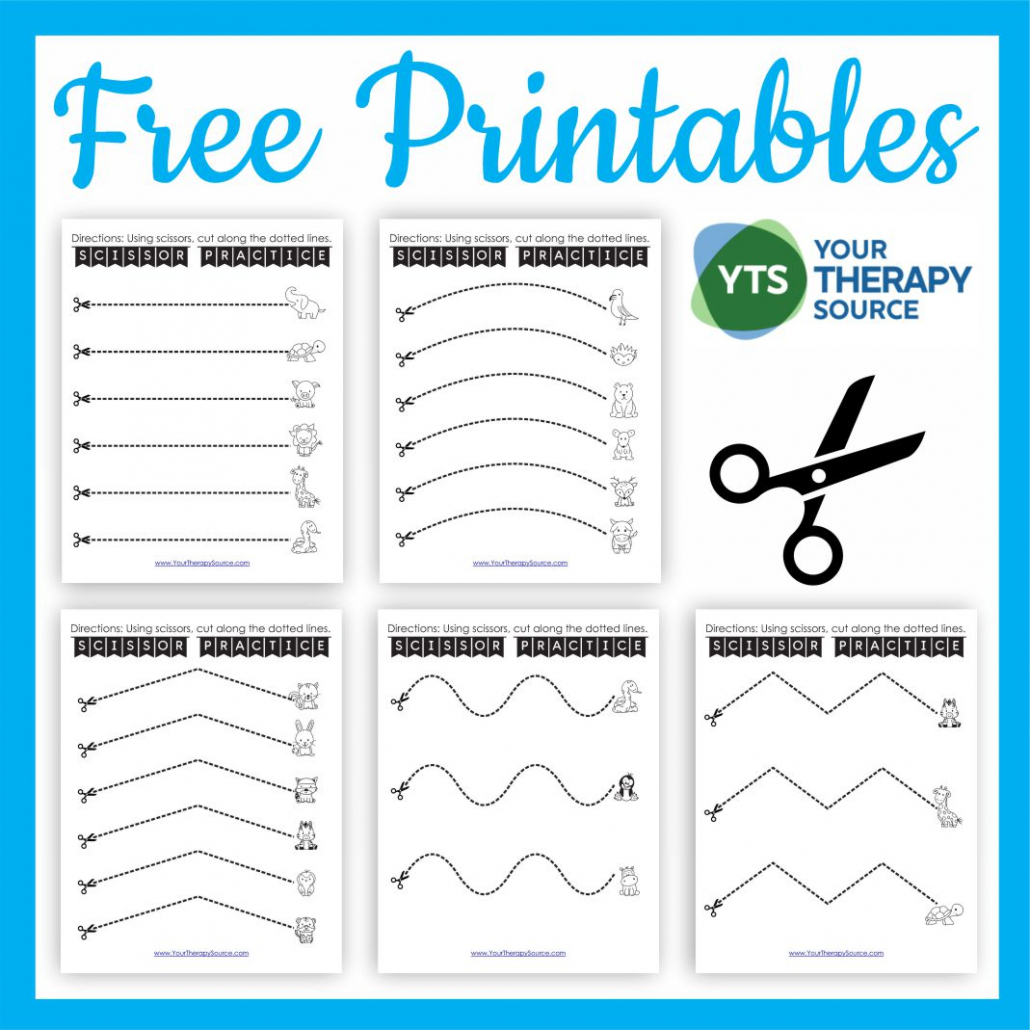
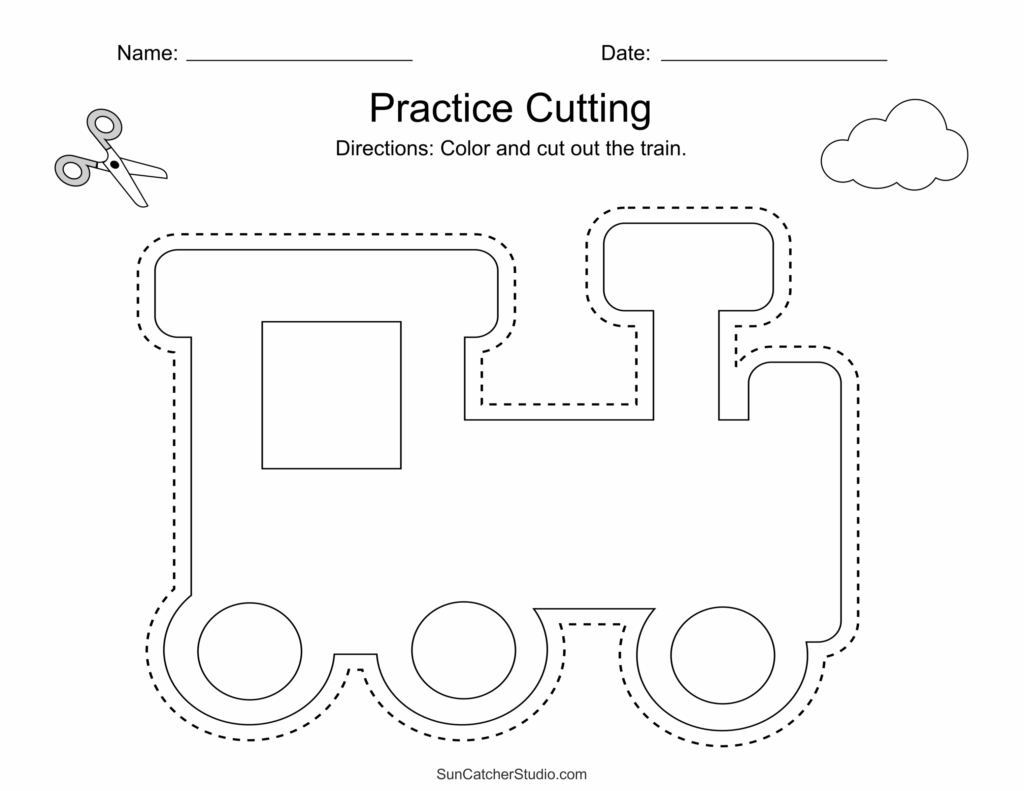
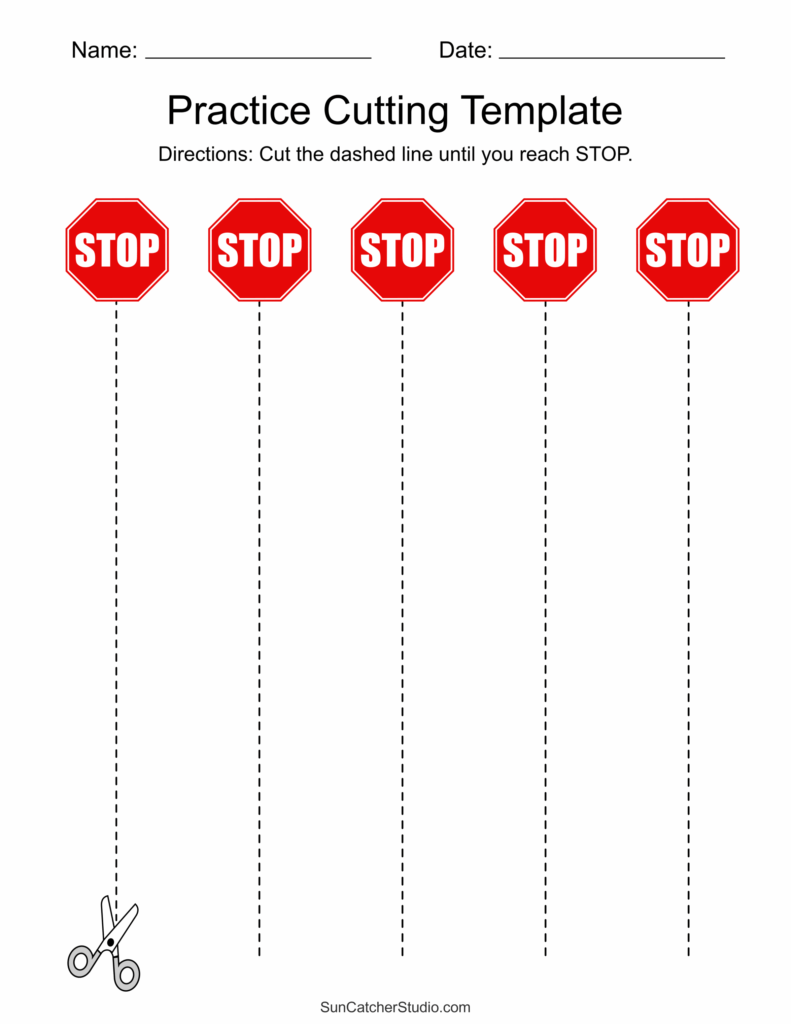
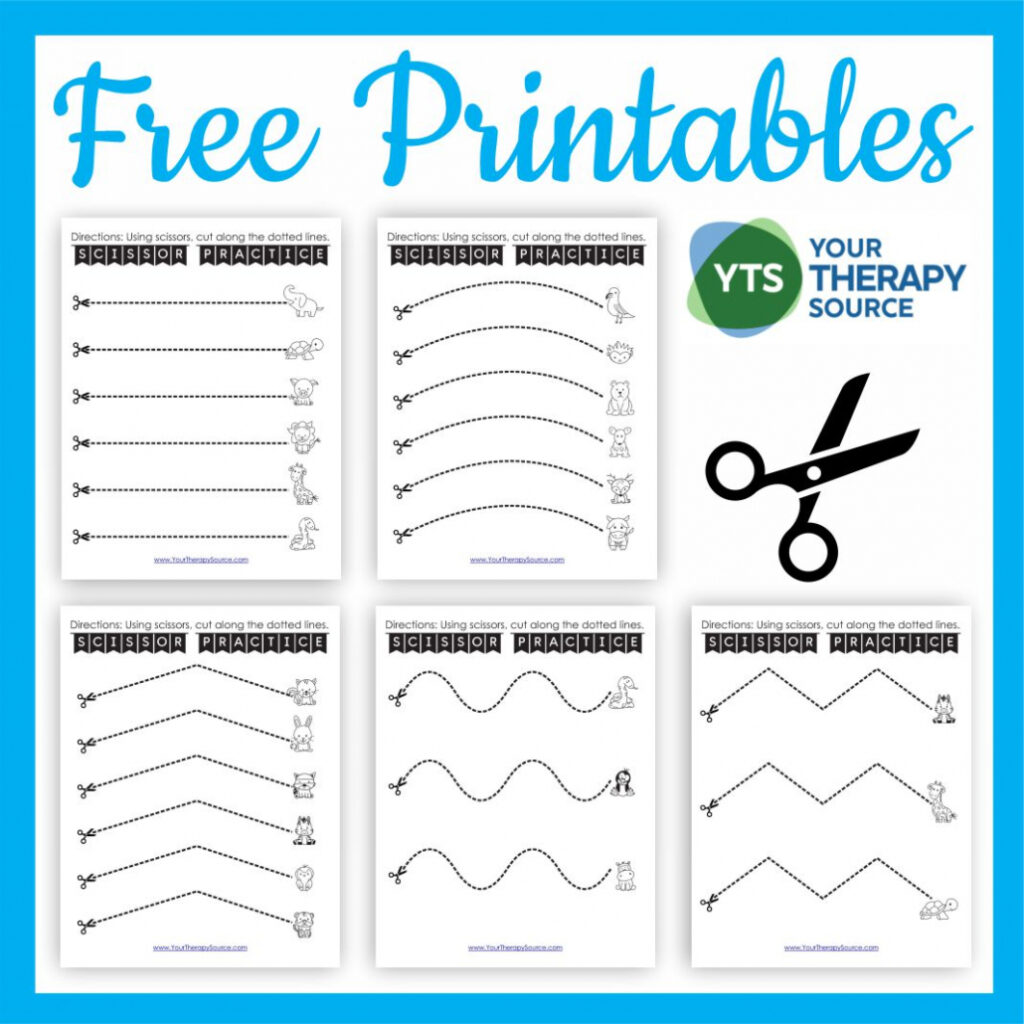
Create printable worksheets with various lines and shapes for children to cut out. Start with straight lines, then progress to curves and zigzags. This gradual increase in difficulty helps build confidence and skill.
2. Collage Making
Provide children with old magazines or colored paper to cut out pictures and create collages. This activity not only improves cutting skills but also encourages creativity and self-expression.
3. Seasonal Crafts
Engage children in seasonal crafts that require cutting, such as making paper snowflakes in winter or flower decorations in spring. These themed activities make learning fun while practicing essential skills.
Tips for Effective Cutting Assessments
When conducting a cutting assessment, consider the following tips to ensure a positive experience:
- Create a Comfortable Environment: Ensure that the assessment takes place in a quiet, distraction-free area where the child feels at ease.
- Use Child-Safe Scissors: Provide scissors designed for young children, which are easier to handle and safer to use.
- Offer Encouragement: Use positive reinforcement throughout the assessment to boost the child’s confidence and motivation.
Differentiating Instruction Based on Assessment Results
After completing the cutting assessment, it’s important to tailor instruction based on each child’s needs:
- If a child struggles with grip: Introduce activities that strengthen hand muscles, such as playdough manipulation or squeezing stress balls.
- If accuracy is an issue: Provide additional practice with thicker lines or larger shapes before moving on to more complex tasks.
- If speed is lacking: Encourage timed challenges where children can practice cutting against a clock to build confidence and efficiency.
The Role of Parents in Supporting Cutting Skills
Parents play a crucial role in reinforcing cutting skills at home. Here are some strategies they can implement:
- Create Cutting Kits: Assemble kits with scissors, paper, and other materials for at-home practice.
- Incorporate Cutting into Daily Routines: Encourage children to help with simple tasks like cutting food items or preparing craft materials during family projects.
- Model Good Techniques: Demonstrate proper scissor use and encourage children to mimic your actions during practice sessions.
The Importance of Fine Motor Development
The development of fine motor skills through activities like cutting is vital for kindergarten readiness. These skills not only prepare children for academic tasks such as writing but also enhance their ability to perform everyday tasks independently. Engaging in regular scissor practice can significantly improve children’s dexterity, coordination, and confidence.
Resources for Further Learning
If you’re looking for additional resources on early childhood education and fine motor skill development, consider visiting reputable organizations such as the National Association for the Education of Young Children (NAEYC). They provide valuable insights into best practices for teaching young learners.
A well-structured cutting assessment for kindergarten can provide invaluable insights into a child’s developmental progress while offering opportunities for growth through engaging activities. By incorporating fun practices at home and in the classroom, educators and parents can foster essential skills that will benefit children throughout their educational journey.
For more printable worksheets focused on fine motor skills and early childhood learning, explore our collection at CutPasteWorksheets.net!
Download Cutting Assessment For Kindergarten
Cutting Worksheets
Free Cutting Worksheets For Fine Motor Skills 2