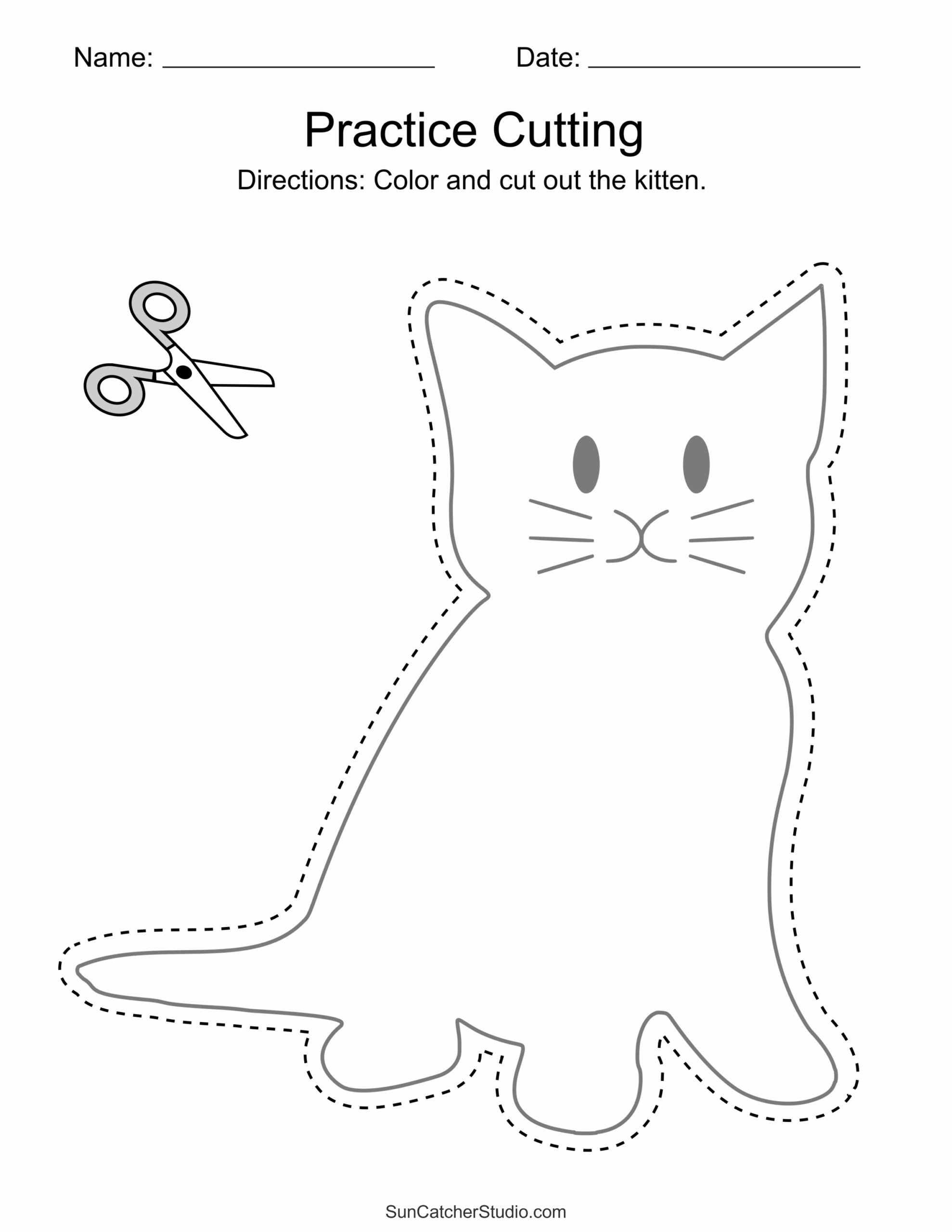
Engaging children in cutting out activities for kids not only enhances their fine motor skills but also fosters creativity and cognitive development. These activities are perfect for preschool and kindergarten learners, providing them with hands-on experiences that make learning fun. In this article, we will explore various cutting out activities that can be easily integrated into your educational routine, whether at home or in the classroom.
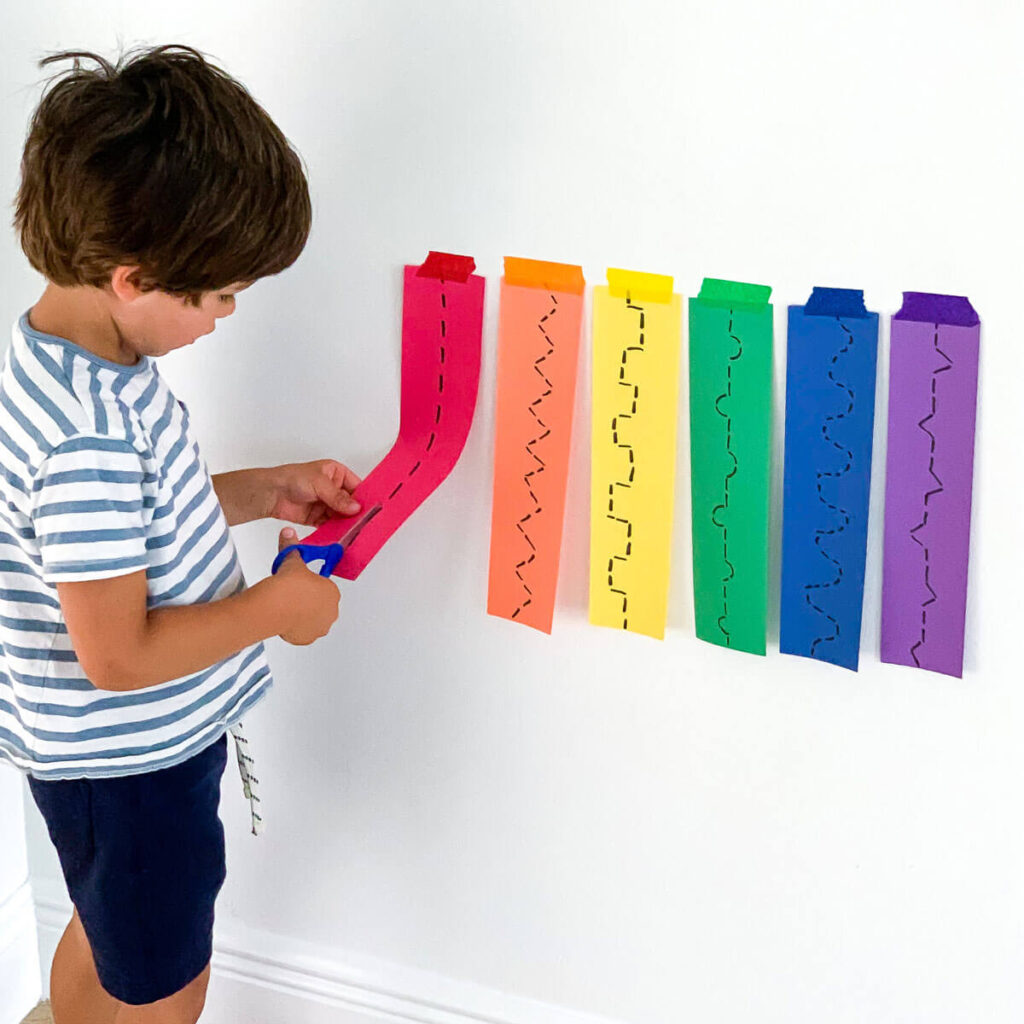
Cutting Out Activities For Kids
Benefits of Cutting Out Activities
Cutting out activities offer numerous benefits for young learners. They help improve fine motor skills, hand-eye coordination, and concentration. As children manipulate scissors and cut along lines, they develop essential skills that are foundational for writing and other tasks. Furthermore, these activities encourage creativity as children can create their own designs and projects.
Essential Tools for Cutting Activities
Before starting cutting out activities, ensure you have the right tools. Here’s a quick list of essentials:
- Child-safe scissors: Choose scissors designed for small hands to ensure safety.
- Washable glue sticks: Ideal for sticking cutouts together without mess.
- Colorful paper: Use various colors to make the activity visually appealing.
- Pre-cut templates: For younger children, consider using pre-cut shapes to simplify the task.
Creative Cutting Out Activities
Here are some engaging cutting out activities that can be easily implemented:
1. Seasonal Crafts
Create seasonal decorations by having children cut out shapes related to holidays or seasons. For example, during fall, they can cut out leaves in different colors and create a collage. This activity not only enhances cutting skills but also introduces them to seasonal changes.
2. Storybook Characters
Select characters from popular children’s books and provide templates for kids to cut out. After cutting, they can color and assemble their characters into a story scene. This activity combines literacy with hands-on learning.
3. Shape Sorting
Create a worksheet with various shapes for children to cut out and sort by type or color. This activity reinforces shape recognition while allowing them to practice their cutting skills.
Integrating Math with Cutting Activities
Cutting out activities can also be linked to math concepts. For instance, you can create a worksheet where children cut out different shapes and then count how many of each shape they have. This not only reinforces counting skills but also helps them understand basic geometry.
Differentiating Activities for Various Skill Levels
It’s important to tailor cutting activities to meet the varying skill levels of children:
- Beginners: Provide simple shapes with clear cutting lines and larger pieces of paper.
- Intermediate: Introduce more complex shapes and patterns that require precision.
- Advanced: Challenge older preschoolers or kindergarteners with intricate designs or multi-step projects that involve cutting and assembling.
Tips for Successful Cutting Out Activities
To ensure a smooth experience during cutting activities, consider the following tips:
- Supervision: Always supervise young children while using scissors to ensure safety.
- Preparation: Pre-cut difficult sections or provide templates for younger children to ease frustration.
- Cleansing the workspace: Keep the area tidy by organizing cut pieces in containers to avoid distractions.
The Role of Adult Guidance
An adult’s role is crucial in guiding children through cutting activities. Demonstrate how to hold scissors properly and how to cut along lines. Encourage them by praising their efforts and providing assistance when needed. This support not only builds confidence but also enhances their learning experience.
Printable Worksheets for Cutting Out Activities
If you’re looking for structured worksheets, consider exploring our collection of printable worksheets designed specifically for cutting out activities. These worksheets provide clear instructions and engaging visuals that make learning enjoyable while practicing essential skills.
Conclusion: Embrace Hands-On Learning
Cutting out activities are an excellent way to engage young learners in hands-on exploration while developing vital skills. By incorporating these fun projects into your teaching routine, you can foster creativity, enhance fine motor skills, and promote cognitive development in an enjoyable manner.
Discover additional cutting activities!
If you’re interested in further reading on early childhood education strategies, check out resources from reputable organizations such as the National Association for the Education of Young Children (NAEYC).
Download Cutting Out Activities For Kids
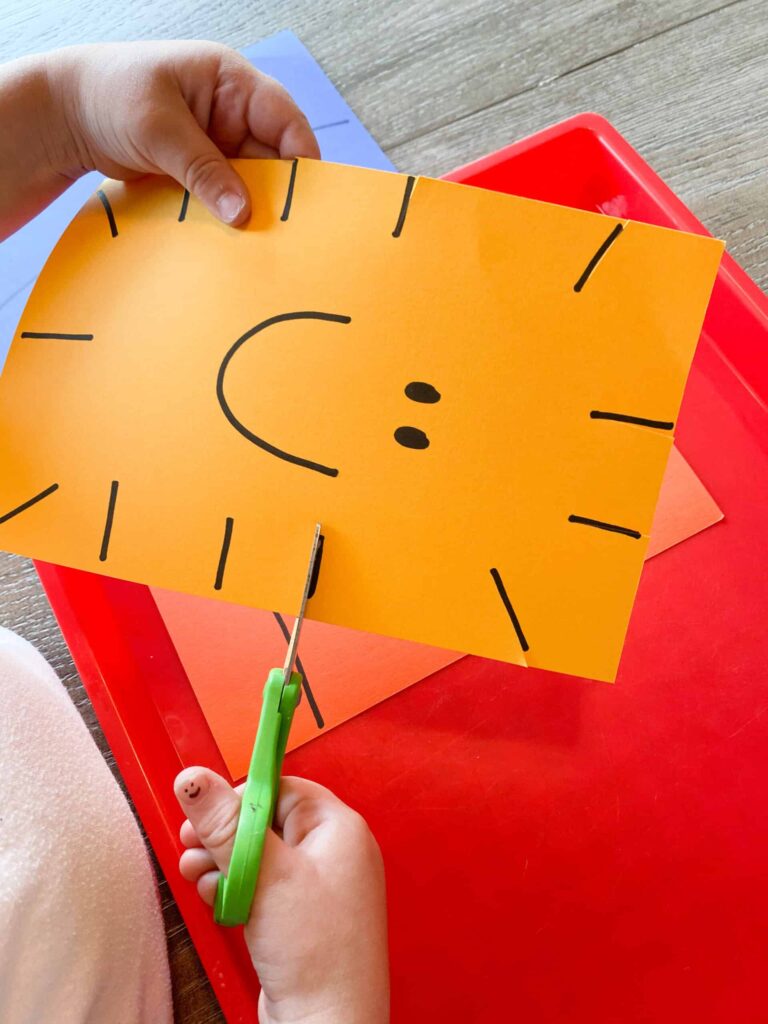
Simple Cutting Tray Preschool Scissor Skills Activity
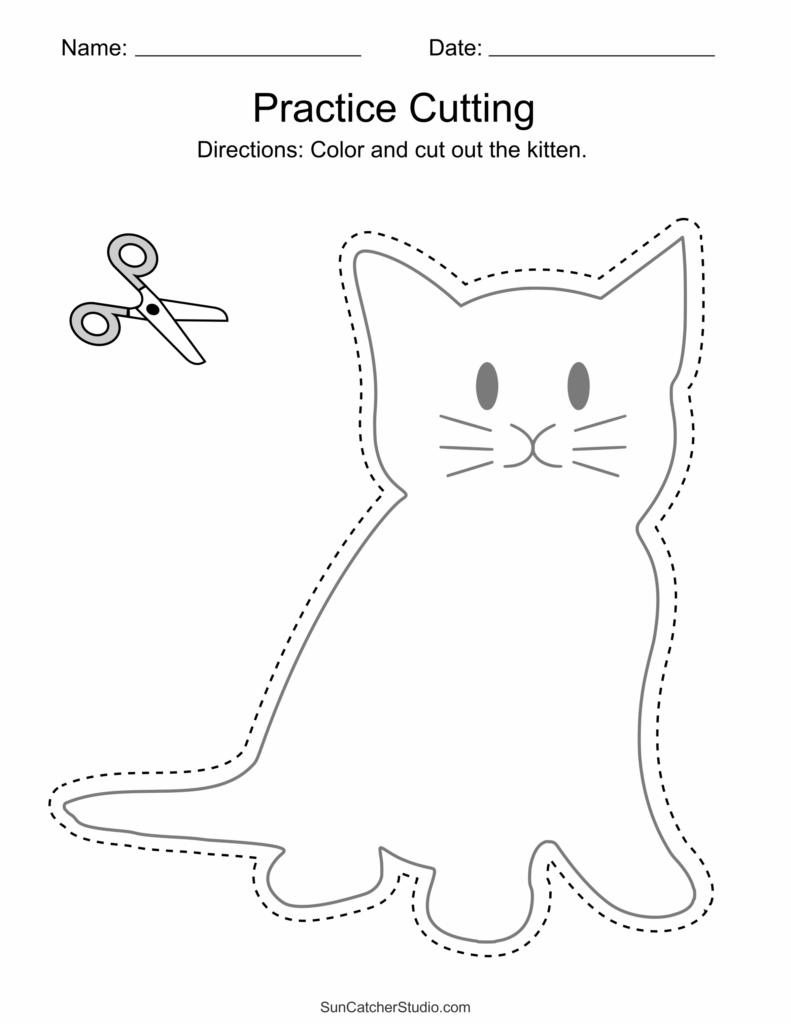
Cutting Worksheets