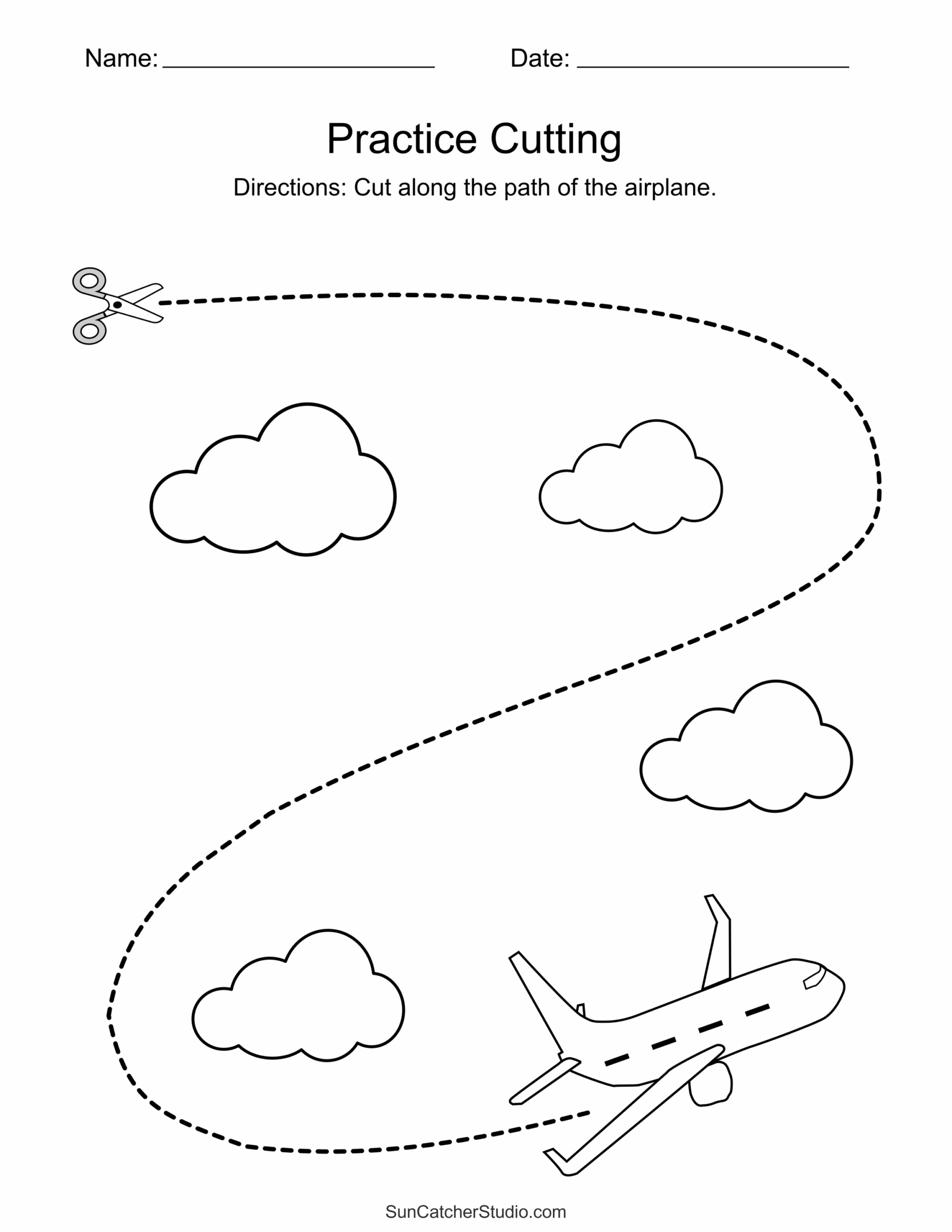
Engaging young children in hands-on learning activities is essential for their development. Cutting printouts for 3-year-olds not only enhances fine motor skills but also encourages creativity and cognitive growth. These activities can be both fun and educational, making them perfect for preschool and early childhood settings. In this article, we will explore various cutting printouts designed specifically for 3-year-olds, along with practical tips for parents and educators.
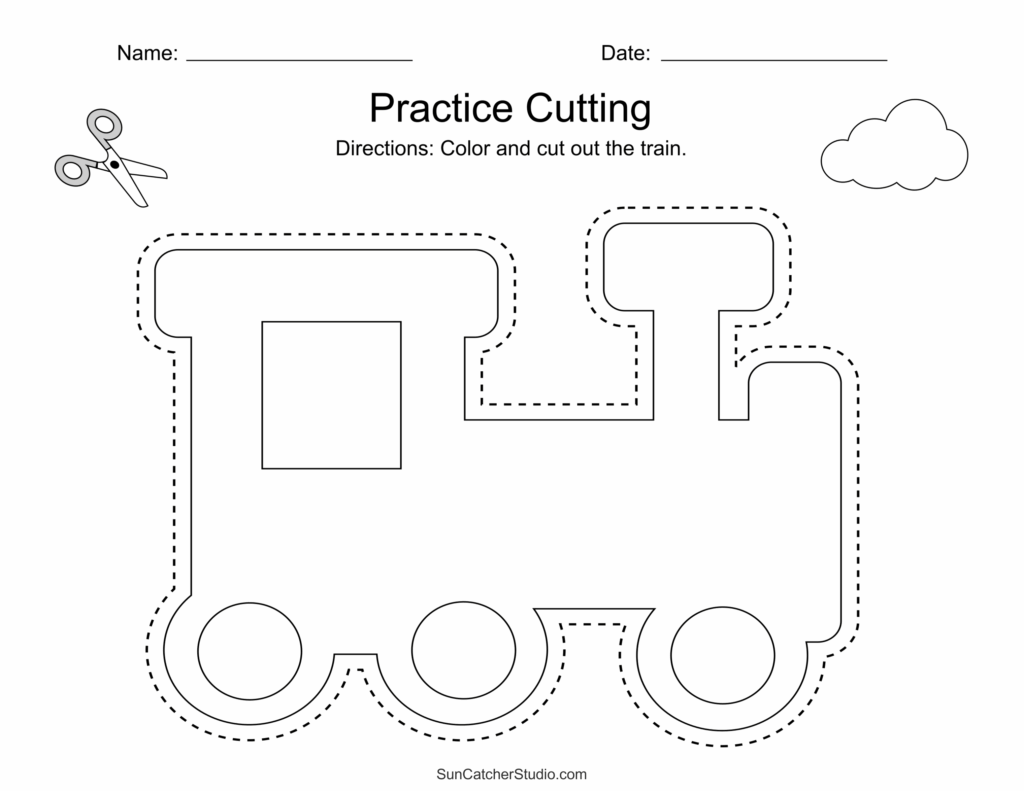
Cutting Printouts For 3 Year Olds
Benefits of Cutting Printouts for Young Learners
Cutting printouts provide numerous benefits for young children. Here are some key advantages:
- Fine Motor Skill Development: Using scissors helps strengthen hand muscles and improve coordination.
- Cognitive Skills: Following cutting lines enhances focus and attention to detail.
- Creativity: Children can create unique art projects by combining cutouts.
- Language Development: Discussing the shapes and colors of cutouts can expand vocabulary.
Choosing the Right Printouts
Selecting appropriate cutting printouts is crucial for maintaining engagement. Here are some tips:
- Age-Appropriate Designs: Look for simple shapes and images that are easy to cut.
- Clear Cutting Lines: Ensure that the lines are bold and easy to follow.
- Themed Printouts: Choose themes that interest your child, such as animals, vehicles, or seasonal motifs.
Practical Activities Using Cutting Printouts
Incorporating cutting printouts into activities can enhance learning experiences. Here are some engaging ideas:
1. Create a Collage
After cutting out various shapes, encourage children to glue them onto a larger piece of paper to create a collage. This activity promotes creativity and allows children to express themselves artistically.
2. Shape Sorting Game
Print out different shapes and have children cut them out. Then, provide containers labeled with shape names (e.g., circle, square). Children can sort their cutouts into the correct containers, reinforcing shape recognition.
3. Storytime Craft
Select a storybook and create related cutouts (characters, objects). After reading, children can use the cutouts to retell the story, enhancing comprehension and narrative skills.
Tips for Safe Scissor Use
Safety is paramount when introducing scissors to young children. Here are some guidelines:
- Child-Safe Scissors: Use scissors designed for small hands with rounded tips.
- Supervision: Always supervise children while they are using scissors.
- Pre-Cut Options: For younger or less confident cutters, consider pre-cutting complex shapes or providing simpler tasks.
Preparing Your Workspace
A well-organized workspace can enhance the cutting experience. Consider these preparation steps:
- Papers and Materials: Use US Letter-sized paper for printing. Choose between black-and-white or color prints based on your preference.
- Sufficient Space: Ensure there is enough room for cutting and gluing without distractions.
- Cleansing Supplies: Have washable glue sticks available for easy cleanup after crafting activities.
Differentiating Activities for Various Skill Levels
Recognizing that children develop at different rates is essential. Here are ways to differentiate activities based on skill level:
- Budding Cutters: Provide thicker lines and larger shapes for those just beginning to use scissors.
- Intermediate Cutters: Introduce more intricate designs with thinner lines as confidence grows.
- Cognitive Challenges: Incorporate matching games where children match cutouts with corresponding images or words.
The Role of Parents and Educators
The involvement of parents and educators is vital in guiding children through cutting activities. Here’s how they can help:
- Demos: Show children how to hold scissors properly and demonstrate cutting techniques.
- Praise Efforts: Encourage children by praising their efforts regardless of the outcome to build confidence.
- Create a Routine: Incorporate cutting activities into daily routines to make them a regular part of learning.
The Importance of Hands-On Learning
Hands-on learning experiences like cutting printouts foster engagement and retention in young learners. By actively participating in their education, children develop a love for learning that lasts a lifetime. Encourage exploration through various activities that incorporate cutting skills into everyday play.
If you’re looking for more resources on early childhood education, consider visiting the National Association for the Education of Young Children (NAEYC), which offers valuable insights into effective teaching strategies for young learners.
Cultivating fine motor skills through cutting printouts not only prepares children for future academic success but also provides them with enjoyable experiences that promote creativity and self-expression. Start incorporating these fun activities today!
If you want more engaging worksheets tailored for preschoolers, check out our collection at CutPasteWorksheets.net.
Download Cutting Printouts For 3 Year Olds
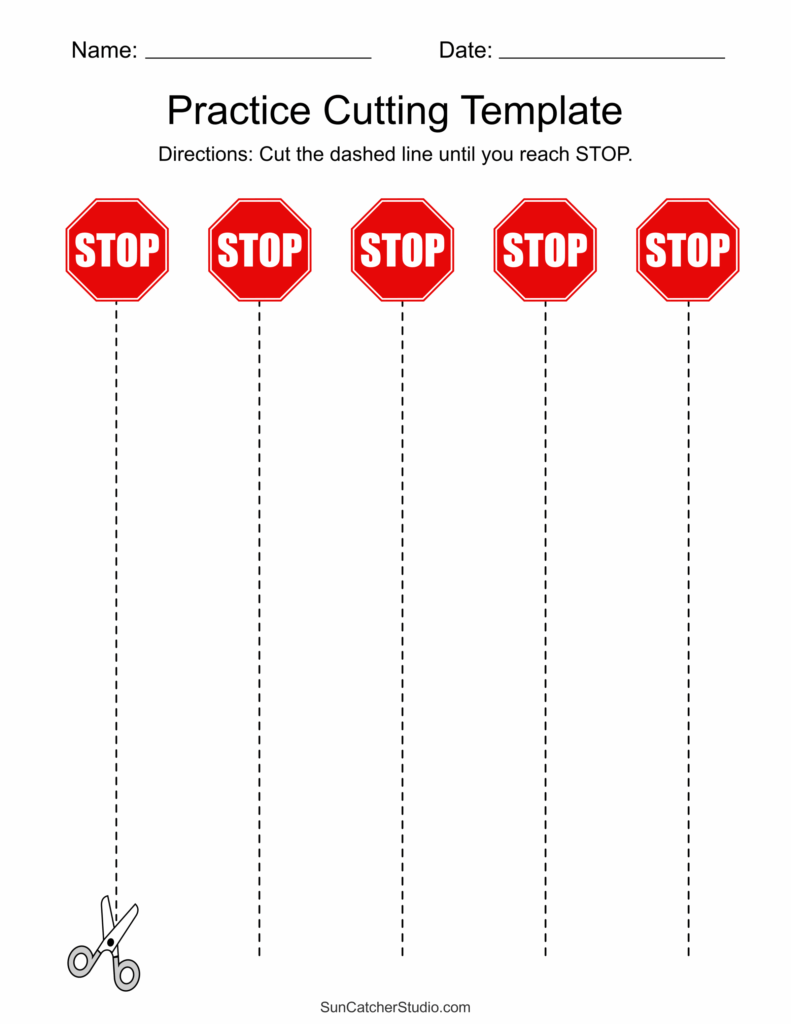
Cutting Worksheets
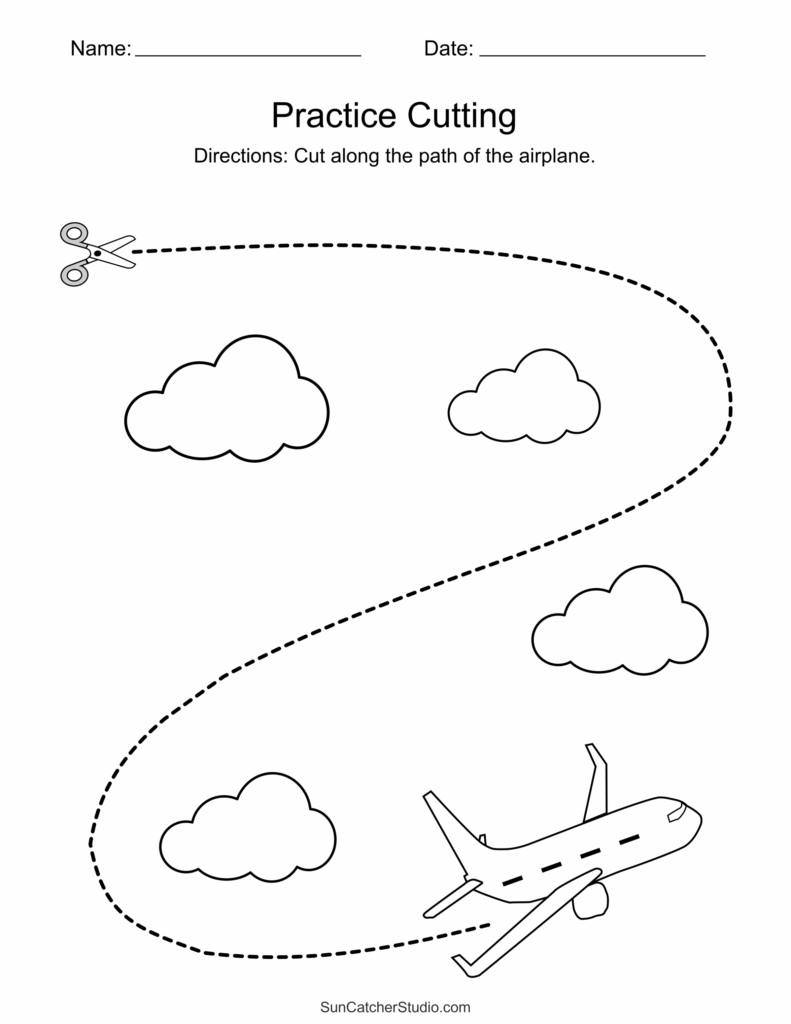
Cutting Worksheets