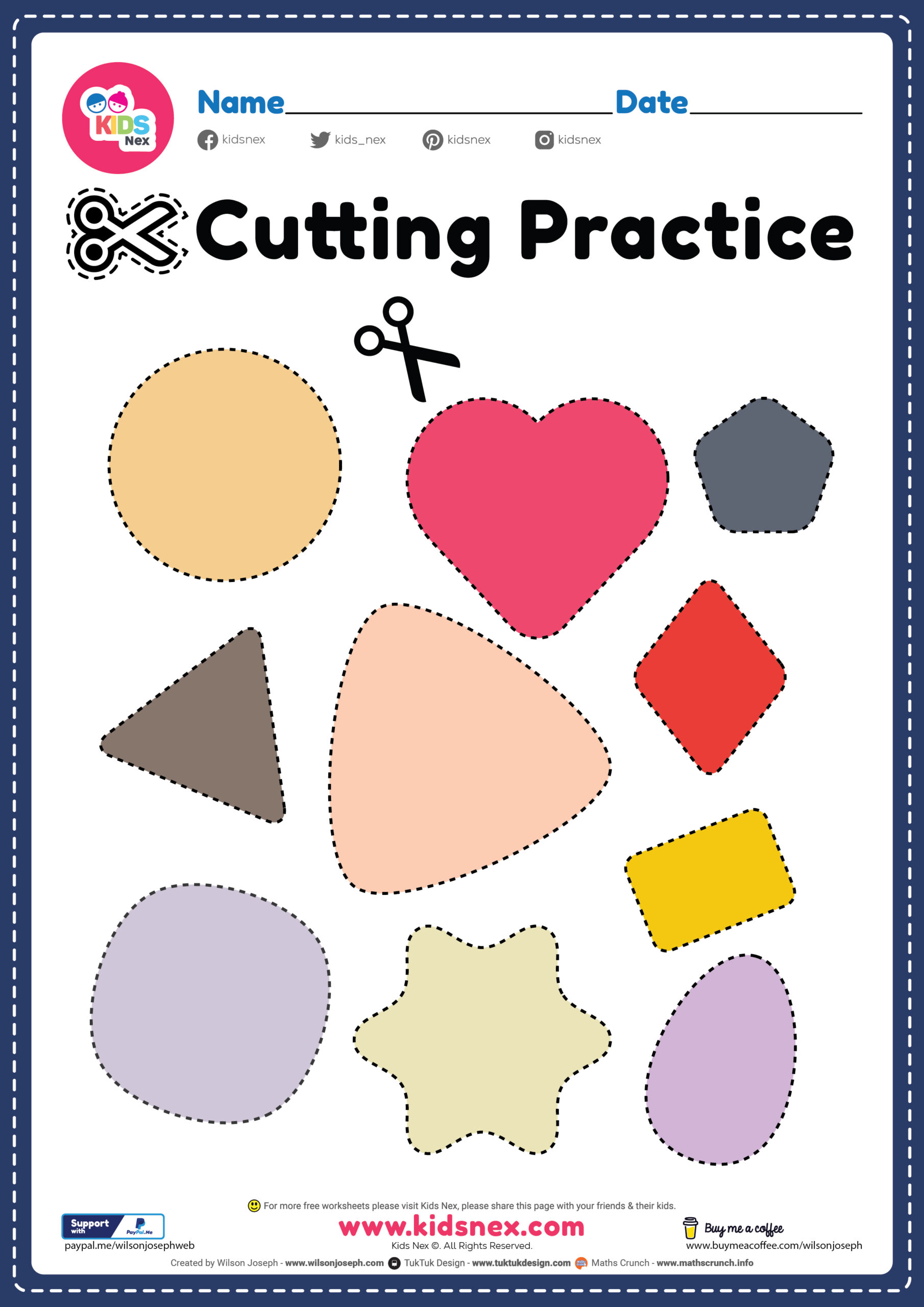
Cutting shapes for kids is an engaging way to enhance fine motor skills while introducing essential concepts in geometry and creativity. By incorporating cutting and pasting activities into early childhood education, children can develop hand-eye coordination, improve focus, and learn about different shapes in a fun, hands-on manner. This article explores various activities and worksheets designed to make cutting shapes an enjoyable learning experience for preschool and kindergarten learners.
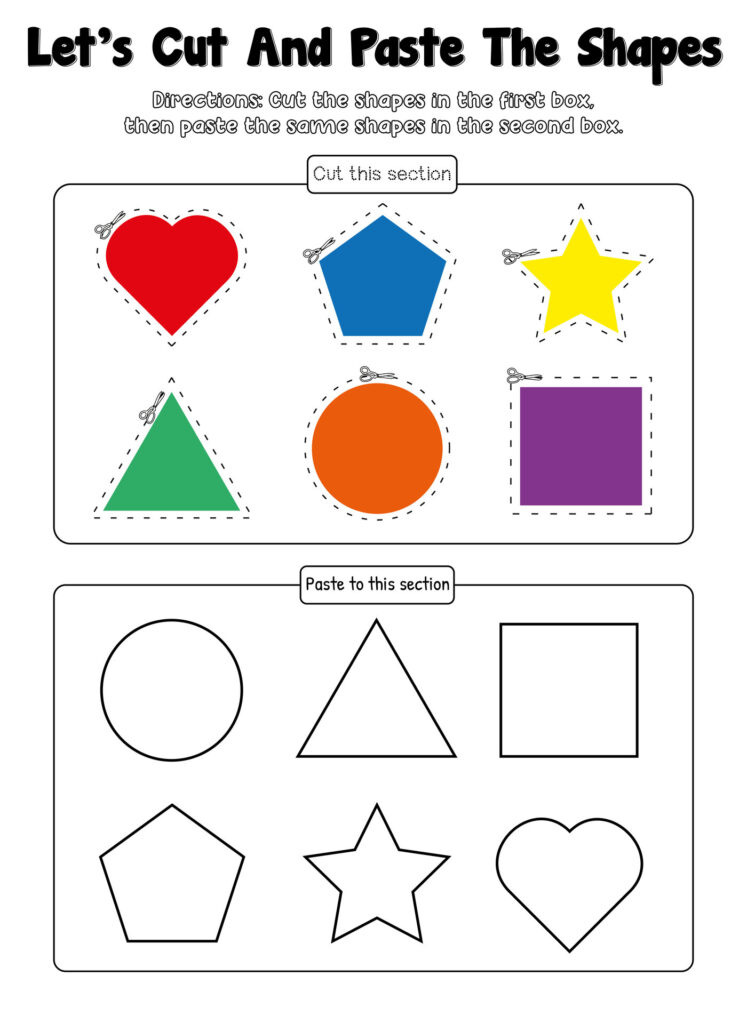
Cutting Shapes For Kids
Benefits of Cutting Shapes for Kids
Engaging in cutting shapes offers numerous developmental benefits for young children. Here are some key advantages:
- Fine Motor Skill Development: Using scissors helps strengthen hand muscles and improve dexterity.
- Cognitive Skills: Identifying and sorting shapes enhances critical thinking and problem-solving abilities.
- Creativity: Children can create unique art projects by combining different shapes.
- Focus and Concentration: Cutting requires attention to detail, helping children improve their focus.
Essential Tools for Cutting Activities
Before starting cutting activities, ensure you have the right tools. Here’s a list of essential items:
- Child-Safe Scissors: Choose scissors designed for small hands to ensure safety.
- Washable Glue Sticks: Ideal for sticking cut-out shapes onto paper without mess.
- Printable Worksheets: Use worksheets with clear cutting lines to guide children.
- Colorful Paper: Bright colors can make the activity more engaging.
Printable Worksheets for Cutting Shapes
Printable worksheets are a fantastic way to structure cutting activities. Here are some examples of worksheets that can be used:
- Shape Recognition Worksheets: These worksheets feature various shapes that children can cut out and identify.
- Shape Sorting Activities: Kids can cut out different shapes and sort them into categories based on size or color.
- Create Your Own Shape Art: Provide outlines of shapes that children can cut out and then use to create their own artwork.
Hands-On Activities to Enhance Learning
Incorporating hands-on activities alongside cutting worksheets can deepen understanding. Here are some engaging ideas:
Shape Collage
Create a shape collage by having children cut out various shapes from colored paper. They can then glue these shapes onto a larger piece of paper to form a picture or pattern. This activity encourages creativity while reinforcing shape recognition.
Shape Scavenger Hunt
A shape scavenger hunt can be an exciting way to explore the environment. Ask children to find objects around the classroom or home that match specific shapes. After identifying the objects, they can draw or cut out pictures of them to create a scrapbook page.
Matching Games
Create matching games using cut-out shapes. Children can match the shape with its name or find pairs of identical shapes. This reinforces memory skills while making learning interactive.
Differentiated Learning Approaches
Recognizing that children develop at different rates is crucial in early education. Here are some differentiated approaches to cutting activities:
Easier Tasks for Younger Learners
Younger children may benefit from simpler tasks, such as cutting straight lines or basic shapes like circles and squares. Providing pre-cut pieces for them to glue onto a background can also help build confidence.
Advanced Tasks for Older Learners
For older preschoolers or kindergarteners, introduce more complex shapes like stars or triangles. Encourage them to create patterns with their cut-outs or even combine multiple shapes into one project.
Safety Tips for Cutting Activities
Safety is paramount when engaging in cutting activities with young children. Here are some important tips:
- Supervision: Always supervise children while they use scissors.
- Pre-Cutting Options: Consider pre-cutting more complex shapes for younger learners.
- Sit at a Safe Distance: Ensure that children sit at a table where they have enough space to work safely.
The Role of Parents and Educators
The involvement of parents and educators is vital in facilitating cutting shape activities. Here are ways they can support learning:
Create a Learning Environment
A designated area with all necessary materials encourages children to engage in cutting activities independently. Having a variety of papers, scissors, and glue readily available fosters creativity.
Encourage Exploration
Praise children’s efforts during cutting activities, regardless of the outcome. Encouragement boosts confidence and motivates them to explore further.
Conclusion: Embracing Cutting Shapes as a Learning Tool
Cutting shapes for kids is more than just an arts-and-crafts activity; it is an essential part of early childhood education that promotes fine motor skills, cognitive development, and creativity. By integrating printable worksheets and hands-on activities into learning experiences, educators and parents can create engaging environments that foster exploration and growth. For more resources on early childhood education, visit CutPasteWorksheets.net.
If you’re looking for additional resources on preschool education, check out our collection of preschool worksheets.
This article provides practical insights into how cutting shapes can be effectively utilized in educational settings, ensuring that learning remains fun and interactive for young learners.
Download Cutting Shapes For Kids
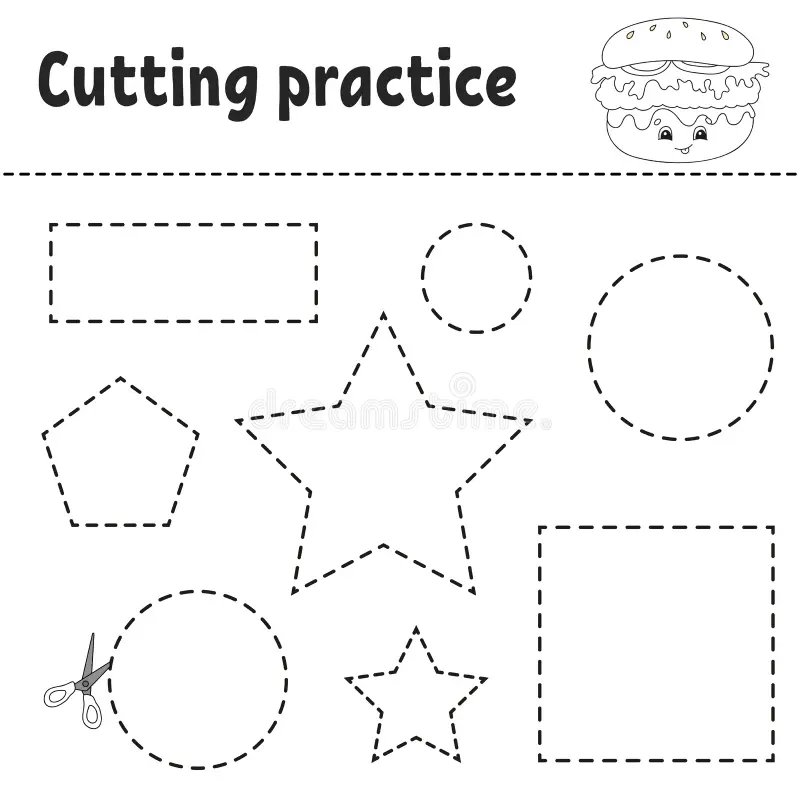
Cutting Activity Kids
Basic Shapes For Kids Free Printable Pdf