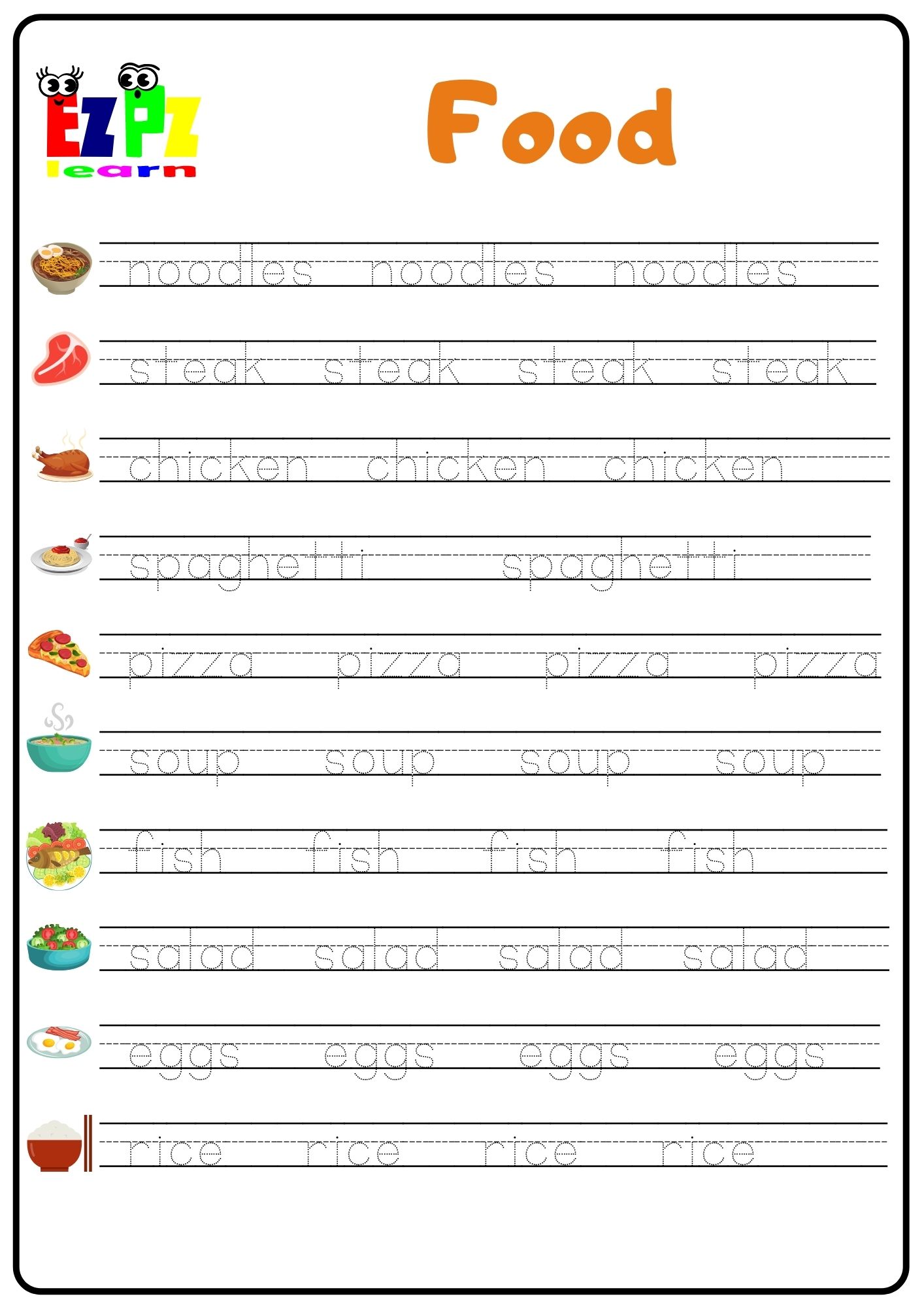
Engaging young learners in early literacy is crucial for their development. One effective tool for this is ESL tracing worksheets for kids, which help children practice their writing skills while enhancing their fine motor abilities. These worksheets are designed to make learning fun and interactive, allowing preschool and kindergarten students to trace letters, words, and shapes. In this article, we will explore the benefits of tracing worksheets, provide practical activities, and discuss how to incorporate them into your teaching strategies.
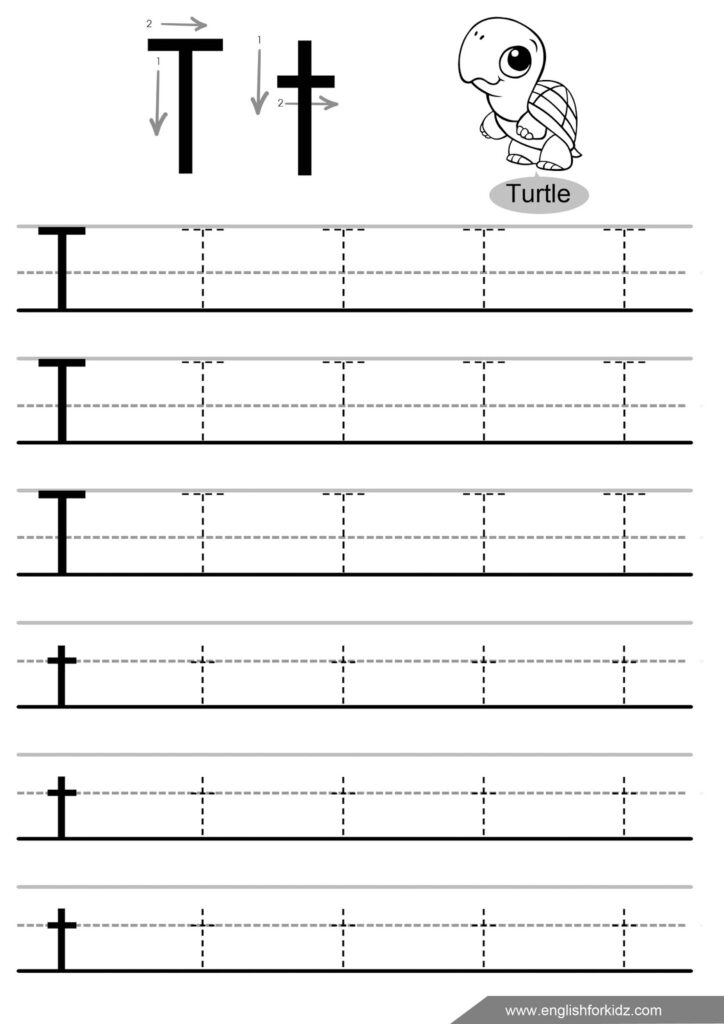
Esl Tracing Worksheets For Kids
Benefits of ESL Tracing Worksheets
Tracing worksheets offer numerous advantages for young learners. They not only support letter recognition but also improve fine motor skills essential for writing. By engaging in tracing activities, children develop hand-eye coordination and muscle memory, which are vital for their writing journey.
- Letter Recognition: Tracing helps children familiarize themselves with the shapes and sounds of letters.
- Fine Motor Skills: The act of tracing strengthens the small muscles in the hands and fingers.
- Confidence Building: Completing tracing tasks can boost a child’s confidence in their writing abilities.
How to Use ESL Tracing Worksheets
Incorporating ESL tracing worksheets into your curriculum can be straightforward. Here are some practical steps to effectively use these resources:
- Select Appropriate Worksheets: Choose worksheets that match the child’s skill level. Beginners may benefit from larger letters or simple shapes.
- Create a Routine: Integrate tracing activities into daily lessons to establish consistency.
- Provide Guidance: Offer support as children trace, ensuring they understand proper letter formation.
Hands-On Activities with Tracing Worksheets
To enhance the learning experience, consider pairing tracing worksheets with hands-on activities. Here are some engaging ideas:
- Cut and Paste Activities: After tracing letters, have children cut out pictures that start with those letters and paste them onto a collage.
- Sand or Salt Tracing: Pour sand or salt onto a tray and let children trace letters using their fingers for a tactile experience.
- Playdough Letters: Encourage kids to form letters using playdough after they have traced them on paper.
Differentiating Instruction with Tracing Worksheets
Every child learns at their own pace. Differentiating instruction ensures that all students benefit from tracing activities. Here are some strategies:
- Varied Difficulty Levels: Provide worksheets with different levels of complexity based on each child’s ability.
- Group Work: Pair stronger students with those who may need extra help, fostering peer learning.
- Visual Aids: Use visual aids like letter charts to support children as they trace.
Incorporating ESL Tracing Worksheets at Home
Parents can also utilize ESL tracing worksheets at home to reinforce skills learned in school. Here are some tips for effective home learning:
- Create a Learning Space: Designate a quiet area with all necessary materials such as crayons, scissors, and glue.
- Simplify Instructions: Provide clear, simple instructions for parents to follow along with their children.
- Encourage Exploration: Allow children to explore different ways of tracing, such as using different colors or materials.
The Role of Fine Motor Skills in Tracing
The development of fine motor skills is crucial for young learners as they prepare for writing tasks. Tracing worksheets specifically target these skills by requiring precise hand movements. Activities that involve cutting out shapes or letters further enhance dexterity and control. Encourage children to practice regularly to build strength and coordination in their hands.
Printable Resources for ESL Tracing Worksheets
You can find a variety of printable ESL tracing worksheets tailored for different age groups on our website. These resources are designed to be user-friendly and engaging, making it easy for educators and parents alike to support children’s learning journeys. For more resources on early literacy activities, visit our Early Literacy section.
The use of ESL tracing worksheets is an effective way to foster early literacy skills in young learners. By incorporating these worksheets into both classroom settings and home environments, you can create a rich learning experience that promotes writing readiness while developing essential fine motor skills. Explore our collection today and watch your child’s confidence grow as they master the art of writing!
Download Esl Tracing Worksheets For Kids
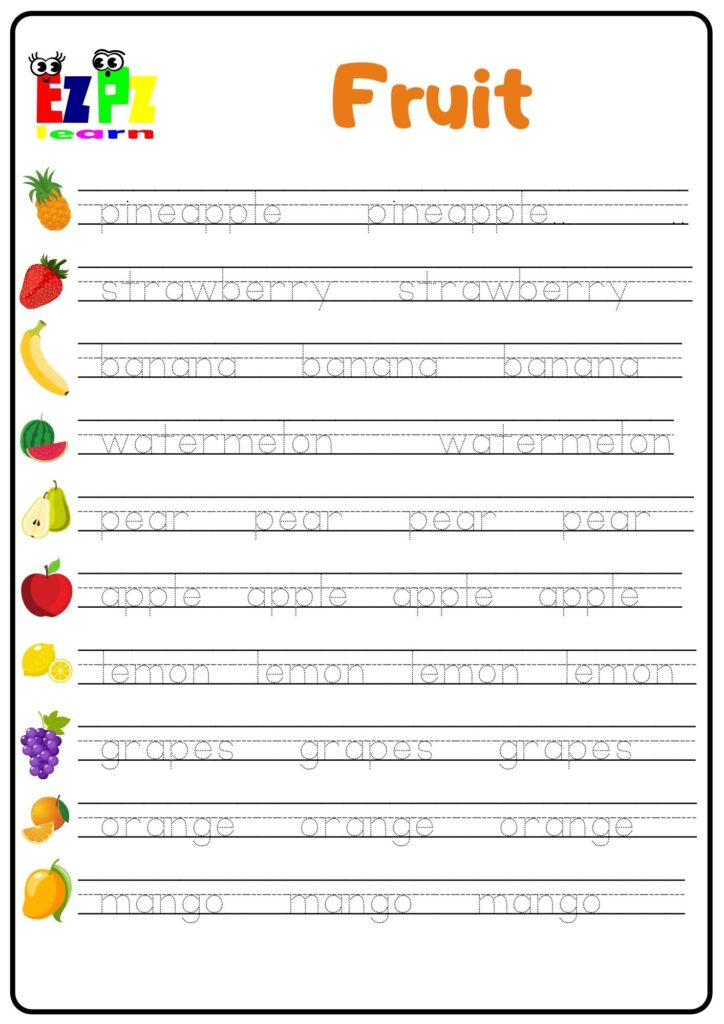
Fruit Word Tracing Worksheet
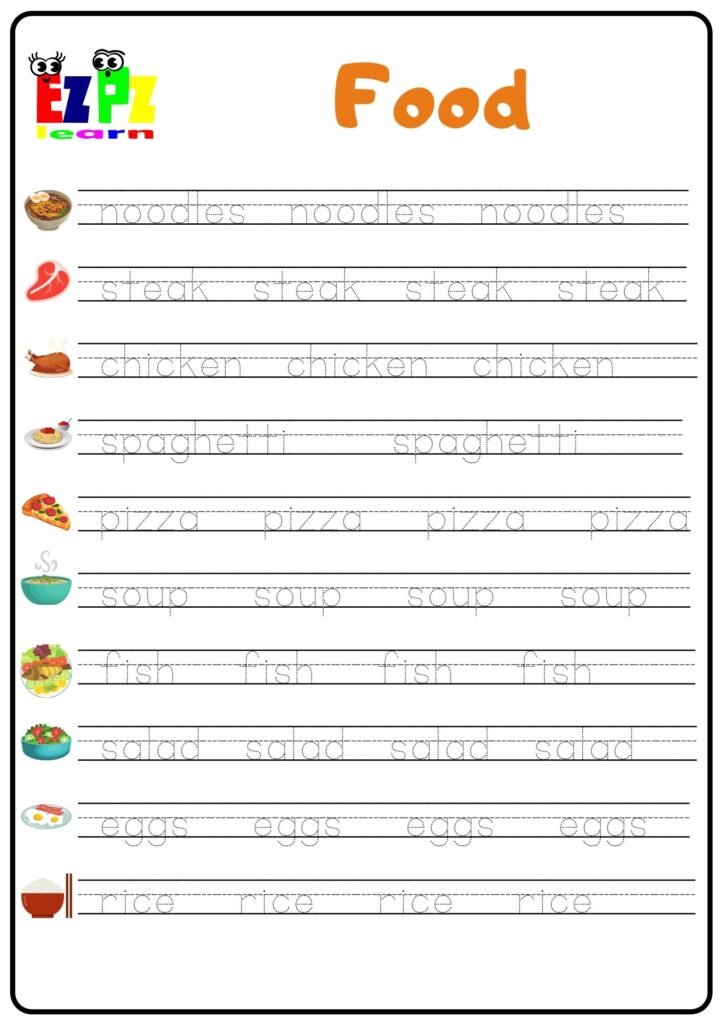
Food Word Tracing Worksheet