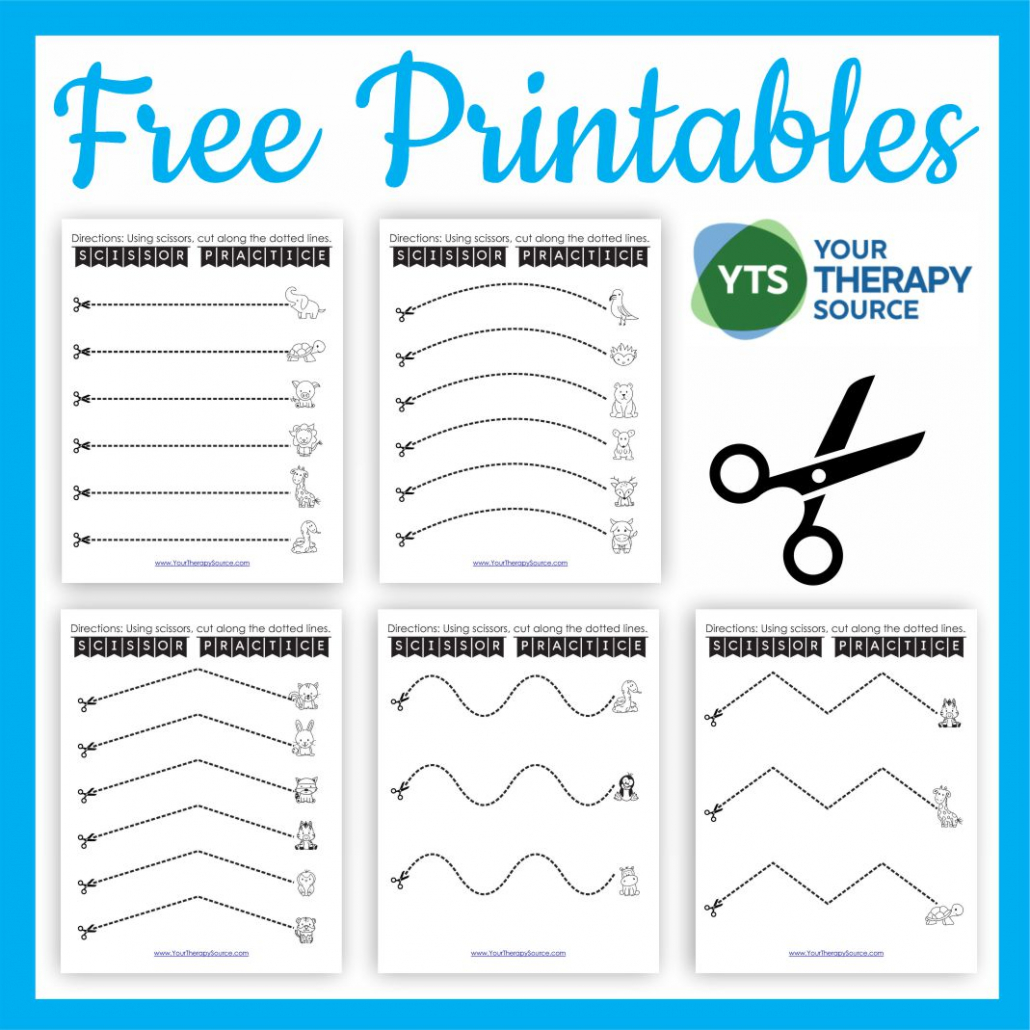
Engaging children in hands-on learning is essential for their development, especially when it comes to fine motor skills. Free cutting activities for kids provide an excellent opportunity for preschool and kindergarten learners to practice scissor skills while having fun. These activities not only enhance dexterity but also encourage creativity and focus. In this article, we will explore various free cutting activities that can be easily implemented at home or in the classroom, ensuring a delightful learning experience for young children.
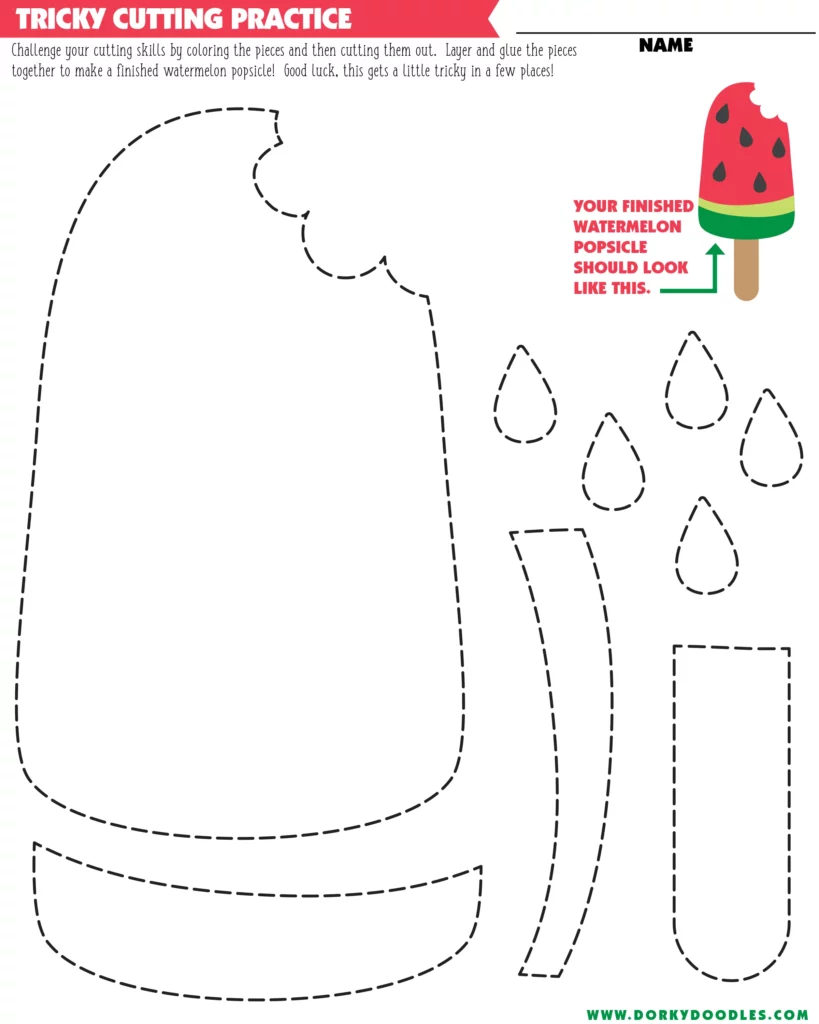
Free Cutting Activities For Kids
Why Cutting Activities Matter
Cutting activities are crucial for developing fine motor skills in young children. As they manipulate scissors, they strengthen hand muscles and improve hand-eye coordination. These skills are foundational for later tasks such as writing and drawing. Additionally, cutting activities can enhance cognitive skills through sorting, matching, and following directions.
Fun Free Cutting Activities for Kids
Here are some engaging cutting activities that can be easily prepared and enjoyed by children:
1. Paper Chains
Creating paper chains is a simple yet effective cutting activity. Provide children with colorful paper strips and ask them to cut the strips into smaller pieces. Once they have their pieces, guide them to link the cut pieces together to form a chain. This activity not only practices cutting but also introduces concepts of counting and patterning.
2. Nature Collage
Encourage children to explore nature by collecting leaves, flowers, and other natural items. Once they have gathered their materials, provide them with scissors to cut shapes from colored paper or cardstock. They can then glue their cutouts onto a larger sheet of paper along with their natural items to create a beautiful collage. This activity fosters creativity while practicing cutting skills.
3. Shape Cutting Practice
Prepare worksheets with various shapes outlined on them—circles, squares, triangles, etc. Children can practice cutting along the lines of these shapes. To make it more engaging, you can turn this into a game by asking them to identify each shape before cutting. This reinforces shape recognition while enhancing their cutting abilities.
Printable Worksheets for Cutting Activities
Printable worksheets are a fantastic resource for structured cutting practice. You can create worksheets that include:
- Tracing Shapes: Children trace shapes before cutting them out.
- Cutting Lines: Simple straight and curved lines for beginners.
- Themed Cutouts: Seasonal or holiday-themed images that children can cut out and decorate.
These worksheets can be printed on standard US Letter paper in black-and-white or color, depending on your preference.
Tips for Successful Cutting Activities
To ensure a safe and enjoyable experience during cutting activities, consider the following tips:
- Use Child-Safe Scissors: Ensure that the scissors are appropriate for young children to prevent accidents.
- Provide Supervision: Always supervise children while they are using scissors to ensure safety.
- Precut Complex Shapes: For younger children or those who struggle with cutting, consider precutting complex shapes to simplify the task.
- Create a Clean Workspace: Set up a designated area with all necessary materials organized to minimize distractions.
Cognitive Development Through Cutting Activities
Cutting activities also promote cognitive development as children learn to follow instructions and develop problem-solving skills. For instance, when creating a collage, they must decide where to place each piece and how to arrange their work aesthetically. This encourages critical thinking and planning.
Sorting and Matching Games
You can incorporate sorting and matching into cutting activities by providing various colored papers or images that need to be cut out and sorted into groups based on color or shape. This not only enhances their cutting skills but also reinforces categorization concepts.
Incorporating Cutting Activities into Daily Learning
Integrating cutting activities into daily routines can make learning seamless and enjoyable. Here are some ideas:
- Themed Days: Designate specific days for themed cutting activities related to holidays or seasons.
- Storytime Integration: After reading a story, have children cut out characters or objects from the book to create their own storyboards.
- Craft Projects: Use cutting as part of larger craft projects where children create items like greeting cards or decorations.
The Importance of Practice
The more opportunities children have to practice their cutting skills, the more proficient they will become. Regularly incorporating free cutting activities into playtime will help build confidence in their abilities while making learning enjoyable.
If you’re looking for more resources on early childhood education activities, check out our collection of printable worksheets. These resources provide additional hands-on learning experiences that complement free cutting activities perfectly.
Cutting activities are not just about developing fine motor skills; they also foster creativity, cognitive development, and problem-solving abilities in young learners. By providing engaging materials and structured guidance, you can create an enriching environment that promotes growth through play.
For further reading on child development strategies, visit NAEYC’s resources on child development. These insights will help you understand how best to support your child’s learning journey through fun and interactive methods.
Download Free Cutting Activities For Kids
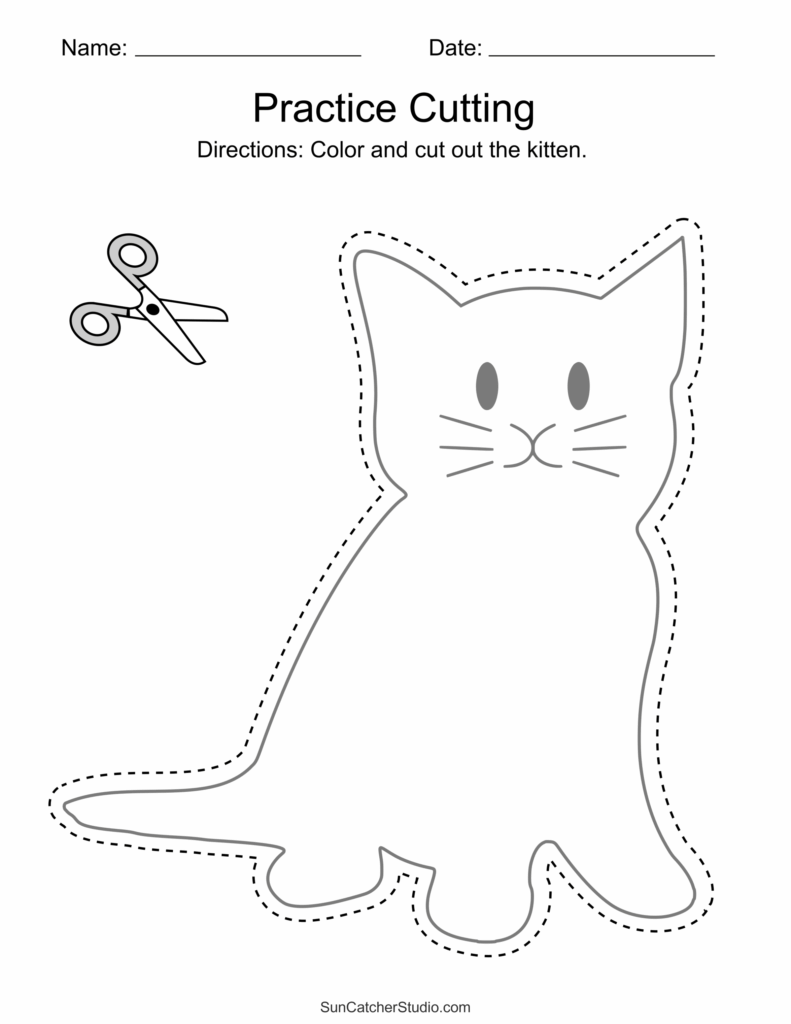
Cutting Worksheets
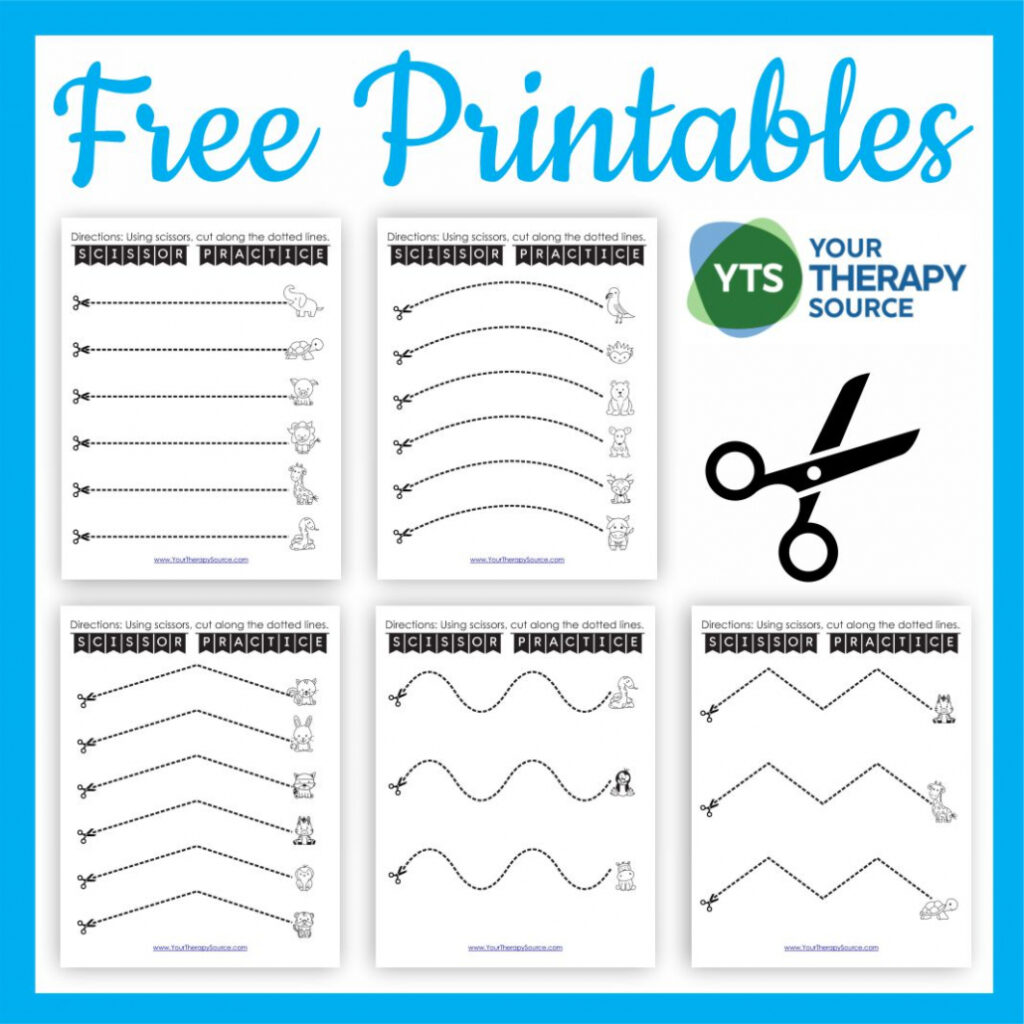
Free Cutting Worksheets For Fine Motor Skills 2