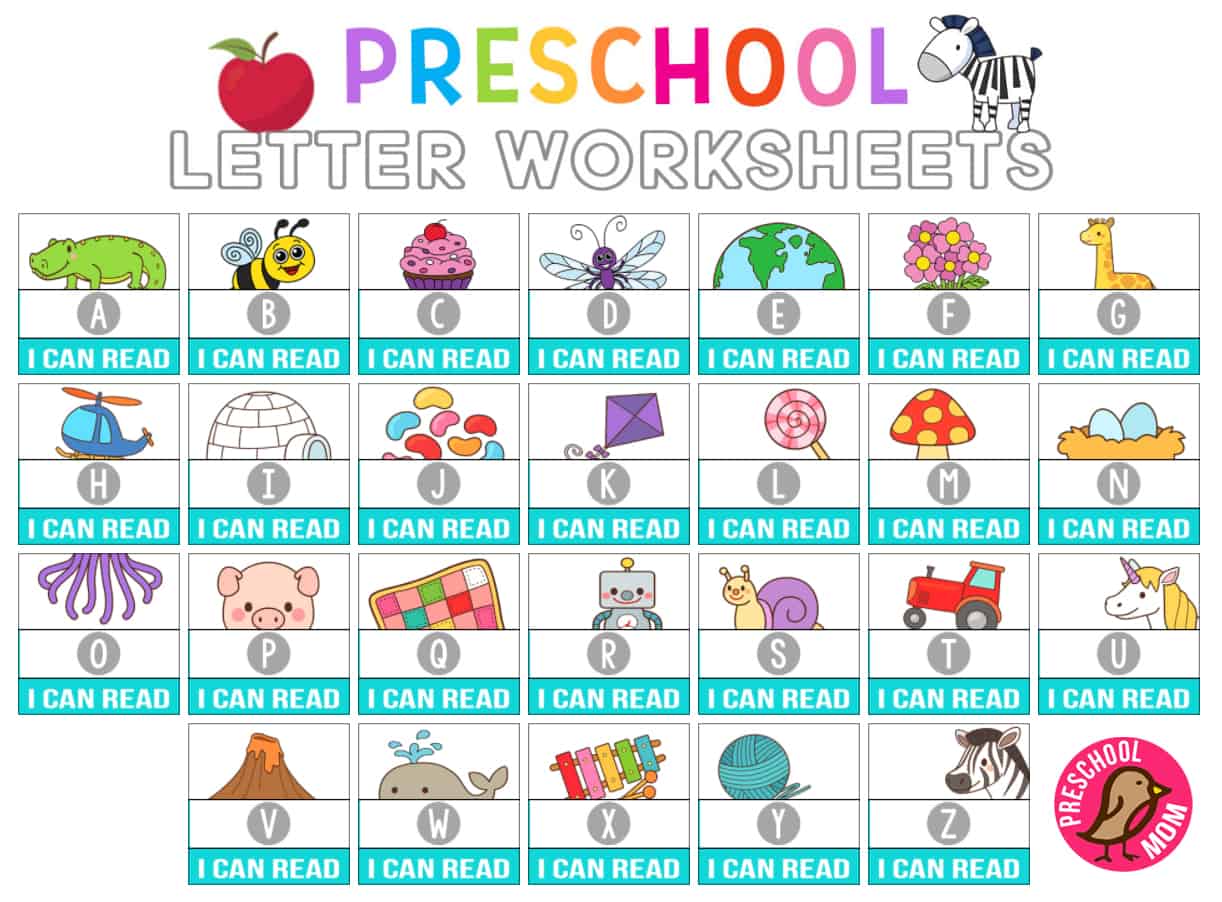
Engaging preschoolers in early literacy can be both fun and educational with letter printables. These resources not only help children recognize letters but also enhance their fine motor skills through cut and paste activities. By incorporating letter printables into your teaching strategy, you can create a dynamic learning environment that fosters creativity and cognitive development. This article explores various types of letter printables for preschool, their educational benefits, and practical applications in both classroom and home settings.
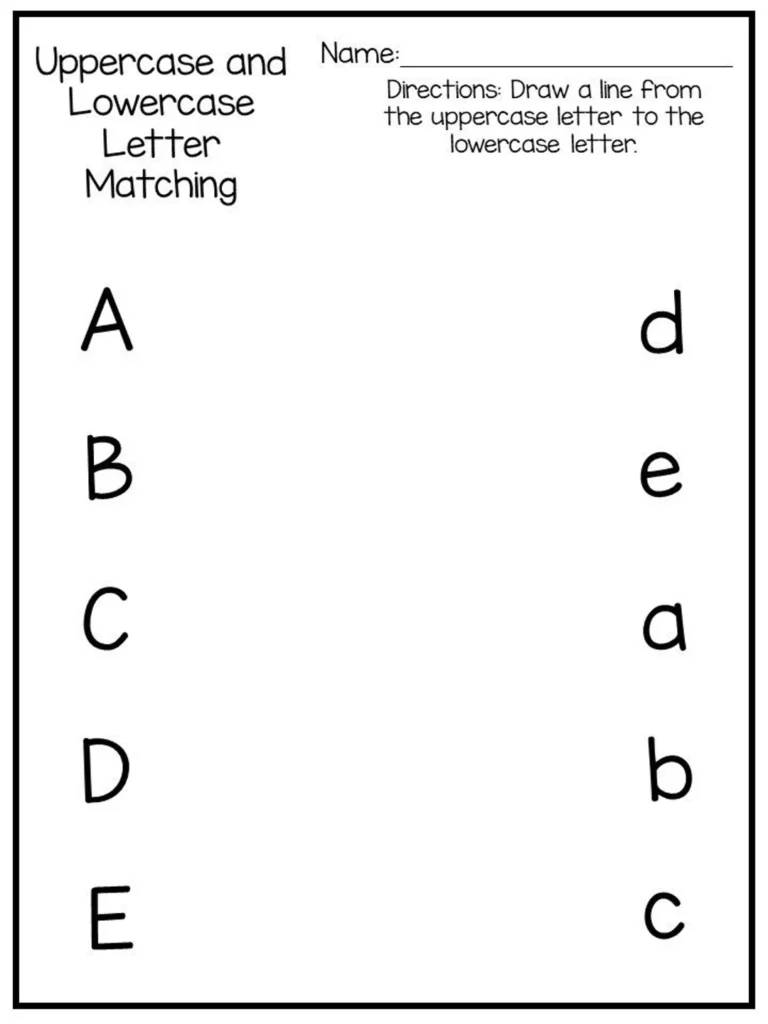
Letter Printables For Preschool
Understanding Letter Printables for Preschool
Letter printables are worksheets designed to help young learners practice letter recognition, writing, and phonetic sounds. These resources often include activities such as tracing letters, matching uppercase and lowercase letters, and engaging in cut and paste tasks. The hands-on nature of these worksheets makes them ideal for preschoolers who thrive on interactive learning experiences.
Benefits of Using Letter Printables
- Enhances Letter Recognition: Regular exposure to letter printables helps children identify letters more easily.
- Improves Fine Motor Skills: Activities involving cutting and pasting strengthen hand-eye coordination.
- Encourages Creativity: Children can personalize their worksheets with colors and designs.
- Supports Phonemic Awareness: Associating letters with sounds aids in early reading skills.
Types of Letter Printables
1. Tracing Worksheets
Tracing worksheets allow children to practice writing letters by following dotted lines. These worksheets can be printed in both uppercase and lowercase formats. To make tracing more engaging, consider using colorful designs or themes that interest your child, such as animals or seasonal motifs.
2. Cut and Paste Activities
Cut and paste activities involve children cutting out letters or pictures that correspond to specific letters. For example, a worksheet might feature the letter “A” alongside images of an apple and an alligator. This activity not only reinforces letter recognition but also develops fine motor skills as children practice using scissors safely.
3. Matching Games
Matching games can be created using printable cards featuring uppercase and lowercase letters. Children can work individually or in pairs to match the corresponding letters. This interactive approach promotes social skills while reinforcing letter recognition.
4. Alphabet Crafts
Incorporating crafts into letter learning can make the experience more enjoyable. For instance, children can create an “A is for Apple” craft by cutting out an apple shape and gluing it next to a large letter “A.” This hands-on activity combines creativity with literacy skills.
Practical Applications at Home and in the Classroom
Letter printables can be easily integrated into daily routines at home or in the classroom. Here are some practical applications:
- Daily Letter Practice: Set aside time each day for children to complete a letter printable as part of their morning routine.
- Themed Learning Weeks: Focus on a specific letter each week, incorporating related activities such as reading books that emphasize that letter.
- Group Activities: Use printables for group projects where children can collaborate on creating a large alphabet poster.
Tips for Effective Use of Letter Printables
To maximize the benefits of letter printables, consider the following tips:
- Select Age-Appropriate Worksheets: Ensure that the difficulty level matches your child’s developmental stage.
- Create a Learning Space: Designate a clutter-free area with all necessary supplies like scissors, glue sticks, and crayons.
- Provide Guidance: Offer assistance when needed, especially during cutting tasks to ensure safety.
- Encourage Exploration: Allow children to express themselves creatively while completing their worksheets.
Printing Tips for Letter Printables
When preparing letter printables for use, keep these printing tips in mind:
- Paper Quality: Use sturdy paper to withstand cutting and pasting activities.
- Cuts Lines: Ensure clear cutting lines are visible for easy guidance when cutting out pieces.
- Color vs. Black-and-White: Consider printing in color for more engaging visuals or black-and-white for cost-effective options that children can color themselves.
Conclusion: Making Learning Fun with Letter Printables
The use of letter printables for preschoolers is an effective way to foster early literacy skills while making learning enjoyable. By incorporating various activities such as tracing, cut and paste tasks, and matching games, educators and parents can create a rich learning environment that supports children’s development. Explore our collection of printable worksheets at CutPasteWorksheets.net, where you will find a variety of resources tailored to enhance your child’s learning experience.
If you’re looking for additional resources on early literacy practices, consider visiting reputable organizations like the National Association for the Education of Young Children (NAEYC), which offers valuable insights into effective teaching strategies for young learners.
Download Letter Printables For Preschool
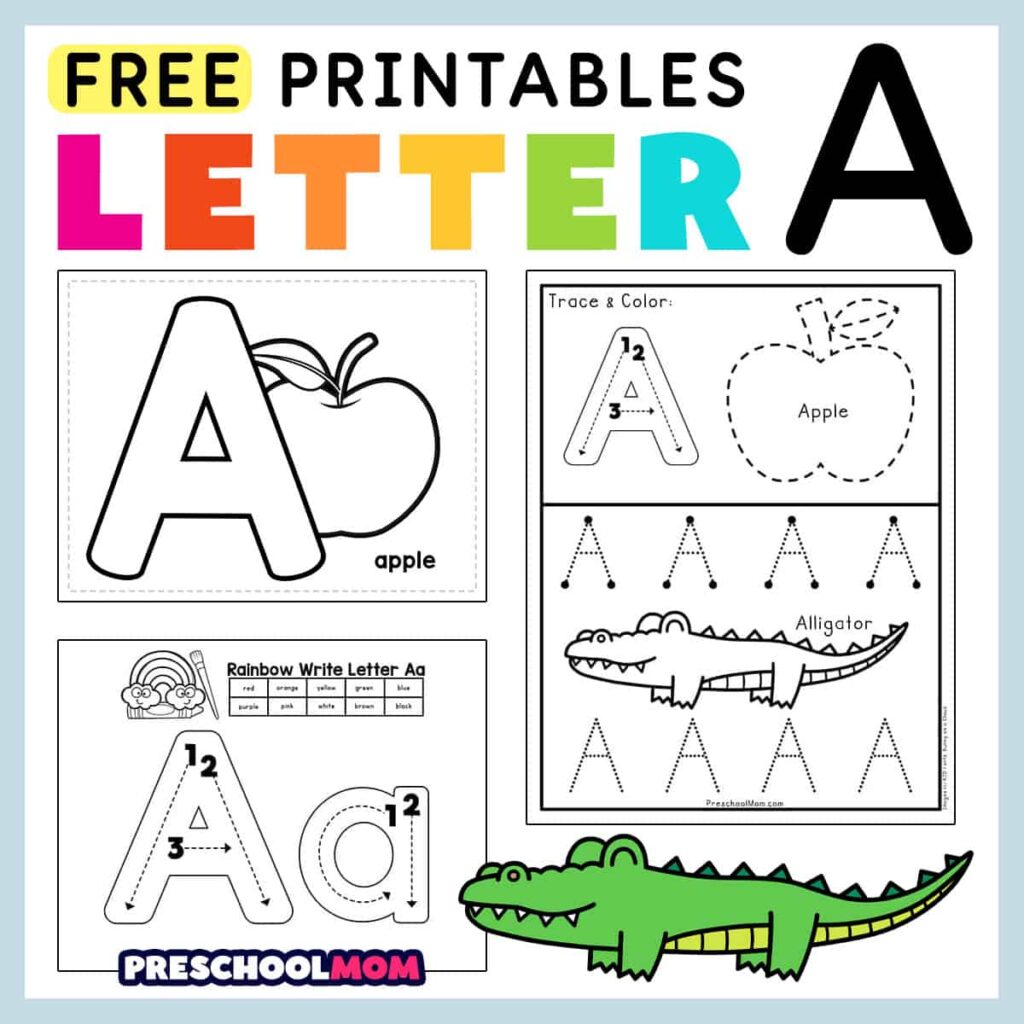
Letter A Preschool Printables
Alphabet Printables