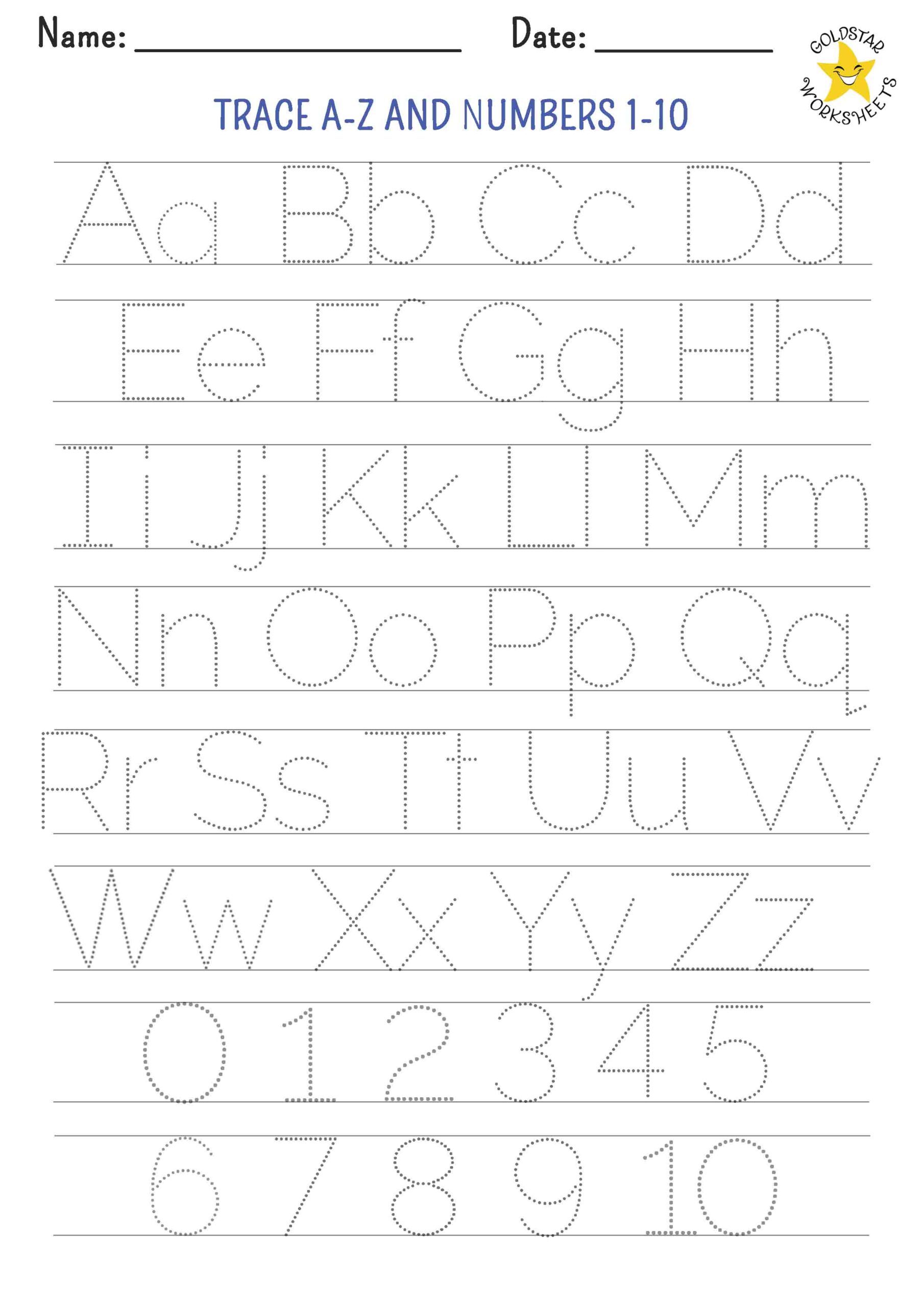
Letter Tracer Pages For Preschoolers are essential tools for early childhood education, helping young learners develop their writing skills in a fun and engaging way. These worksheets not only promote letter recognition but also enhance fine motor skills, making them perfect for preschool and kindergarten classrooms. In this article, we will explore the benefits of letter tracing, practical applications, and creative activities that can be integrated into your teaching routine.
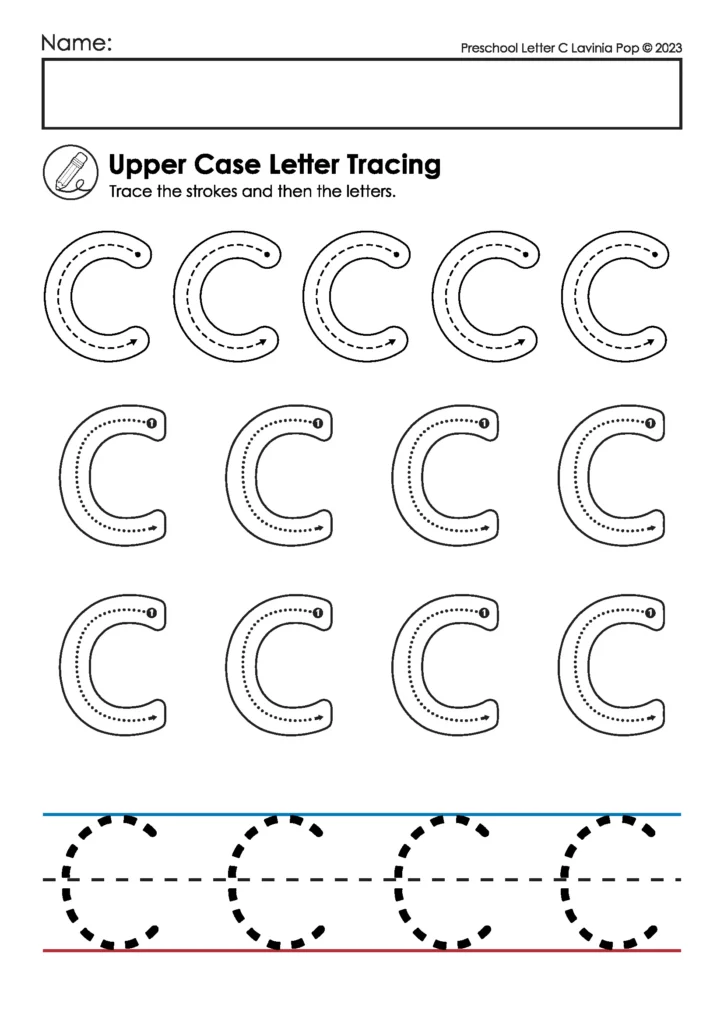
Letter Tracer Pages For Preschoolers
Understanding the Importance of Letter Tracing
Letter tracing is a foundational activity that supports early literacy development. By practicing letter formation, preschoolers gain confidence in their writing abilities. Tracing helps children learn the correct strokes needed to form letters, which is crucial for their future writing skills. Additionally, this activity promotes hand-eye coordination and fine motor development, essential components of early childhood learning.
Benefits of Using Letter Tracer Pages
- Enhances Fine Motor Skills: Tracing letters requires control and precision, helping children strengthen their hand muscles.
- Improves Letter Recognition: Regular practice with letter tracer pages aids in recognizing both uppercase and lowercase letters.
- Encourages Independent Learning: Children can work at their own pace, fostering a sense of accomplishment as they complete each page.
- Supports Cognitive Development: Engaging with letters helps children understand the connection between sounds and symbols.
Creative Activities with Letter Tracer Pages
Incorporating letter tracer pages into your curriculum can be both fun and educational. Here are some creative activities to enhance the learning experience:
1. Themed Letter Tracing
Create themed letter tracer pages based on holidays or seasons. For example, during Halloween, use pumpkin shapes to trace the letter “P.” This approach makes learning more relatable and exciting for preschoolers.
2. Scavenger Hunt
Organize a scavenger hunt where children find objects around the classroom that start with the letters they are tracing. This activity reinforces letter sounds and encourages active participation.
3. Art Integration
Combine art with letter tracing by allowing children to decorate their traced letters with crayons, stickers, or glitter. This not only makes the activity more enjoyable but also allows for creative expression.
Tips for Effective Use of Letter Tracer Pages
To maximize the benefits of letter tracer pages, consider these practical tips:
- Use Child-Safe Materials: Ensure that scissors and glue sticks are safe for young children when incorporating cut-and-paste activities.
- Provide Clear Instructions: Demonstrate how to trace letters correctly before allowing independent practice.
- Create a Routine: Incorporate letter tracing into daily activities to build consistency and reinforce learning.
Differentiating Instruction for Diverse Learners
Every child learns at their own pace. Here are some strategies to differentiate instruction when using letter tracer pages:
- Simplify Tasks: For younger or less confident learners, provide larger letters or fewer lines to trace.
- Add Complexity: For advanced students, encourage them to write words that start with the traced letters after completing the tracing activity.
- Use Technology: Consider incorporating digital tracing apps that allow children to practice on tablets or computers.
The Role of Parents in Supporting Letter Tracing at Home
Parents can play a vital role in reinforcing letter tracing skills at home. Here are some suggestions for parents:
- Create a Learning Space: Designate a quiet area with all necessary supplies for tracing activities.
- Engage in Conversations: Discuss letters and sounds during everyday activities to enhance learning opportunities.
- Encourage Practice: Provide printable worksheets or create homemade tracer pages using simple materials like paper and markers.
Where to Find Printable Letter Tracer Pages
You can find a variety of printable Letter Tracer Pages For Preschoolers on websites dedicated to early childhood education. These resources often offer free downloads that can be printed on US Letter paper in both black-and-white and color options. Look for worksheets that feature clear cutting lines and suitable paper thickness for easy handling by small hands.
If you’re interested in exploring more educational resources, visit our Preschool Worksheets, where you can find additional activities tailored for young learners.
The integration of Letter Tracer Pages into preschool education provides numerous benefits that extend beyond just writing skills. By engaging children in hands-on activities that promote fine motor development and literacy, educators can create a rich learning environment that fosters growth and curiosity in young learners.
If you would like more information on early literacy practices, consider visiting reputable sources such as the National Association for the Education of Young Children (NAEYC), which offers valuable insights into effective teaching strategies for preschoolers.
Download Letter Tracer Pages For Preschoolers
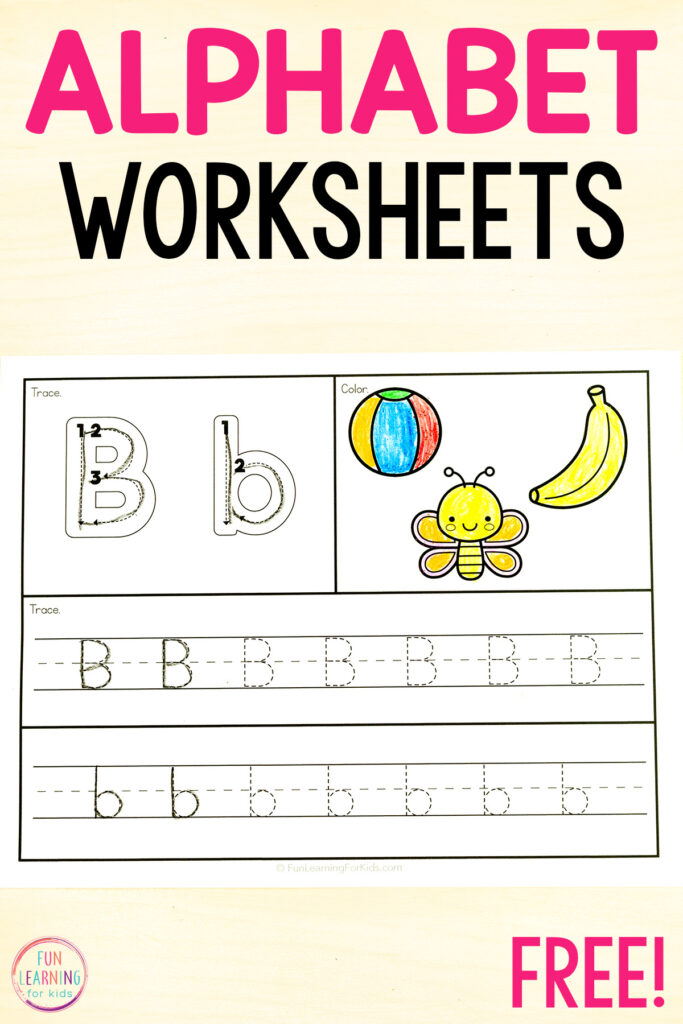
Alphabet Beginning Sounds Letter Tracing Worksheets
Preschool Alphabet Tracing Worksheets