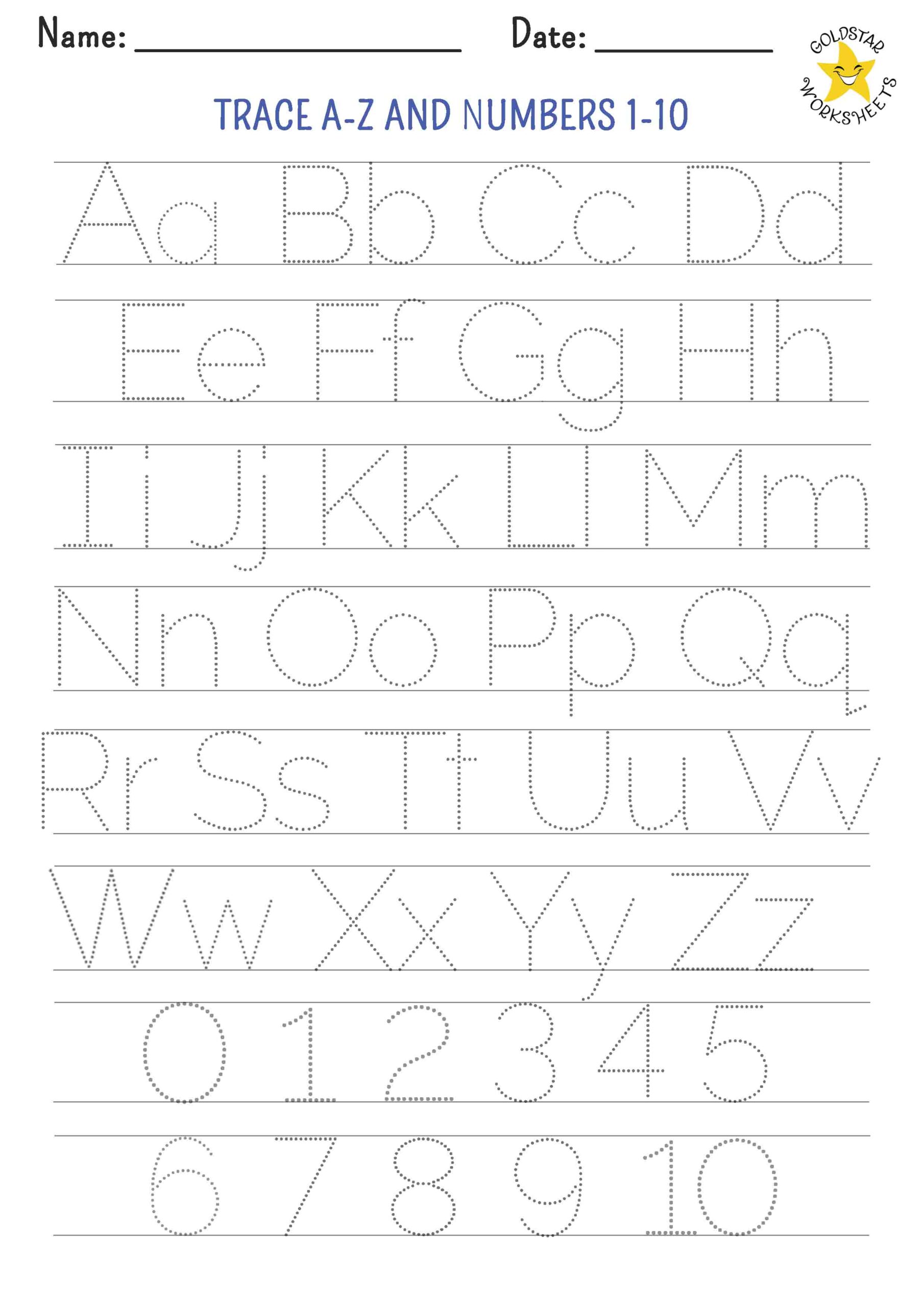
Letter tracing pages for preschoolers are an essential tool in early childhood education, helping young learners develop their writing skills while having fun. These worksheets not only promote fine motor skills but also enhance letter recognition and phonemic awareness. By engaging in tracing activities, children can build confidence in their writing abilities, setting a strong foundation for future literacy skills. In this article, we will explore the benefits of letter tracing pages, practical applications, and creative ways to incorporate them into your preschool curriculum.
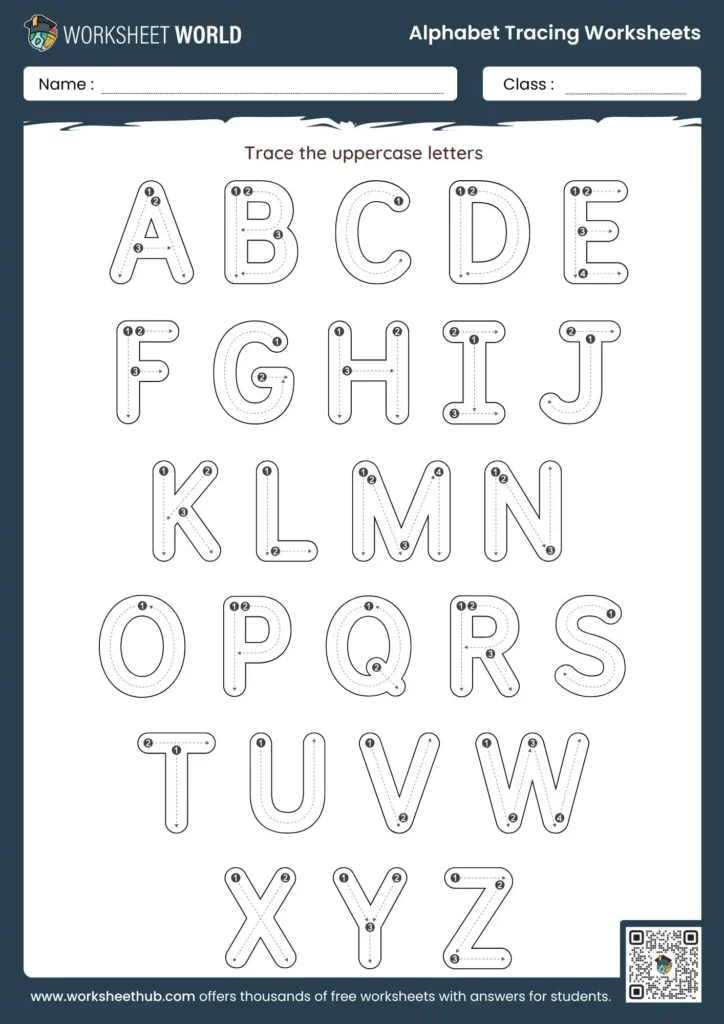
Letter Tracing Pages Preschool
Benefits of Letter Tracing Pages
Letter tracing pages provide numerous educational benefits for preschoolers. Here are some key advantages:
- Fine Motor Skill Development: Tracing letters helps children strengthen their hand muscles and improve coordination.
- Letter Recognition: Regular practice with tracing reinforces the shapes and sounds of letters, aiding in recognition.
- Cognitive Skills: Engaging with letters enhances memory and concentration as children focus on the task at hand.
- Confidence Building: Mastering letter formation boosts self-esteem and encourages further exploration of writing.
How to Use Letter Tracing Pages Effectively
To maximize the benefits of letter tracing pages, consider the following strategies:
- Start with Uppercase Letters: Begin with uppercase letters as they are generally easier for young children to trace.
- Incorporate Multi-Sensory Activities: Use sand, finger paint, or textured materials to allow children to trace letters using different senses.
- Create a Routine: Establish a consistent time for tracing activities to help children develop a habit and anticipate learning.
- Provide Positive Feedback: Encourage children by praising their efforts and progress, reinforcing their motivation to practice.
Engaging Activities with Letter Tracing Pages
Integrating letter tracing pages into hands-on activities can make learning more enjoyable. Here are some creative ideas:
1. Scavenger Hunt
Create a scavenger hunt where children find objects that start with the letters they are tracing. For example, if they are tracing the letter “A,” they can look for an apple or an airplane around the classroom or home.
2. Art Integration
Combine art with letter tracing by having children decorate their traced letters with stickers, crayons, or glitter. This not only makes the activity more visually appealing but also allows for creative expression.
3. Letter Collage
After completing several tracing pages, have children cut out their letters and create a collage on a poster board. This reinforces letter recognition while allowing them to practice scissor skills.
Differentiating Instruction for Various Skill Levels
Every child develops at their own pace, so it’s important to differentiate instruction when using letter tracing pages. Here are some suggestions:
- For Beginners: Provide larger letters with clear outlines for easier tracing.
- For Advanced Learners: Introduce lowercase letters or words that begin with the traced letter to challenge them further.
- Add Visual Aids: Use pictures alongside letters to help children associate sounds with symbols.
Printable Letter Tracing Worksheets
You can find a variety of printable letter tracing worksheets tailored for preschoolers on our website. These worksheets are designed to be user-friendly and engaging, making them perfect for both classroom and home use. When printing these worksheets, consider using US Letter paper in either black-and-white or color options to suit your preferences.
Preparing Your Workspace for Tracing Activities
A well-organized workspace can enhance the effectiveness of letter tracing activities. Here are some tips for preparation:
- Pencil Grip: Ensure that children have proper pencil grips to facilitate easier writing and tracing.
- Sufficient Lighting: Make sure the workspace is well-lit so that children can clearly see the letters they are tracing.
- Cutting Tools: If incorporating cutting activities, provide child-safe scissors and supervise as needed.
The Importance of Parental Involvement
Parental involvement plays a crucial role in reinforcing learning at home. Encourage parents to participate in tracing activities by providing guidance on how to support their child’s learning journey effectively. Simple practices like reviewing traced letters together or creating fun games around them can significantly enhance children’s engagement and retention of skills.
Conclusion: Making Learning Fun with Letter Tracing Pages
The use of letter tracing pages in preschool education offers a dynamic approach to developing essential literacy skills. By incorporating various activities and strategies, educators and parents can create an enriching environment that fosters learning through play. Explore our collection of printable worksheets at CutPasteWorksheets.net, where you’ll find resources designed specifically for early learners.
If you’re interested in additional resources related to early literacy practices, consider visiting reputable organizations like the National Association for the Education of Young Children (NAEYC), which provides valuable insights into effective teaching strategies for young learners.
Download Letter Tracing Pages Preschool
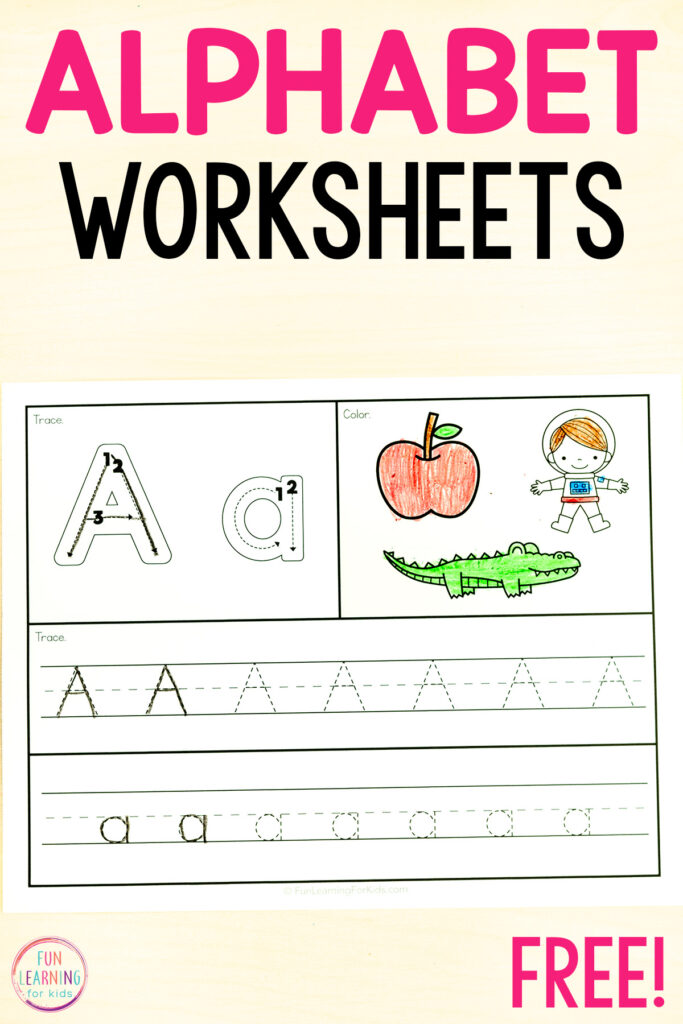
Alphabet Beginning Sounds Letter Tracing Worksheets
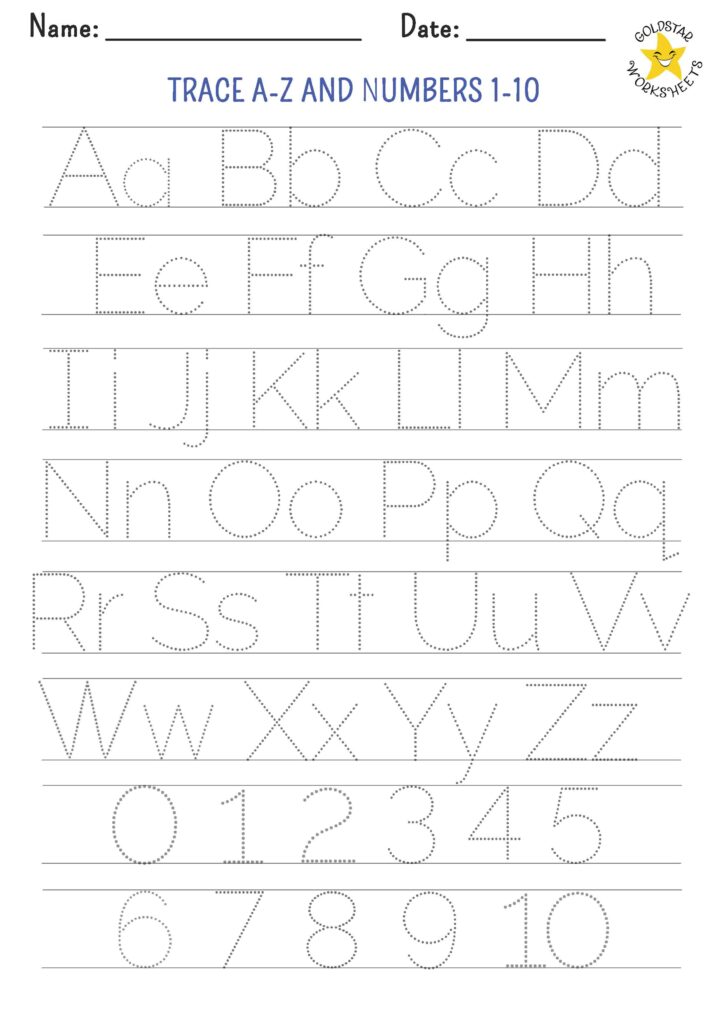
Preschool Alphabet Tracing Worksheets