Printable worksheets for nursery PDF are essential tools for early childhood education, providing engaging activities that promote learning through play. These worksheets help preschoolers develop fine motor skills, early literacy, and cognitive abilities while enjoying hands-on cut and paste activities. In this article, we will explore various types of printable worksheets designed specifically for nursery-aged children, highlighting their educational benefits and practical applications.
Printable Worksheets For Nursery Pdf
Benefits of Printable Worksheets for Nursery
Printable worksheets serve multiple purposes in a nursery setting. They offer structured learning experiences that can be tailored to individual children’s needs. Here are some key benefits:
- Skill Development: Worksheets can enhance fine motor skills through cutting and pasting activities.
- Engagement: Colorful and themed worksheets capture children’s attention and make learning fun.
- Flexibility: They can be used in various settings, including classrooms and at home.
- Assessment: Worksheets provide a way for educators to assess children’s understanding and progress.
Types of Printable Worksheets for Nursery
There are several types of printable worksheets available for nursery-aged children. Each type focuses on different skills and learning objectives:
1. Fine Motor Skill Worksheets
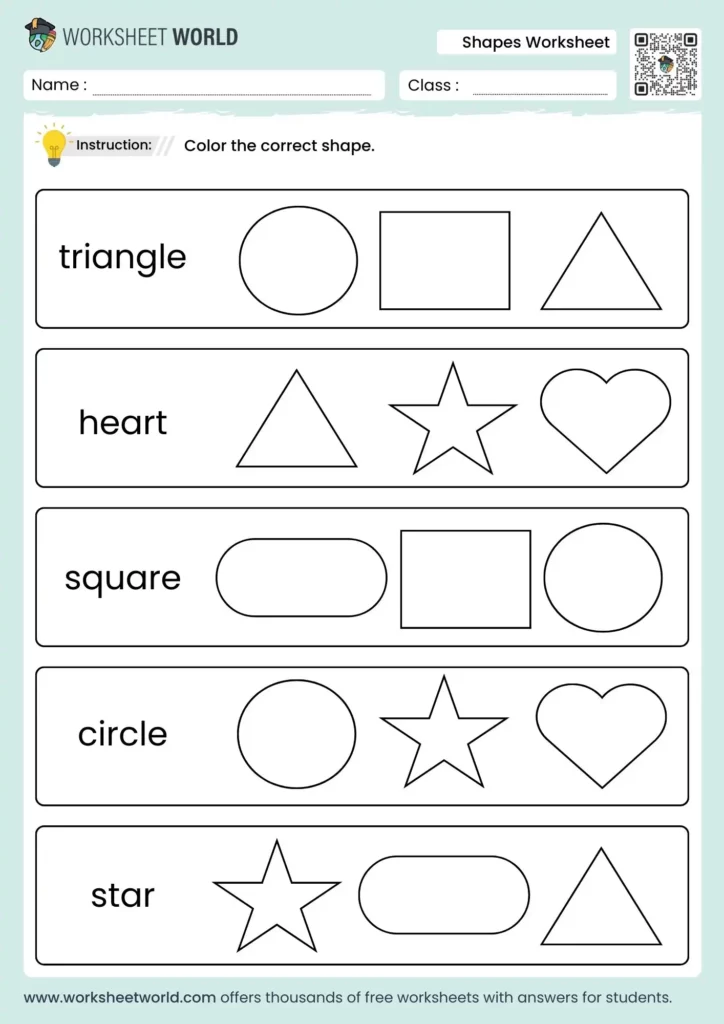
Fine motor skill development is crucial for young learners. Worksheets that involve cutting shapes, tracing lines, or assembling pieces help strengthen hand-eye coordination. For example, a worksheet featuring simple shapes can encourage children to cut them out and paste them onto a larger sheet to create a collage.
2. Early Literacy Worksheets
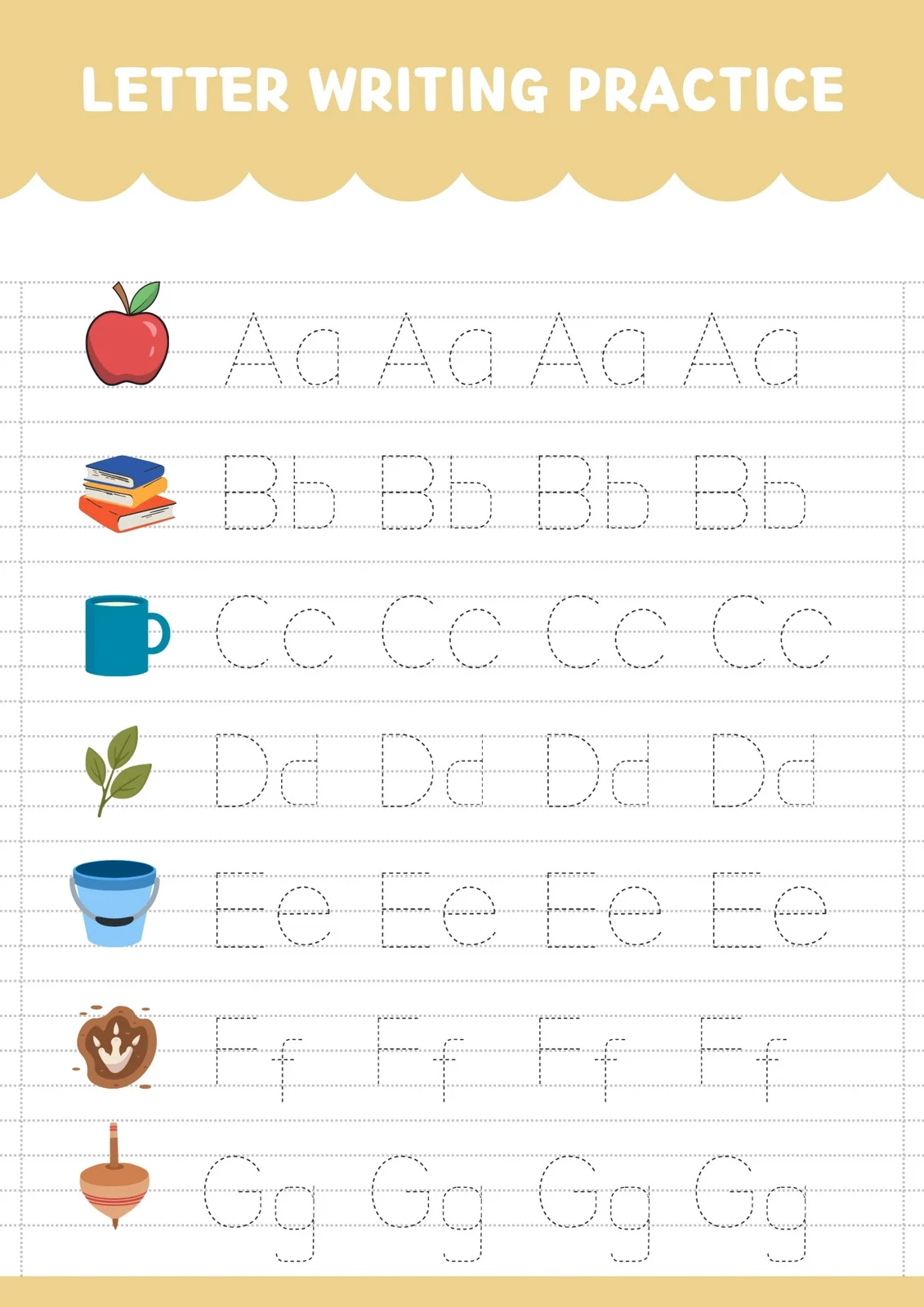
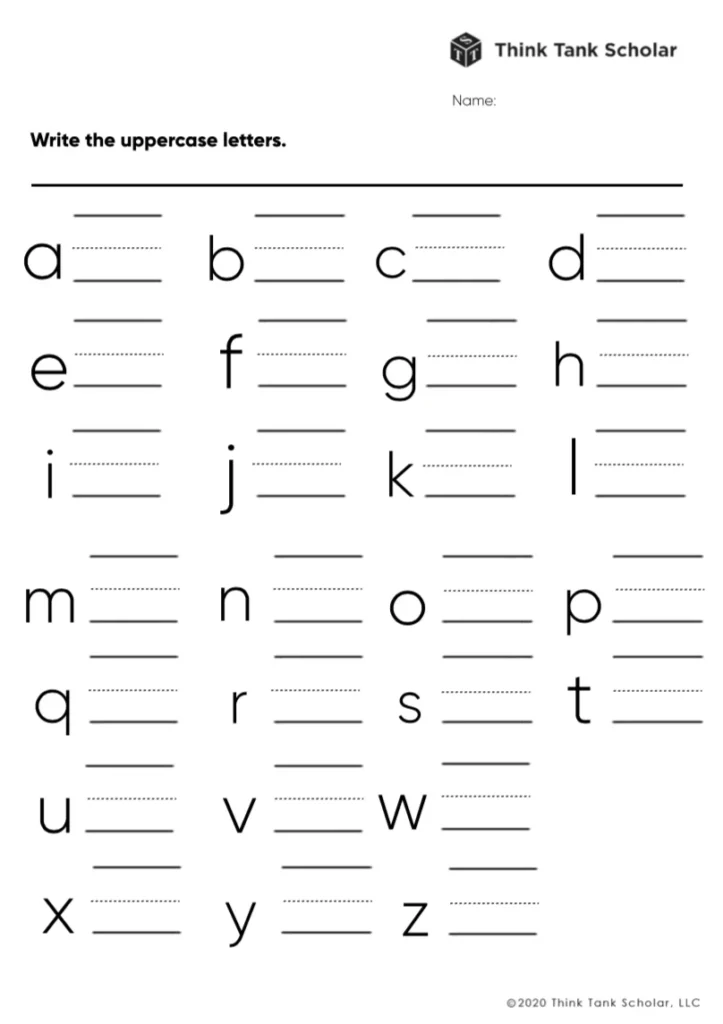
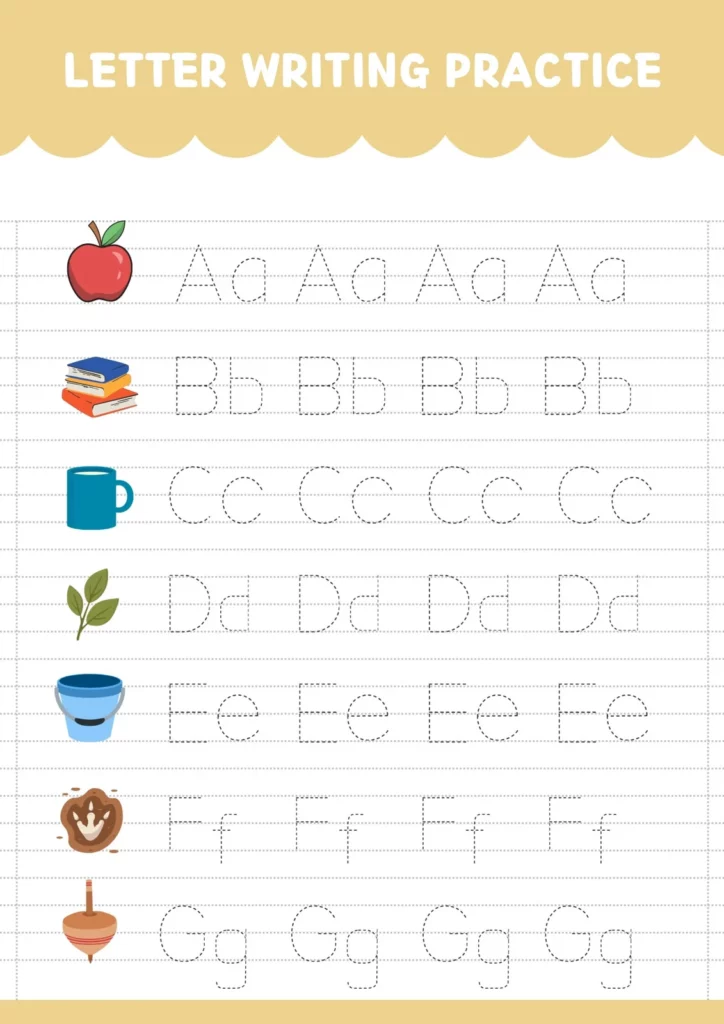
Printable worksheets focused on early literacy introduce children to letters, sounds, and basic words. Activities may include matching letters with pictures or tracing letters to improve writing skills. For instance, a worksheet could ask children to trace the letter “A” while identifying objects that start with that letter.
3. Math and Counting Worksheets
Math worksheets for nursery students often incorporate counting exercises using visuals like animals or fruits. Children can count items and match them with the corresponding number. A fun activity might involve cutting out pictures of apples and pasting them next to the correct numeral.
4. Sorting and Matching Activities
Sorting and matching worksheets help children develop cognitive skills by categorizing objects based on attributes such as color or size. For example, a worksheet might present various animals that children need to sort into groups based on their habitats.
Hands-On Learning Activities
Incorporating hands-on activities alongside printable worksheets enhances learning experiences. Here are some ideas:
- Scissor Practice: Provide child-safe scissors for cutting practice with printed shapes or images.
- Pasting Projects: Use glue sticks to create collages from cut-out images found in worksheets.
- Themed Crafts: Combine worksheets with seasonal crafts, such as making paper snowflakes in winter or flower bouquets in spring.
Preparing Printable Worksheets for Use
To ensure an effective learning experience with printable worksheets, consider the following preparation steps:
- Select Appropriate Paper: Use US Letter size paper for printing; consider using thicker paper for durability.
- Print Options: Decide whether to print in color or black-and-white based on the activity’s needs.
- Create Clear Cutting Lines: Ensure that cutting lines are visible and easy for young children to follow.
- Organize Materials: Keep small cutout pieces organized in containers to prevent loss during activities.
Differentiated Learning Approaches
Recognizing that children develop at different rates is essential when using printable worksheets. Here are some strategies for differentiation:
- Simplified Tasks: For younger or less experienced children, provide worksheets with fewer elements to cut and paste.
- Add Complexity: For advanced learners, introduce more intricate designs or multi-step tasks that require additional problem-solving skills.
- Pacing Adjustments: Allow children to work at their own pace, providing support as needed without rushing them through activities.
The Role of Adults in Worksheet Activities
The involvement of adults is crucial when using printable worksheets for nursery-aged children. Here are some tips for effective adult participation:
- Supervision: Always supervise cutting activities to ensure safety with scissors.
- Demos: Demonstrate how to complete tasks before allowing children to try independently.
- Praise Efforts: Encourage children by praising their efforts, regardless of the outcome, to build confidence in their abilities.
Culminating Learning Experiences
The use of printable worksheets can culminate in broader learning experiences that extend beyond the worksheet itself. Consider integrating themes into daily routines or playtime activities that reinforce concepts learned through the worksheets. For example, after completing a counting worksheet featuring fruits, you could have a fruit-tasting day where children count how many pieces they try!
If you’re looking for more resources on early childhood education, visit CutPasteWorksheets.net’s Early Learning section. You’ll find an array of engaging materials designed to support young learners in their educational journey.
The use of printable worksheets for nursery PDF not only fosters essential skills but also makes learning enjoyable through interactive activities. By incorporating these resources into your teaching strategies, you can create a rich educational environment that nurtures curiosity and growth in young children.
Download Printable Worksheets For Nursery Pdf
Shapes Worksheet For Nursery
Preschool