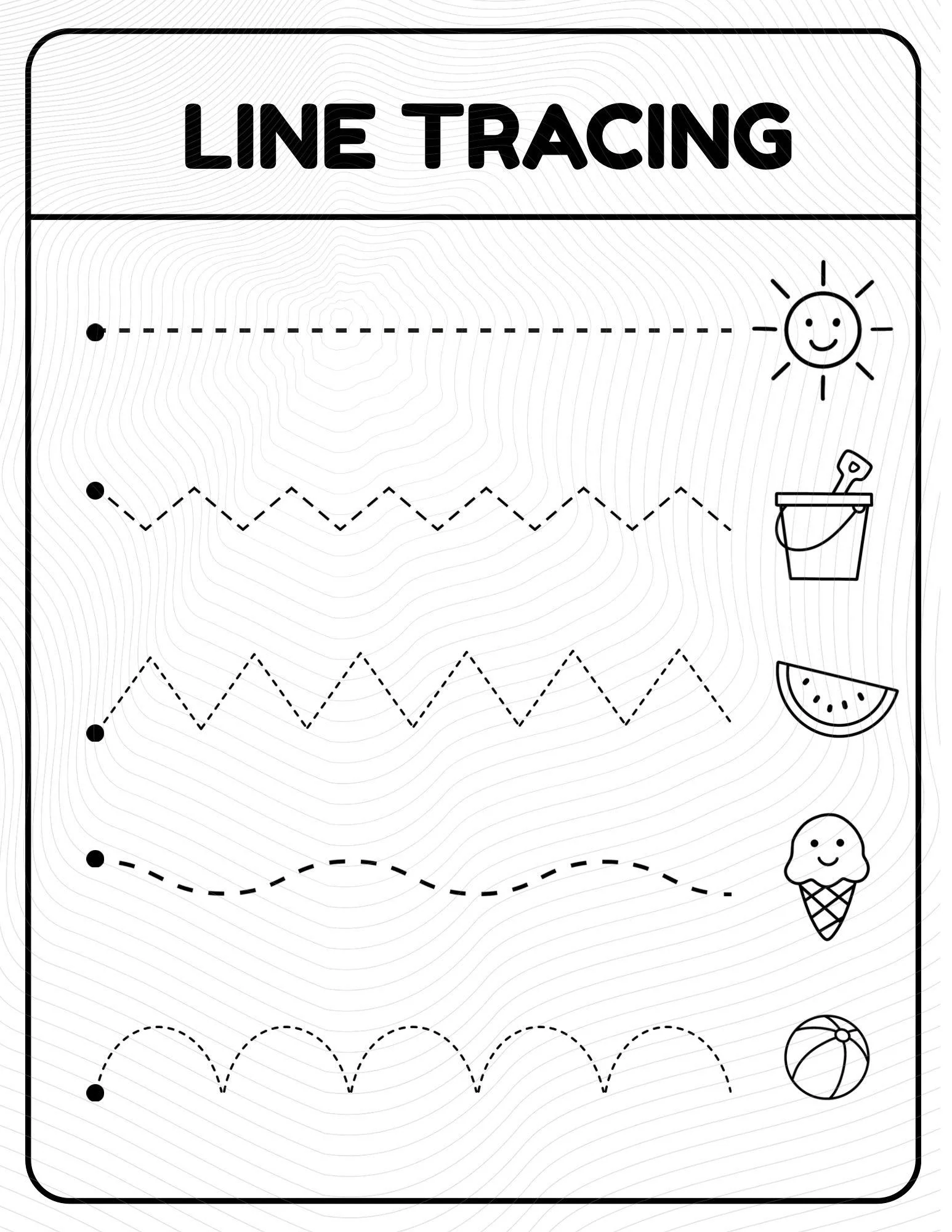
Tracing lines preschool worksheets are an essential tool for early childhood education, helping young learners develop fine motor skills and hand-eye coordination. These worksheets provide engaging activities that encourage children to practice their writing and drawing abilities while having fun. In this article, we will explore various aspects of tracing lines worksheets, including their educational benefits, practical applications, and creative ways to incorporate them into your teaching routine.
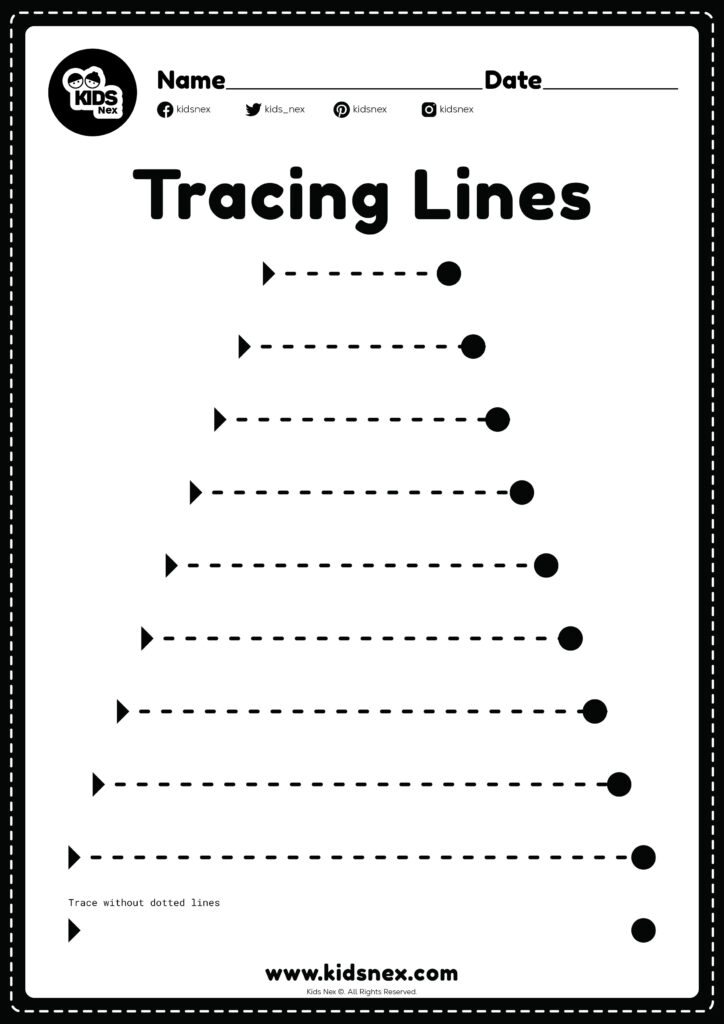
Tracing Lines Preschool Worksheets
Understanding the Importance of Tracing Lines
Tracing lines is a foundational skill that supports children’s overall development. As preschoolers engage with tracing activities, they enhance their fine motor skills, which are crucial for tasks like writing and using scissors. Moreover, these activities promote cognitive skills such as focus and concentration, allowing children to follow patterns and improve their visual-motor integration.
Benefits of Tracing Lines Preschool Worksheets
- Fine Motor Skill Development: Tracing helps strengthen the small muscles in children’s hands and fingers, preparing them for more complex tasks.
- Handwriting Readiness: Early exposure to tracing lines lays the groundwork for proper letter formation and writing skills.
- Engagement and Fun: Colorful worksheets with various themes keep children interested and motivated to learn.
- Cognitive Growth: Following lines enhances children’s ability to concentrate and develop problem-solving skills.
Types of Tracing Lines Activities
There are several types of tracing line activities that can be incorporated into preschool worksheets. Here are some popular options:
- Straight Lines: Simple straight lines help children learn basic control over their writing tools.
- Curling Lines: Curved lines introduce more complexity, allowing children to practice different movements.
- Zigzag Lines: These patterns challenge children to navigate sharp turns, enhancing their dexterity.
- Shapes and Figures: Tracing shapes like circles, squares, and triangles helps reinforce shape recognition alongside line tracing.
Creative Ways to Use Tracing Lines Worksheets
Incorporating tracing lines worksheets into your teaching can be both fun and educational. Here are some creative ideas:
1. Themed Worksheets
Create worksheets based on themes such as animals, seasons, or holidays. For example, a worksheet featuring a winter theme could include snowflakes with dotted lines for tracing.
2. Interactive Activities
Combine tracing with hands-on activities. After tracing a line on paper, have children use playdough to create the same shapes or lines. This tactile experience reinforces learning through play.
3. Group Activities
Encourage collaboration by having children work in pairs or small groups on tracing activities. They can take turns guiding each other through the lines, fostering social skills alongside learning.
Differentiating Instruction for Various Skill Levels
Recognizing that children develop at different rates is crucial when using tracing lines worksheets. Here are some strategies for differentiating instruction:
- Simplified Worksheets: For beginners, provide worksheets with thicker lines or larger spaces to trace.
- Advanced Challenges: For more advanced learners, introduce worksheets with intricate designs or multiple lines to trace simultaneously.
- Use of Technology: Consider incorporating digital tracing apps that allow children to trace on tablets or computers for a modern twist on traditional worksheets.
Practical Tips for Using Tracing Lines Worksheets at Home
If you’re a parent or caregiver looking to support your child’s learning at home, here are some practical tips:
- Create a Dedicated Space: Set up a comfortable area with all necessary supplies like crayons, pencils, scissors, and glue sticks.
- Model the Activity: Demonstrate how to trace lines correctly before allowing your child to try it themselves.
- Encourage Creativity: After completing the tracing activity, invite your child to color in the shapes or add their drawings around the traced lines.
The Role of Adult Supervision in Tracing Activities
While tracing can be an independent activity for preschoolers, adult supervision is essential for safety and guidance. Ensure that children use child-safe scissors when cutting out shapes from their worksheets. Additionally, provide assistance as needed to help them stay focused and engaged during the activity.
Printing Tips for Tracing Lines Worksheets
If you’re preparing tracing lines worksheets for classroom use or home learning, consider these printing tips:
- Paper Quality: Use US Letter-sized paper with a suitable thickness that can withstand cutting and gluing without tearing easily.
- Color vs. Black-and-White: Decide whether colorful prints or black-and-white versions work best for your teaching style; both have their advantages in terms of engagement and cost-effectiveness.
- Cutting Lines: Ensure clear cutting lines are printed so that children can easily cut out shapes without confusion.
Additions to Enhance Learning Experience
You can further enrich the learning experience by integrating additional resources such as books about shapes and lines or online games focused on fine motor skills. Engaging stories can help reinforce concepts learned through tracing activities while keeping children entertained.
The use of tracing lines preschool worksheets offers numerous benefits that extend beyond simple line drawing. By incorporating these engaging activities into your curriculum or home learning environment, you can foster essential skills in young learners while making education enjoyable. For more resources on early childhood education activities, visit our collection of printable cut and paste worksheets at CutPasteWorksheets.net.
If you’re interested in exploring more about early literacy practices or fine motor skill development through hands-on learning activities, check out our related articles on our website!
Download Tracing Lines Preschool Worksheets
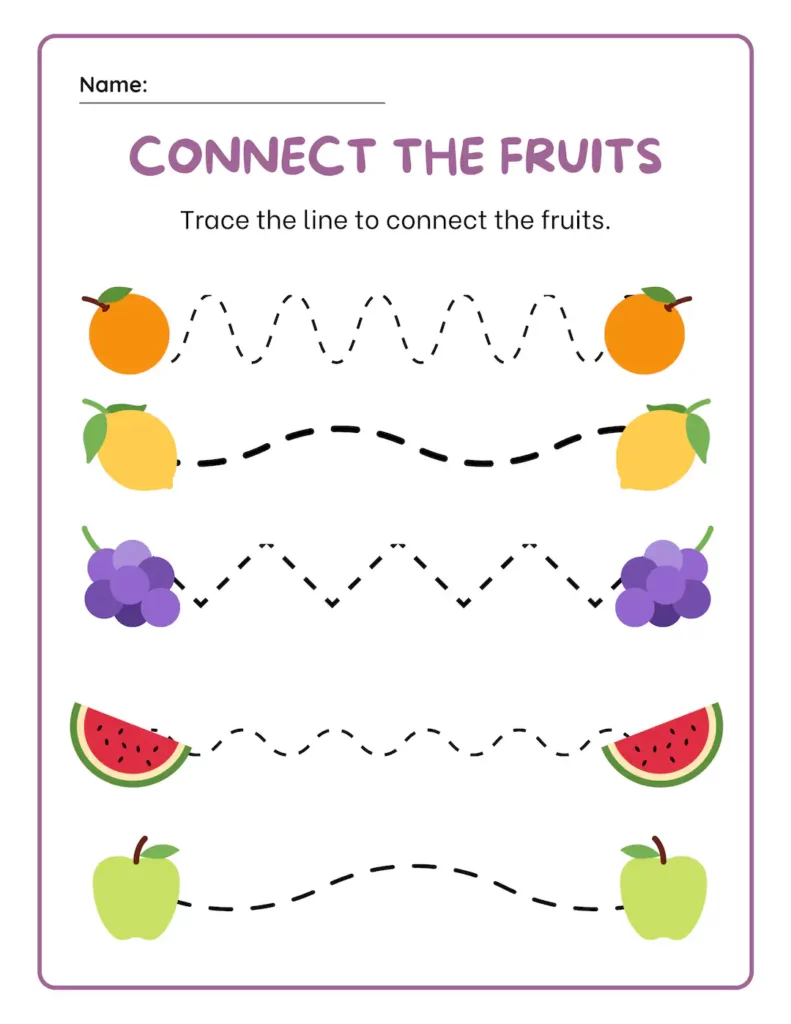
2 Printable Preschool Tracing Worksheets
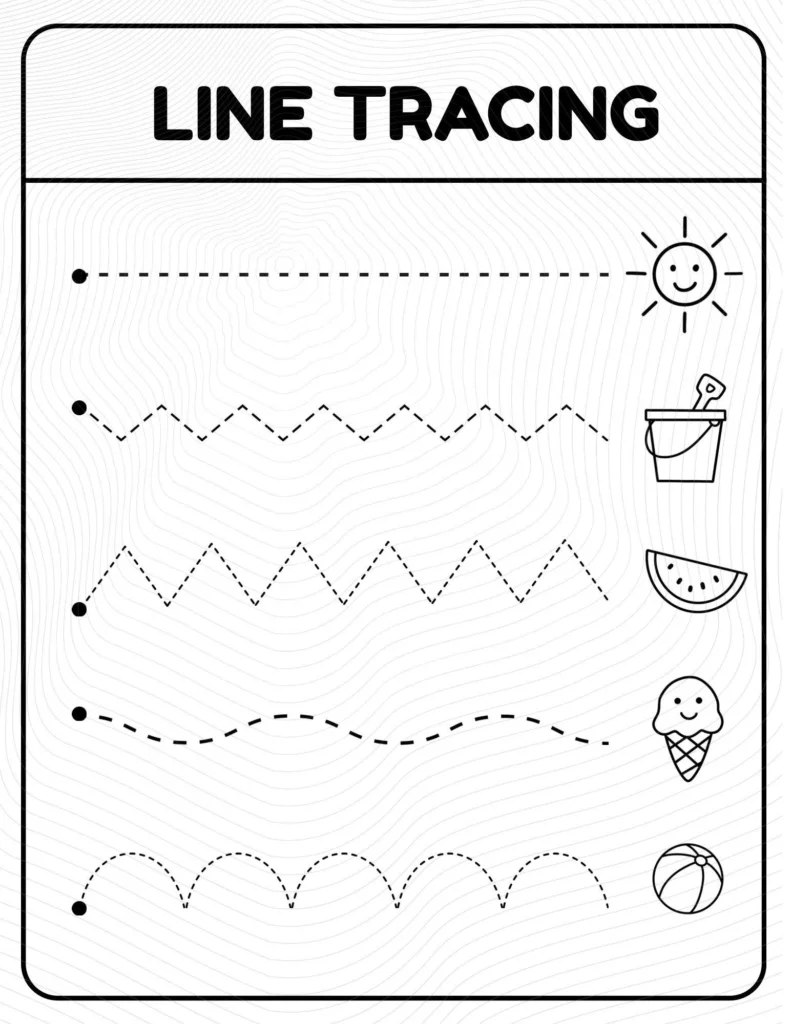
Printable Summer Line Tracing Preschool