Printable tracing sheets for preschoolers are an excellent resource for developing essential skills in young learners. These worksheets not only enhance fine motor skills but also lay the groundwork for early literacy and numeracy. Engaging children in tracing activities can make learning fun and interactive, fostering a love for education from an early age. In this article, we will explore various types of printable tracing sheets, their educational benefits, and practical applications for both home and classroom settings.
Printable Tracing Sheets For Preschoolers
Understanding Printable Tracing Sheets
Printable tracing sheets are designed to help preschoolers practice writing letters, numbers, shapes, and even simple words. These worksheets typically feature dotted lines that guide children in forming letters and numbers correctly. By tracing these shapes, children develop hand-eye coordination and improve their pencil grip, which are crucial for writing skills.
Benefits of Tracing Activities
- Fine Motor Skill Development: Tracing helps strengthen the small muscles in a child’s hands and fingers, which is vital for writing.
- Letter Recognition: As children trace letters, they become familiar with their shapes and sounds, aiding in early literacy.
- Concentration and Focus: Engaging in tracing activities requires attention to detail, helping children improve their focus.
- Confidence Building: Successfully completing tracing sheets can boost a child’s confidence in their writing abilities.
Types of Printable Tracing Sheets
Alphabet Tracing Sheets
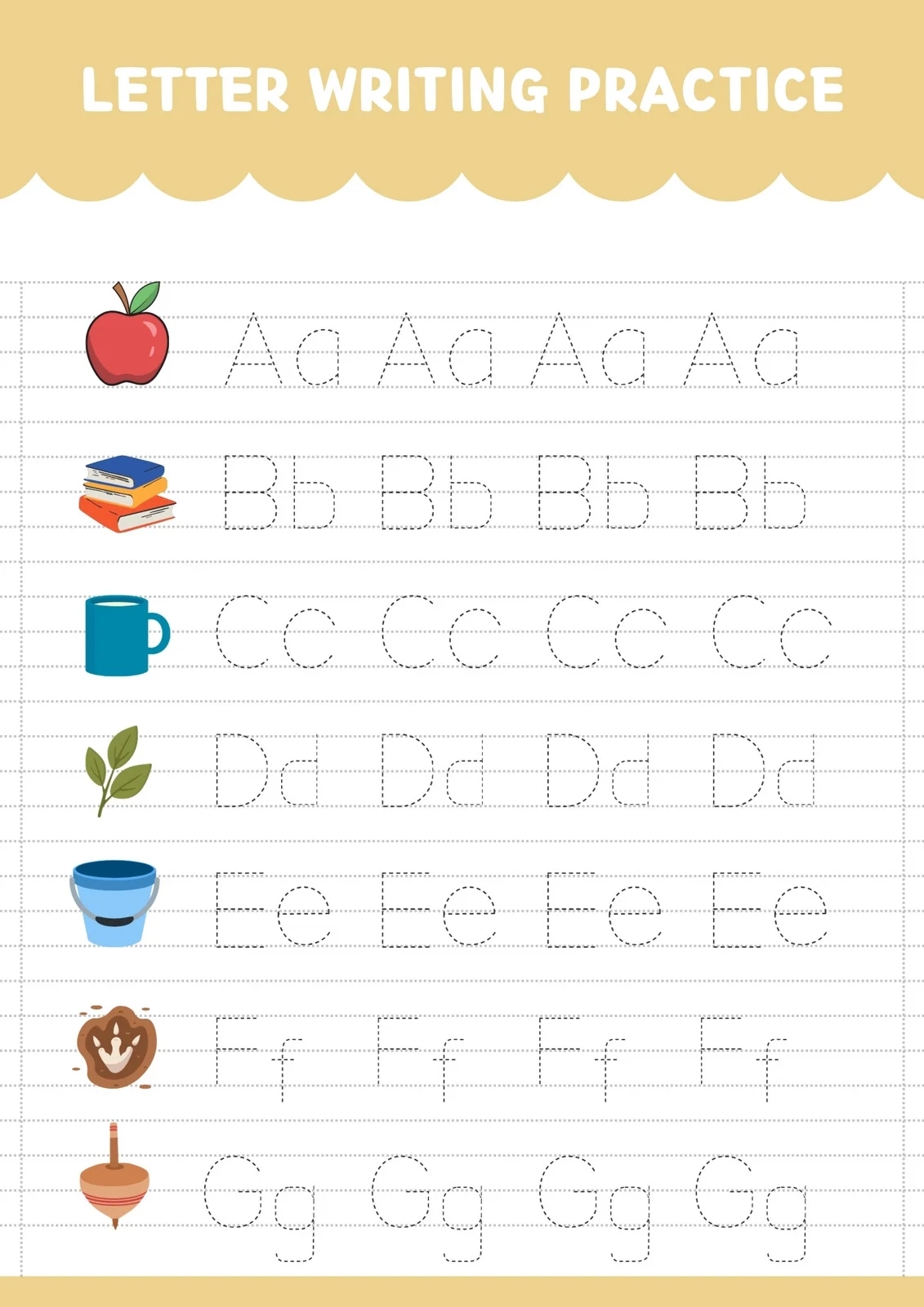
Alphabet tracing sheets are essential for preschoolers learning the letters of the alphabet. These worksheets often include both uppercase and lowercase letters, allowing children to practice each form. For example, a worksheet might feature the letter “A” with dotted lines for tracing, accompanied by images of objects that start with “A,” such as an apple or an alligator.
Number Tracing Sheets
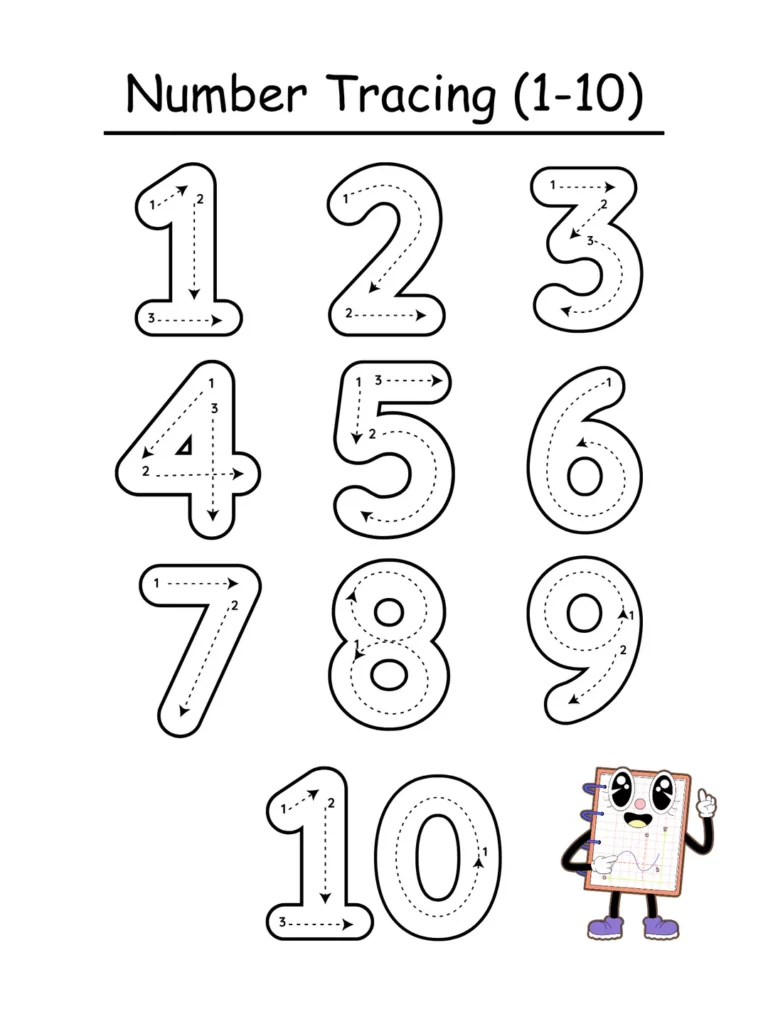
Number tracing sheets help preschoolers learn to recognize and write numbers. These worksheets can include numbers 1 through 10 or extend to higher numbers as children progress. Incorporating counting activities alongside tracing can reinforce number recognition. For instance, a worksheet might ask children to trace the number “3” while counting three apples illustrated on the page.
Shape Tracing Sheets
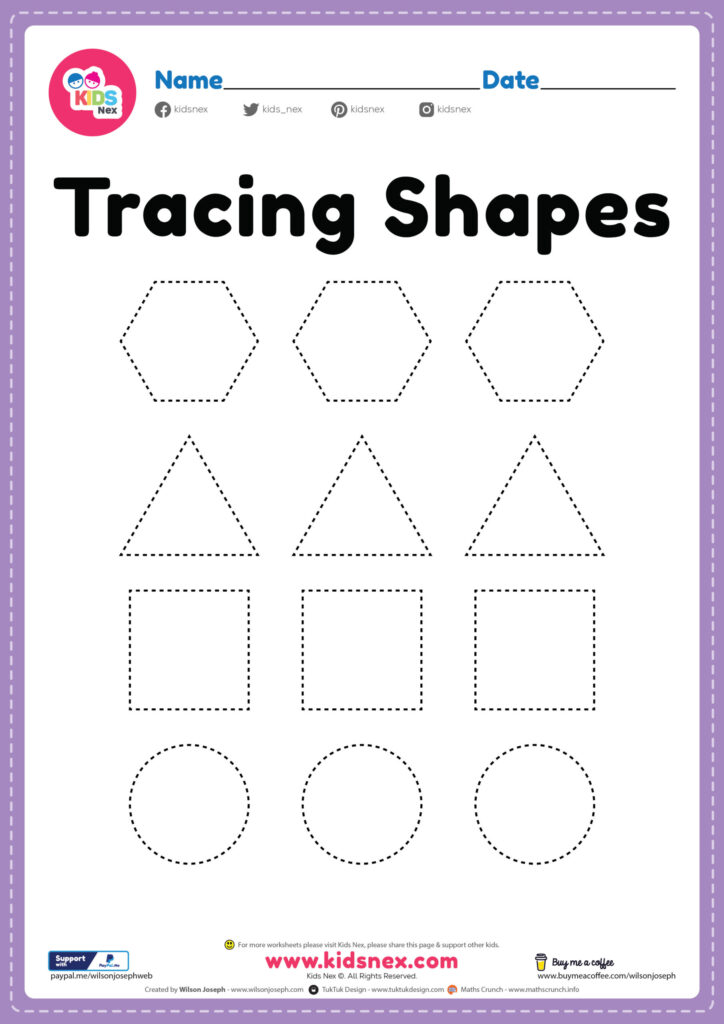
Shape tracing sheets introduce preschoolers to basic geometric shapes like circles, squares, triangles, and rectangles. Children can trace these shapes while learning their names and properties. To enhance learning, educators can incorporate sorting activities where children categorize objects based on their shapes after completing the tracing exercises.
Incorporating Tracing Sheets into Daily Learning
Integrating printable tracing sheets into daily routines can be simple and effective. Here are some practical ways to use them:
- Morning Work: Start each day with a tracing sheet as part of morning work to warm up fine motor skills.
- Themed Activities: Align tracing sheets with seasonal themes or holidays to keep learning relevant and exciting.
- Home Learning: Provide parents with printable worksheets to reinforce skills at home during family time.
Adjusting Difficulty Levels
To cater to different skill levels among preschoolers, it’s important to adjust the difficulty of tracing sheets accordingly:
- Beginners: Use simple shapes or large letters with ample space for tracing.
- Intermediate Learners: Introduce more complex letters or numbers with smaller sizes or additional elements like arrows indicating stroke direction.
- Advanced Learners: Challenge them with words or sentences that incorporate the letters they have learned.
Hands-On Activities with Tracing Sheets
To make learning more engaging, consider combining tracing sheets with hands-on activities:
- Cut and Paste Activities: After tracing letters or shapes, children can cut out pictures that correspond to what they traced and paste them onto a collage.
- Sensory Tracing: Use materials like sand or rice on a tray where children can trace letters or numbers using their fingers before moving on to pencil practice.
- Pencil Control Games: Incorporate games that require precise movements, such as drawing lines between dots or connecting paths on a maze after practicing on worksheets.
The Role of Adult Supervision
While using printable tracing sheets, adult supervision is crucial. Adults can provide guidance on proper pencil grip and encourage correct letter formation. Additionally, they can offer positive reinforcement as children complete their worksheets, fostering a supportive learning environment. For younger children or those who may struggle with cutting activities, consider pre-cutting pieces or simplifying tasks to ensure success without frustration.
Printing Tips for Optimal Use
When preparing printable tracing sheets for use at home or in the classroom, consider the following tips:
- Paper Type: Use US Letter-sized paper (8.5 x 11 inches) for easy printing. Choose a thicker paper if possible to withstand repeated use.
- Cuts and Lines: Ensure clear cutting lines are visible if worksheets involve cutting out pieces.
- Sustainability: Consider reusing worksheets by laminating them so children can trace with dry-erase markers.
Conclusion: Making Learning Fun with Tracing Sheets
The use of printable tracing sheets for preschoolers is an effective way to promote early literacy and fine motor skills while making learning enjoyable. By incorporating various types of worksheets into daily activities and adjusting difficulty levels based on individual needs, educators and parents can create a rich learning environment that encourages exploration and creativity. For more resources on engaging educational activities, visit our collection at CutPasteWorksheets.net.
If you’re looking for additional resources related to early childhood education, consider checking out reputable organizations such as the National Association for the Education of Young Children (NAEYC), which offers valuable insights into best practices in preschool education.
Download Printable Tracing Sheets For Preschoolers
Products
Preschool Tracing