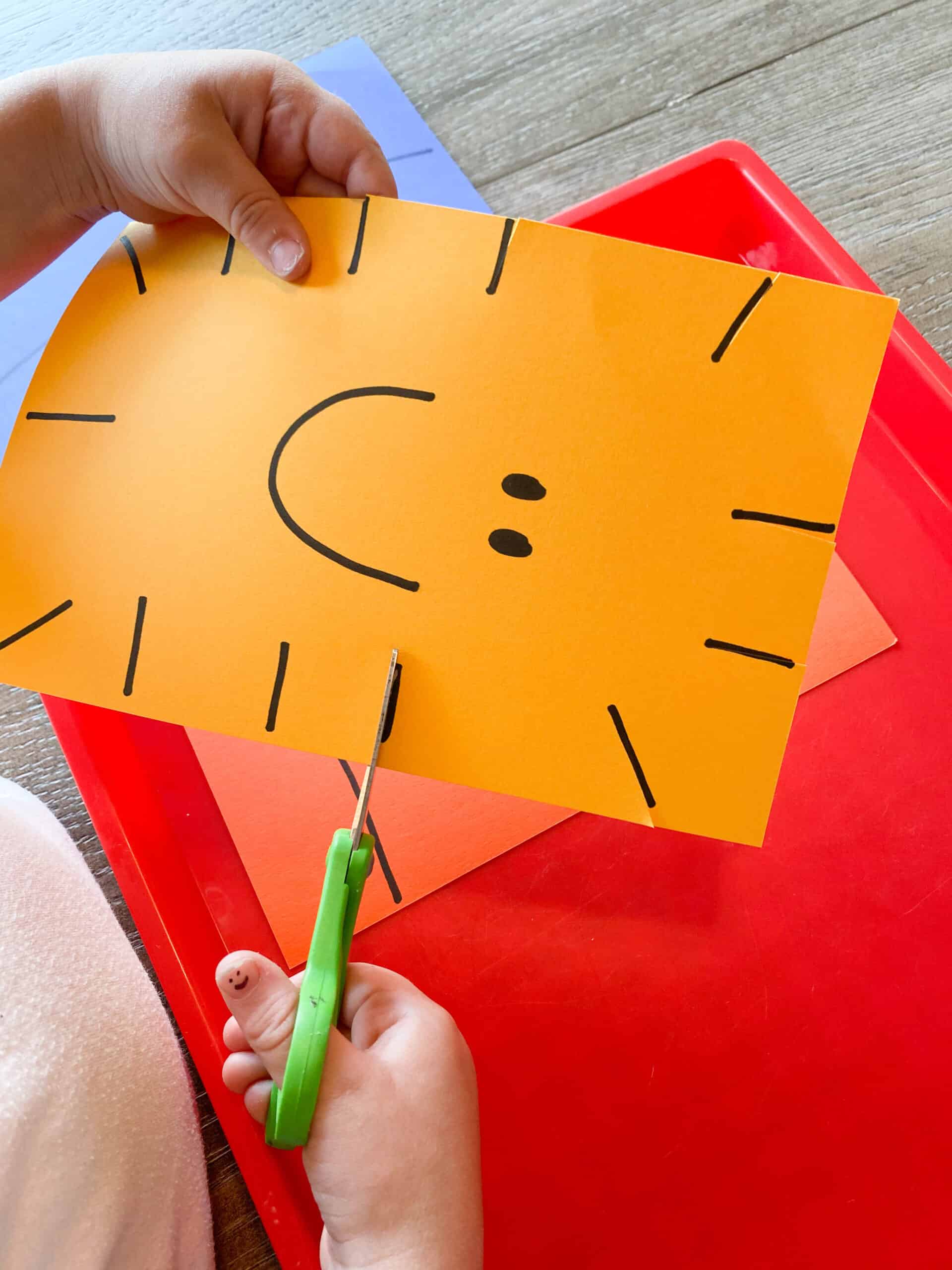
Cutting pictures for kids is an engaging way to enhance fine motor skills while providing a fun, hands-on learning experience. These activities not only promote creativity but also help children develop essential skills such as hand-eye coordination and concentration. In this article, we will explore various cutting picture activities, their educational benefits, and practical tips for parents and educators to implement them effectively.
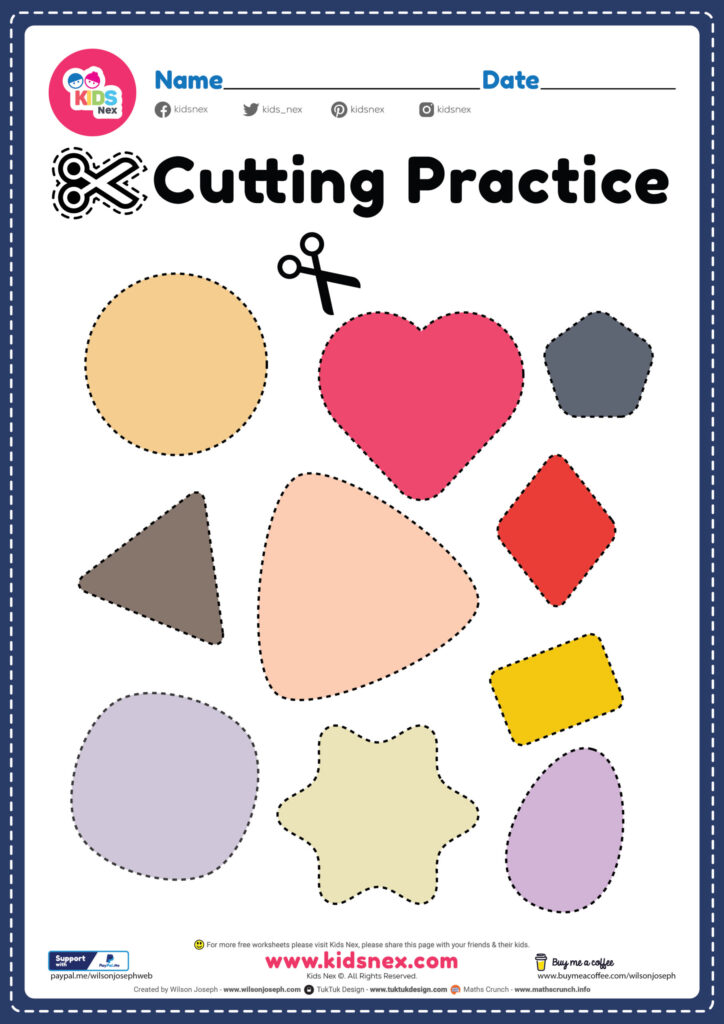
Cutting Pictures For Kids
Benefits of Cutting Pictures for Kids
Engaging in cutting activities offers numerous benefits for young learners. Here are some key advantages:
- Fine Motor Skill Development: Cutting helps strengthen the small muscles in children’s hands, improving dexterity and control.
- Hand-Eye Coordination: As children cut along lines or shapes, they enhance their ability to coordinate their hand movements with visual input.
- Focus and Concentration: Cutting requires attention to detail, helping children practice staying focused on a task.
- Creativity: Children can create unique art projects by combining different cut-out pictures, fostering imaginative play.
Age-Appropriate Cutting Activities
When introducing cutting activities, it’s essential to consider the age and skill level of the children involved. Here are some tailored activities for different age groups:
Preschool (Ages 3-4)
For younger preschoolers, start with simple shapes like circles and squares. Provide them with large scissors designed for small hands. Activities can include:
- Shape Collage: Give children pre-drawn shapes on paper to cut out and glue onto another sheet.
- Animal Cutouts: Use animal pictures that they can cut out and use in imaginative play.
Pre-K (Ages 4-5)
As children grow more confident with scissors, introduce slightly more complex tasks:
- Story Sequencing: Provide pictures from a story that children can cut out and arrange in order.
- Themed Worksheets: Use seasonal themes (like fall leaves or winter snowflakes) for cutting practice.
Kindergarten (Ages 5-6)
Kinder learners can handle more intricate cutting tasks. Suggested activities include:
- Matching Games: Create cards with pictures that children can cut out and match with similar images.
- Crafts Projects: Encourage them to create greeting cards or decorations using cut-out images.
Practical Tips for Cutting Activities
To ensure a successful cutting experience, consider the following practical tips:
- Select Safe Tools: Use child-safe scissors that are easy to handle. Supervise young children closely during cutting activities.
- Pre-Cut Materials: For beginners, consider precutting complex shapes or providing templates for them to trace before cutting.
- Create a Cutting Station: Set up a designated area with all necessary materials—scissors, glue sticks, paper, and a safe surface for cutting.
Integrating Cutting Activities into Learning
Cuts and paste activities can be seamlessly integrated into various subjects. Here are some ideas on how to incorporate them into your curriculum:
Literacy Development
Create worksheets where children cut out letters or words from magazines and paste them onto a sheet to form sentences or stories. This activity enhances letter recognition while making reading fun.
Math Skills
Cutting activities can also support math learning. For example, provide children with shapes to cut out and sort by size or color. This reinforces concepts of sorting and categorization while developing fine motor skills.
Themed Cutting Activities
Themed cutting worksheets can make learning more engaging. Here are some seasonal ideas:
Spring Themes
- Blooming Flowers: Provide flower templates for kids to cut out and decorate their own garden scene.
- Easter Eggs: Create colorful egg patterns for children to cut out and use in an Easter craft project.
Fall Themes
- Leaf Shapes: Offer various leaf templates that kids can cut out to create a fall collage.
- Pumpkin Faces: Provide pumpkin outlines with different facial features for kids to cut out and assemble.
Sourcing Quality Materials
Selecting the right materials is crucial for successful cutting activities. Consider these options when preparing your worksheets:
- Paper Thickness: Use lightweight paper for easier cutting; heavier cardstock may be too challenging for young learners.
- Crisp Lines: Ensure clear cutting lines on worksheets to guide children’s scissors accurately.
- Sustainable Options: Consider using recycled paper or eco-friendly materials whenever possible.
Caring for Your Cutting Tools
A well-maintained pair of scissors is essential for effective cutting activities. Here are some care tips:
- Keeps Scissors Sharp: Regularly check the sharpness of scissors; dull blades can make cutting frustrating for kids.
- Cleansing Tools: Wipe down scissors after use to remove any sticky residue from glue or paper scraps.
Cutting pictures for kids is not just about creating art; it’s an essential part of early childhood education that fosters development across multiple domains. By incorporating these activities into your teaching strategies, you provide children with valuable skills that will serve them well throughout their educational journey. For more engaging resources, visit our collection of printable worksheets at CutPasteWorksheets.net!
Explore our worksheets collection here!
Learn more about early childhood development at NAEYC.
Download Cutting Pictures For Kids
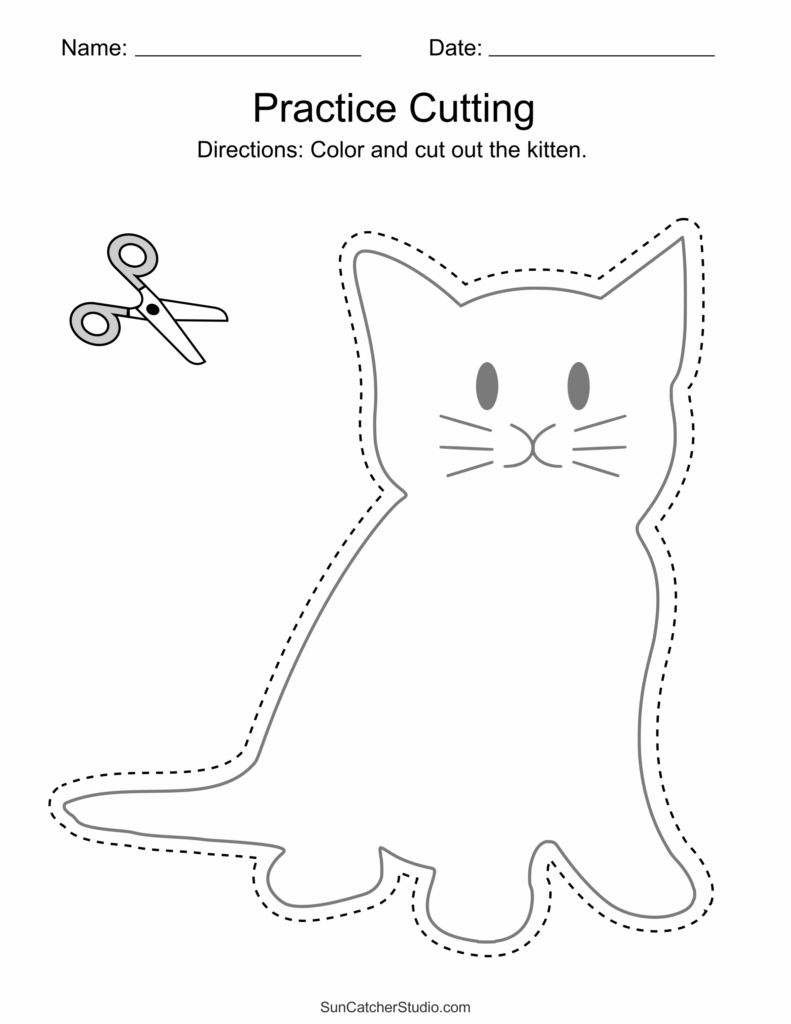
Cutting Worksheets
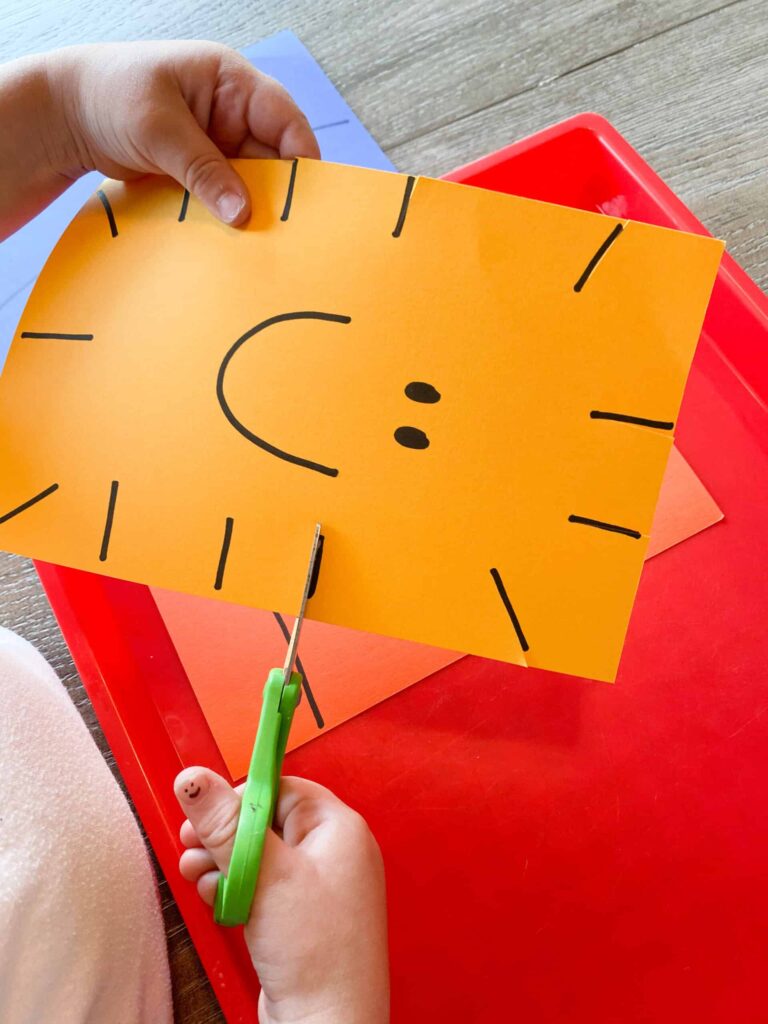
Simple Cutting Tray Preschool Scissor Skills Activity